What an Idler Bracket Does on a Conveyor
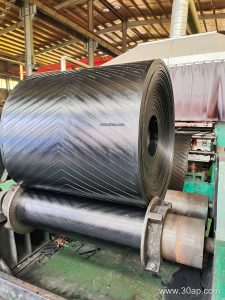
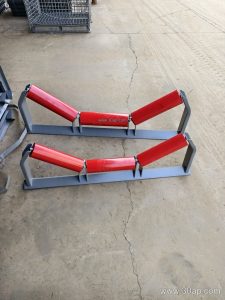
An idler bracket is the support component that holds idler rollers in the correct position along a conveyor frame. It connects the roller shaft to the structure of the machine, keeps the trough shape of the belt, and carries the load transferred from the material being moved. On a quarry conveyor belt or a coal mining conveyor belt, these brackets are exposed to constant vibration, dust, and heavy loads, so their design and installation matter as much as the rollers themselves.
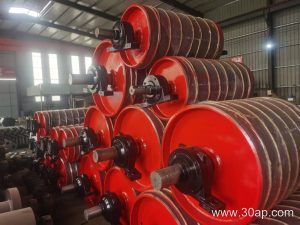
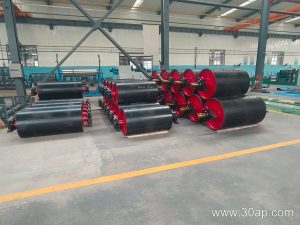
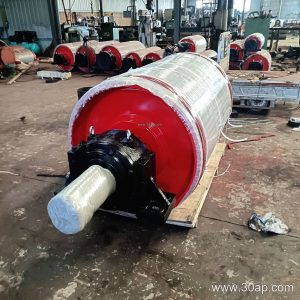
The same component is often called a conveyor bracket or roller support bracket. It is not a pulley and should not be confused with a drive pulley, tail pulley, or bend pulley, which are completely different parts of the conveyor system.
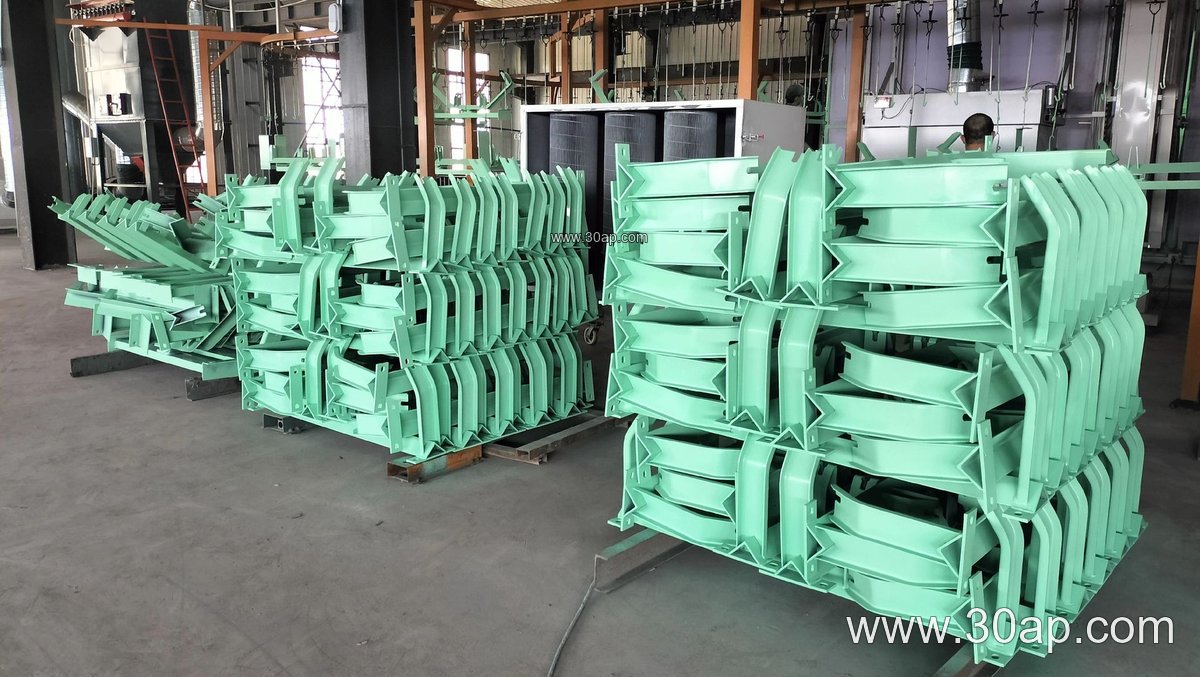
How the Bracket Is Built
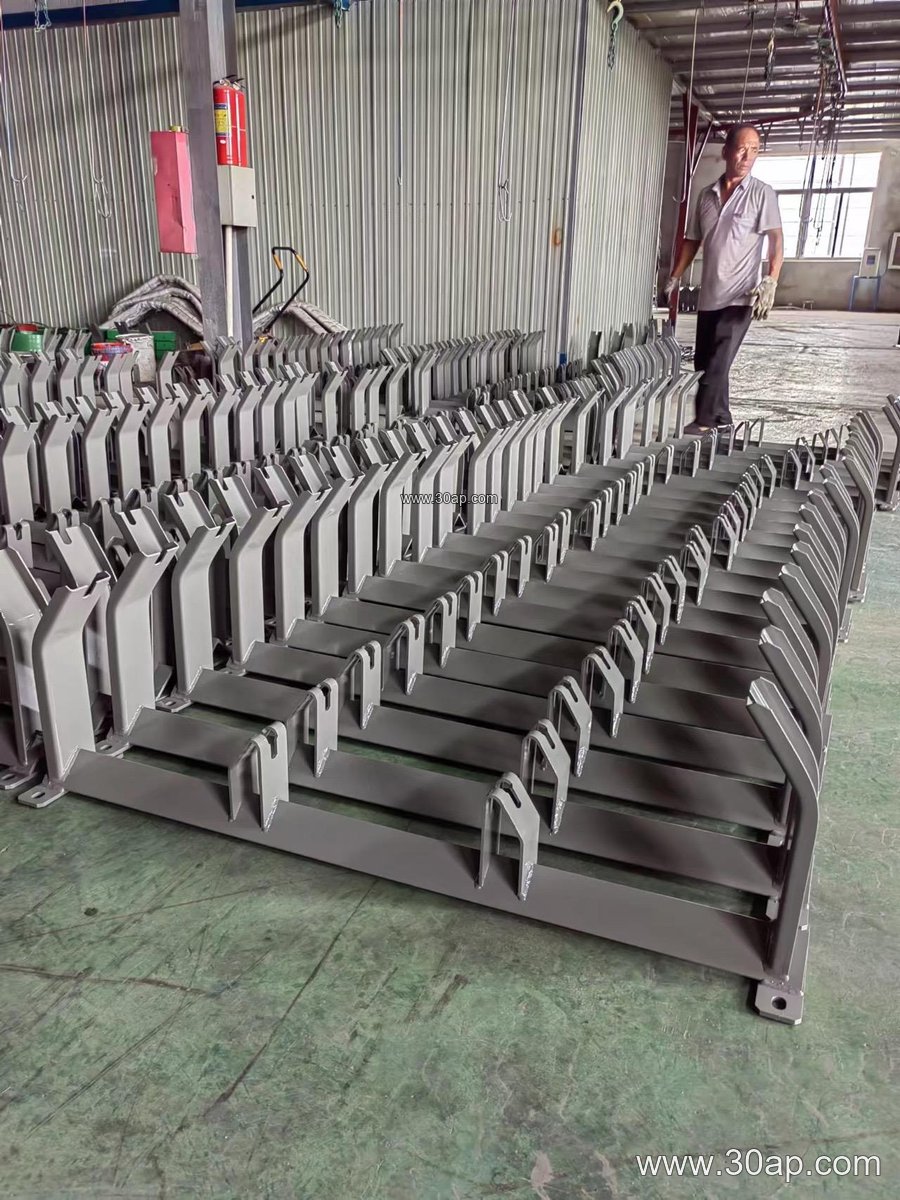
Most brackets are fabricated from angle steel, channel steel, or bent steel plate. The frame is welded or bolted, then drilled with mounting holes that match the conveyor stringer spacing. The roller shaft sits in slots or hooks, which allows quick replacement without dismantling the whole frame.
Common forms include trough brackets, return brackets, transition brackets, and self-aligning brackets. Each one positions the idler roller at a specific angle and height. The bracket must be stiff enough to resist deflection under load, yet simple enough for maintenance crews to service in the field.
Typical Sizes and Configurations
Bracket dimensions follow belt width, trough angle, and roller diameter. The table below shows reference combinations; actual hole spacing and beam length are determined by the conveyor design.
- B500 with 20° trough angle and Ø89 roller
- B650 with 30° trough angle and Ø89 roller
- B800 with 35° trough angle and Ø108 roller
- B1000 with 35° trough angle and Ø108 roller
- B1200 with 45° trough angle and Ø133 roller
- B1400 with 35° or 45° trough angle and Ø159 roller
- B1600 with 45° trough angle and Ø159 roller
- B1800 with 45° trough angle and Ø194 roller
- B2000 to B2200 with heavy-duty brackets and Ø194 rollers
Adjustable brackets allow the trough angle to be changed between 20°, 30°, 35°, and 45° on site. Forward-leaning brackets usually tilt about 1.5° to 2° to help belt tracking. A belt width does not lock the bracket to one angle or one roller diameter; the combination depends on capacity, material, and frame design.
Where These Brackets Are Used
In a limestone quarry or a crushing and screening line, trough brackets support the belt at the loading point where impact is highest. In a cement plant, return brackets keep the empty side of the belt aligned under the silo and transfer towers. In a power plant coal yard, flame retardant conveyor belt and abrasion resistant conveyor belt often run on brackets designed for dusty, corrosive conditions. Port terminals handling iron ore or copper ore use heavy-duty brackets with thick rollers to resist wear.
For long overland systems carrying material on a steel cord conveyor belt or an EP conveyor belt, bracket alignment directly affects belt life. A misaligned bracket can cause edge wear, spillage, and tracking problems that are expensive to correct.
Buying Advice
Before ordering, confirm the belt width, the required trough angle, the roller diameter, and the mounting hole pattern of the existing frame. Check whether the bracket is fixed or adjustable, and whether it is a trough, return, or transition type. Ask for the material thickness and surface treatment, since galvanized or painted brackets last longer in wet or coastal environments.
For a crusher conveyor belt or a bulk material conveyor belt handling sharp rock, choose a bracket that matches the impact rating of the rollers. Keep a small stock of spare brackets, because replacing a bent bracket early prevents damage to the idler roller and the conveyor belt. Matching the bracket to the actual duty saves downtime in mines, cement works, and aggregate plants alike.