What an Idler Bearing Housing Does
The idler bearing housing is the small but critical component that holds the bearing in place inside a conveyor idler roller. While it rarely gets attention, this housing determines how smoothly a belt runs, how long a roller lasts, and how often maintenance crews must return to a transfer point. In quarry, cement, and coal handling lines, a seized bearing can stop a whole section of the conveyor, so the housing deserves a closer look.
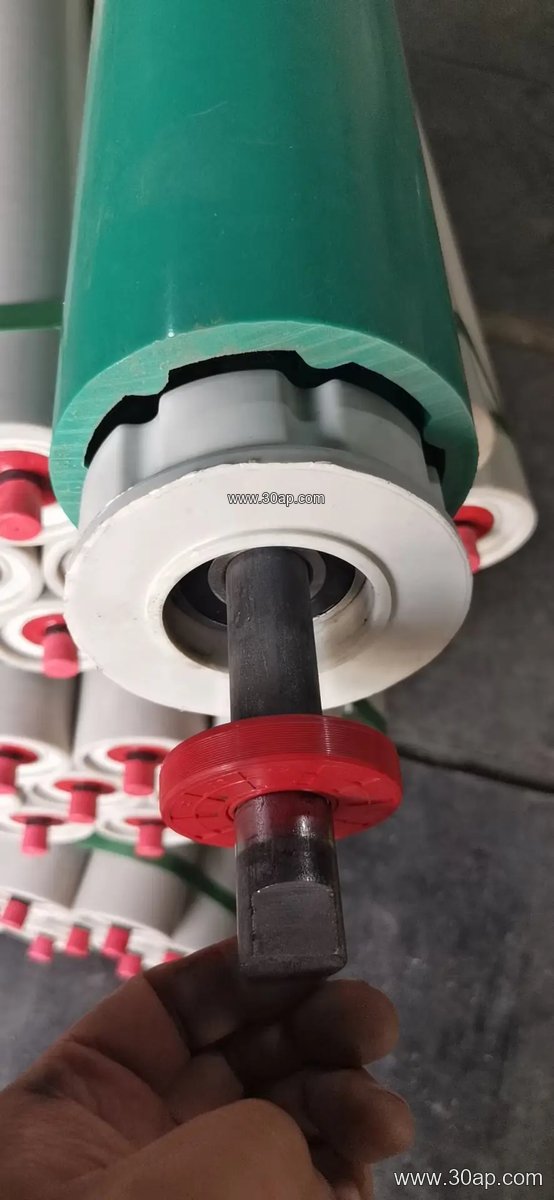
Its job is straightforward. The housing seats the bearing, keeps it aligned with the roller shaft, and protects it from dust, moisture, and spillage. A well-made idler bearing housing, also called a bearing seat or bearing cap assembly, forms a sealed pocket at the end of the roller shell so the bearing can rotate freely under load.
How the Housing Is Built
Most housings are stamped or machined from steel, then pressed into the roller tube or welded to the end disc. Inside, a bearing such as a 6204, 6205, 6305, or 6308 sits in the housing cavity, usually paired with a labyrinth seal or a lip seal. The housing face often includes a groove or shoulder that locates the seal and keeps grit away from the rolling elements.
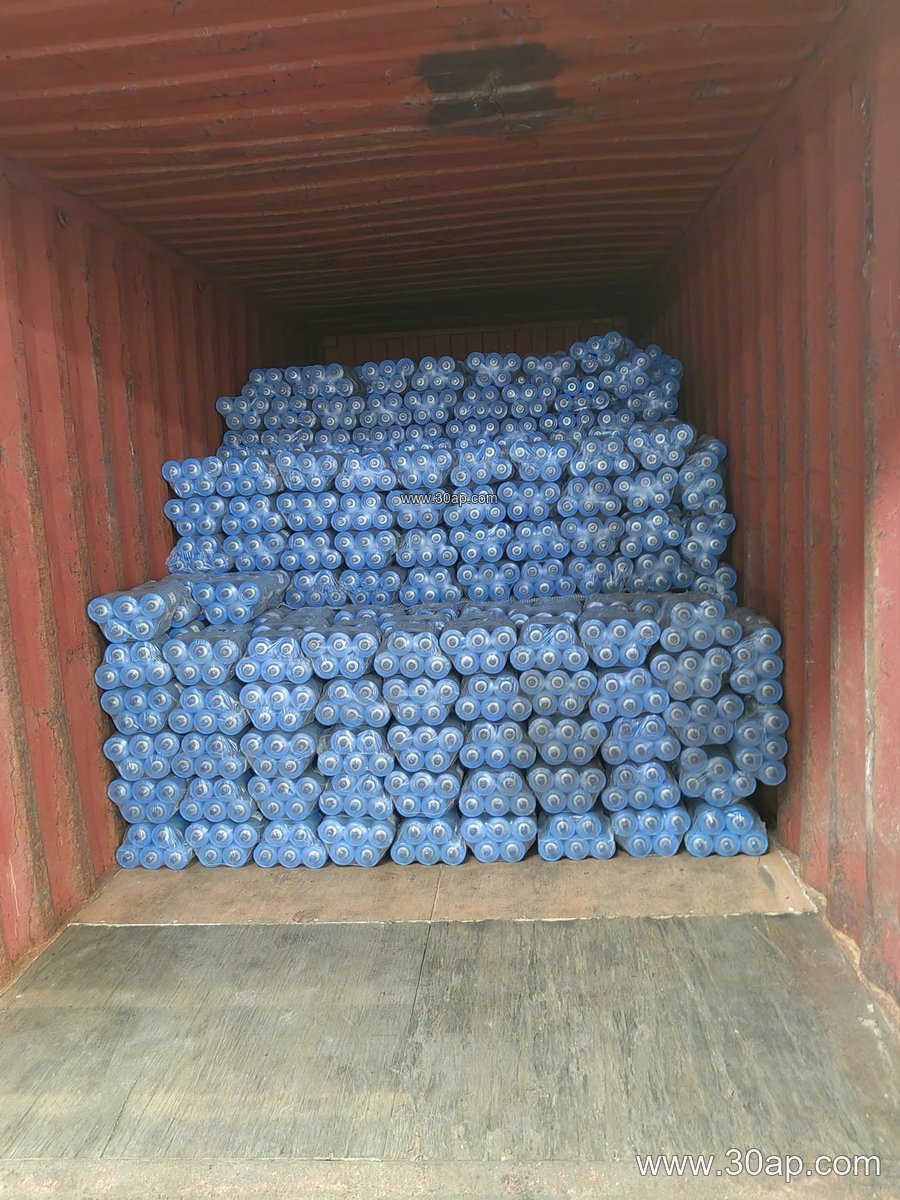
Construction details vary by duty. Light-duty rollers may use a simple pressed steel housing with a nylon seal, while heavy-duty rollers in iron ore or copper ore handling use thicker housings with multiple sealing stages. The housing must match the shaft diameter and the bearing bore, so it is always selected as part of a complete roller design rather than on its own.
Where It Fits on the Conveyor
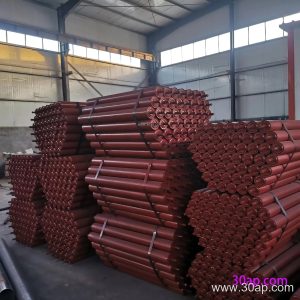
An idler bearing housing appears in every roller on the conveyor, from carry side to return side. Troughing idlers, impact rollers under a crusher discharge, and return rollers all rely on the same basic sealing principle. In a coal mining conveyor or a power plant coal yard, dust and fine particles are the main enemies, so the housing seal quality matters as much as the bearing itself.
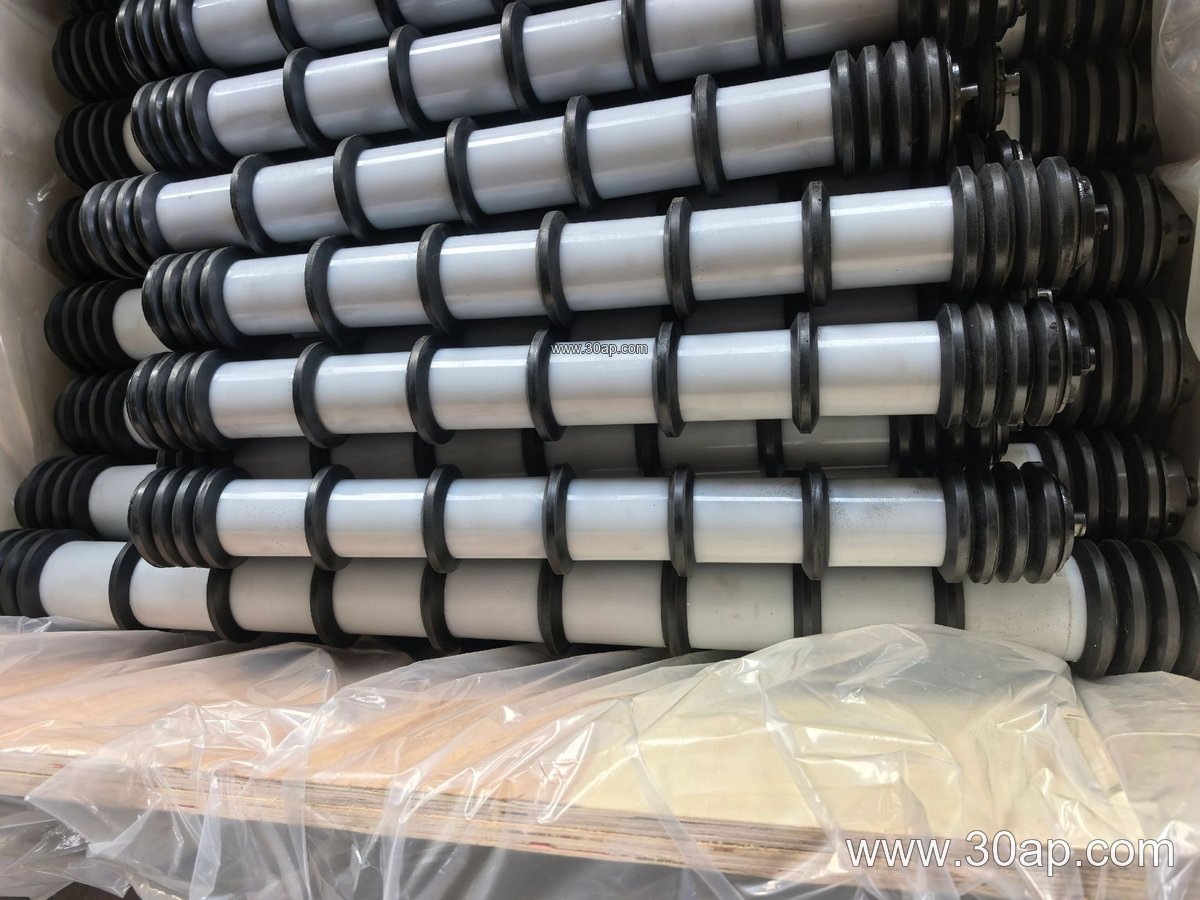
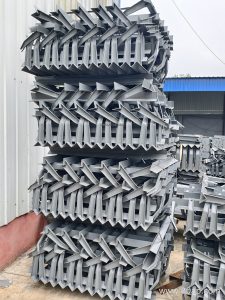
The housing also works alongside the conveyor bracket that mounts the roller to the frame. A poor fit between housing, shaft, and bracket can cause vibration and premature wear. When replacing rollers in a sand and gravel plant or a limestone quarry, check that the housing diameter and bearing seat are consistent with the existing frame.
Common Bearing and Roller References
Bearing numbers and roller diameters are usually chosen together. The table below shows typical pairings seen in catalogues; actual selection depends on load, speed, and seal design.
| Bearing Reference | Typical Roller Diameter Range | Common Use |
|---|---|---|
| 6204 | Ø63 to Ø89 mm | Light troughing and return idlers |
| 6205 | Ø89 to Ø108 mm | General carry idlers |
| 6305 | Ø108 to Ø133 mm | Medium-duty troughing sets |
| 6306 | Ø127 to Ø159 mm | Heavy carry and impact positions |
| 6308 | Ø159 to Ø194 mm | High-load bulk handling |
| 6310 | Ø194 to Ø219 mm | Large diameter return rollers |
These are reference values, not fixed rules. A housing designed for a 6308 bearing will not accept a 6205, and the roller shell thickness must suit the press fit.
Buyer Checklist
- Confirm the bearing number and shaft diameter before ordering housings.
- Check the seal type: labyrinth seals suit dusty coal and cement service, while contact seals may be preferred where water is present.
- Match the housing outside diameter to the roller tube and end disc.
- Ask about housing material and coating for corrosive environments such as fertilizer or chemical plants.
- Keep spare housings and bearings together so maintenance crews can rebuild rollers on site.
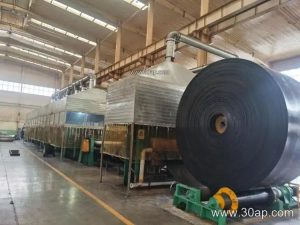
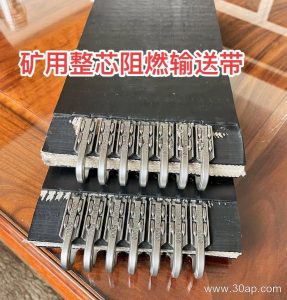
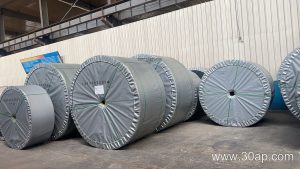
For conveyor lines carrying abrasive bulk material, the housing is only one part of the wear picture. A sturdy rubber conveyor belt and well-sealed rollers work together to reduce downtime. Buyers sourcing complete systems often review the belt specification alongside the idler and pulley details, since a heavy-duty mining conveyor belt may require heavier rollers and housings than a light aggregate line.
Maintenance Notes
Listen for squealing or rumbling at transfer points; these sounds often point to a failing bearing inside the housing. Greaseable housings allow relubrication, but sealed-for-life designs are common in dusty plants where over-greasing can push contaminants into the bearing. During shutdowns, spin each roller by hand and check for play between the shaft and housing. Replacing a worn housing early is cheaper than replacing a scored shaft or a damaged roller shell.
Whether the plant handles coal, clinker, or iron ore, the idler bearing housing remains a small component with a large effect on conveyor reliability. Selecting the right bearing seat, seal, and fit pays back through longer roller life and fewer unplanned stops.