What a Port Conveyor Belt Does
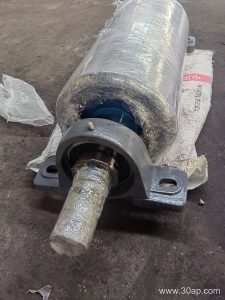
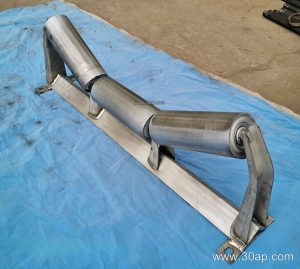
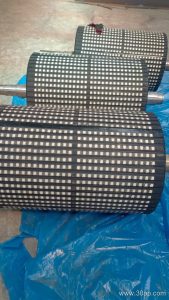
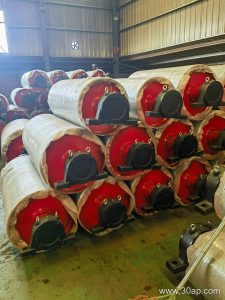
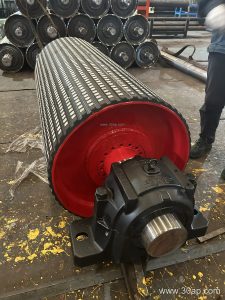
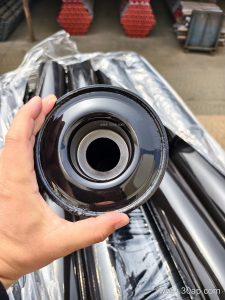
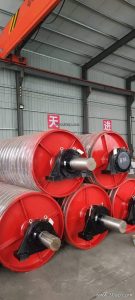
A port conveyor belt is the load-carrying element in the continuous handling systems that move bulk cargo between ship unloaders, stackers, storage yards, rail loading points, and truck receiving stations. Unlike a short in-plant conveyor, a belt working in a port terminal usually runs long distances, handles high tonnage, and meets salt air, dust, and variable weather. The belt itself is only one part of the line; it works together with conveyor pulleys, idler rollers, and conveyor brackets to keep the circuit stable and efficient.
Port duty is often described as a combination of abrasion, impact, and moisture. Iron ore, copper ore, coal, cement clinker, fertilizer, grain, and sand all place different demands on the cover compound and the carcass. That is why terminal operators usually match the belt construction to the cargo rather than buying one specification for the whole yard.
Construction of a Heavy-Duty Port Belt
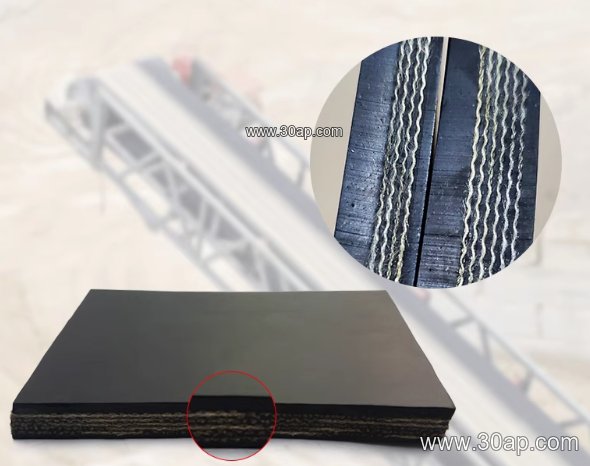
Most port belts are fabric core or steel cord constructions. The carcass provides tensile strength and resistance to elongation, while the top and bottom covers protect the core from cutting, wear, and moisture ingress. A typical heavy-duty mining conveyor belt or bulk material conveyor belt used at a terminal may have a multi-ply fabric core, while long overland and ship loading runs often use a steel cord conveyor belt for higher strength and lower stretch.
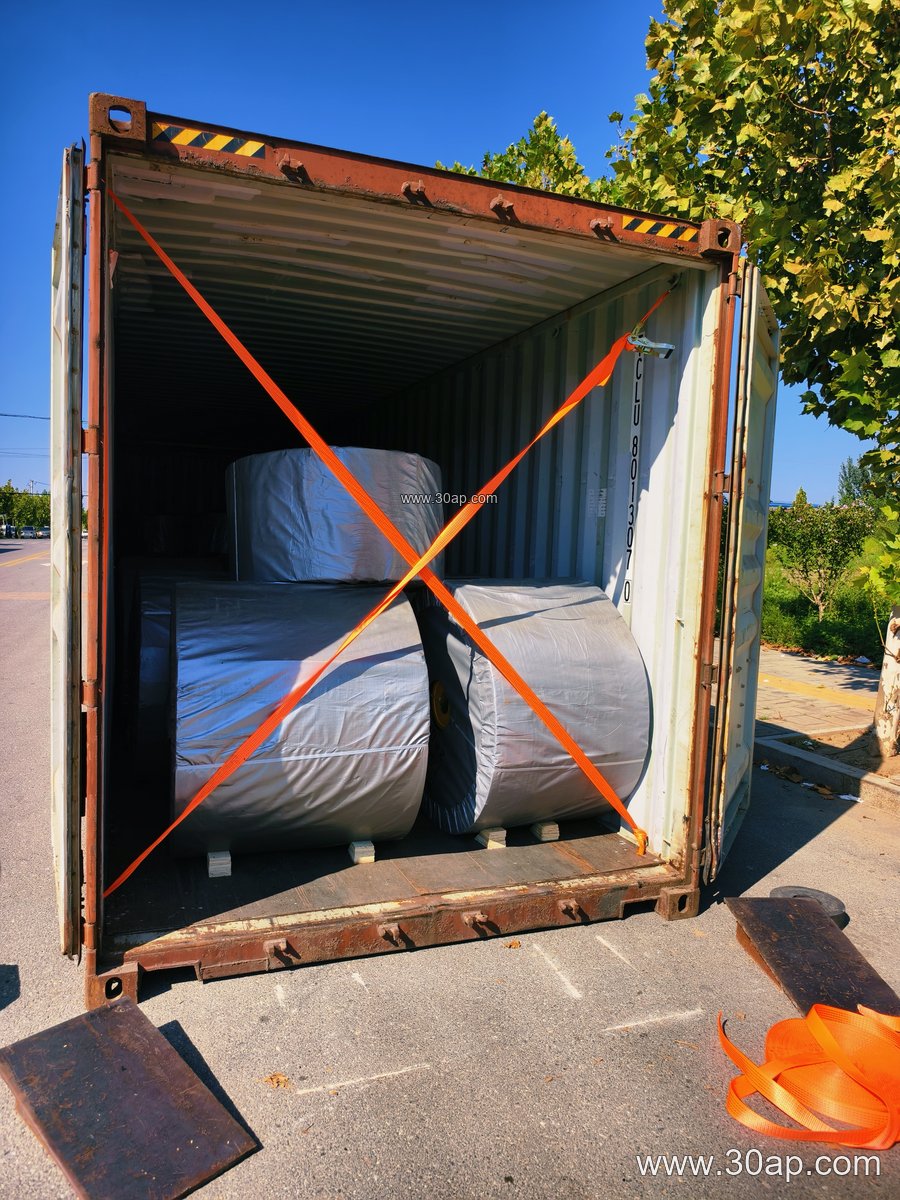
Common belt types and reference values are listed below. These are examples only; final selection depends on the conveyor design, duty cycle, and material characteristics.
| Construction | Typical strength grades | Common belt widths | Typical cover thickness |
|---|---|---|---|
| EP conveyor belt | EP200 to EP2000 | B500 to B2000 | 4+2, 5+2, 6+2 mm |
| NN conveyor belt | NN100 to NN400 | B500 to B1400 | 3+1.5 to 6+2 mm |
| Steel cord conveyor belt | ST1000 to ST3150 | B800 to B2000 | 6+2, 8+3 mm |
| PVC / PVG conveyor belt | PVG800, PVG800S | B650 to B1200 | By design |
Cover compounds are chosen for the cargo. An abrasion resistant conveyor belt suits ore and clinker, a heat resistant conveyor belt is used where material temperature is elevated, and a flame retardant conveyor belt or fire resistant conveyor belt is often required in coal handling and enclosed galleries. Oil resistant and cold resistant grades appear where the terminal handles petroleum coke, recycled oil, or operates in freezing conditions.
Where Port Belts Are Used
Port terminals are not the only users of this class of belt. The same heavy-duty conveyor belt design appears in mining, coal preparation, cement plants, power stations, steel plants, and quarry and aggregate operations. A quarry conveyor belt or crusher conveyor belt may share the same abrasion resistant cover as a terminal belt, but the port environment adds salt-laden air and frequent load changes from ship unloaders.
Special shapes solve specific terminal problems. A chevron conveyor belt or corrugated sidewall conveyor belt can handle inclined transfer points where material would otherwise roll back. A pipe conveyor belt encloses the cargo for dust control and route flexibility. A skirted conveyor belt helps contain material at loading chutes. For dusty coal and ore terminals, an anti-static conveyor belt may be specified alongside flame retardant properties.
Selection Points for Buyers
- Confirm the design tension and take-up arrangement before choosing between fabric core and steel cord construction.
- Check the material size, drop height, and lump shape to judge impact resistance and cover thickness.
- Review the conveyor pulley and idler roller layout so belt width and carcass flexibility match the existing hardware.
- Confirm the required flame retardant, anti-static, or fire resistant grade with the terminal safety plan.
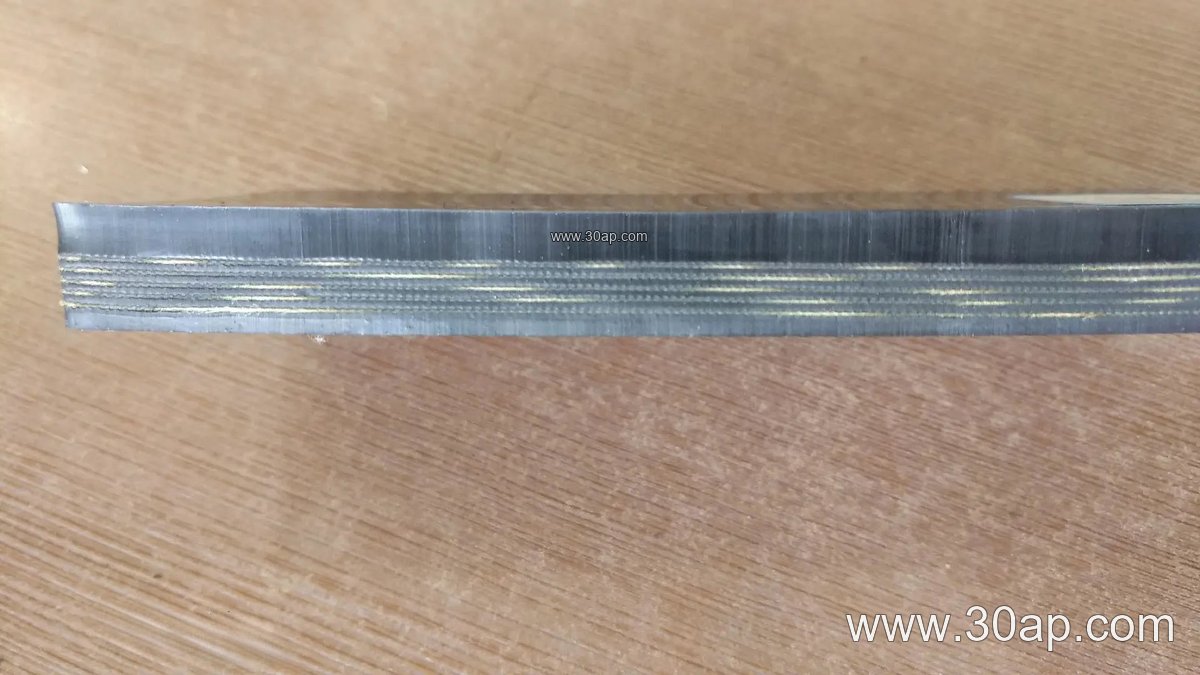
- Ask for cover thickness and ply count as separate values, not a single summary figure.
For a wide ship loading conveyor belt, widths such as 1200mm, 1400mm, 1600mm, or 1800mm are common in reference catalogs, but a specific belt width is not tied to one pulley diameter. The pulley, shaft, and bearing selection follow the conveyor design load, not the belt width alone. Buyers should also confirm whether an endless conveyor belt is required for a specific transfer point, since splicing method affects installation time and joint strength.
Maintenance and Long Service
Port belts wear fastest at loading points, joints, and areas where material builds up on idler rollers. Regular inspection of the conveyor pulley lagging, bracket alignment, and roller rotation helps prevent edge damage and mistracking. Keeping the belt clean and avoiding overload at transfer chutes extends cover life. A spare belt kept in dry storage is practical for terminals that cannot afford long downtime.
Whether the circuit handles coal, ore, cement, or aggregate, the goal is a belt specification that matches the cargo and the conveyor hardware. For related components such as conveyor rollers and pulleys, buyers can review matching options at jsconveyorbelt.com and compare belt grades before finalizing an order.