What Is a Trough Idler Bracket?
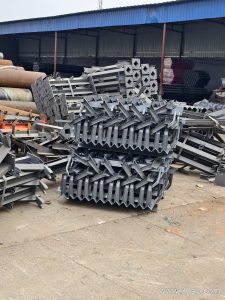
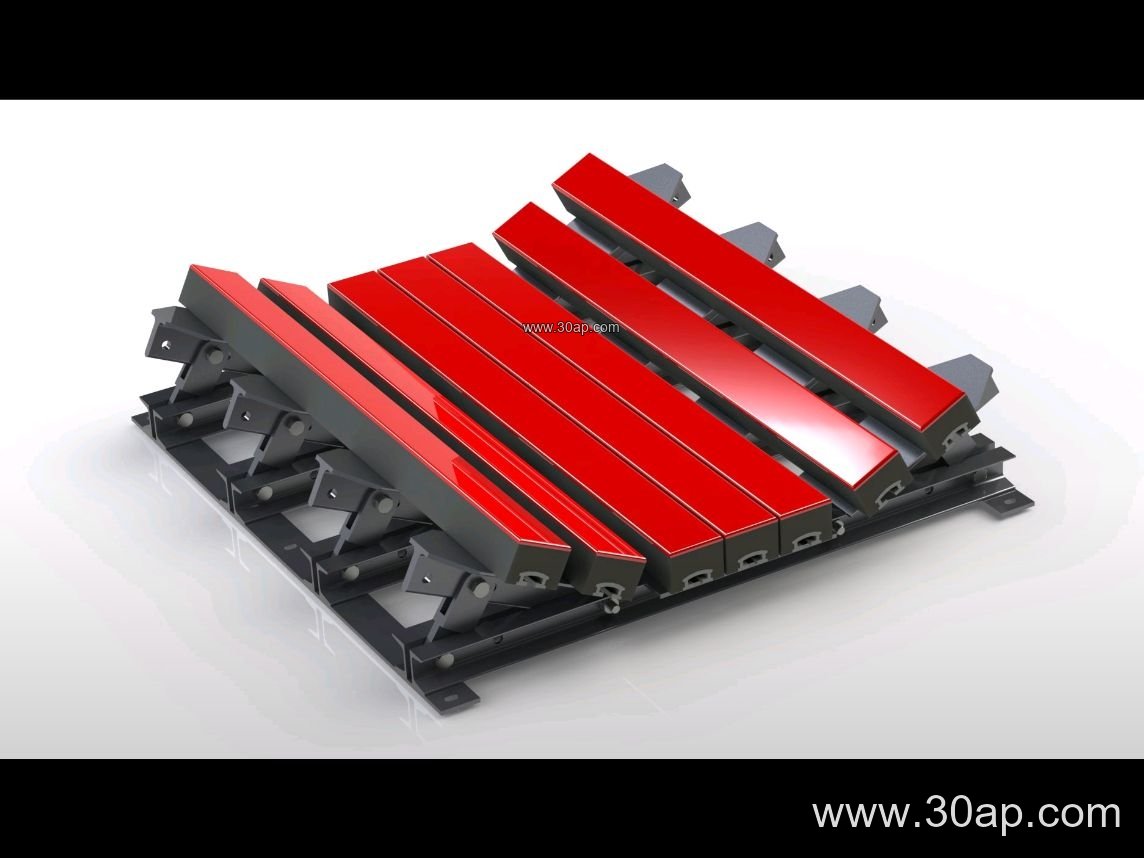
A trough idler bracket is the structural component that holds the idler rollers in a troughed arrangement on the carrying side of a conveyor. It positions the rollers at a specific trough angle, ensuring the conveyor belt forms a stable channel for bulk material. Often called a troughing idler frame or troughing bracket, this part is critical for belt alignment, load support, and overall conveyor efficiency. Whether you run a quarry conveyor belt or a coal mining conveyor belt, the bracket directly influences how well the belt tracks and how long the idlers last.
Construction and Materials
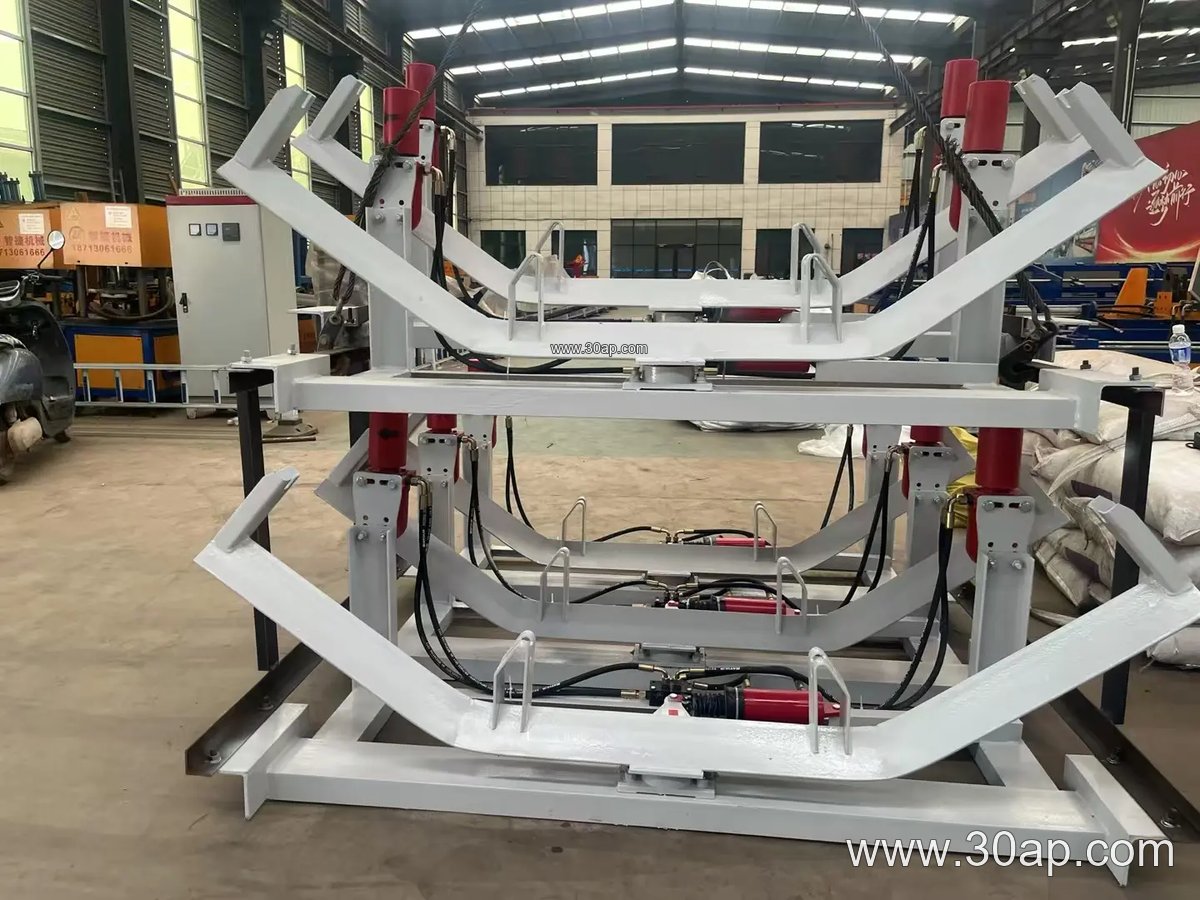
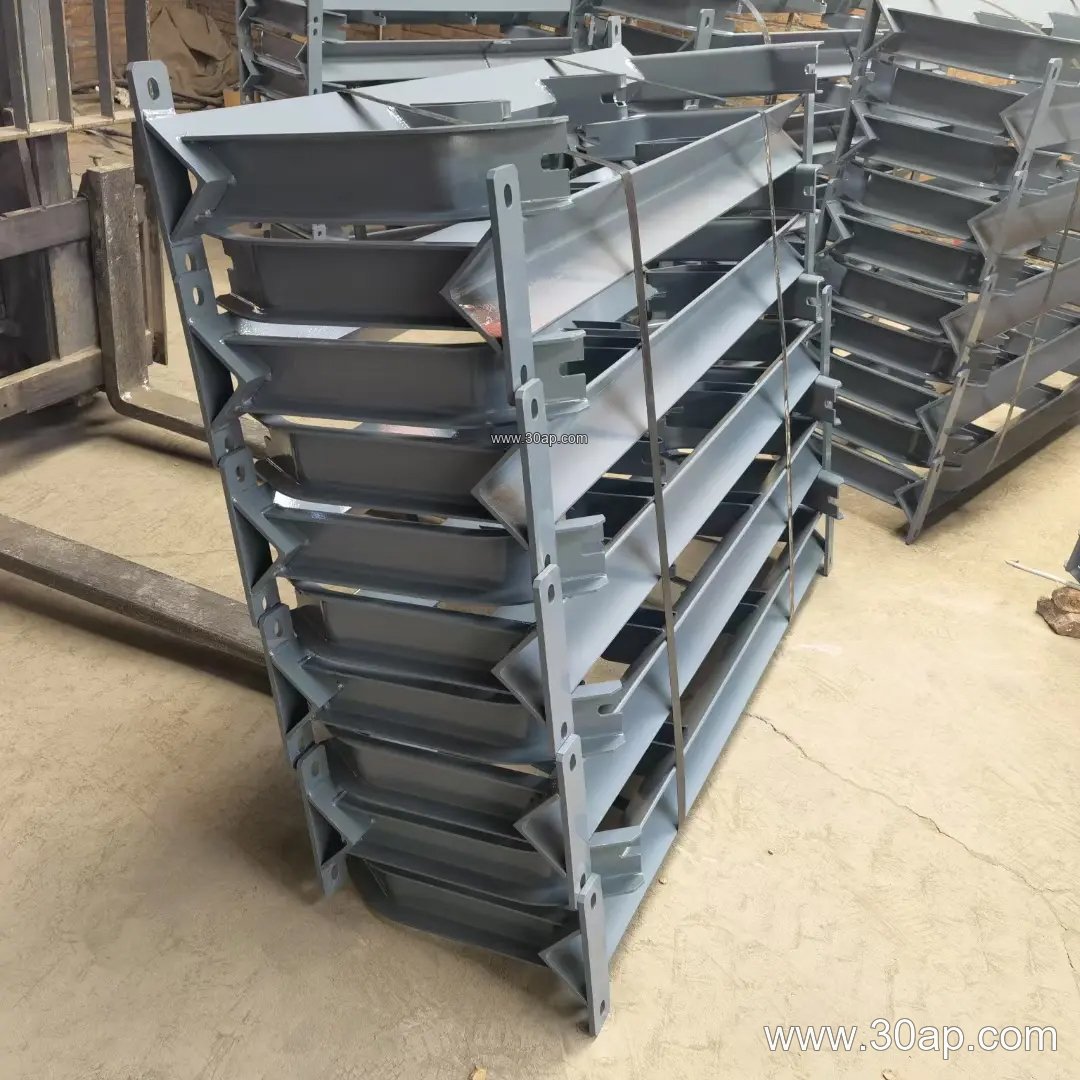
Most trough idler brackets are fabricated from angle steel, channel steel, or folded steel plate. The choice depends on load requirements and environmental conditions. For heavy-duty mining conveyor belts carrying dense ore, thicker channel steel is common. In less demanding applications such as a cement plant conveyor belt, folded plate may suffice. The bracket typically includes mounting slots or holes for attaching idler rollers, and its geometry sets the trough angle — commonly 20, 30, 35, or 45 degrees. Adjustable brackets allow operators to change the trough angle within a range, which is useful when belt loading conditions vary.
Role in Conveyor Performance
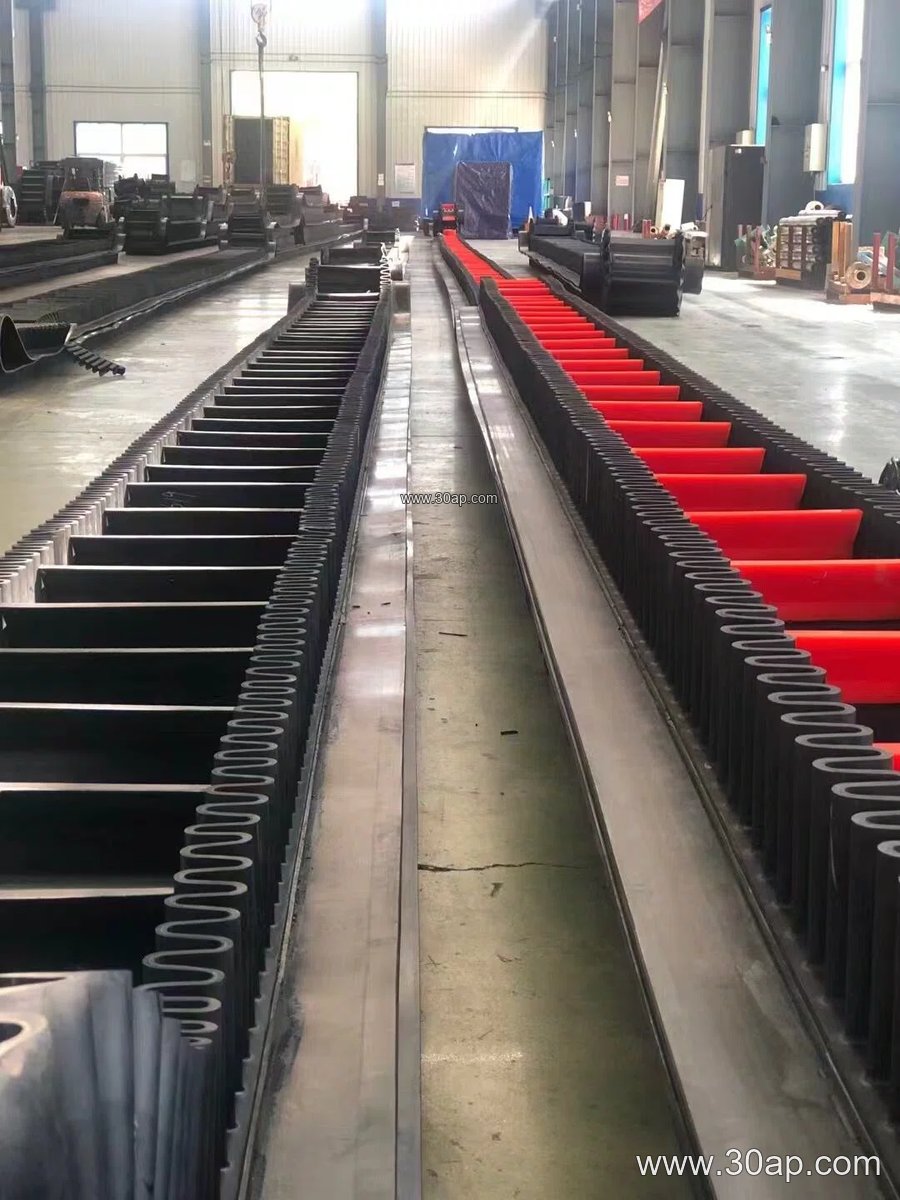
The bracket’s primary job is to keep the idler rollers at the correct angle so the conveyor belt maintains its trough shape. Proper troughing prevents material spillage and reduces belt edge damage. On a high abrasion resistant conveyor belt handling crushed stone, a well-aligned bracket set minimizes uneven wear. The bracket also contributes to belt training; a slight forward tilt (often about 1.5 to 2 degrees) can help center the belt. In systems using a pipe conveyor belt or corrugated sidewall conveyor belt, bracket design must accommodate specific belt profiles, but the core function remains the same.
Where It Fits in the Conveyor System
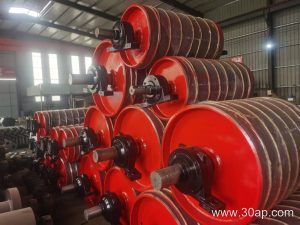
Trough idler brackets are installed along the carrying run of the conveyor, between the tail pulley and the head pulley. They are distinct from bend pulleys or drive pulleys, which handle belt tension and direction changes. The brackets work in concert with the conveyor belt and idler rollers to support the load. In a typical aggregate conveyor belt line, you might find B800, 35-degree, Ø108 brackets spaced at regular intervals. In a port ship loading conveyor belt system with a 1200mm wide conveyor belt, B1200, 45-degree, Ø133 brackets are common. The exact combination is determined by belt width, material weight, and desired capacity.
Selection and Sizing Considerations
Choosing the right trough idler bracket involves matching belt width, trough angle, and roller diameter. The table below shows typical reference combinations; these are examples, not fixed rules. A bracket for a 650mm conveyor belt might use Ø89 rollers at 30 degrees, while a 1400mm belt could use Ø159 rollers at 35 degrees. Adjustable brackets offer flexibility if future changes in belt width or trough angle are anticipated.
| Belt Width (mm) | Trough Angle (degrees) | Roller Diameter (mm) | Typical Bracket Type |
|---|---|---|---|
| B500 | 20–30 | Ø89 | Fixed or adjustable |
| B650 | 30 | Ø89 | Fixed |
| B800 | 35 | Ø108 | Fixed or adjustable |
| B1000 | 35–45 | Ø133 | Adjustable |
| B1200 | 45 | Ø133 | Adjustable |
| B1400 | 35–45 | Ø159 | Fixed or adjustable |
| B1600 | 35–45 | Ø159 | Fixed |
| B1800 | 35–45 | Ø194 | Fixed |
Note that mounting hole spacing and crossbeam length vary with belt width and trough angle; they are not universal constants. Always confirm dimensions with the conveyor design.
Maintenance and Longevity
Regular inspection of trough idler brackets helps prevent belt misalignment and premature idler failure. Check for bent or corroded brackets, especially in corrosive environments where an acid resistant conveyor belt or chemical resistant conveyor belt is used. Loose bolts can cause brackets to shift, altering the trough angle and leading to belt tracking issues. In dusty operations such as a limestone quarry or a power plant coal handling system, keeping brackets clean and free of buildup extends service life. Replacing a worn bracket is straightforward, but ensure the replacement matches the original specifications for angle and roller fit.
Buyer’s Checklist
- Confirm the belt width (e.g., B800, B1200) and the required trough angle for your application.
- Verify the roller diameter the bracket must accept (Ø89, Ø108, Ø133, Ø159, or Ø194).
- Decide between fixed and adjustable brackets based on operational flexibility needs.
- Check material thickness and finish for the environment — for instance, a washdown area may require galvanized or painted brackets.
- Ensure the bracket design is compatible with your idler roller and conveyor belt type, whether it’s an EP conveyor belt, steel cord conveyor belt, or flame retardant conveyor belt.
For more information on compatible conveyor components, visit our site at https://www.example.com/trough-idler-bracket or explore our range of conveyor belt and idler roller solutions.