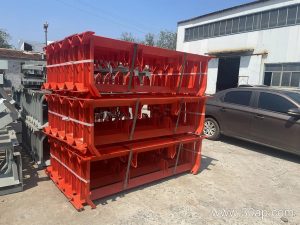
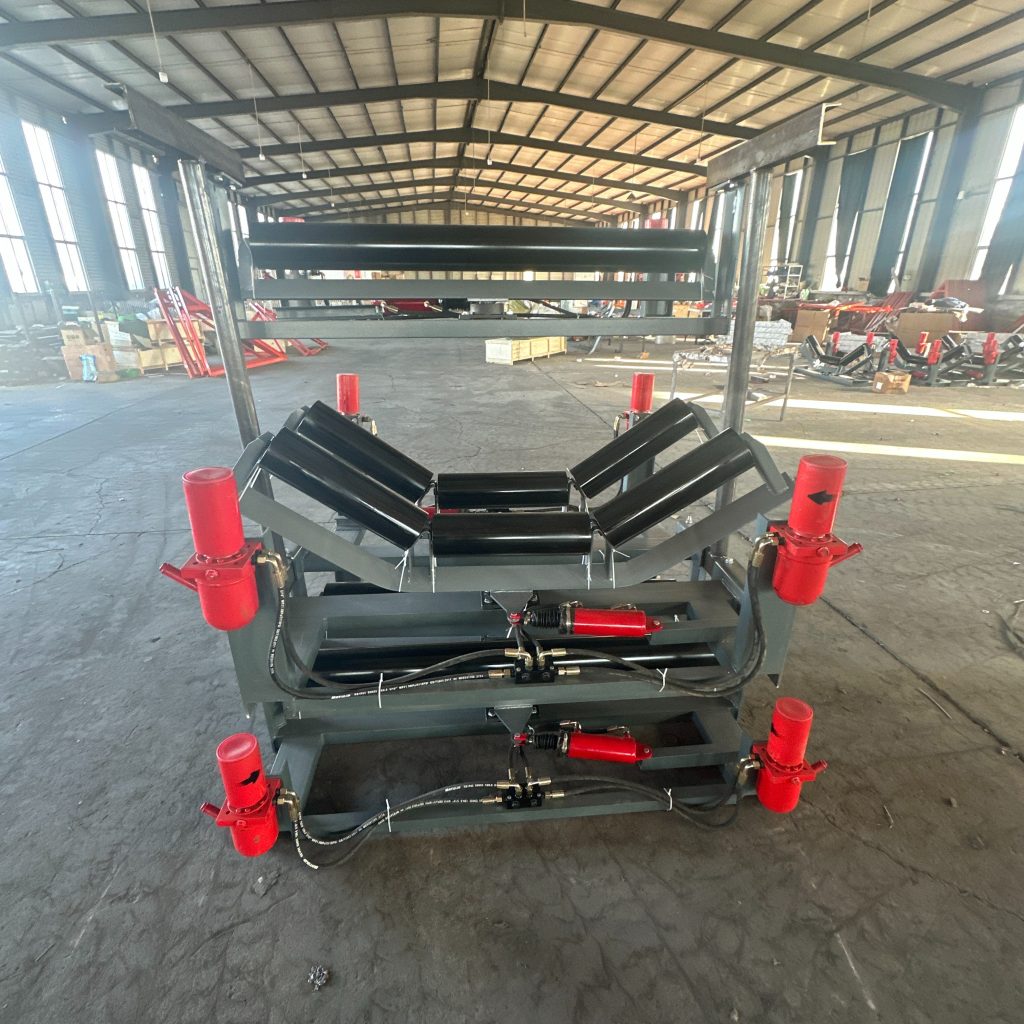
Why the Conveyor Bracket Deserves Your Attention
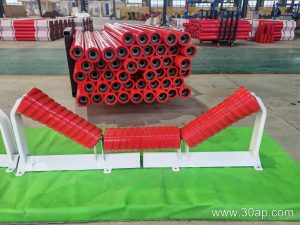
The conveyor bracket may seem like a minor component, yet it determines the alignment, load distribution, and longevity of your entire belt system. A poorly chosen bracket leads to vibration, belt drift, and unplanned downtime.
Key Selection Factors
- Material grade: Choose galvanized steel for corrosive environments or stainless steel for food-grade lines.
- Load rating: Always match the bracket’s static and dynamic capacity to your maximum belt tension and product weight.
- Adjustability: Slotted or multi-position brackets ease belt tracking and idler alignment.
Purchasing & Installation Advice
Verify hole spacing against your existing frame. Prefer welded brackets for heavy loads, but bolted types for modular conveyors. Request a sample to test fit before bulk ordering.
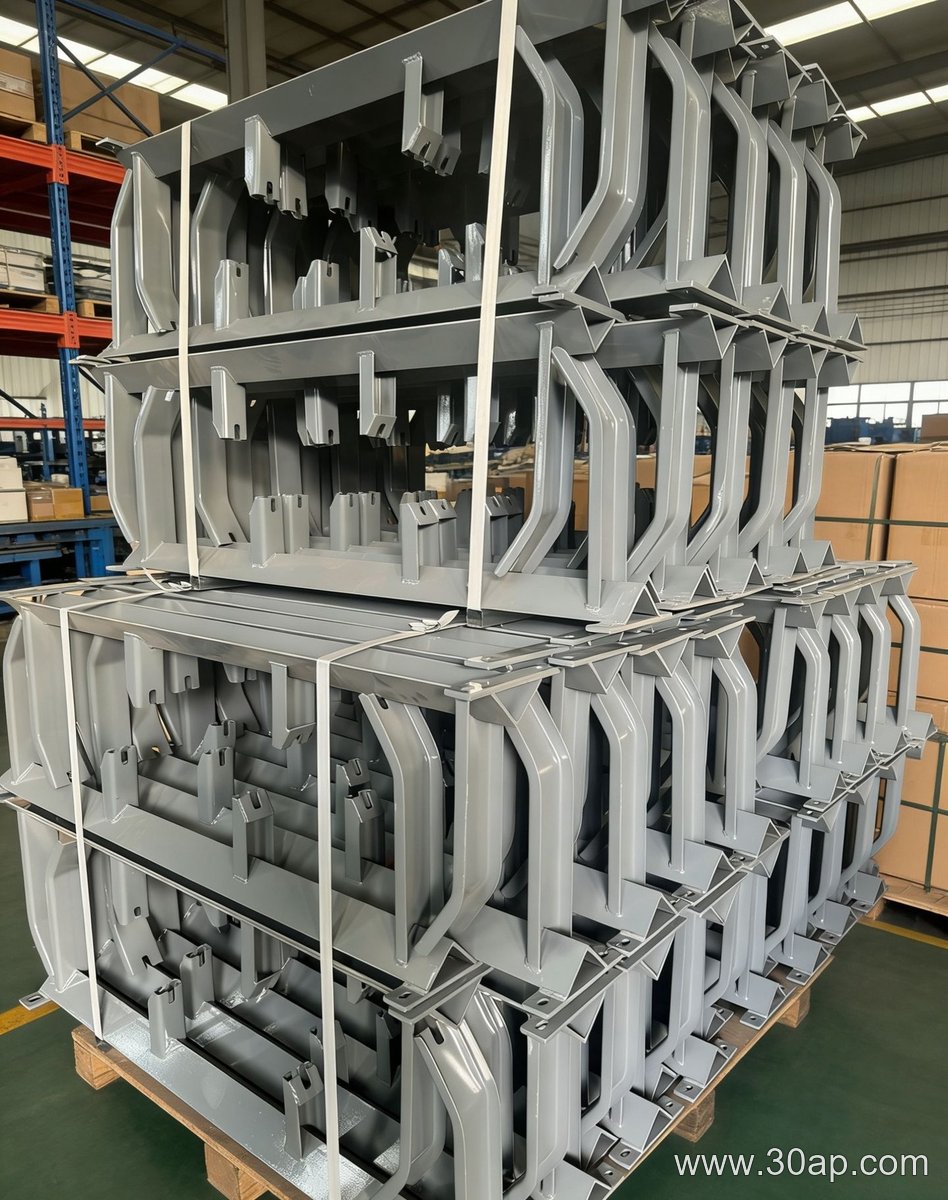
Inspect brackets quarterly for stress cracks or coating wear. Replace in matched sets to preserve uniform trough angle. A robust conveyor bracket is a low-cost insurance policy against costly production halts.
Why the Conveyor Belt Defines Your Material Handling Line
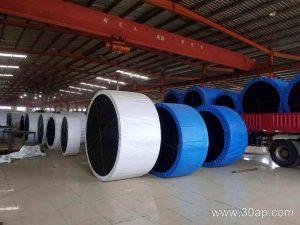
The conveyor belt is the silent workhorse of any production or distribution facility. Its correct selection directly impacts throughput, downtime, and total cost of ownership. A mismatched belt can cause spillage, premature wear, or even safety hazards.
Key Selection Criteria
- Material compatibility: Match the belt surface (rubber, PVC, polyurethane, or metal) to the product’s weight, temperature, oil, and chemical exposure.
- Load and tension: Calculate peak load per meter and required tensile strength to avoid stretching or snapping.
- Environment: For dusty, wet, or extreme-temperature zones, choose covers with flame-retardant or abrasion-resistant properties.
Purchasing and Maintenance Advice
Always request a sample or technical datasheet for your specific application. Verify the belt’s splice method (mechanical vs. vulcanized) and ensure spare parts are locally available. Plan for regular tracking adjustments and cleaning schedules to extend belt life.
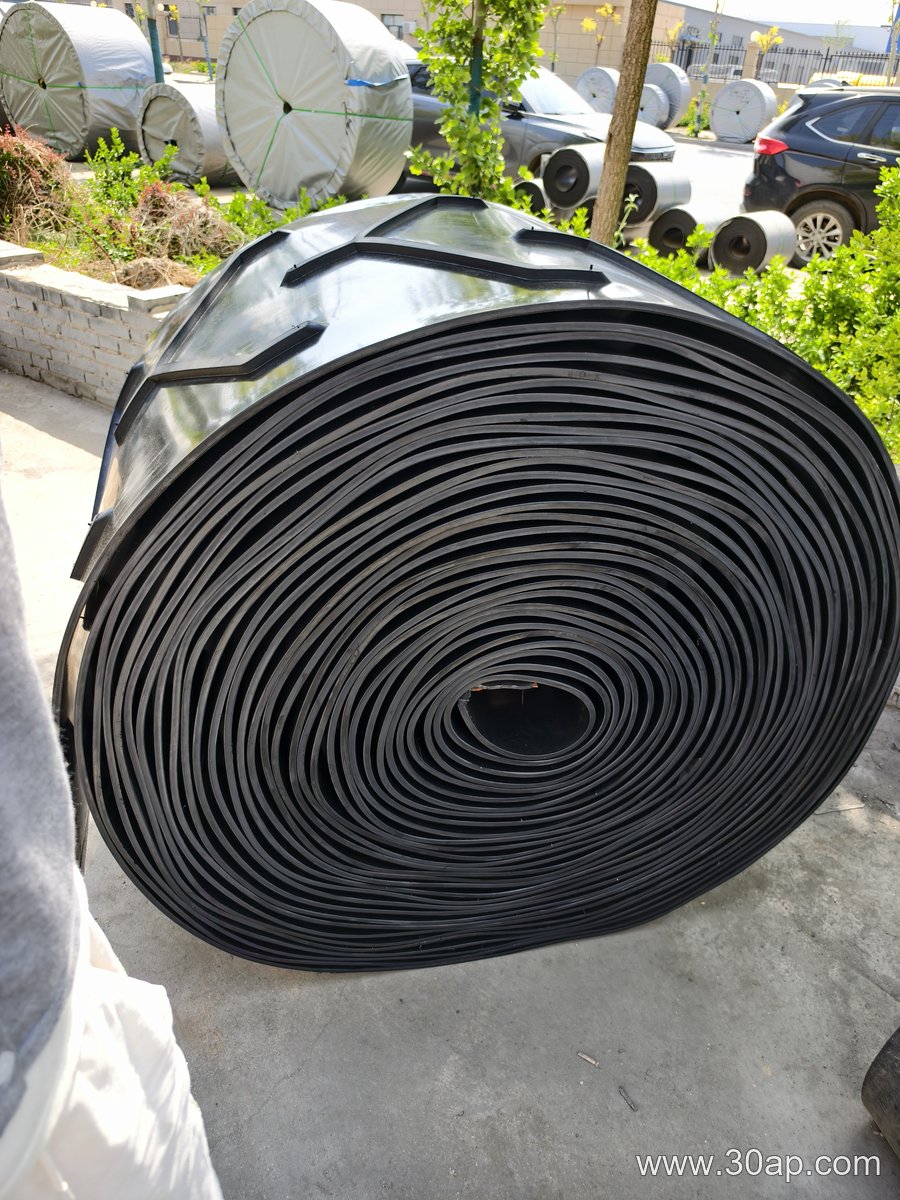
Ultimately, invest in a certified belt with a proven service record. A slightly higher upfront cost for durability and energy efficiency pays off within months.
The Critical Role of the Idler Roller in Belt Conveyors
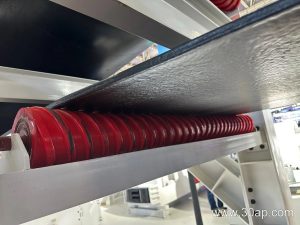
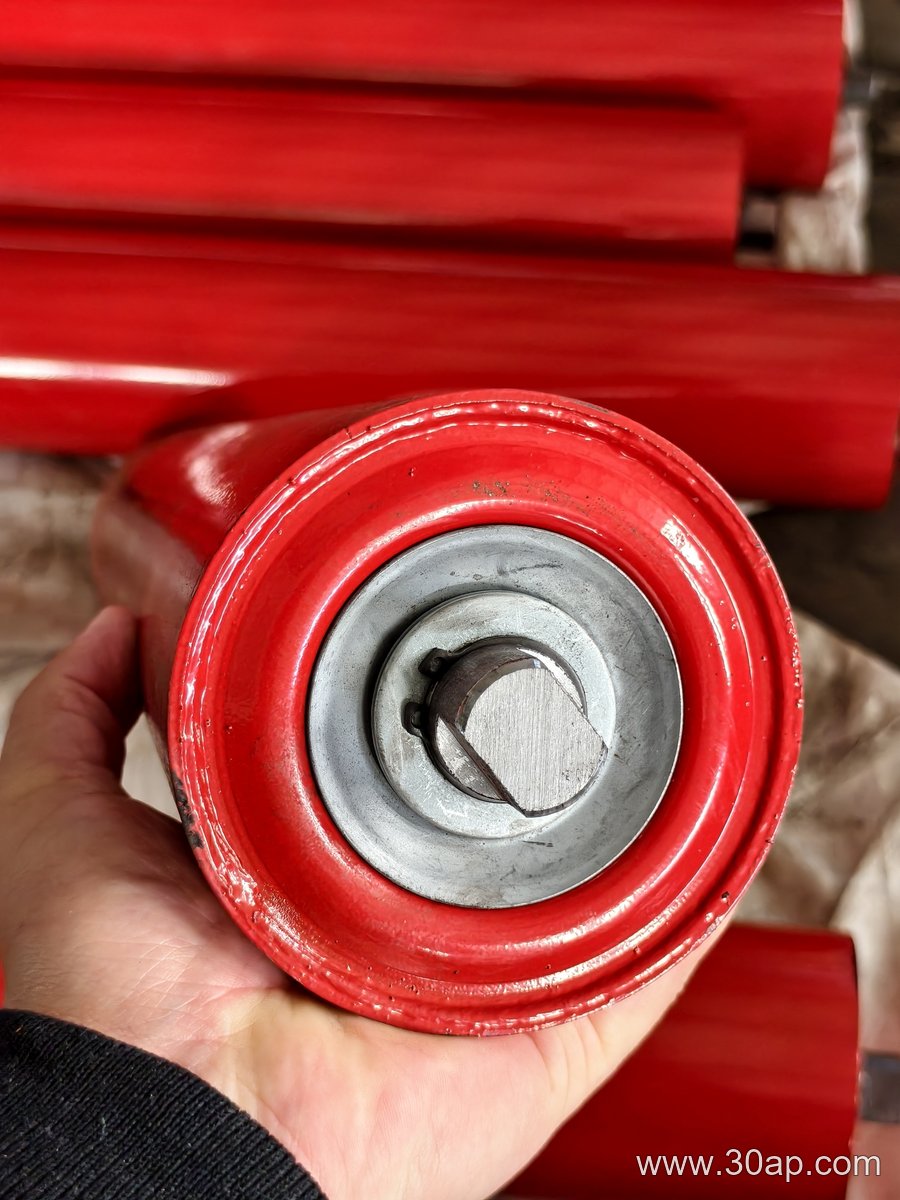
An idler roller is far more than a simple support cylinder; it is the backbone of any reliable bulk material handling system. These cylindrical components cradle the conveyor belt, shape its trough, and minimize friction as materials travel from loading to discharge. A poorly chosen or maintained idler roller increases belt wear, consumes excess energy, and leads to costly downtime. For industrial buyers, understanding the interplay between load, speed, and environment ensures the idler roller delivers long-term value.
Key Specifications for Procurement
- Roller diameter and shell thickness: Larger diameters suit heavy loads and high belt speeds, while thicker steel shells resist impact at loading zones.
- Bearing type and sealing: Choose labyrinth seals for dusty conditions or contact seals for wet, abrasive environments to extend service life.
- Shaft end configurations: Verify matching with your existing frames—tapered or straight shafts affect installation ease and alignment.
Selection and Purchasing Advice
Start by measuring belt width, speed, and maximum tonnage per hour. Always request a dynamic load rating from the supplier, not just static capacity. For corrosive or high-temperature settings, specify stainless steel or polymer idler rollers. Finally, prioritize manufacturers offering interchangeable parts and a clear warranty—this reduces spare inventory and simplifies future replacements.
Why the Conveyor Pulley Dictates System Uptime
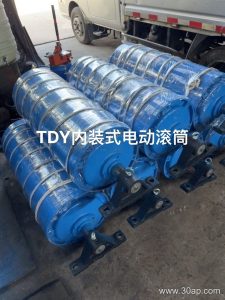
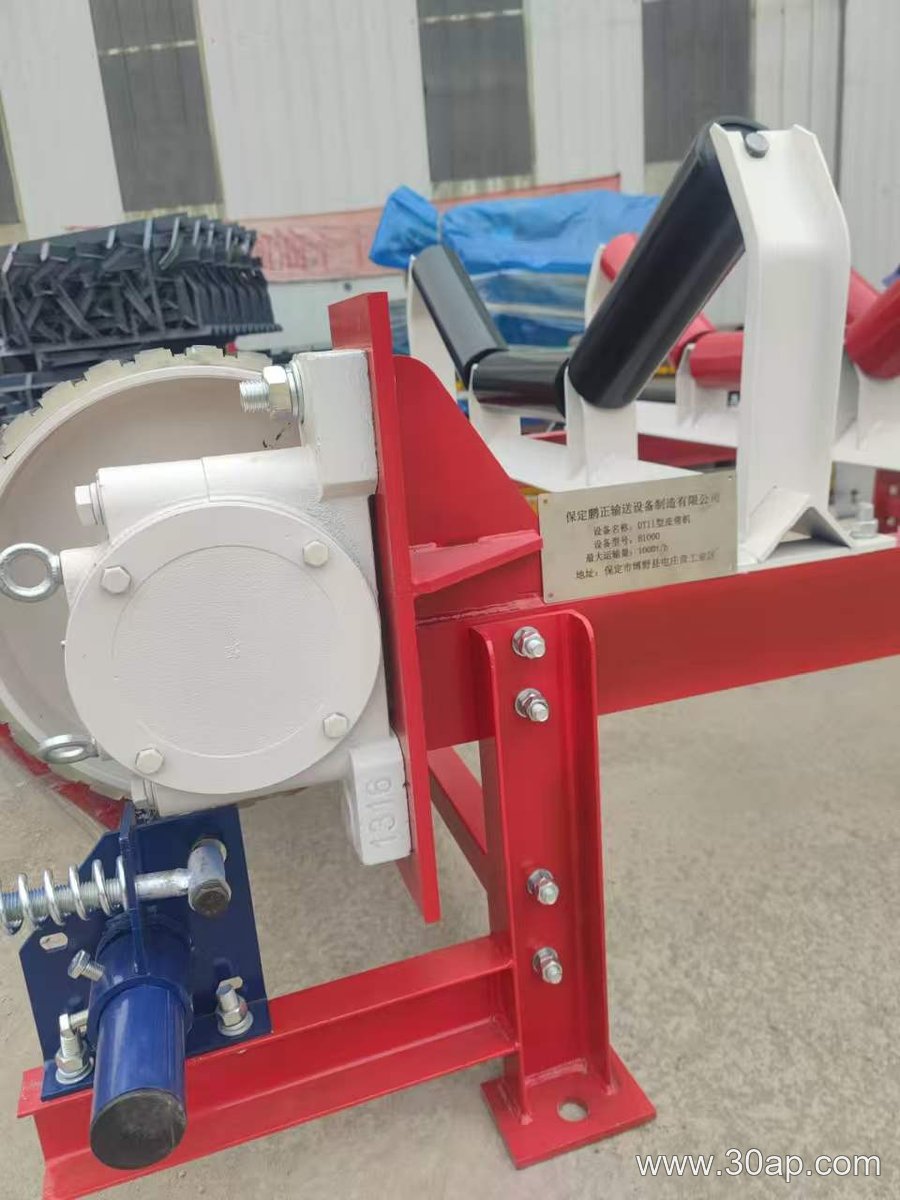
The conveyor pulley is the mechanical heart of any belt conveyor, transferring drive torque and maintaining belt tension. A poorly chosen pulley leads to belt misalignment, premature wear, and costly stoppages.
Key Specifications for Purchasing
- Face width: Must exceed belt width by 150–200 mm to prevent edge damage.
- Diameter: Smaller diameters reduce cost but increase belt flex fatigue—match to belt carcass and tension.
- Shaft and bearing rating: Calculate total dynamic load (belt tension + pulley weight + impact) and select CEMA-rated components.
Material and Lagging Decisions
Choose steel (S355JR) for standard duty; stainless or rubber-lined for corrosive or abrasive materials. Lagging—ceramic or rubber—boosts friction on drive pulleys and protects against slip, especially in wet or high-torque applications.
Selection Checklist
- Verify crown profile for self-centering on return side.
- Check weld integrity and dynamic balancing for speeds above 4 m/s.
- Confirm interchangeable hub systems (QD or Taper-Lock) for maintenance ease.
- Ask for fatigue-tested designs—avoid cheap, non-traceable castings.
Invest in a pulley with documented load ratings and a reputable manufacturer—your belt’s lifespan and plant productivity directly depend on it.