What a Labyrinth-Sealed Idler Is
A labyrinth-sealed idler is a conveyor idler roller whose bearing housings use a non-contact labyrinth seal to keep dust, water, and fine particles away from the bearings. Instead of relying on a single rubber lip, the seal creates a tortuous path that contaminants must travel through, which makes this idler roller a practical choice for dusty and wet duty. In a coal mining conveyor belt system, for example, fine coal dust and wash-down water are constant threats to bearing life, and the labyrinth seal helps to protect the rotating parts without adding much drag.
This idler is not a replacement for a drive pulley or a tail pulley; those are conveyor pulleys that transmit power or redirect the belt. The labyrinth-sealed idler is a carrying or return roller that supports the conveyor belt along its run. It can be used on the carrying side as a troughing idler or on the return side as a flat or V-return roller, depending on the conveyor design.
How the Seal and Bearing Housing Work
The seal is usually formed by a rotating outer shield and a stationary inner cover with a series of concentric grooves. Grease fills part of the gap, and the grooves trap particles before they reach the bearing. This arrangement is often combined with a tight-fitting bearing housing and a protective end cap. The result is a seal that does not rub on a shaft, so it produces less friction than a contact seal and tolerates slight shaft misalignment.
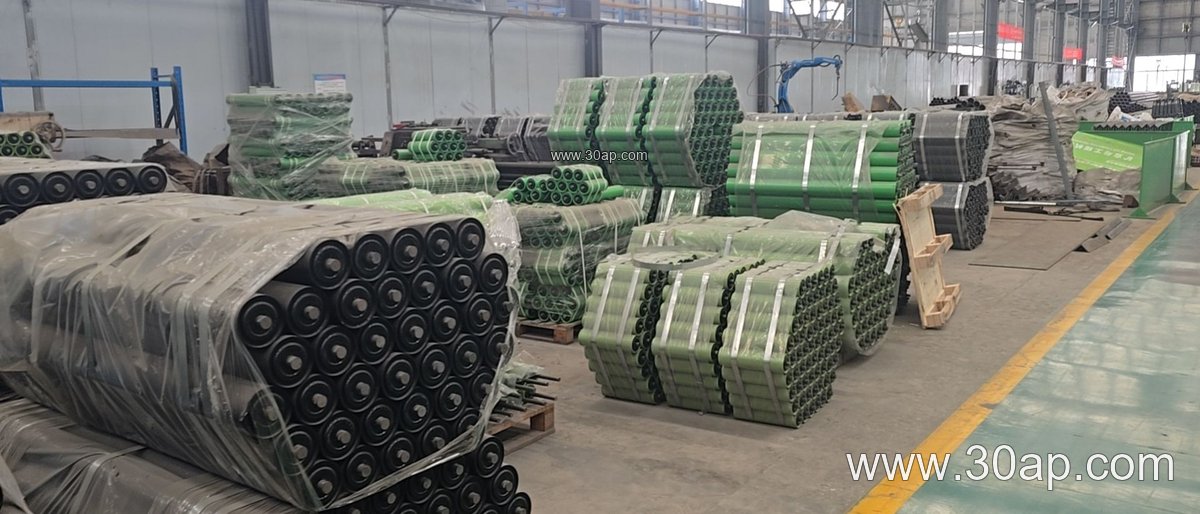
Bearing selection is matched to the roller diameter and load. Common bearings in conveyor idlers include 6204, 6205, 6305, 6306, 6308, and 6310. A given roller diameter can be supplied with different bearing sizes depending on the load rating, so the bearing number should not be read as a fixed match to one roller diameter. The roller shell is usually steel tube, and the shaft is secured with a press-fit or a retaining ring. For abrasive cargo, the shell may be fitted with a rubber ring or a ceramic cover, but the labyrinth seal remains the primary defense at the bearing.
Where It Fits in a Conveyor
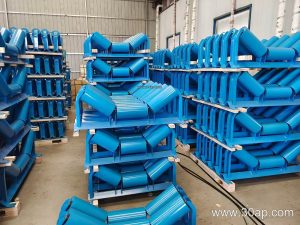
Labyrinth-sealed idlers are common in cement plants, power plant coal handling, quarry and aggregate lines, and iron ore or copper ore operations. They suit both the carrying run and the return run. On the carrying side, a three-roll troughing set with 20, 30, 35, or 45 degree trough angle keeps the conveyor belt in a stable profile. On the return side, a flat or V-return idler supports the empty belt. In a coal mining conveyor belt or an underground mining conveyor belt, the sealed idler helps to reduce maintenance stops caused by seized bearings.
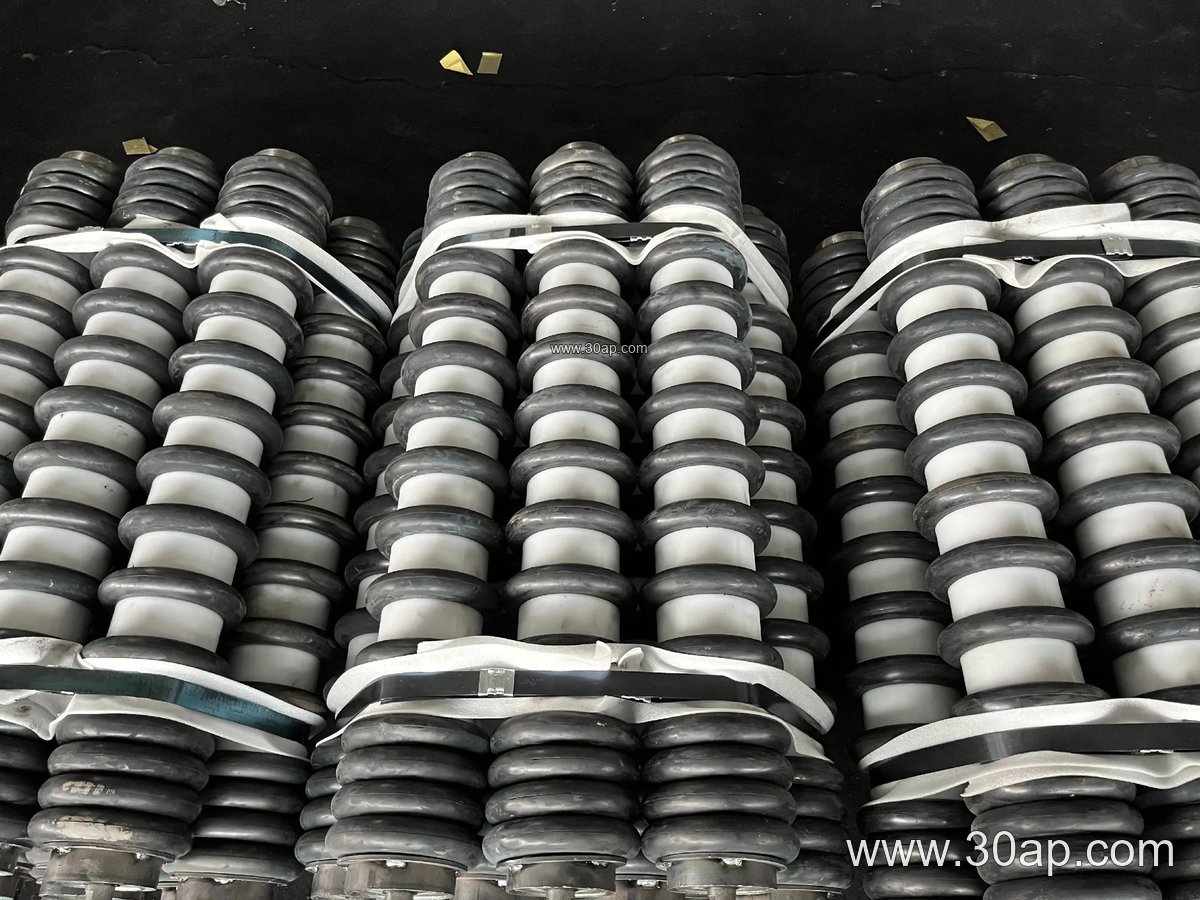
The idler also works with the conveyor bracket and the conveyor pulley to keep the belt tracking correctly. A troughing idler with a slight forward tilt of about 1.5 to 2 degrees can assist alignment, while a friction self-aligning idler is used where belt wander is a concern. The labyrinth seal does not change the belt tracking function; it only protects the bearing from the environment.
Common Sizes and Configurations
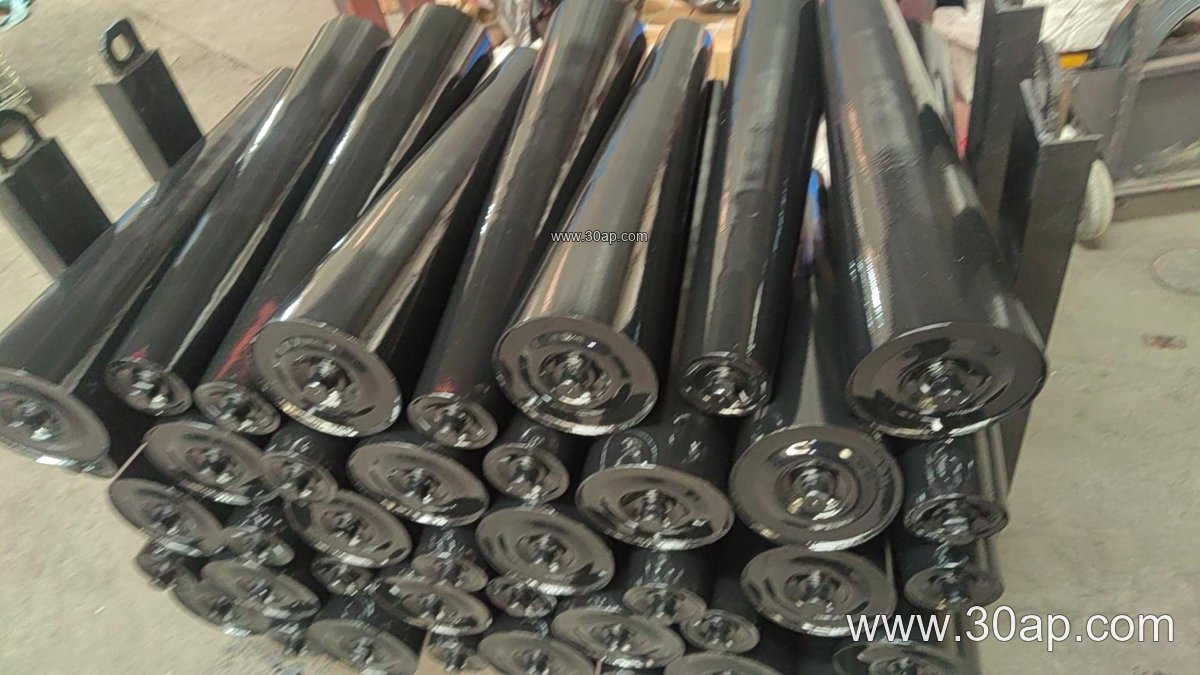
The table below gives typical reference ranges for labyrinth-sealed idlers. These are common examples, not fixed combinations, and final dimensions are determined by the conveyor design, belt width, and load.
| Parameter | Common reference values |
|---|---|
| Roller diameter | Ø63, Ø76, Ø89, Ø102, Ø108, Ø127, Ø133, Ø159, Ø178, Ø194, Ø219 mm |
| Belt width | B400, B500, B650, B800, B1000, B1200, B1400, B1600, B1800, B2000, B2200, B2400 |
| Trough angle | 20, 30, 35, 45 degrees |
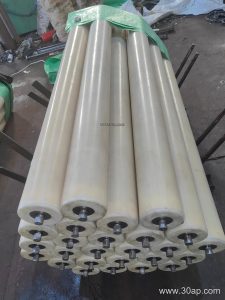
| Roller surface | Steel tube, nylon, ceramic, rubber ring |
| Bearing | 6204, 6205, 6305, 6306, 6308, 6310 |
| Roller length (three-roll troughing, example) | B500 about 200 mm, B650 about 250 mm, B800 about 315 mm, B1000 about 380 mm, B1200 about 465 mm, B1400 about 530 mm, B1600 about 600 mm, B1800 about 670 mm, B2000 about 750 mm |
These values are indicative only. Side rollers and center rollers can differ in length, and a wide conveyor belt may use a different roll arrangement. A 1200mm wide conveyor belt does not automatically dictate one specific shaft diameter; the shaft is sized from the load and the bearing housing, not from belt width alone.
Selection and Maintenance Notes
When choosing a labyrinth-sealed idler, match the roller diameter and bearing to the belt speed and load. For heavy-duty mining conveyor belt duty, a larger roller diameter such as Ø133 or Ø159 mm may be preferred to reduce rotation speed and extend bearing life. For a cement conveyor belt or a power plant conveyor belt with fine dust, the seal quality matters more than the shell thickness. In a quarry conveyor belt or crusher conveyor belt, impact idlers with rubber rings are often used at the loading point, while labyrinth-sealed troughing idlers carry the belt further along.
Inspection should focus on seal condition, bearing temperature, and roller rotation. A damaged end cap or a worn labyrinth groove can let grit in, and the bearing will fail soon after. Replacing a single seized idler early is cheaper than allowing it to damage the conveyor belt. Keep spare idlers in the common diameters used on the site, and record the bearing numbers so that replacements match the original load rating.
For buyers working with EP conveyor belt, steel cord conveyor belt, or flame retardant conveyor belt systems, the labyrinth-sealed idler is a low-maintenance support component rather than a power transmission part. It should be specified together with the conveyor bracket and conveyor pulley layout so that the entire conveyor line is consistent.