What a Conveyor Bracket Really Does
A conveyor bracket is the steel support that holds idlers in the correct position under and around the belt. Buyers often call it a conveyor idler bracket or idler support frame, and both names refer to the same structural item. It carries the weight of the belt and the material, keeps the trough shape stable, and transfers load into the conveyor stringer or frame. In a quarry, a cement plant, or a power plant coal yard, a weak bracket shows up quickly as misalignment, belt wander, and premature idler failure.
The bracket is not a wear part in the same sense as a conveyor belt, but it decides how well the belt and the idlers work together. A poorly matched bracket can shorten idler life and put extra stress on the belt edge, especially on a heavy-duty mining conveyor belt carrying abrasive rock.
Construction and Common Forms
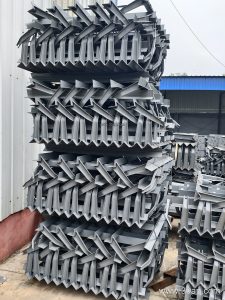
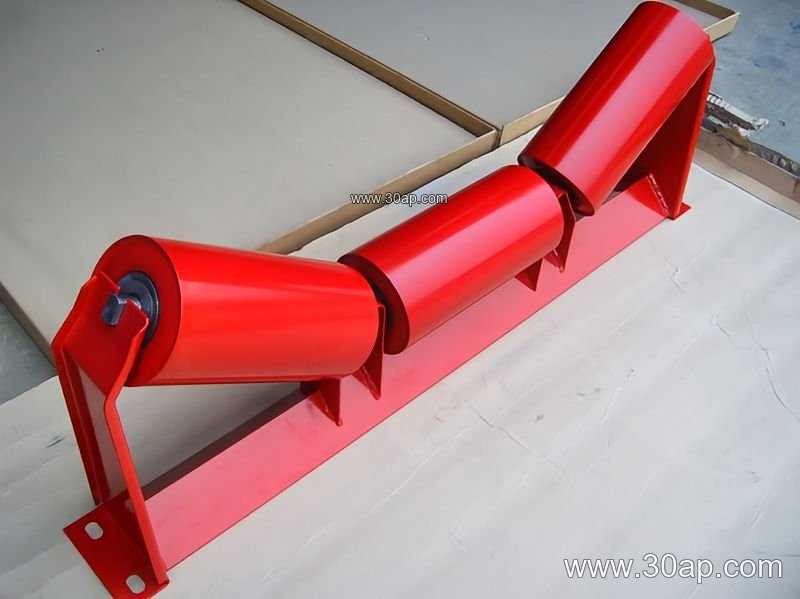
Most brackets are fabricated from angle steel, channel steel, or folded steel plate, then drilled for idler shafts and frame bolts. A simple troughing bracket holds three idlers at a fixed angle. Other forms serve different positions along the conveyor:
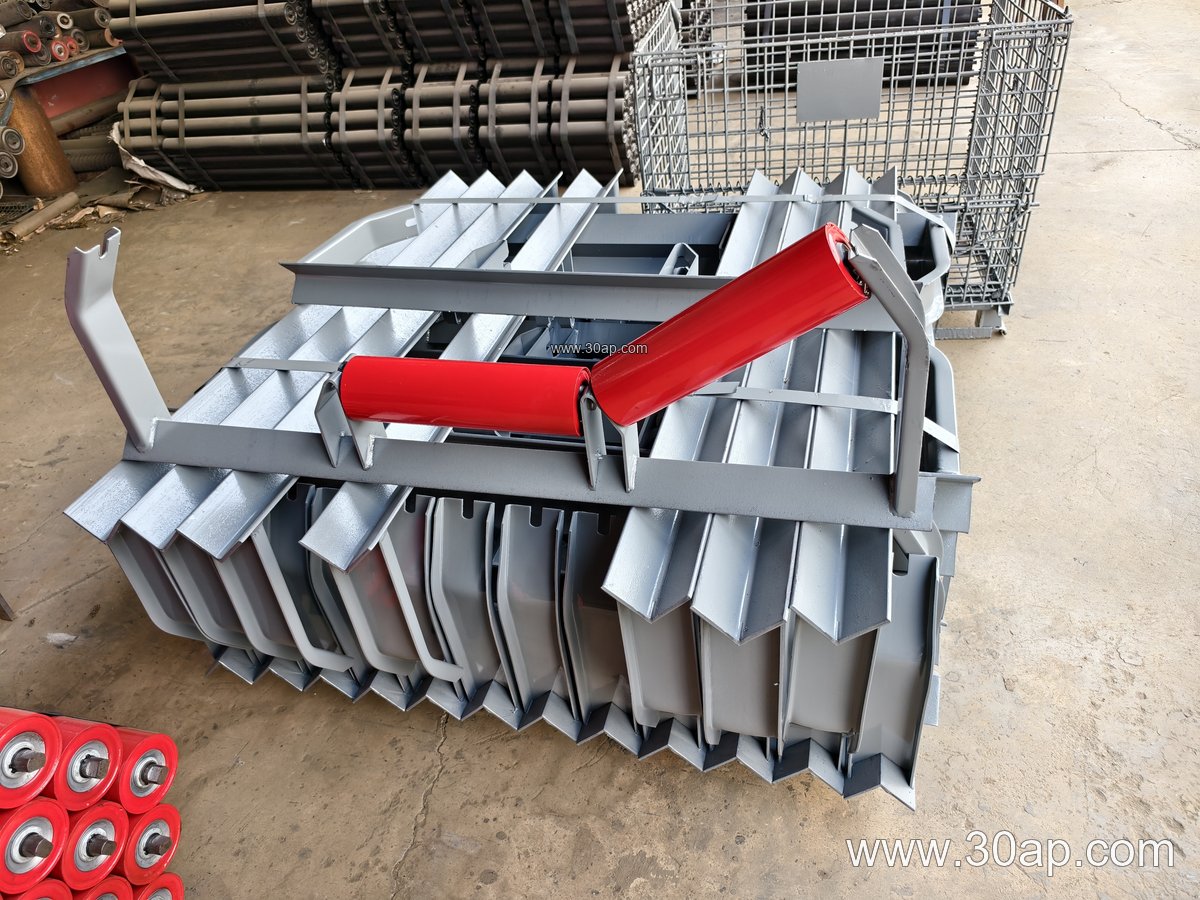
- Troughing and upper brackets for the carrying side
- Return and V-return brackets for the empty side
- Impact brackets under loading points
- Self-aligning and forward-leaning brackets for tracking control
- Transition, suspended, and adjustable brackets for special geometry
Fixed brackets are welded or bolted at one angle. Adjustable brackets let maintenance teams change the trough angle within a range, which helps when a conveyor is converted or when belt training needs fine tuning. Do not confuse a bend pulley with a drive or tail pulley when discussing bracket layout; each pulley has its own mounting arrangement, and the bracket only supports idlers.
Matching Bracket, Belt, and Idler
Selection starts with belt width, trough angle, and idler diameter. Common belt widths run from B500 to B2200, though not every width suits every plant. Typical trough angles are 20, 30, 35, and 45 degrees, and forward-leaning brackets often use about 1.5 to 2 degrees of tilt. Idler diameters such as Ø89, Ø108, Ø133, Ø159, and Ø194 appear across light and heavy duty frames.
| Item | Common Reference |
|---|---|
| Belt width | B650, B800, B1000, B1200, B1400, B1600 |
| Trough angle | 20°, 30°, 35°, 45° |
| Idler diameter | Ø89, Ø108, Ø133, Ø159 |
| Material | Angle steel, channel steel, folded plate |
Installation hole spacing and crossbeam length change with belt width and trough angle, so they should be confirmed by design rather than assumed. There is no rule that one belt width can only use one pulley diameter or one trough angle. For example, a B800 frame at 35 degrees with Ø108 idlers is a common combination, but a B1200 frame at 45 degrees with Ø133 idlers is equally normal where the belt and load call for it.
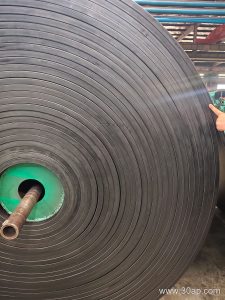
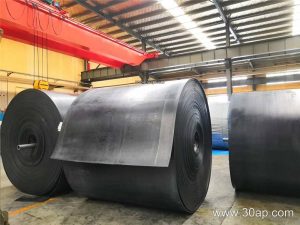
On the belt side, the choice of rubber conveyor belt, EP conveyor belt, or steel cord conveyor belt affects the load the bracket must carry. An abrasion resistant conveyor belt on a crusher discharge may need impact brackets and a sturdier frame than a fabric core conveyor belt on a lighter duty line.
Where These Frames Are Used
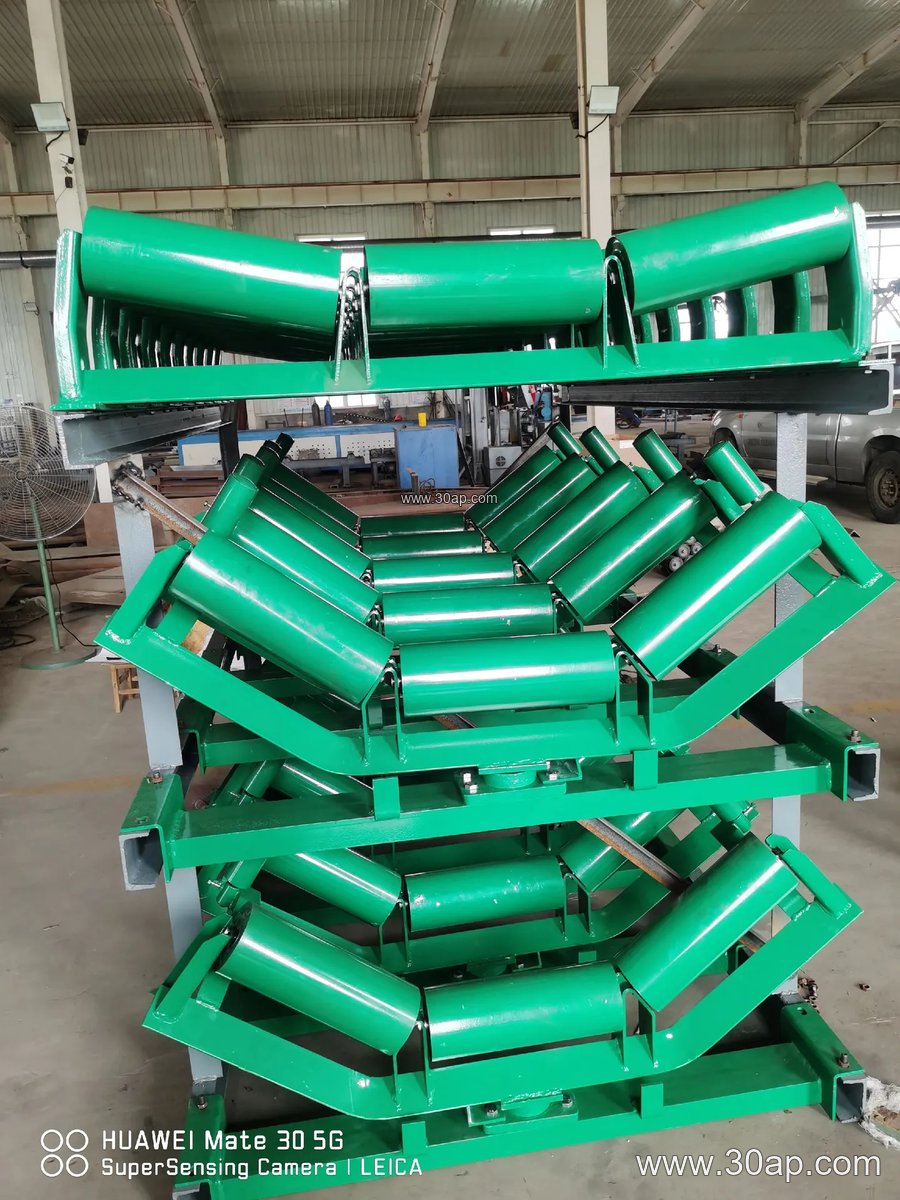
You will find conveyor brackets in limestone mines, iron ore plants, coal washing plants, aggregate crushing and screening lines, cement plants, and power station coal handling systems. In a sand and gravel line, brackets at the transfer point take repeated impact from large stone. In a fertilizer or grain silo facility, corrosion resistance and clean surfaces matter more than extreme strength. A tunnel spoil conveyor may need compact frames that fit tight spaces.
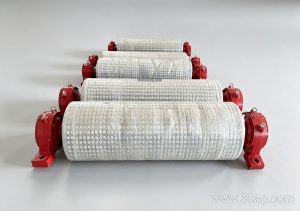
Plants often buy brackets together with conveyor pulleys, idler rollers, and the conveyor belt itself, so the frame drawing should match the pulley and idler supplier’s dimensions. Buying from one coordinated source reduces the risk of bolt holes that do not line up on site.
Procurement Checklist
- Confirm belt width, trough angle, and idler diameter before quoting.
- State the mounting method: bolted to stringer, welded, or suspended.
- Ask for material thickness and surface treatment.
- Check whether fixed or adjustable frames are required.
- Request drawings showing hole spacing and crossbeam length.
- Match brackets to the actual conveyor pulley and idler layout.
Accurate drawings and clear specifications make conveyor bracket procurement straightforward, and they keep the whole belt line running with fewer surprises after installation.