What a Fixed Conveyor Bracket Does on the Line
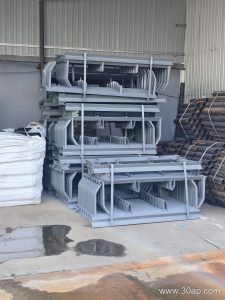
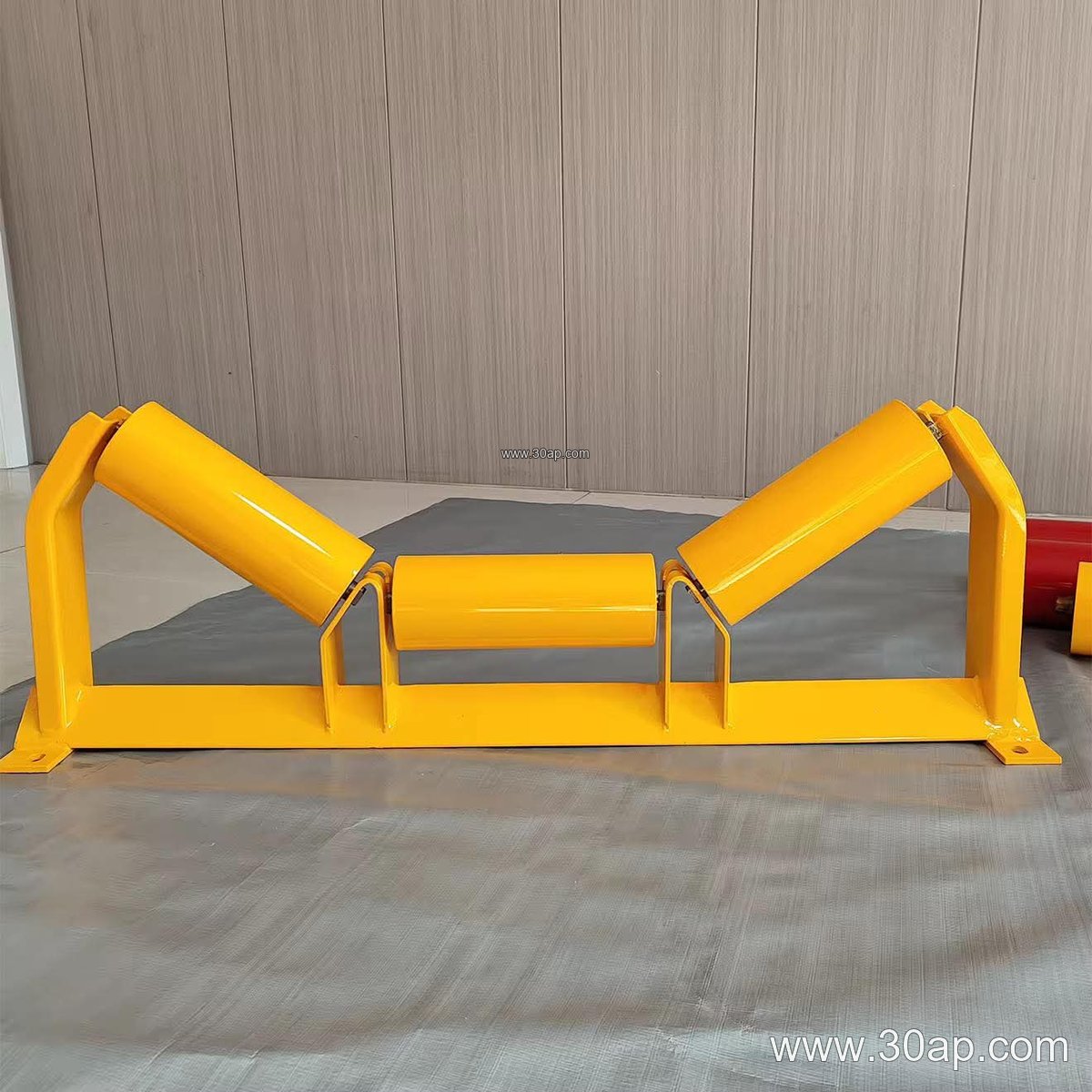
A fixed conveyor bracket is the welded or bolted frame that holds the carrying-side idlers at a set trough angle. Once installed, its geometry does not change: the rollers sit at the angle built into the frame, and the belt keeps that profile along the whole section. This is the practical difference from an adjustable bracket, where the same frame can be re-set between common trough angles during commissioning or when the duty changes.
In a quarry, a cement plant or a power plant coal yard, the bracket is usually the least visible part of the conveyor, yet it decides how well the belt is supported between the head and tail. A poorly aligned frame shows up quickly as edge wear, spillage and a wandering belt.
How the Frame Is Built
Most fixed brackets are fabricated from angle steel, channel steel or folded steel plate. The cross beam carries the mounting pads or slots for the idlers, and two end brackets bolt the assembly to the conveyor stringer. On wider belts the frame often includes a center roller position plus two side positions, so the trough is formed by three idlers rather than one long roller.
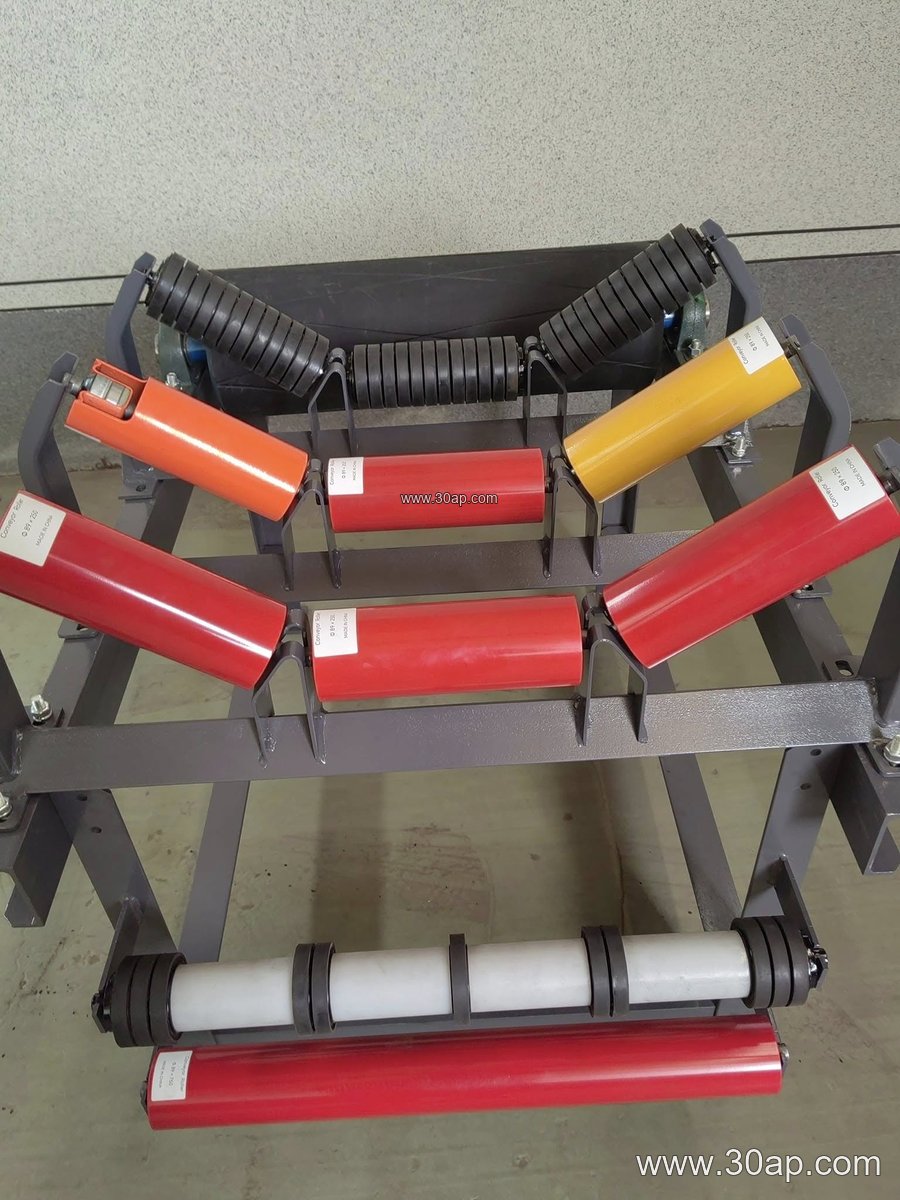
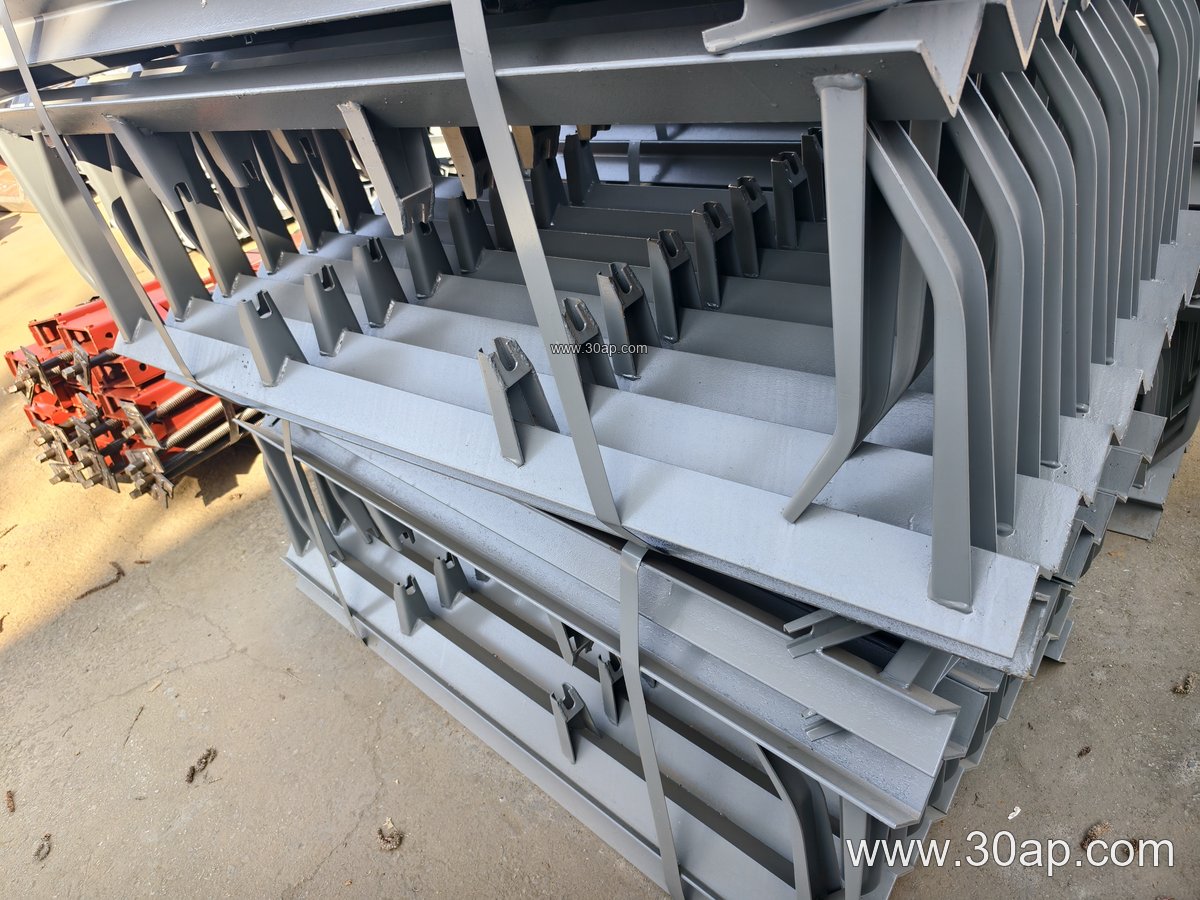
Fabrication quality matters more than the steel grade alone. The mounting faces should be square to the beam, hole spacing must match the idler shaft ends, and the finished frame should sit flat on the stringers without shims. Galvanized or painted finishes are common where dust and moisture are present, such as washdown areas in a sand and gravel line or a fertilizer handling shed.
Trough Angle, Belt Width and Roller Diameter
These three values are chosen together, not copied from a single rule. A 20 degree trough suits some flat-running belts, while 35 degree and 45 degree frames are common where a deeper trough and higher capacity are wanted. The belt width and the idler diameter then follow the conveyor design, the lump size and the belt tension.
The table below shows typical reference combinations, not mandatory matches. Any belt width may be paired with different trough angles or roller diameters depending on the conveyor layout.
| Belt width | Trough angle | Roller diameter | Typical setting |
|---|---|---|---|
| B500 | 20 to 30 degrees | Ø89 | Small aggregate lines |
| B650 | 30 degrees | Ø89 or Ø108 | Crusher discharge, screening |
| B800 | 35 degrees | Ø108 | General bulk material duty |
| B1000 | 35 to 45 degrees | Ø108 or Ø133 | Coal and ore transfer |
| B1200 | 35 to 45 degrees | Ø133 | Heavy-duty mining conveyor |
| B1400 to B1600 | 35 to 45 degrees | Ø133 or Ø159 | Port and steel plant lines |
| B1800 to B2000 | 35 to 45 degrees | Ø159 or Ø194 | High capacity trunk conveyors |
Mounting hole spacing and cross beam length change with belt width and trough angle, so they are confirmed against the idler drawing rather than assumed from the table.
Where Fixed Frames Fit Best
Fixed brackets are the normal choice for long, steady runs where the belt profile does not need to change: a limestone mine haulage section, an iron ore stockyard, a tunnel muck conveyor or a grain silo feed line. They are simple to install, hold alignment well, and cost less to maintain than adjustable designs because there are fewer moving parts.
Adjustable brackets are worth considering at transition zones, at the loading point, or where a conveyor may later be re-rated. On the main run, a fixed design is usually enough. Around the loading area, impact frames and buffer idler positions protect both the belt and the bracket from falling lumps, and a heavy abrasion resistant conveyor belt or impact resistant conveyor belt is often specified in the same section.
Working With the Belt and Idlers
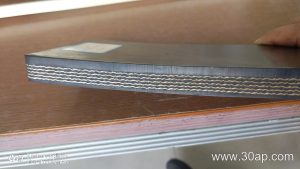
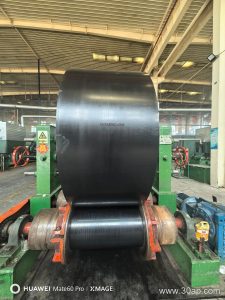
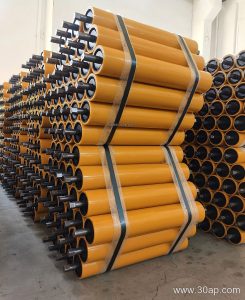
A fixed conveyor bracket only performs well when the whole set is matched. Idler rollers should spin freely and sit at the same height across the frame; a single high roller will lift the belt and start edge tracking problems. The belt itself should be checked for correct tension and square ends, especially with an endless conveyor belt or a spliced fabric core belt.
In dusty or wet conditions, self-cleaning V-return brackets and well-sealed rollers reduce buildup under the belt. On inclined haulage, a chevron conveyor belt or corrugated sidewall conveyor belt changes the way material sits in the trough, so the bracket angle and roller spacing are checked against the belt manufacturer’s data. Where fire safety matters, as in an underground coal mining conveyor, flame retardant conveyor belt and anti-static conveyor belt grades are used together with correctly earthed frames.
Buyer Checklist
- Confirm belt width, trough angle and roller diameter as a set, and ask for the frame drawing.
- Check mounting hole spacing and beam length against the actual idler shafts.
- State the environment: washdown, dust, heat or cold, so the finish and material suit it.
- Decide whether the position truly needs a fixed frame or an adjustable one.
- Keep spare frames for the loading zone, where damage is most likely.
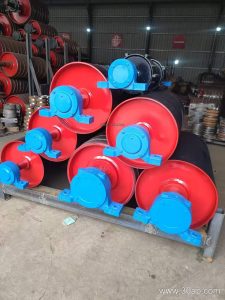
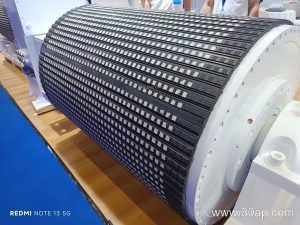
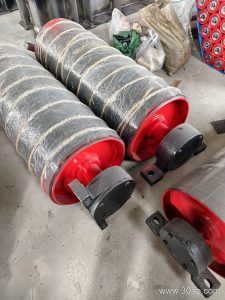
For matching components, buyers often review the conveyor pulley and idler roller drawings together with the fixed bracket layout, so that the trough profile, pulley face width and belt width are consistent before the order is placed.