What a Conveyor Guide Idler Does
A conveyor guide idler is a small but decisive component in a belt conveyor system. Its job is to keep the conveyor belt centered as it travels, especially on long runs, inclined sections, and curves where misalignment tends to appear. In practice, a guide idler is a rotating roller mounted on a bracket at an angle to the belt edge, gently steering the belt back toward the middle of the frame. It is not a drive pulley, nor a tail or bend pulley; those components transmit power and change belt direction, while the guide idler performs a corrective, guiding function.
Because a drifting belt can spill material, damage edges, and wear out a conveyor pulley or idler roller prematurely, plants in quarrying, coal washing, cement, power generation, and aggregate production often fit guide idlers at transfer points and along critical spans. A well-positioned guide idler reduces edge contact with the structure and extends the service life of the whole belt line, whether it carries an EP conveyor belt or a heavy steel cord conveyor belt.
Construction and Common Forms
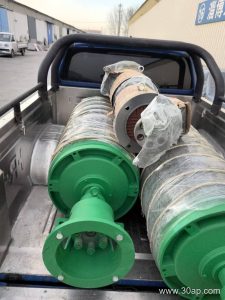
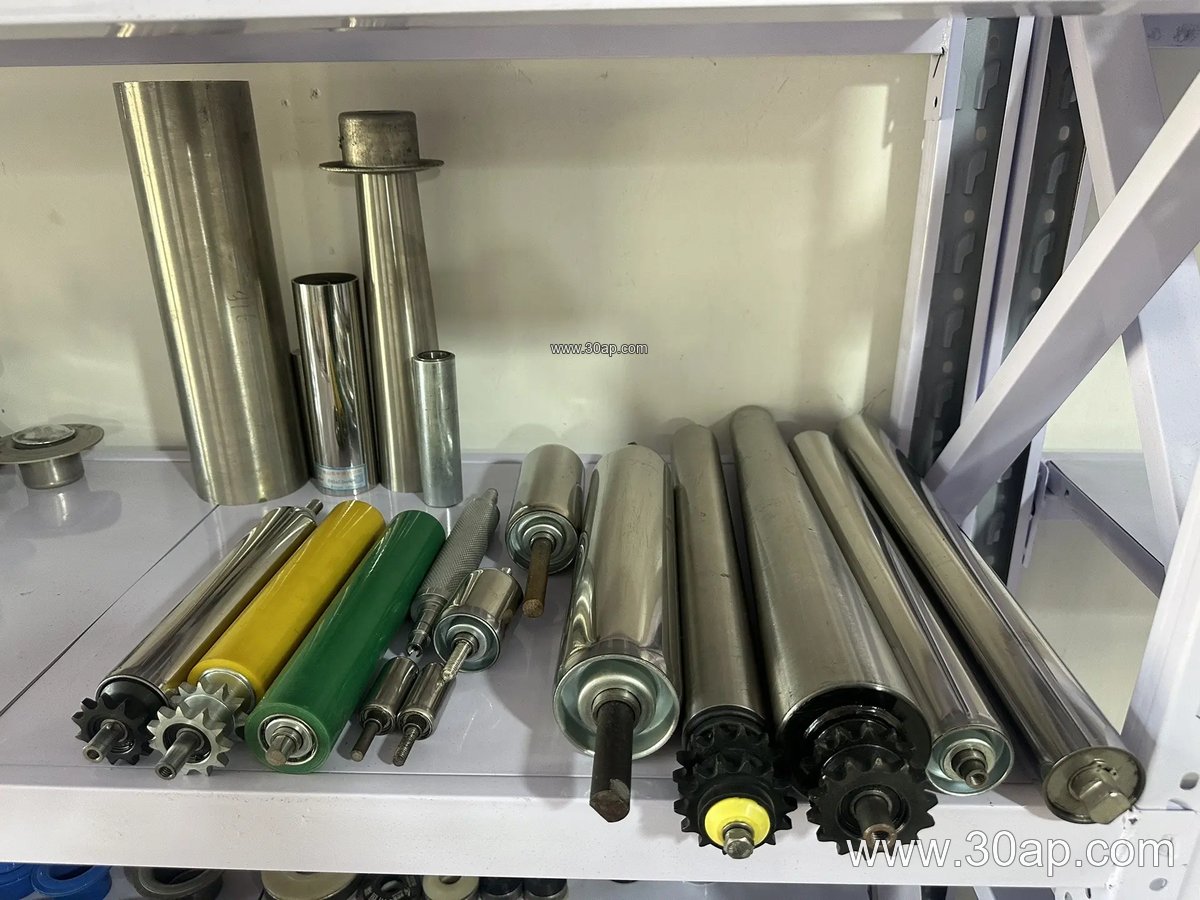
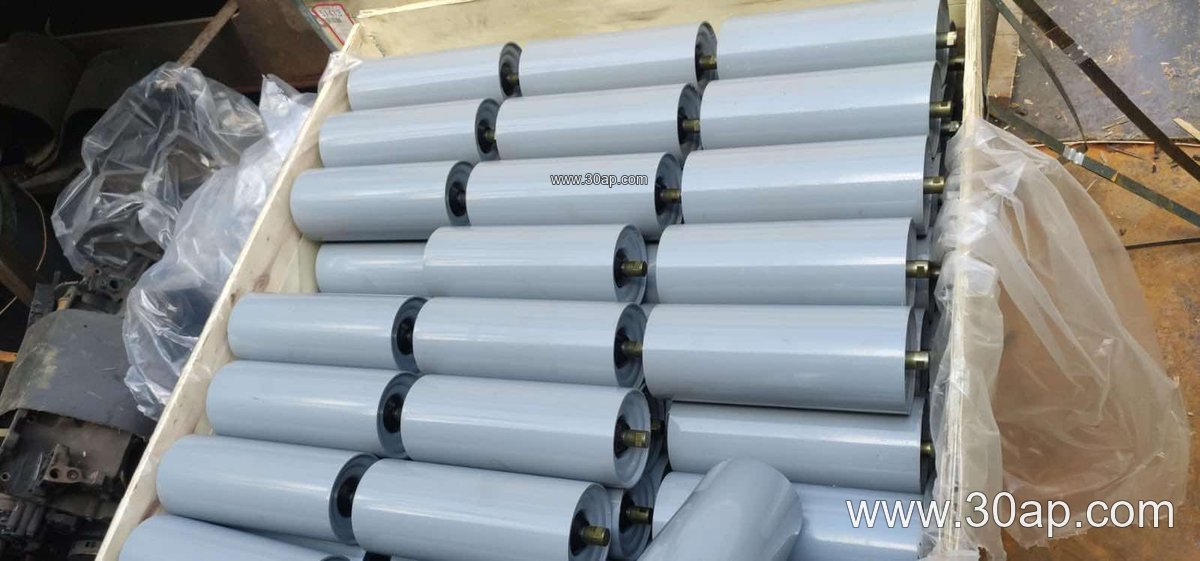
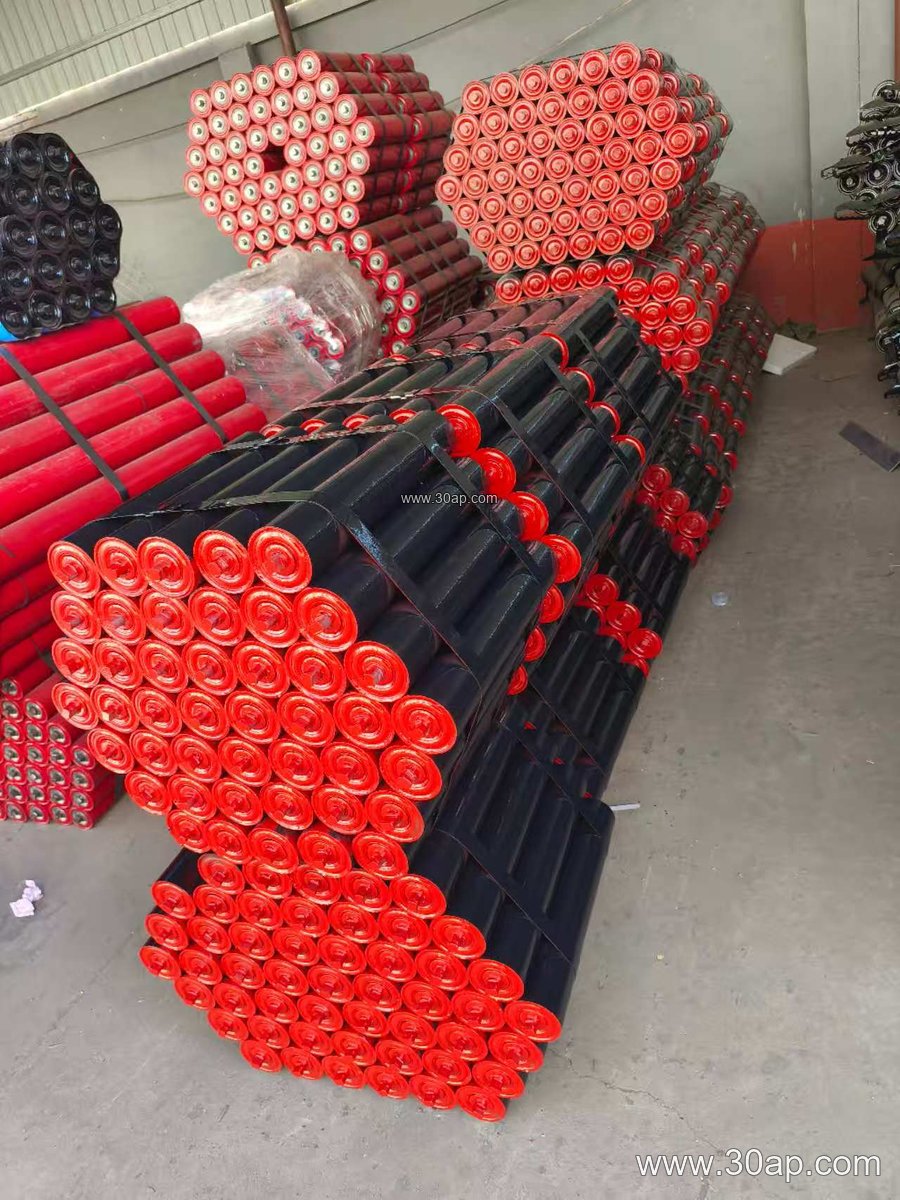
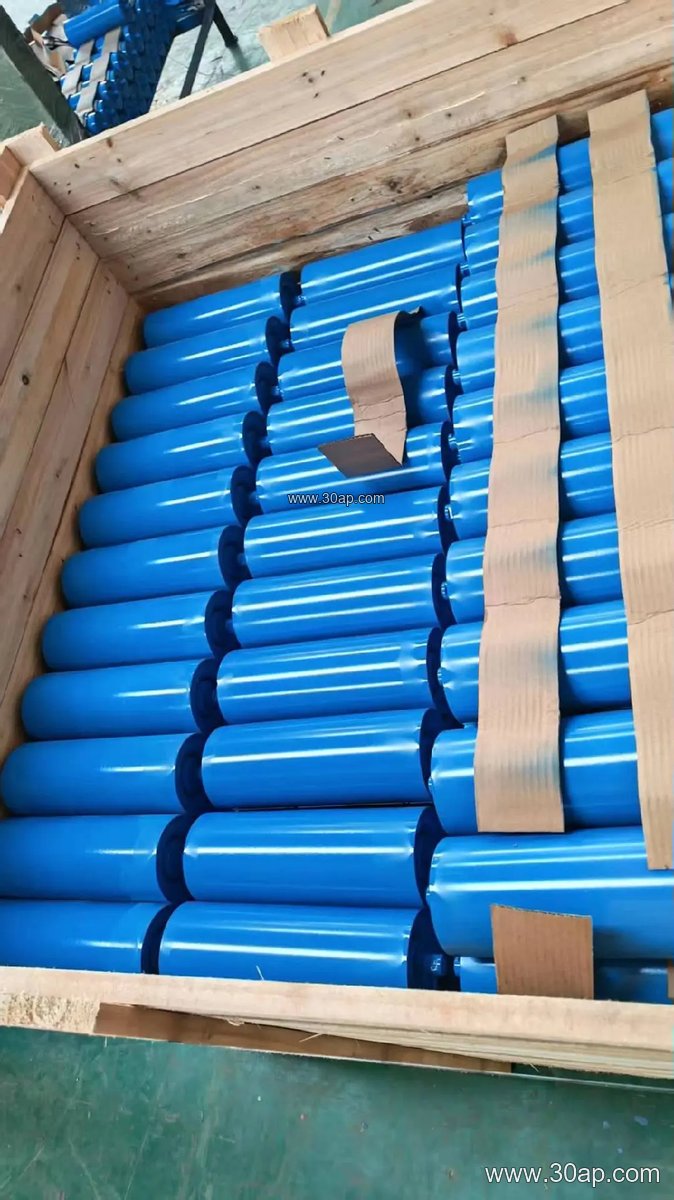
Most guide idlers share the basic anatomy of other idlers: a steel shell, a shaft, bearing housings, and seals. The shell may be plain steel, nylon-coated, or fitted with a rubber ring for gentler contact. Bearings such as 6204, 6205, 6305, 6306, 6308, or 6310 are commonly selected according to load and roller diameter, not tied rigidly to one size. Roller diameters often fall in the range of Ø63, Ø76, Ø89, Ø102, Ø108, Ø127, Ø133, Ø159, and larger, while roller length depends on belt width, trough angle, and the idler arrangement.
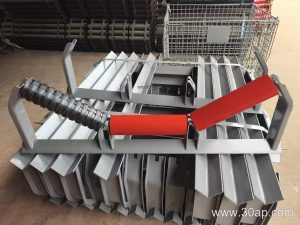
The guide function is usually achieved through a vertical or angled roller set that contacts the belt edge. Some designs use a pair of rollers forming a V shape; others use a single inclined roller with an adjustable bracket. A friction-type self-aligning guide can also be found, where the roller turns slightly when the belt pushes against it, nudging the belt back on track. These forms differ from troughing idlers, impact idlers, and return rollers, which support the belt rather than steer it.
| Parameter | Typical reference values |
|---|---|
| Roller diameter | Ø63, Ø76, Ø89, Ø102, Ø108, Ø127, Ø133, Ø159 mm |
| Belt width | B400, B500, B650, B800, B1000, B1200, B1400, B1600, B1800, B2000 mm |
| Bearing options | 6204, 6205, 6305, 6306, 6308, 6310 |
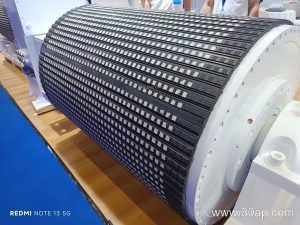
| Surface form | Steel, nylon, ceramic, rubber ring |
| Mounting | Adjustable conveyor bracket, fixed frame |
These figures are reference data for selection discussion; actual dimensions should follow the conveyor design and the supplier’s confirmed drawing.
Where the Guide Idler Fits in the Line
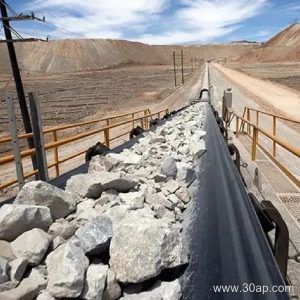
In a typical aggregate or ore handling circuit, the belt may run from a crusher discharge to a screening station. A guide idler is often placed just after the loading point, where off-center material can push the belt sideways, and again before a conveyor pulley at the head end. In a coal mining conveyor or underground coal mining conveyor, space is tight and belt wander is risky, so compact guide idlers with sealed bearings are valued. In cement plants and power plant coal yards, dust and fine particles demand good sealing; a worn seal lets grit into the bearing and shortens roller life.
The guide idler is not a substitute for proper belt training. It works best when the belt is spliced square, the frame is level, and the loading is centered. When a conveyor belt is badly mistracked, the cause may be a seized idler roller, a buildup of material on a pulley, or an uneven conveyor bracket, and a guide idler alone cannot correct that.
Buyer Checklist
- Confirm belt width and the intended mounting position; guide idlers are often specified for B650, B800, B1000, or B1200 lines, but the exact roller length must match the frame.
- Match roller diameter and bearing size to the load and speed, not to a single fixed rule. A larger diameter does not automatically fit every belt width.
- Choose the surface form for the duty: rubber ring for edge protection, nylon or ceramic where wear is severe.
- Check seal quality and bearing clearance, especially for dusty quarry, cement, and coal handling service.
- Ask for the bracket adjustment range so the guide angle can be set on site.
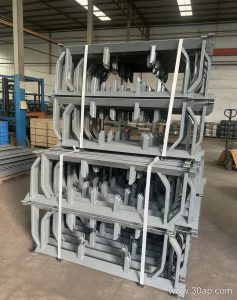
- Review the whole conveyor layout with the supplier, including troughing idlers, return rollers, and the conveyor pulley arrangement, so the guide idler is placed where it can actually help.
For a plant handling abrasive rock, a heat resistant conveyor belt or abrasion resistant conveyor belt may be part of the same upgrade, but the guide idler selection still depends on belt width, frame geometry, and the tracking problem being solved. Buyers should treat catalogue values as a starting point and confirm final dimensions against the conveyor drawing.