What a Mining Flame Retardant Conveyor Belt Is
A mining flame retardant conveyor belt is a heavy-duty rubber belt engineered to resist ignition and limit flame spread in underground and surface material handling. It is often specified under the shorter names flame retardant conveyor belt or fire resistant conveyor belt, and it belongs to the same product family as an anti-static conveyor belt, since both address safety in dusty, potentially explosive atmospheres. In coal mines, cement plants, power stations, and quarry operations, this belt carries coal, ore, limestone, clinker, and aggregate with a reduced risk of fire propagation.
The flame retardant property does not replace abrasion resistance or tensile strength. A well-designed belt combines all three, which is why buyers should compare cover grade, carcass construction, and safety performance together rather than looking at one label alone.
Construction and Internal Build
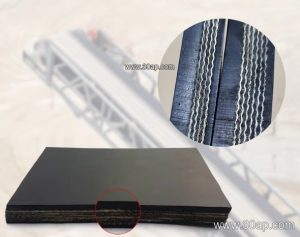
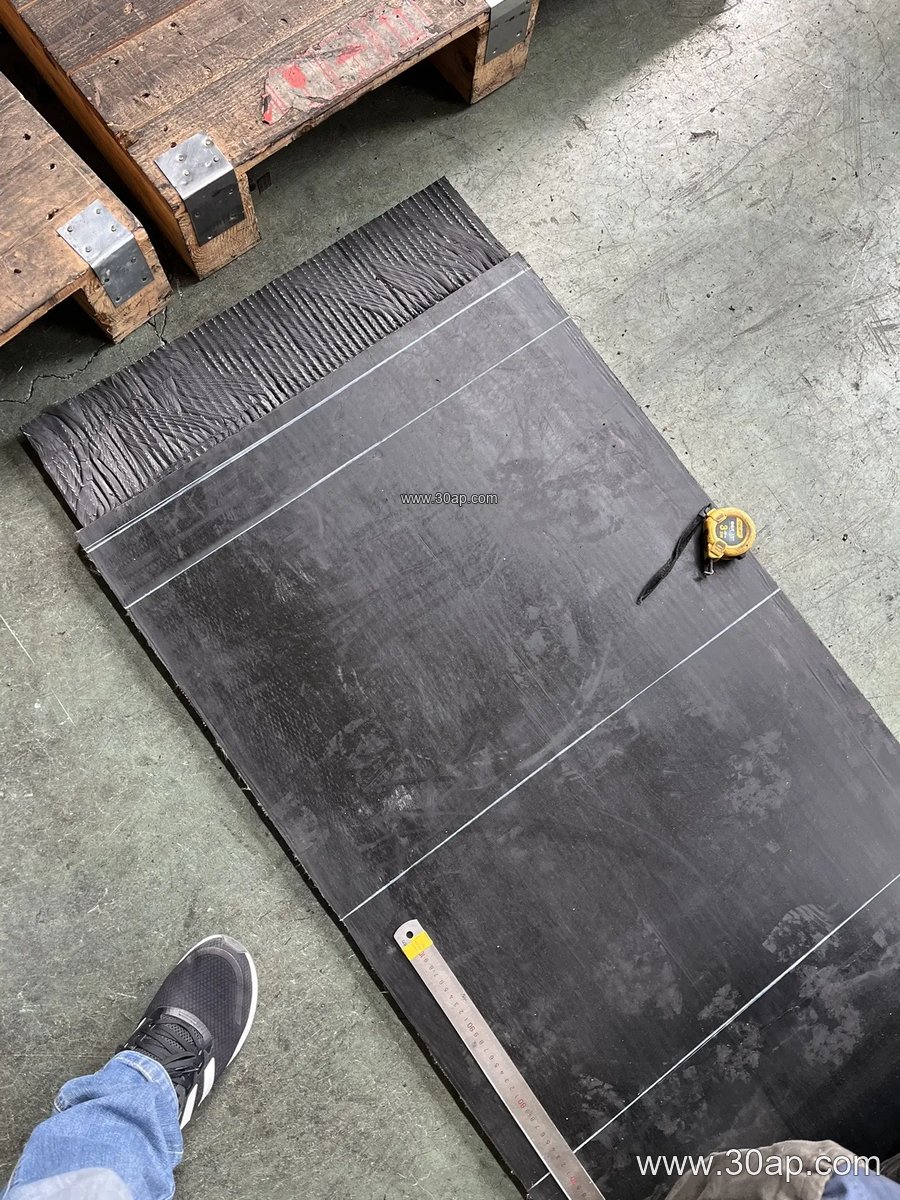
Most belts in this category use a fabric core. The carcass may be EP fabric (polyester warp, nylon weft) or NN fabric (nylon warp and weft), bonded with rubber and protected by top and bottom covers. A multi-ply fabric core conveyor belt is common in mining duty, with 2 to 6 plies typically used depending on load and pulley spacing. For very high tension or long overland lines, a steel cord conveyor belt may be selected, but the flame retardant grade must still be confirmed for the specific application.
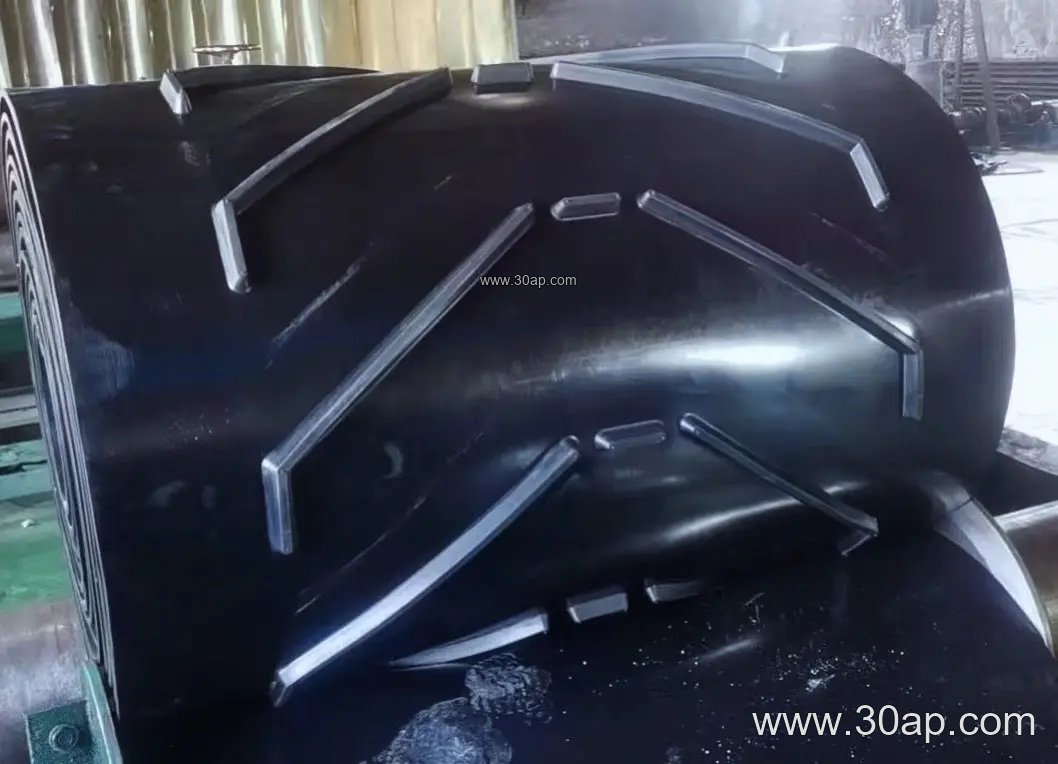
Cover rubber usually contains flame retardant additives and anti-static compounds. Common cover thickness combinations include 3+1.5 mm, 4+2 mm, 5+2 mm, 6+2 mm, and 8+3 mm. Thicker covers suit high abrasion and impact zones such as crusher discharge points. The belt edge, splice area, and cover quality all influence service life, so a smooth, well-vulcanized edge is worth checking.
Typical Strength Grades and Dimensions
Fabric core belts are often specified by strength grade. EP200, EP315, EP400, EP500, EP630, EP800, EP1000, and higher grades such as EP1250 and EP1600 appear in mining specifications. Widths commonly range from B500 and B650 up to B1200, B1400, B1600, B1800, and B2000. The table below shows reference data only; actual selection depends on conveyor design, material density, incline, and safety requirements.
| Parameter | Common Reference Values |
|---|---|
| Belt type | Mining flame retardant conveyor belt, fire resistant conveyor belt |
| Carcass | EP fabric, NN fabric, multi-ply fabric core |
| Strength grades | EP200, EP315, EP400, EP500, EP630, EP800, EP1000, EP1250, EP1600 |
| Belt width | B500, B650, B800, B1000, B1200, B1400, B1600, B1800, B2000 |
| Cover thickness | 3+1.5 mm, 4+2 mm, 5+2 mm, 6+2 mm, 8+3 mm |
| Ply count | Usually 2 to 6 plies, by design |
Width and strength are independent choices. A 1200 mm wide belt can be built in several strength grades, and no single belt width is tied to one pulley diameter. Drive pulleys, tail pulleys, and bend pulleys each perform a different function and should be sized from belt tension and wrap angle, not from width alone.
Where It Is Used
Underground coal mining conveyor systems are the most demanding application, where methane and coal dust make flame resistance essential. The same belt type also appears in cement plants handling clinker and raw meal, in power plant coal yards, in iron ore and copper ore handling, and in quarry and aggregate lines feeding crushers and screens. A quarry conveyor belt or crusher conveyor belt may use a flame retardant grade where local rules or fire risk justify it, even if the material itself is not combustible.
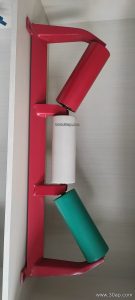
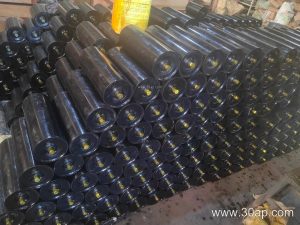
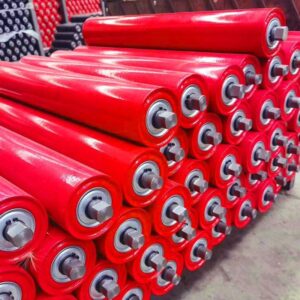
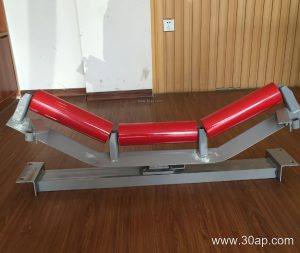
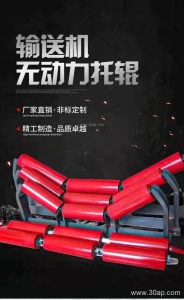
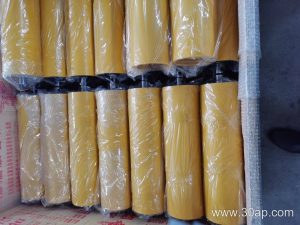
Supporting equipment matters as much as the belt. Idler rollers should turn freely, conveyor pulleys should be aligned, and conveyor brackets should hold frames square. A misaligned frame or a seized idler roller can damage the belt edge and create heat, which undermines any fire safety measure.
Buyer Checklist
- Confirm the required flame retardant and anti-static performance for the site, and ask for test documentation rather than relying on a product name.
- Match strength grade and ply count to the actual tension, not to a habit or a previous purchase.
- Choose cover thickness for abrasion, impact, and material size; a thicker cover is not automatically better for every pulley.
- Check whether the environment also needs oil resistance, heat resistance, or cold resistance, and specify it separately.
- Review splice method, edge condition, and storage conditions before installation.
For buyers sourcing from a supplier, it helps to describe the conveyor layout, material, throughput, and safety class in one brief. A supplier of conveyor belt, idler roller, and conveyor pulley can then propose a coherent package instead of a belt that fits only on paper.
Maintenance Notes
Keep the belt tracking straight, clean spillage from return idlers, and inspect covers for cuts and exposed fabric. Replace worn idler rollers promptly and check pulley lagging for smooth contact. Store spare belts flat and away from heat, and avoid sharp bends that crack the cover. With correct installation and routine inspection, a flame retardant belt can deliver reliable service in mines, cement works, power plants, and sand and gravel yards.