What a Metallurgical Conveyor Pulley Does
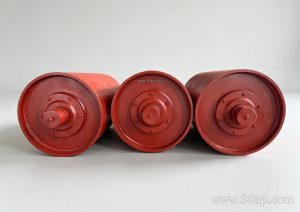
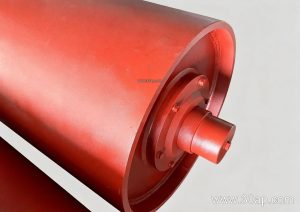
A metallurgical conveyor pulley is the rotating drum that drives, tensions, or redirects a conveyor belt in harsh mineral processing and metallurgical plants. In a sinter plant, a copper concentrator, or a limestone crushing circuit, this pulley must survive abrasive dust, heat, and continuous load. Unlike a standard conveyor pulley used in a warehouse, the metallurgical version is built for high torque and shock loading. Its role is simple but critical: transfer power from the drive shaft to the belt without slip, or hold the belt in alignment at the tail and bend positions.
Drive, Tail, and Bend Are Not Interchangeable
The drive pulley (also called the head pulley) is the powered drum at the discharge end. The tail pulley sits at the loading end and often carries a take-up function. A bend pulley changes belt direction without driving. Do not substitute one for another. For example, a bend pulley cannot replace a drive pulley because it lacks the lagging pattern and shaft design for torque transmission. Similarly, a tail pulley is not a drive pulley even if both look similar in diameter.
Construction and Surface Options
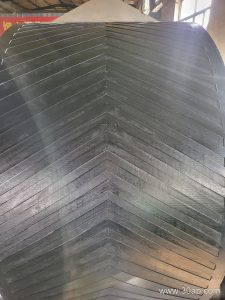
Most metallurgical conveyor pulleys use a welded steel shell with machined end discs and a through shaft or stub shafts. The shell thickness and shaft diameter are determined by torque and radial load, not by belt width alone. Common shaft diameters include Ø80, Ø100, Ø120, Ø140, and Ø160 mm, but final selection depends on the drive calculation. Surface lagging protects the belt and improves grip. Options include plain, hot-vulcanized rubber, cold-bonded rubber, diamond grooved, herringbone, and ceramic lagging. Lagging thickness is often 8, 10, 12, 15, or 20 mm. For a wet and muddy iron ore conveyor, ceramic lagging may be preferred; for a clean sinter feed line, diamond rubber can work well.
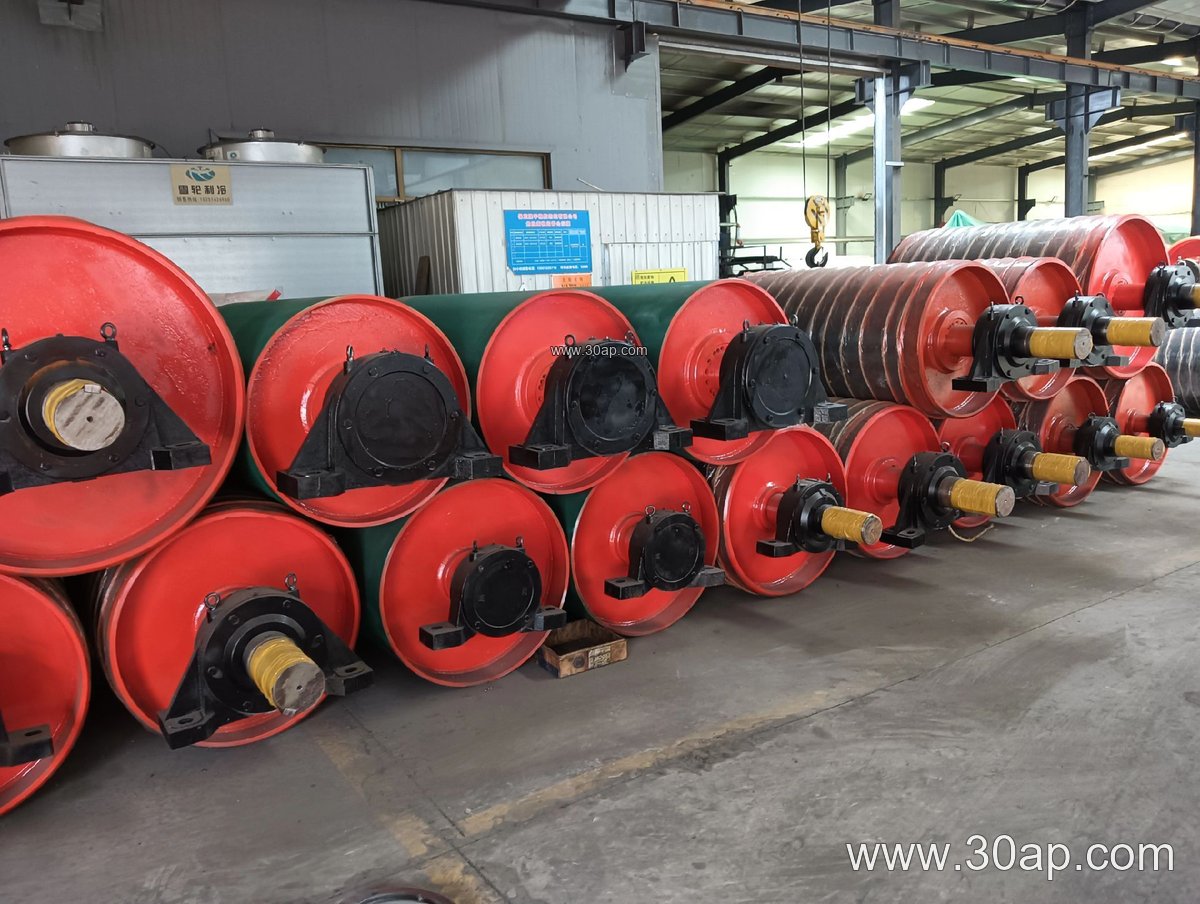
| Parameter | Common Reference |
|---|---|
| Belt width (B) | B650, B800, B1000, B1200, B1400, B1600 |
| Pulley diameter (Ø) | Ø400, Ø500, Ø630, Ø800, Ø1000, Ø1250 |
| Face width | Typically wider than belt, e.g. B800 around 950 mm, B1200 around 1400 mm |
| Lagging thickness | 8, 10, 12, 15, 20 mm |
| Shaft diameter | Ø50 to Ø200 mm, by design |
These values are reference data, not fixed universal specifications. A B1200 belt may work with a Ø800 or Ø1000 pulley depending on the conveyor profile and belt tension.
Where It Fits in the Plant
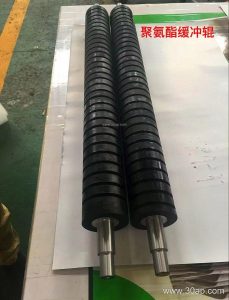
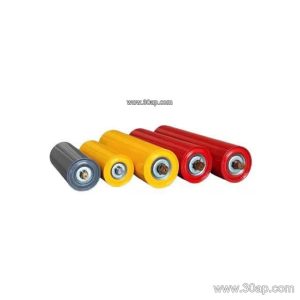
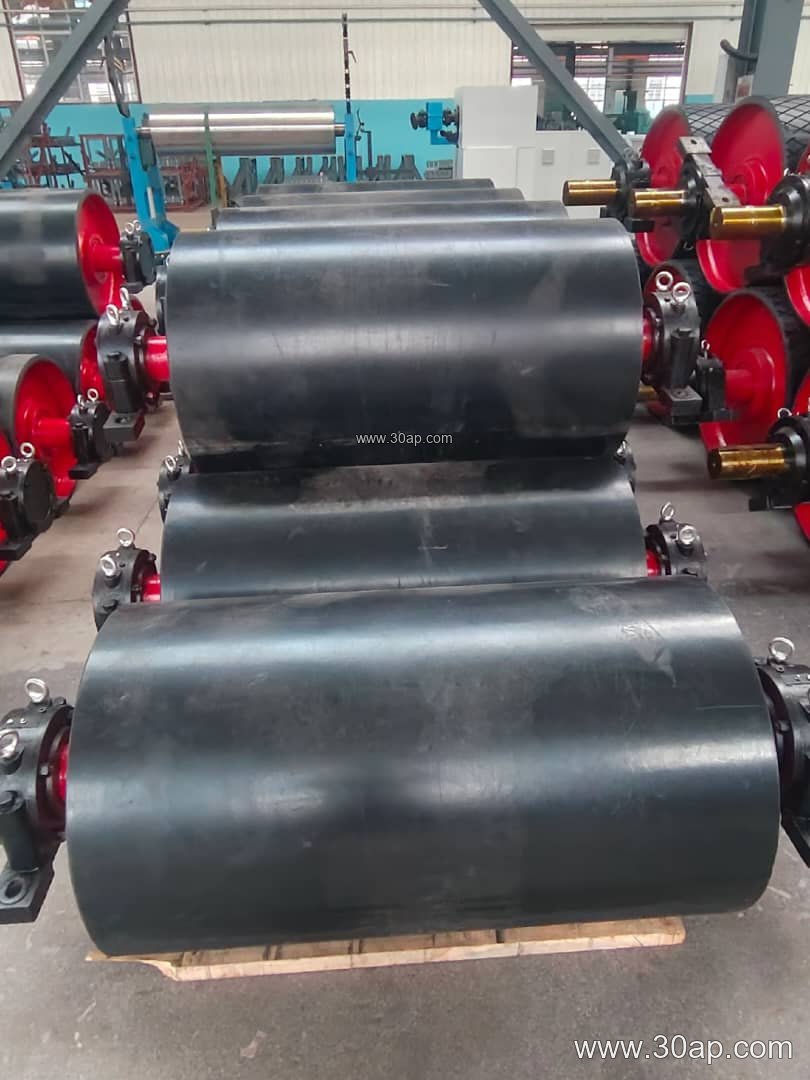
You will find a metallurgical conveyor pulley in copper ore handling, gold mining crusher feed, and sinter plant discharge lines. In a cement plant, the clinker cooler discharge conveyor often uses a drive pulley with heat-resistant lagging. In a coal washing plant, flame retardant and anti-static belts run over pulleys that must be grounded. The pulley works together with the conveyor belt, idler roller, and conveyor bracket. A misaligned bracket or worn idler can overload the pulley bearing, so alignment matters as much as the pulley itself.
Buyer Checklist
- Confirm the pulley position: drive, tail, bend, take-up, or snub. Each has different load and lagging needs.
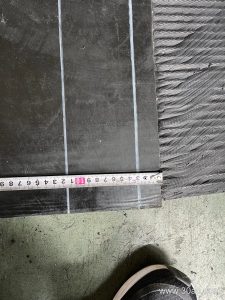
- Provide belt width, belt type (for example EP Conveyor Belt or Steel Cord Conveyor Belt), and maximum belt tension.
- Specify environmental conditions: wet, dusty, high temperature, or oil exposure. This affects lagging and bearing seals.
- Ask for the shaft diameter calculation based on torque, not a guess from belt width.
- Check face width and lagging thickness against the actual belt tracking requirements.
For a quarry conveyor belt or a heavy-duty mining conveyor belt, the pulley should be sized with the belt, not in isolation. A common mistake is to order a pulley by belt width only. Instead, share the conveyor layout, the belt specification, and the expected tonnage. Then the pulley manufacturer can propose a diameter and shaft that match the duty.
Maintenance Notes
Inspect lagging wear every shutdown. Worn diamond or herringbone grooves reduce grip and can cause belt slip, especially on a wet coal mining conveyor belt. Check bearing temperature and seal condition. For a metallurgical conveyor pulley in a dusty sinter plant, use sealed bearings and consider a ceramic lagging that resists abrasion. Keep the pulley face clean; buildup of fines can change the belt path and damage the edges. Finally, verify that the conveyor bracket bolts remain tight, because a loose bracket shifts the pulley axis and shortens bearing life.