Understanding the 650mm Conveyor Belt
A 650mm conveyor belt is a standard-width belt designed for continuous transport of bulk materials in industries such as mining, cement, power generation, and quarrying. The 650mm width (approximately 25.6 inches) offers a practical balance between load capacity and space efficiency, making it a common choice for primary and secondary conveying lines. This belt width is often paired with conveyor pulleys, idler rollers, and conveyor brackets sized to match the system’s tension and load requirements. Whether you are moving crushed stone, coal, or clinker, selecting the right belt construction is critical for uptime and safety.
Construction and Material Options
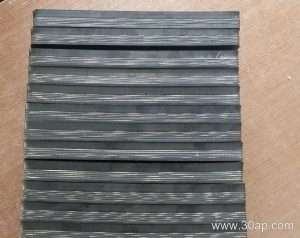
The 650mm conveyor belt is available in several constructions to suit different operating conditions. The carcass typically consists of fabric plies or steel cords, while the cover rubber compound is chosen based on the material being conveyed. Common options include:
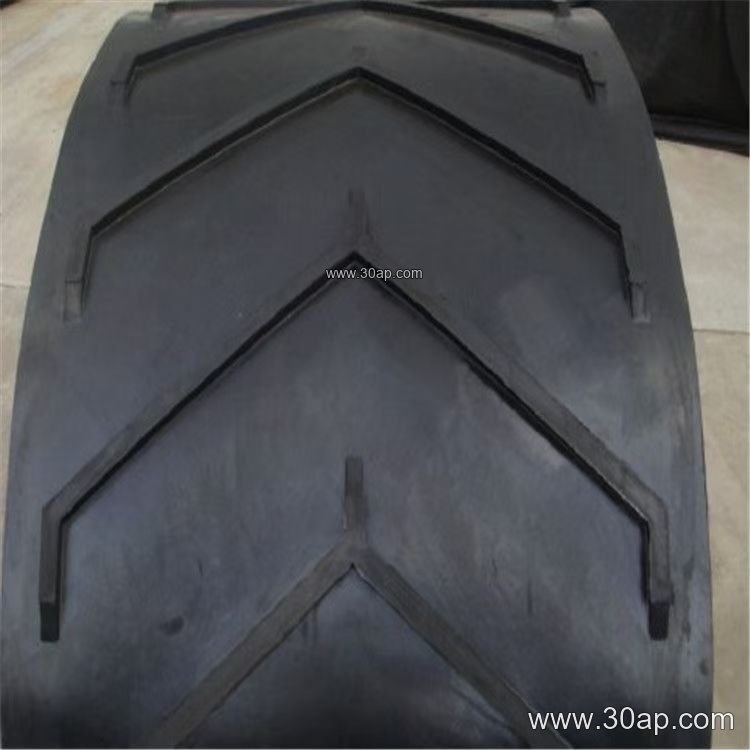
- EP Conveyor Belt – polyester-nylon fabric core, offering good tensile strength and low elongation. Grades such as EP200, EP400, and EP630 are frequently used in 650mm widths for general bulk handling.
- NN Conveyor Belt – nylon-nylon fabric core, known for high elasticity and impact resistance, suitable for crusher discharge and aggregate conveying.
- Steel Cord Conveyor Belt – used when higher strength is needed over long distances, though less common in this width due to the high tension typically associated with wider belts.
- Heat Resistant Conveyor Belt – for cement plants, foundries, and power stations handling hot materials.
- Flame Retardant Conveyor Belt – essential in coal mining and underground operations where fire safety is paramount.
- Abrasion Resistant Conveyor Belt – ideal for sharp, abrasive materials like crushed rock and ore.
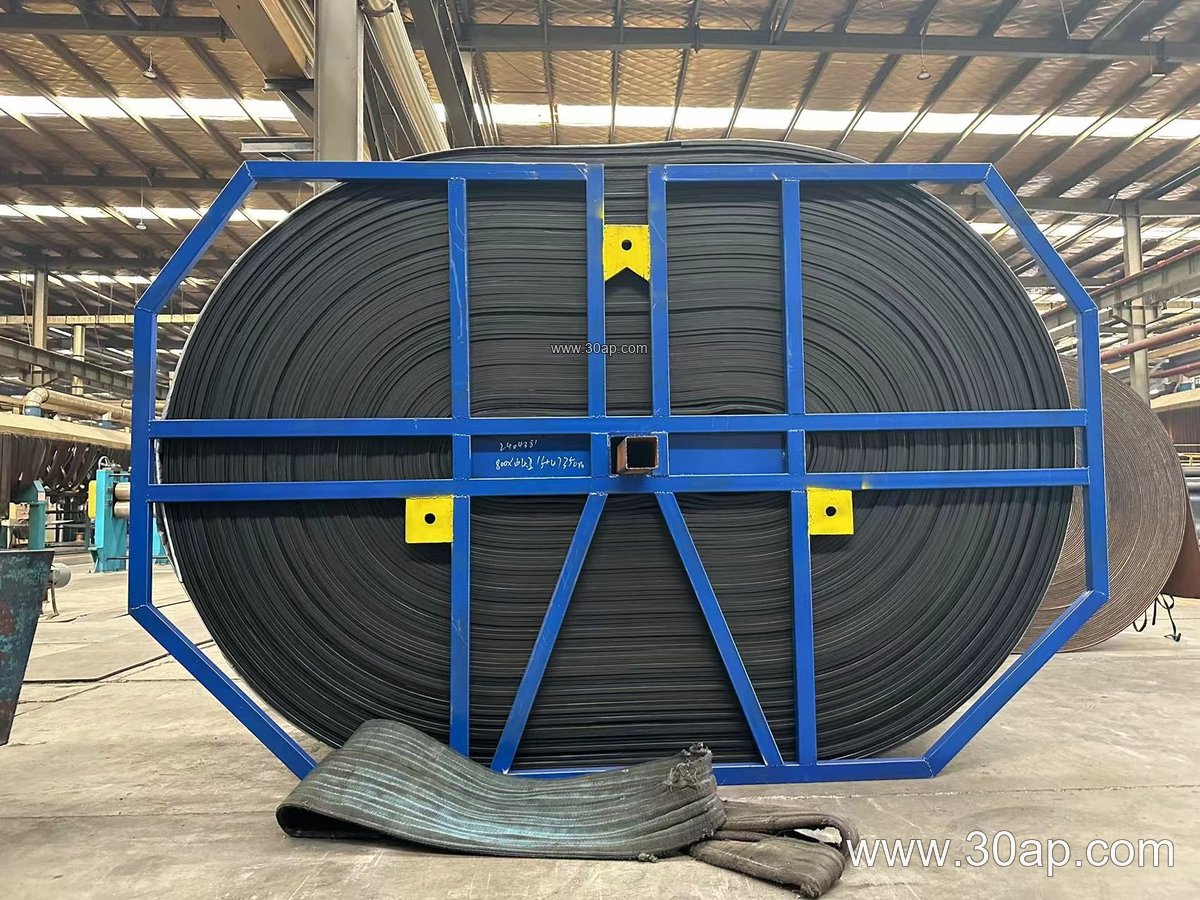
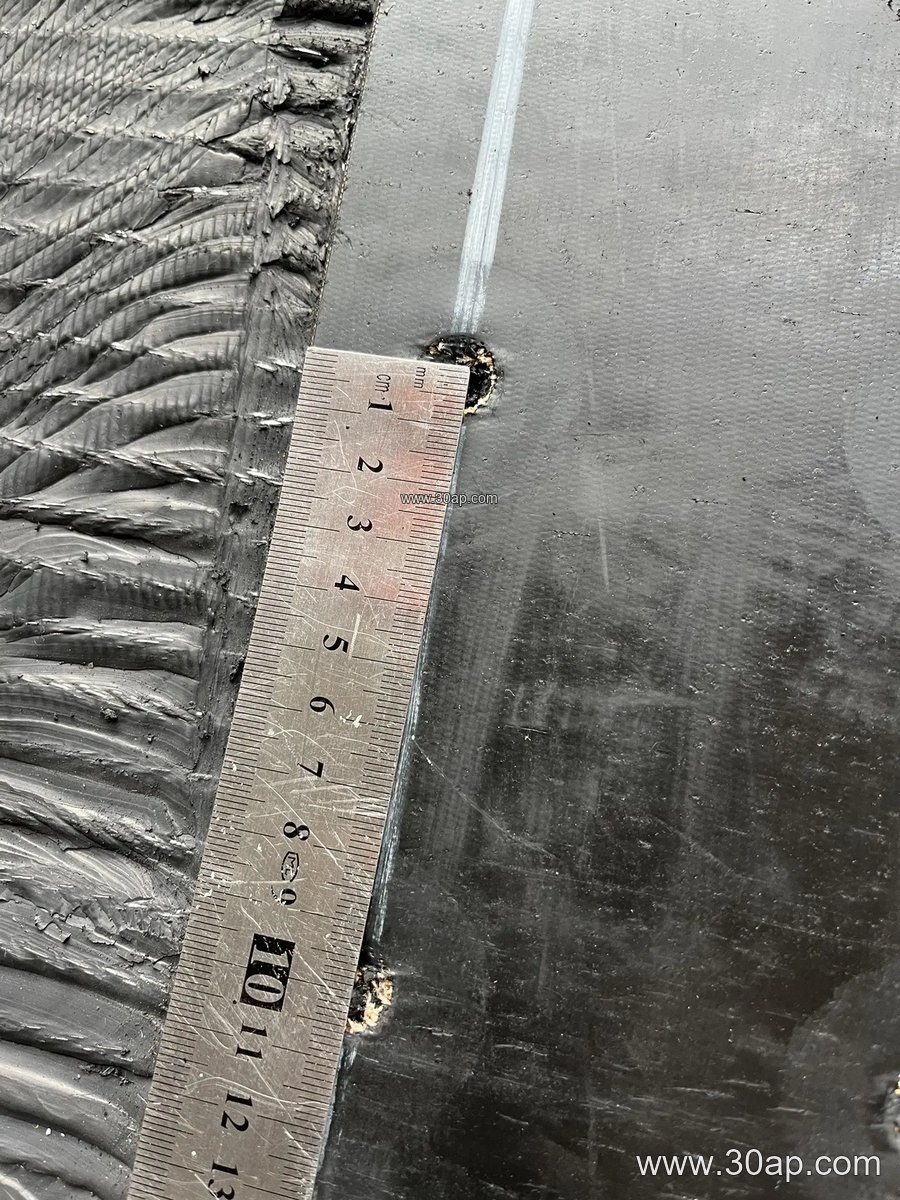
Cover rubber thickness for a 650mm belt commonly ranges from 3+1.5 mm to 6+2 mm, depending on the material’s abrasiveness and lump size. The number of fabric plies usually falls between 2 and 6, with 3 or 4 plies being typical for this width in medium-duty applications.
Where a 650mm Belt Fits
This belt width is frequently found in:
- Mining and quarrying operations for transporting ore, rock, and aggregate.
- Cement plants moving limestone, clinker, and additives.
- Coal handling systems in power plants and coal preparation facilities.
- Sand and gravel pits where space is limited but throughput demands are moderate.
- Port and ship-loading conveyors for smaller vessels or secondary transfer points.
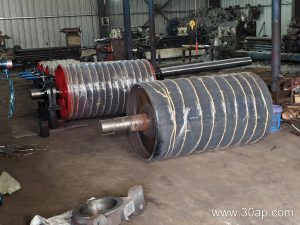
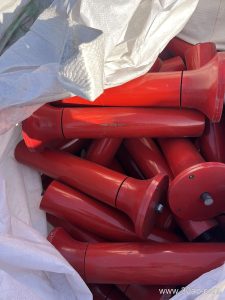
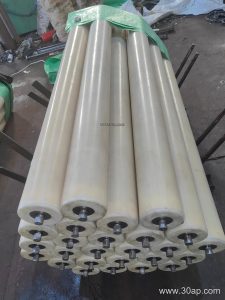
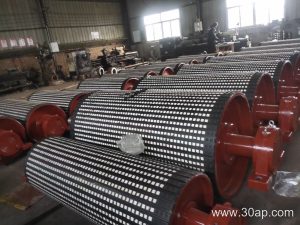
In these settings, the 650mm belt works alongside conveyor pulleys (drive, tail, and bend pulleys), idler rollers, and conveyor brackets. It is important to note that drive, tail, and bend pulleys are not interchangeable; each has a distinct role in maintaining belt tension and tracking. Proper matching of belt width to pulley face width and idler configuration helps prevent mistracking and premature wear.
Selection and Maintenance Tips
When choosing a 650mm conveyor belt, consider the following:
- Material characteristics – abrasiveness, lump size, moisture content, and temperature dictate the cover compound and carcass type.
- System tension – the belt’s rated strength (e.g., EP400, EP630) must exceed the calculated operating tension with a safety margin.
- Environmental conditions – for cold climates, a cold resistant conveyor belt may be necessary; for oily materials, an oil resistant conveyor belt is advised.
- Safety requirements – underground coal mining typically requires flame retardant and anti-static properties.
Regular inspection of the belt surface, splices, and edge wear extends service life. Keeping idler rollers aligned and pulleys clean reduces the risk of belt damage. For high-abrasion applications, a thicker cover (e.g., 6+2 mm) may be justified, while lighter duties can use 3+1.5 mm.
Compatibility with Conveyor Components
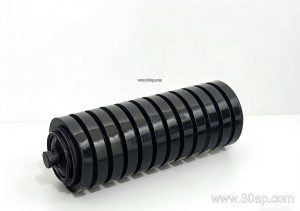
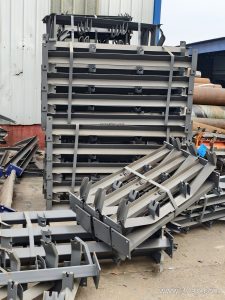
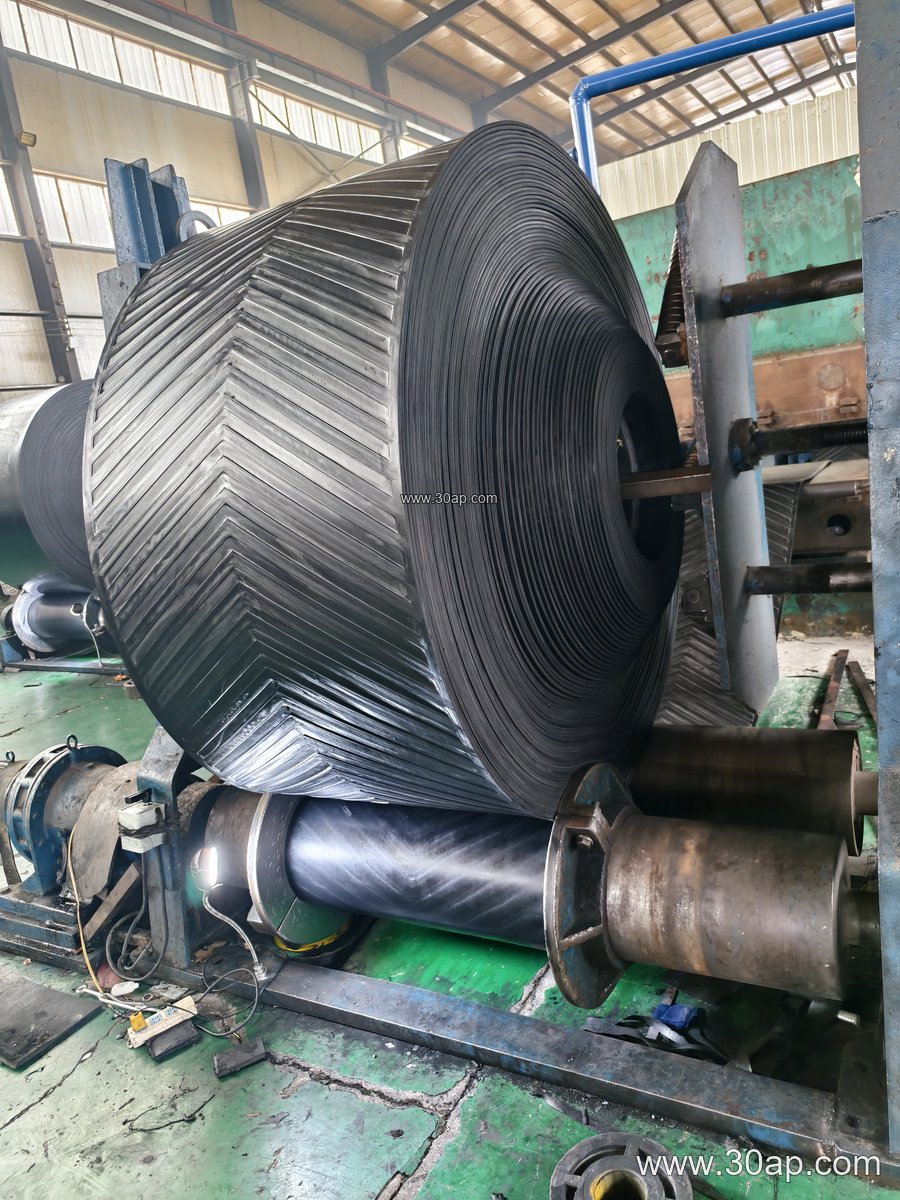
A 650mm belt should be matched with appropriately sized pulleys and idlers. While there is no fixed rule that a 650mm belt must use a specific pulley diameter, common practice pairs it with pulleys having face widths slightly wider than the belt. Idler rollers should be selected based on load and belt speed. Conveyor brackets must be sturdy enough to support the belt’s weight and material load. Always consult the conveyor designer to ensure all components work together reliably.
For more information on conveyor belts, idler rollers, and pulleys, visit our site at www.example.com/conveyor-belt or www.example.com/idler-roller. Our range includes EP conveyor belts, heat resistant belts, and flame retardant belts suitable for 650mm systems.