What a Vertical Guide Roller Does
A vertical guide roller is a small but purposeful component mounted at the edges of a conveyor to keep the moving belt within its intended path. Unlike carrying idlers that support the belt from below, this roller stands upright, with its axis vertical, and contacts the belt edge when the belt begins to drift sideways. In a quarry, a coal handling line, or a cement plant, such a guide helps protect the belt and the structure from the rubbing and fraying that misalignment can cause.
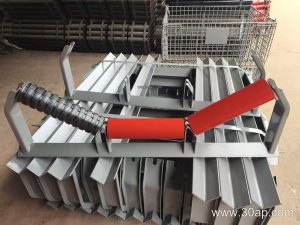
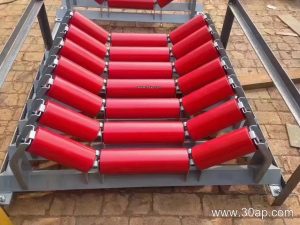
The device is often grouped with belt alignment accessories, but it should not be confused with a standard idler roller. The vertical orientation changes how the load is applied, and the mounting bracket is designed differently from a troughing set frame.
Typical construction
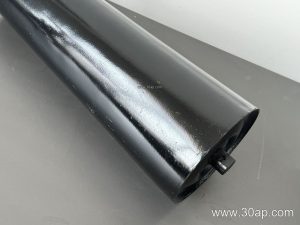
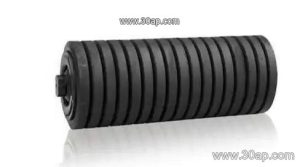
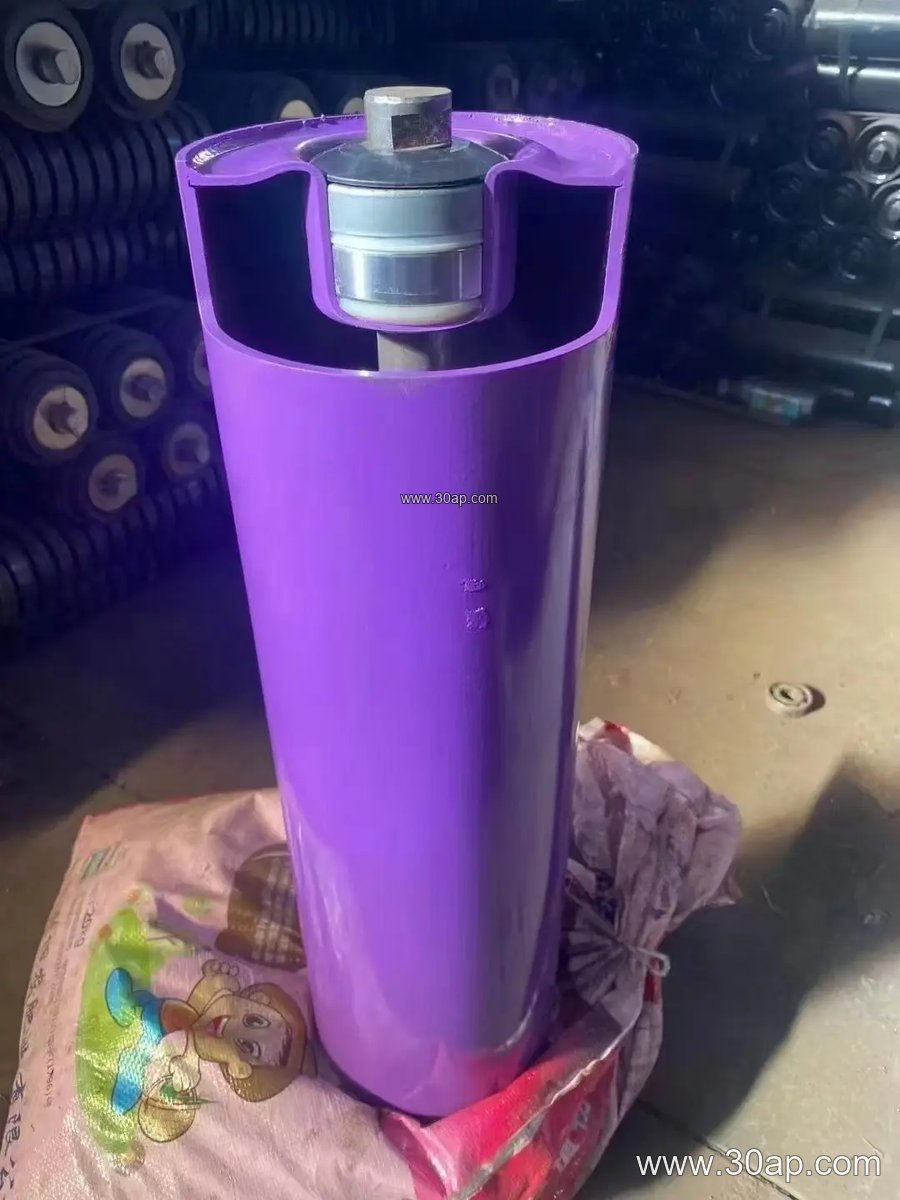
A vertical guide roller usually consists of a steel or nylon roller body, a shaft, sealed bearings, and a mounting bracket that fixes the assembly to the conveyor frame. Some versions use a rubber or polyurethane sleeve to reduce wear on the belt edge. Sealing matters in dusty operations such as crushing and screening plants, where fine material can shorten bearing life.
Where It Fits on the Conveyor
The roller is commonly installed near the loading point, at the transition between sections, or on the return side where edge contact is likely. In a power plant coal yard or a limestone stockpile line, a few vertical guide rollers placed at critical points can reduce belt edge damage without changing the main conveyor pulley arrangement. The roller works together with the belt, the frame, and the conveyor bracket, and it should be checked whenever tracking problems appear.
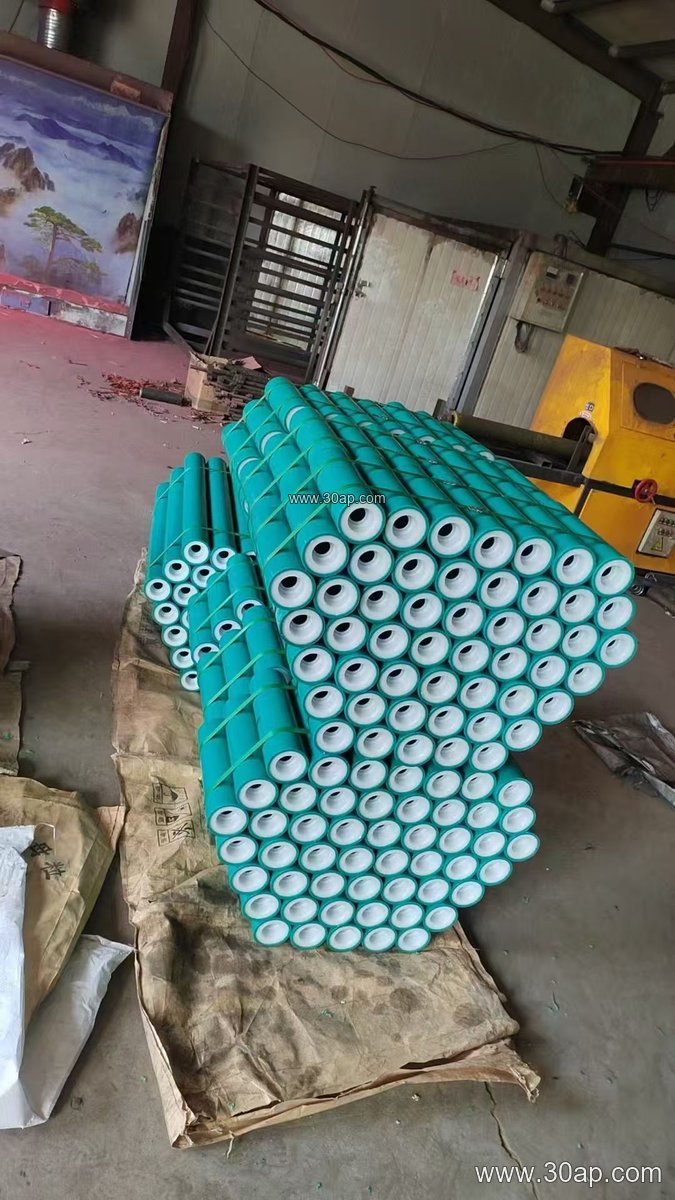
Related equipment at a glance
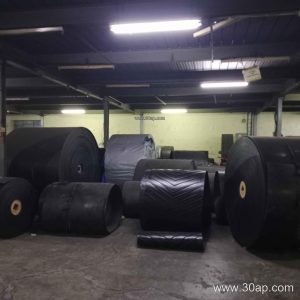
- Conveyor belt: the surface that the vertical roller guides.
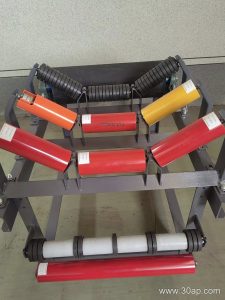
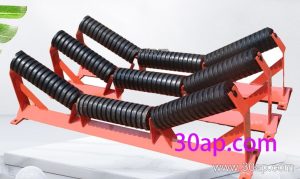
- Idler roller: supports the belt from below; a different function from edge guiding.
- Conveyor pulley: drives or redirects the belt; not interchangeable with guide rollers or idlers.
- Conveyor bracket: the mounting interface for the roller assembly.
Applications Across Industries
Vertical guide rollers appear in aggregate plants, iron ore and copper ore handling, sinter plants, and port loading systems. In a stone crushing line, they help keep a heavy conveyor belt centered when the load is uneven. In a cement plant, they are often used where fine dust and heat make belt tracking difficult. The same principle applies in a fertilizer plant or a grain terminal, though the materials and belt type differ.
Belt selection and roller selection are linked. A heavy-duty mining conveyor belt may need a robust guide roller and a strong bracket, while a lighter fabric core conveyor belt in a recycling line may use a smaller assembly. The roller is only one part of the tracking system, so it should be matched to the belt width, the frame design, and the operating environment.
What Buyers Should Check
Before ordering, confirm the roller diameter, shaft size, mounting hole pattern, and the belt width at the installation point. The table below lists common reference values; actual dimensions are determined by the conveyor design.
| Item | Common reference |
|---|---|
| Roller diameter | Ø63, Ø76, Ø89, Ø102, Ø108 mm |
| Belt width | B400, B500, B650, B800, B1000, B1200 mm |
| Roller surface | Steel tube, nylon, rubber sleeve |
| Bearing | 6204, 6205, 6305 and similar sizes |
These are reference examples, not fixed combinations. A wider belt does not force one specific roller diameter, and a bearing number should be selected by the roller maker according to load and speed. Buyers should also ask about sealing, surface treatment, and the bracket finish for outdoor or wet conditions.
Maintenance points
Inspect the roller for free rotation, check the bracket bolts, and remove built-up material around the mounting area. If the belt edge shows uneven wear, verify the roller position before replacing the belt. In a coal mining conveyor system, a seized guide roller can damage a flame retardant conveyor belt quickly, so routine checks are worthwhile.
For more information on compatible belt and roller products, visit www.beltconveyorparts.com and review the options for your specific conveyor layout.