What the Belt Conveyor Return Idler Does
The Belt Conveyor Return Idler is the roller set that supports the empty, returning strand of the belt on its way back to the tail end. While the carrying side gets most of the attention, the return run quietly determines how well the belt tracks, how much power the drive must deliver, and how long the belt lasts. On a long overland conveyor at a quarry or a coal handling line in a power plant, a poorly chosen return idler can cause belt sag, edge wear, and material spillage that no amount of cleaning will fix.
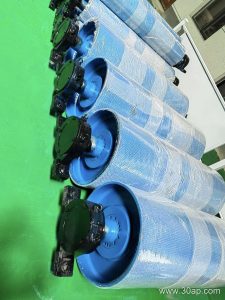
In practice, this component is often called a return roller or a lower idler, and those terms describe the same product. It should not be confused with the drive pulley, tail pulley, or bend pulley, which transmit motion and change belt direction rather than support the belt.
How It Is Built
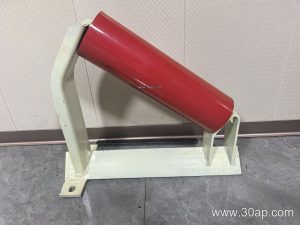
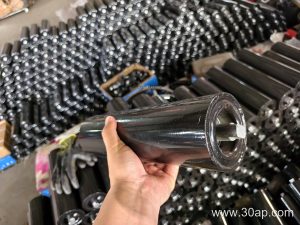
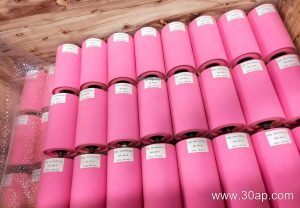
A typical return idler consists of a steel tube shell, a shaft, bearing housings, and a sealing arrangement at each end. The shell may be plain steel, nylon-coated, or covered with rubber rings where buildup or belt protection matters. Bearings commonly fall in the 6204 to 6310 range, but the correct bearing depends on load, speed, and roller diameter rather than on belt width alone.
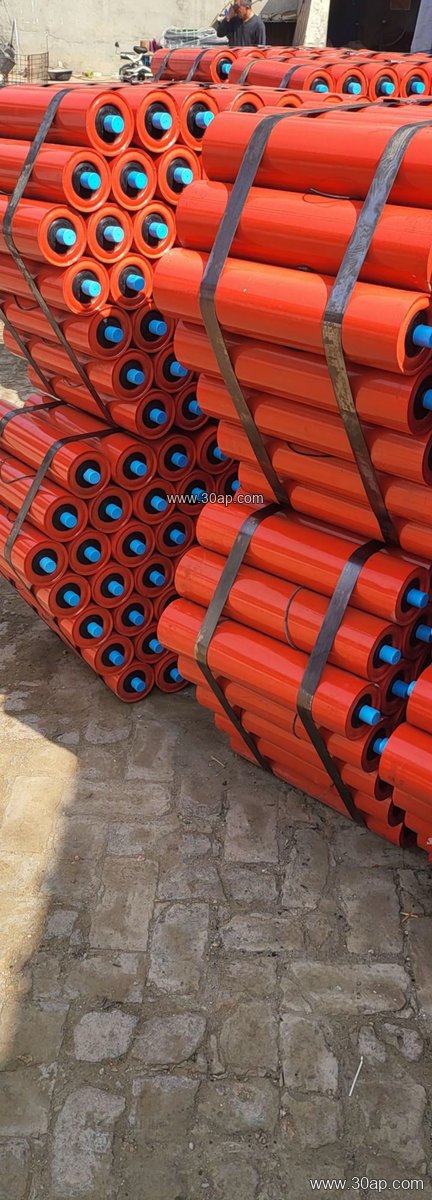
Common roller diameters include Ø89, Ø108, Ø127, Ø133, and Ø159 mm, with larger sizes such as Ø178 and Ø219 mm used on heavy-duty installations. Sealing quality is often the deciding factor in dusty environments such as a cement plant or a crushing and screening circuit, because fine grit that reaches the bearing will destroy it long before the shell wears out.
Common Configurations
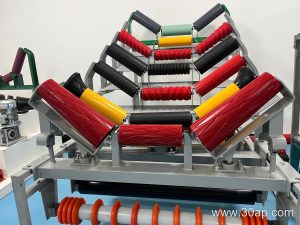
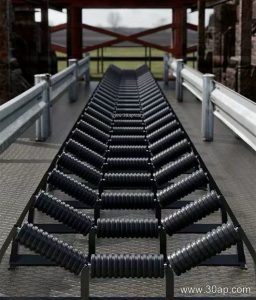
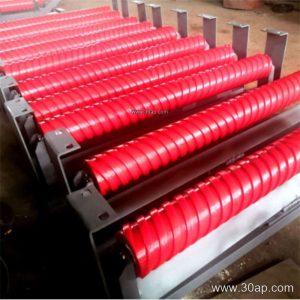
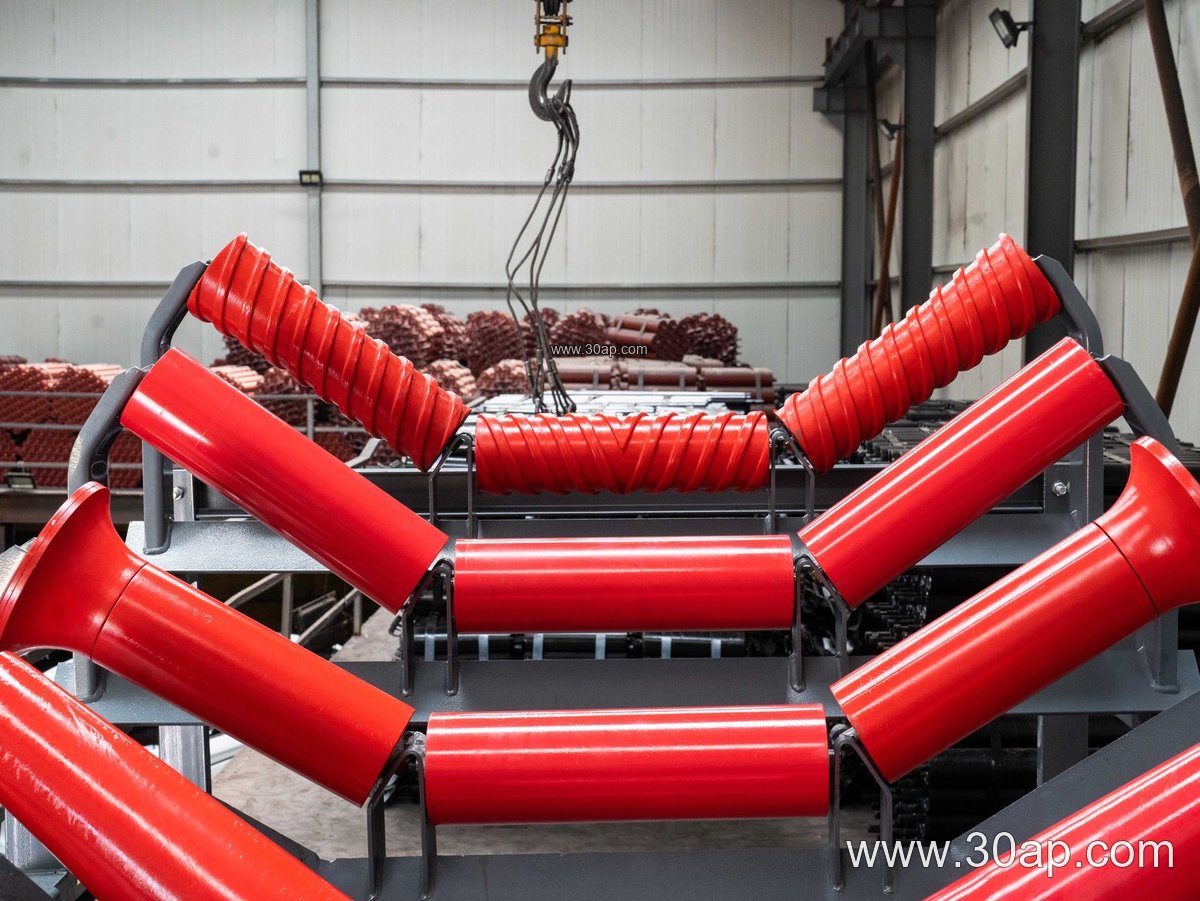
The flat return idler is the simplest form and is widely used on straight sections. A V-type return idler uses two rolls set at an angle to help center the belt and shed material that has clung to the surface. Spiral return rollers are chosen where sticky bulk material tends to wrap around plain shells. Rubber-disc return rollers are also available for applications that need extra protection or improved self-cleaning.
| Item | Typical Reference Range | Notes |
|---|---|---|
| Roller diameter | Ø63 to Ø219 mm | Ø89 to Ø159 mm most common in general bulk handling |
| Belt width covered | B400 to B2400 mm | Roller length is set by belt width and frame design |
| Shell material | Steel, nylon, ceramic, rubber ring | Choice depends on wear and buildup conditions |
| Bearing reference | 6204, 6205, 6305, 6306, 6308, 6310 | Matched to load and speed, not fixed by width |
These values are common references only. A B1200 conveyor may use different roller lengths depending on the frame and the belt training requirements, and no single diameter is mandatory for a given belt width.
Where It Fits in the Plant
Return idlers appear in almost every bulk handling line. In an iron ore or copper ore terminal, they carry the empty belt back beneath the loading point. In a limestone quarry or aggregate line, they are exposed to abrasive dust and frequent washdown. In a coal mining conveyor or a steel plant sinter line, flame retardant and anti-static properties of the belt itself matter, and the return roller must match the same duty level. Food and fertilizer plants may prioritize clean running and corrosion resistance instead.
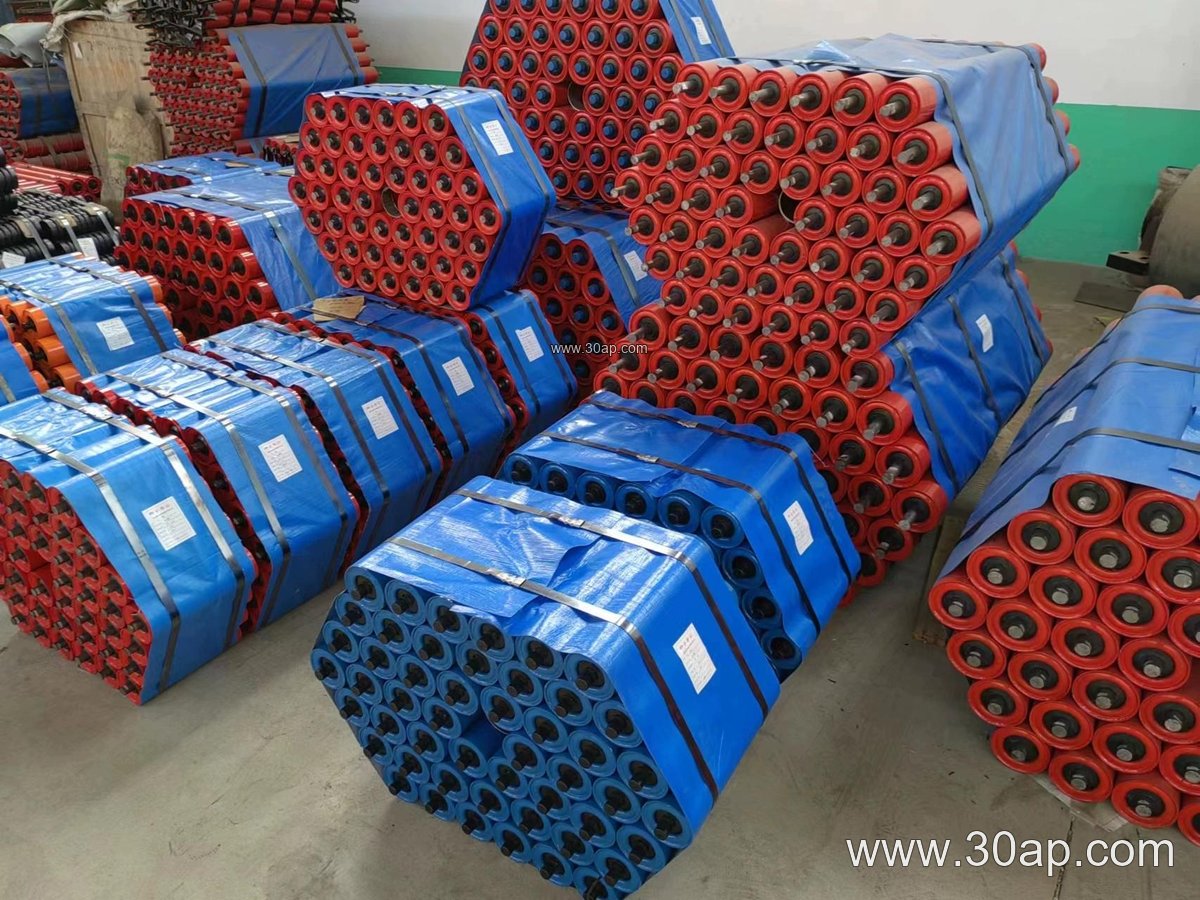
The return idler has to work with the rest of the conveyor: the conveyor belt, the conveyor pulley at each end, the idler roller frames on the carrying side, and the conveyor bracket that ties everything to the structure. A mismatch between return roller spacing and belt tension shows up quickly as sag between stations.
What Buyers Should Check
- Confirm the belt width and the actual frame dimensions, since roller length is not universal.
- Ask about sealing and bearing protection for dusty or wet conditions.
- Match shell material to the material being carried; rubber rings help with impact and buildup, while ceramic or nylon surfaces resist abrasion.
- Review spacing along the return run, because too few stations cause belt sag and too many add unnecessary drag.
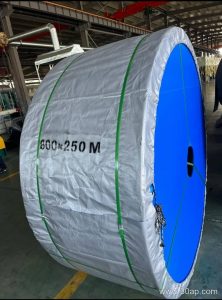
- Check that the roller suits the belt type in use, whether that is an EP conveyor belt, an NN conveyor belt, or a steel cord conveyor belt on a long haul.
For a heavy-duty mining conveyor belt handling high tonnage, return rollers with thicker shells and robust seals usually pay for themselves. For a shorter aggregate conveyor belt in a sand making plant, a standard flat return idler may be entirely adequate. Buyers should also consider whether a V-type or spiral design would reduce maintenance in their specific conditions before ordering a full set.
Finally, keep spare rollers on hand. Return idlers are consumables, and replacing a seized roller early prevents belt damage that costs far more than the roller itself. A short inspection routine, checking for noise, wobble, and material wrap, will keep the whole conveyor line running smoothly.