What a Guide Roller Does on a Conveyor
In a belt conveyor system, a guide roller is a small but critical component that helps keep the conveyor belt centered and running smoothly. Often referred to as a training idler or self-aligning roller, this device is mounted along the belt path to correct misalignment before it leads to edge damage or material spillage. While drive pulleys, tail pulleys, and bend pulleys handle power transmission and direction changes, the guide roller focuses solely on belt tracking.
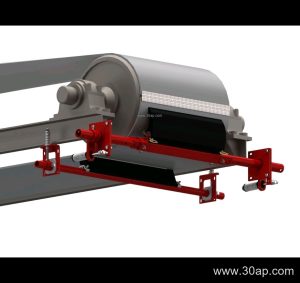
At sites such as a limestone quarry or a coal handling plant, even a slight belt drift can cause costly downtime. A well-placed guide roller addresses this by applying gentle lateral force through angled rollers or vertical guide rolls that contact the belt edge. This proactive correction protects the conveyor belt and extends the life of other components like idler rollers and brackets.
Design and Construction
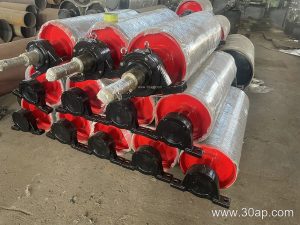
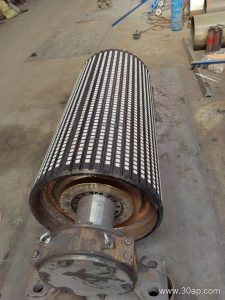
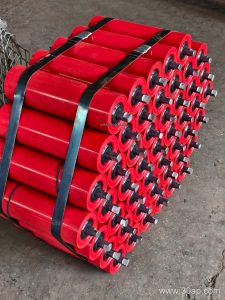
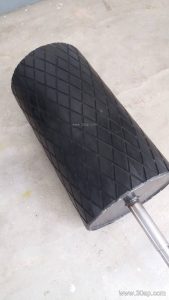
Guide rollers are typically built around a sturdy steel tube or shaft, with bearing housings sealed to keep out dust and moisture. Common roller diameters include Ø89, Ø108, Ø127, and Ø133 mm, though larger sizes like Ø159 and Ø178 mm are used for wider belts or heavier loads. The roller surface may be plain steel, nylon, or rubber-covered, depending on the need for grip or abrasion resistance. Bearings such as 6205, 6305, and 6308 are frequently fitted, with the choice depending on load and speed rather than a fixed pairing with a specific roller diameter.
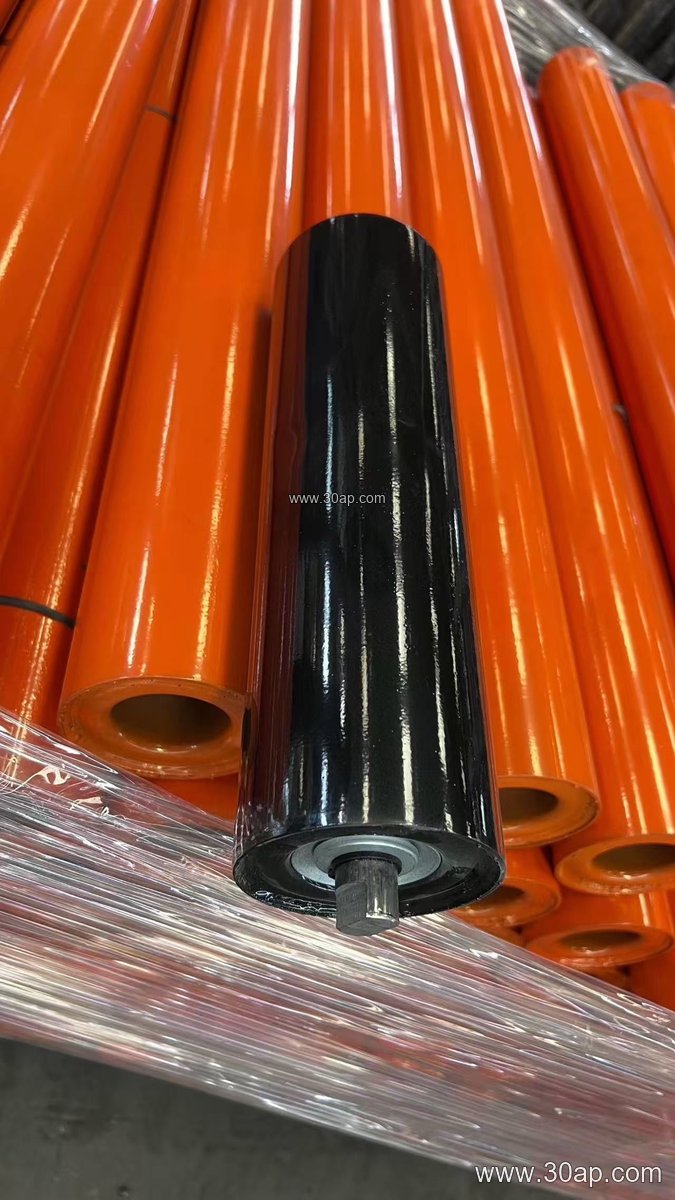
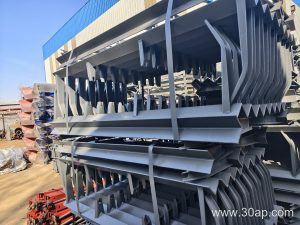
Mounting arrangements vary: some guide rollers are installed in a bracket that allows angular adjustment, while others use a pivoting frame that self-aligns as the belt contacts the roller. For wider belts, multiple guide rollers may be used in a staggered pattern to provide continuous correction without over-stressing the belt edges.
Where Guide Rollers Are Used
These components appear in almost any bulk material handling operation. In a stone crushing line, guide rollers keep the belt centered after the impact zone, where material loading can push the belt off track. At a power plant coal yard, they help maintain alignment on long overland conveyors exposed to wind and uneven loading. Other typical locations include cement plants, port ship loaders, and underground mining conveyors where space is tight and belt wander is a constant risk.
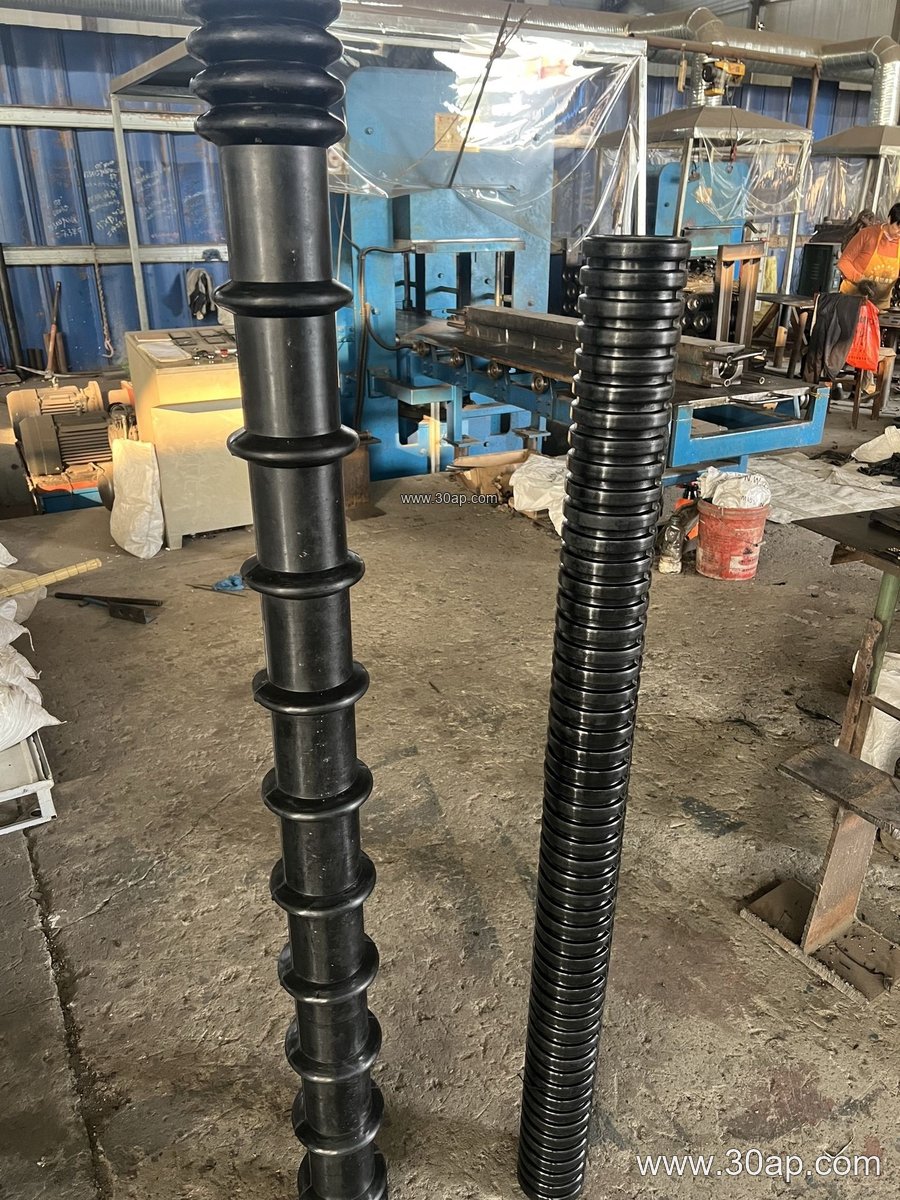
Because they work alongside other conveyor components, guide rollers must be compatible with the belt width and trough angle. For instance, a 1200 mm wide belt might use guide rollers sized to match the existing idler frames, while a 650 mm belt in a gravel pit would use smaller units. The table below lists some common roller diameters and typical belt width ranges, but final selection should always be based on the conveyor design and operating conditions.
Common Guide Roller Sizes (Reference Only)
| Roller Diameter (mm) | Typical Belt Width Range (mm) | Common Bearing |
|---|---|---|
| Ø89 | 500–800 | 6204, 6205 |
| Ø108 | 650–1000 | 6205, 6305 |
| Ø127 | 800–1400 | 6305, 6306 |
| Ø133 | 1000–1600 | 6306, 6308 |
| Ø159 | 1200–1800 | 6308, 6310 |
Note that these are common examples, not fixed rules. A 1000 mm belt may use either Ø108 or Ø127 guide rollers depending on the load and frame design. Always consult the conveyor manufacturer for the correct size.
Selection Tips for Buyers
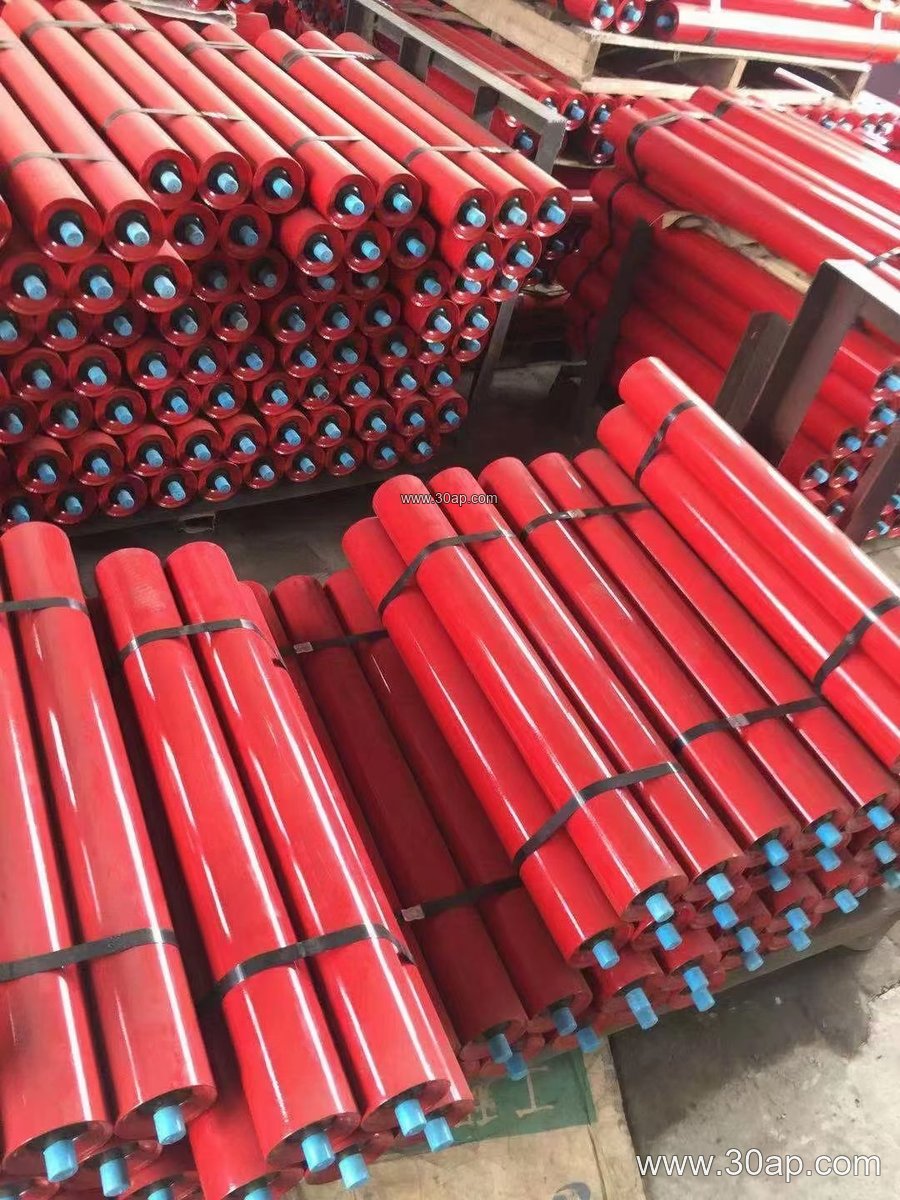
When choosing a guide roller, consider the belt speed, material being conveyed, and environmental conditions. In a fertilizer plant, for example, corrosive dust may call for sealed bearings and a nylon roller surface to resist chemical attack. In a coal mine, flame retardant properties may be required for the entire conveyor system, including rollers and belts such as flame retardant conveyor belt or anti-static conveyor belt. For high-abrasion applications like iron ore handling, a rubber-covered guide roller can provide better grip and reduce belt edge wear.
Also check the mounting method: some guide rollers are designed for easy retrofitting into existing conveyor brackets, while others require a specific frame. The roller length should match the belt width and trough configuration; for a three-roll troughing set on a B1000 belt, the side rollers might be around 380 mm long, but this varies with the design. Never assume one size fits all.
Maintenance and Troubleshooting
Regular inspection of guide rollers helps prevent belt misalignment from escalating. Check for worn bearings, seized rollers, or damaged surfaces. A guide roller that no longer spins freely should be replaced promptly to avoid belt edge friction. Keep the area around the roller clean, as buildup of material can affect its ability to guide the belt. In dusty environments like a cement plant, periodic lubrication of sealed bearings (if applicable) and verification of mounting bolts are good practice.
If belt tracking problems persist after adjusting guide rollers, inspect the entire conveyor for other causes such as off-center loading, misaligned pulleys, or damaged idler rollers. Remember that guide rollers are part of a system, and their effectiveness depends on proper installation and maintenance of all components.