Why the Conveyor Belt Defines Your Material Flow Efficiency
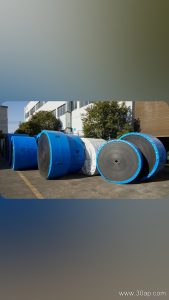
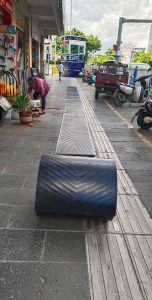
The conveyor belt is the silent workhorse of any production line, directly impacting throughput, downtime, and product integrity. Selecting a belt that matches your load, environment, and speed is not a secondary decision—it is foundational.
Key Selection Criteria for Industrial Conveyor Belts
Start by evaluating these three areas before you purchase.
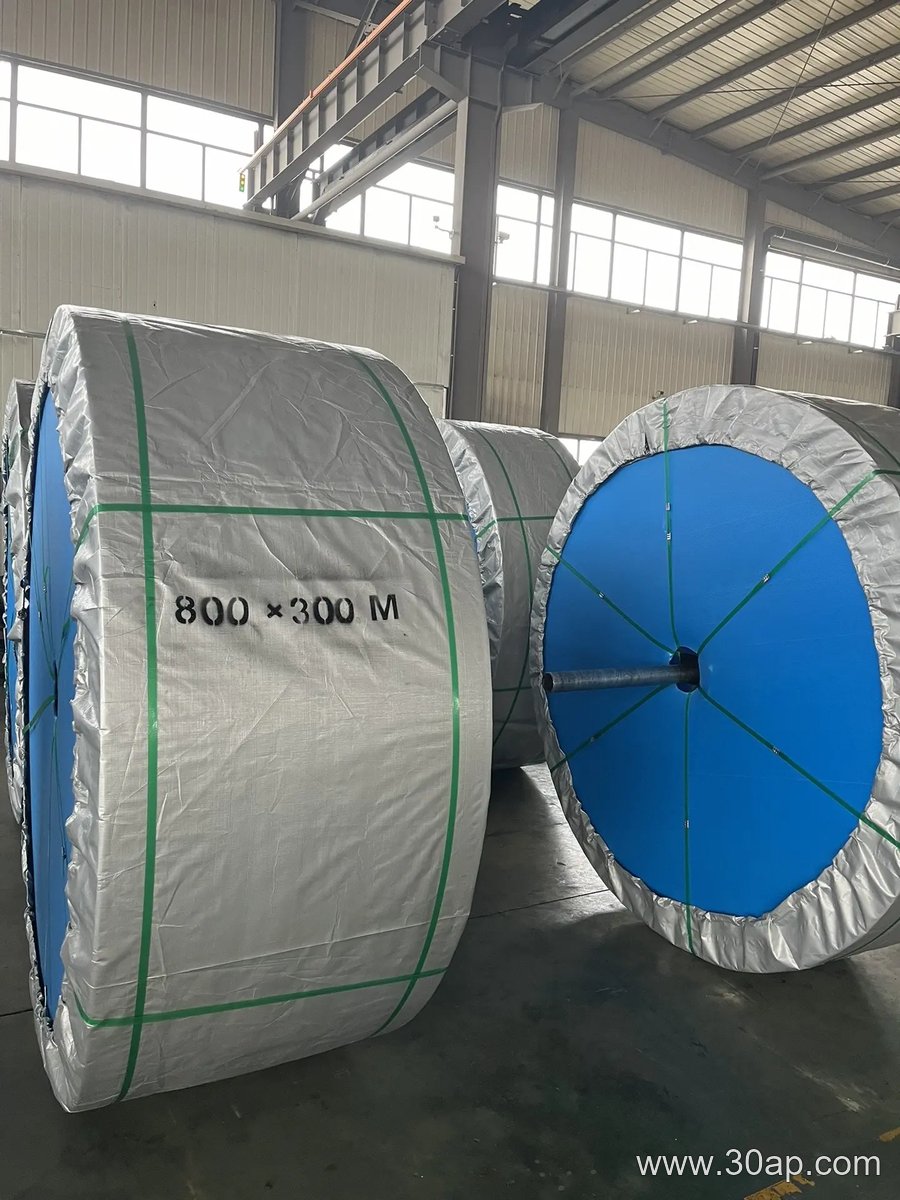
- Material and cover grade: For abrasive ores or sharp scrap, choose a rubber belt with high abrasion resistance (e.g., DIN W or X). For food contact, use FDA-approved polyurethane or PVC.
- Tensile strength and carcass: Multi-ply polyester or aramid belts handle high tension and long centers. For impact loading, add a breaker layer or use a steel-cord belt.
- Operating environment: Heat, oil, or chemicals demand special compounds—EPDM for heat, nitrile for oil. Never assume a general-purpose belt will survive aggressive conditions.
Purchasing Advice: Avoid Costly Mismatches
Always measure the actual belt path length and pulley diameters, not just the gap between end pulleys. Request the belt manufacturer’s splice kit and installation tolerances. Compare belt weight per meter—heavier belts require more motor torque. Finally, ask for a load-stretch curve to ensure your take-up system can handle elongation. A correctly specified conveyor belt will reduce maintenance stoppages by up to 40% and extend service life by years.
Understanding the Idler Roller’s Critical Role
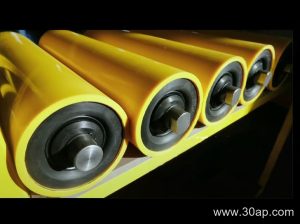
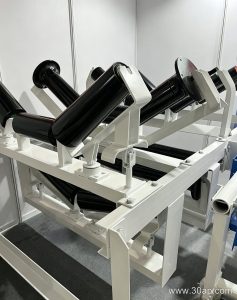
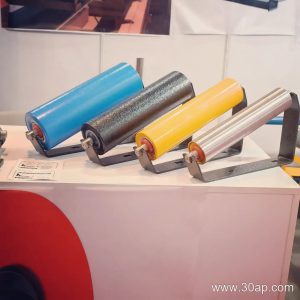
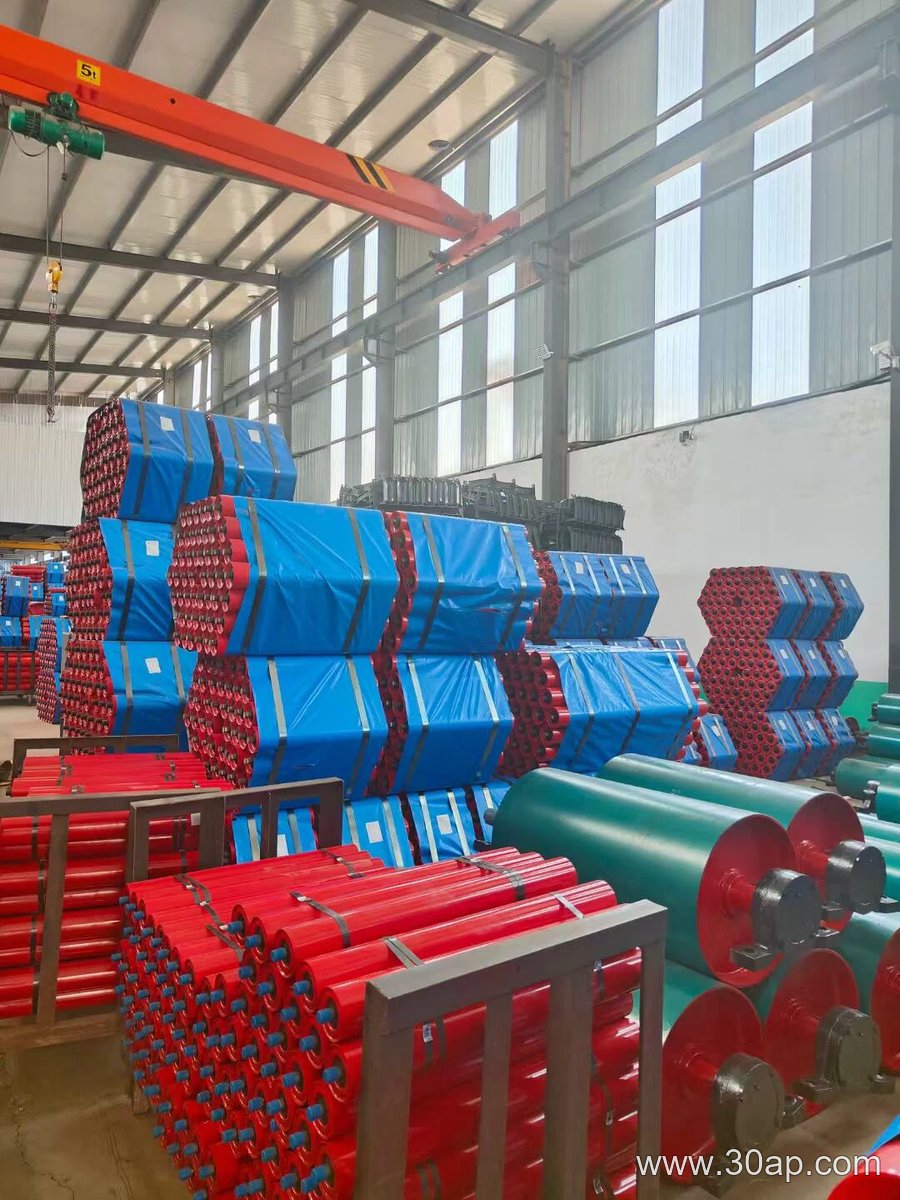
An idler roller is not just a rotating cylinder; it is the primary support structure for your conveyor belt and material load. By maintaining proper belt troughing and reducing friction, the right idler roller extends belt life, cuts energy consumption, and prevents costly misalignment.
Key Specifications for Purchasing
- Roller diameter and wall thickness: Match these to belt speed and load density to avoid deflection or premature wear.
- Bearing type and seals: Choose labyrinth or contact seals based on dust, moisture, and operating temperature.
- Shaft and frame compatibility: Verify mounting dimensions (e.g., 20mm or 25mm shaft) with your existing conveyor structure.
Material Options and Their Trade-Offs
Steel idler rollers offer high impact resistance, while HDPE or UHMWPE versions excel in corrosive or food-grade environments. For high-speed lines, specify precision-balanced rollers to reduce vibration.
Selection and Maintenance Advice
- Always calculate CEMA load ratings—never guess based on belt width alone.
- For abrasive materials, specify a minimum 4mm wall thickness and induction-hardened bearing journals.
- Implement a regular inspection schedule: check for noise, misalignment, and grease leakage every 500 operating hours.
- Purchase from suppliers who provide documented runout tolerances (≤0.3mm) and a warranty against bearing failure.
Investing in the correct idler roller reduces downtime and total cost of ownership. Prioritize quality over upfront price, and request sample testing on your actual conveyor system.
Why the Conveyor Pulley Determines System Reliability
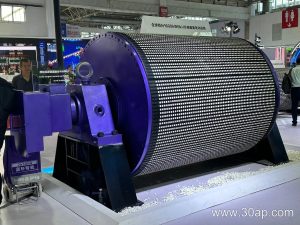
The conveyor pulley is not just a rotating cylinder—it is the structural anchor that drives belt tension, tracking, and torque transfer. Choosing the wrong pulley leads to belt slippage, misalignment, and premature failure. Industrial buyers must evaluate three critical factors: shell thickness, shaft diameter, and lagging type.
Selecting the Right Pulley Construction
For heavy-duty applications (mining, aggregates), opt for welded steel pulleys with a minimum shell thickness of 10 mm and a machined crown face to aid belt centering. For lighter duties (packaging, logistics), a rolled-shell pulley with pressed hubs offers cost efficiency without sacrificing performance.
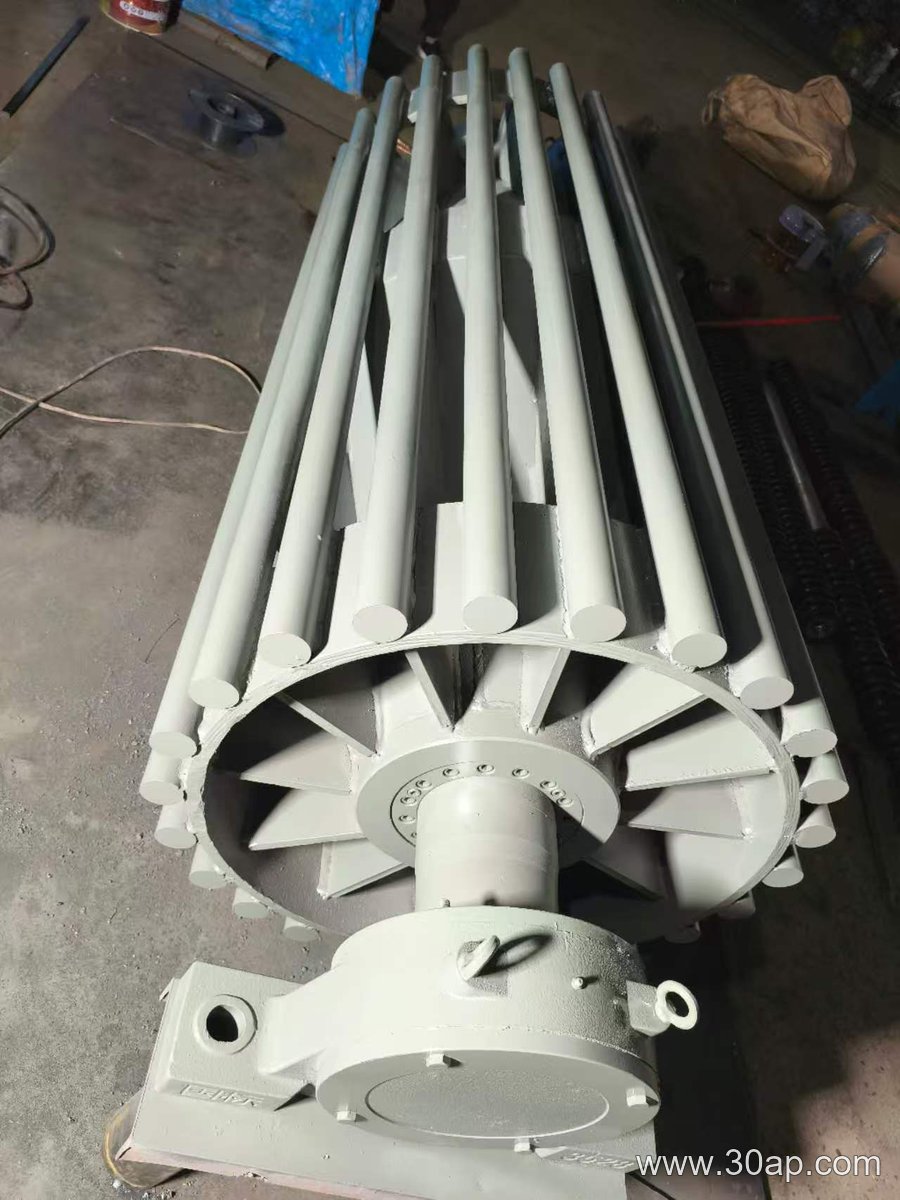
- Check the pulley face width: it should exceed belt width by 100–150 mm for proper load distribution.
- Verify the shaft stress rating against your maximum belt tension—undimensioned shafts cause bending fatigue.
- Request dynamic balancing certificates for pulleys operating above 300 RPM to prevent vibration damage.
Lagging and Maintenance Considerations
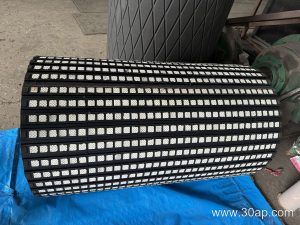
Rubber lagging (ceramic or diamond-pattern) increases friction coefficient by up to 70%, essential for drive pulleys in wet or steep inclines. For non-drive pulleys, smooth or grooved lagging reduces material buildup. Always inspect pulley end discs and welds quarterly—cracks here indicate overloading. When purchasing, demand a full drawing with tolerance specs (ISO 1940-1) and a wear guarantee of at least 5,000 operating hours.
Why the Conveyor Bracket Is the Backbone of Your Line
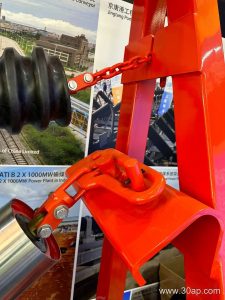
The conveyor bracket may appear as a simple steel angle, but it dictates load distribution, roller alignment, and vibration control across your entire material handling system. A poorly specified bracket causes belt drift, premature bearing wear, and costly stoppages.
Critical Design Parameters
- Check the bracket’s gauge thickness versus your dynamic load—thin pressed steel flexes under impact, while forged or laser-cut versions hold tolerance.
- Confirm slot geometry for your exact bolt pattern; misaligned slots force technicians to elongate holes, creating stress risers.
- Choose galvanized or powder-coated brackets for washdown or corrosive environments—untreated mild steel will scale and seize fasteners.
Purchasing and Installation Guidance
Always request a deflection chart from the supplier for your specific belt speed and material weight. Buy brackets with integrated wear liners if you handle abrasive bulk goods. During installation, torque bolts to manufacturer specs—never rely on impact wrenches alone—and verify level across the stringer before loading.
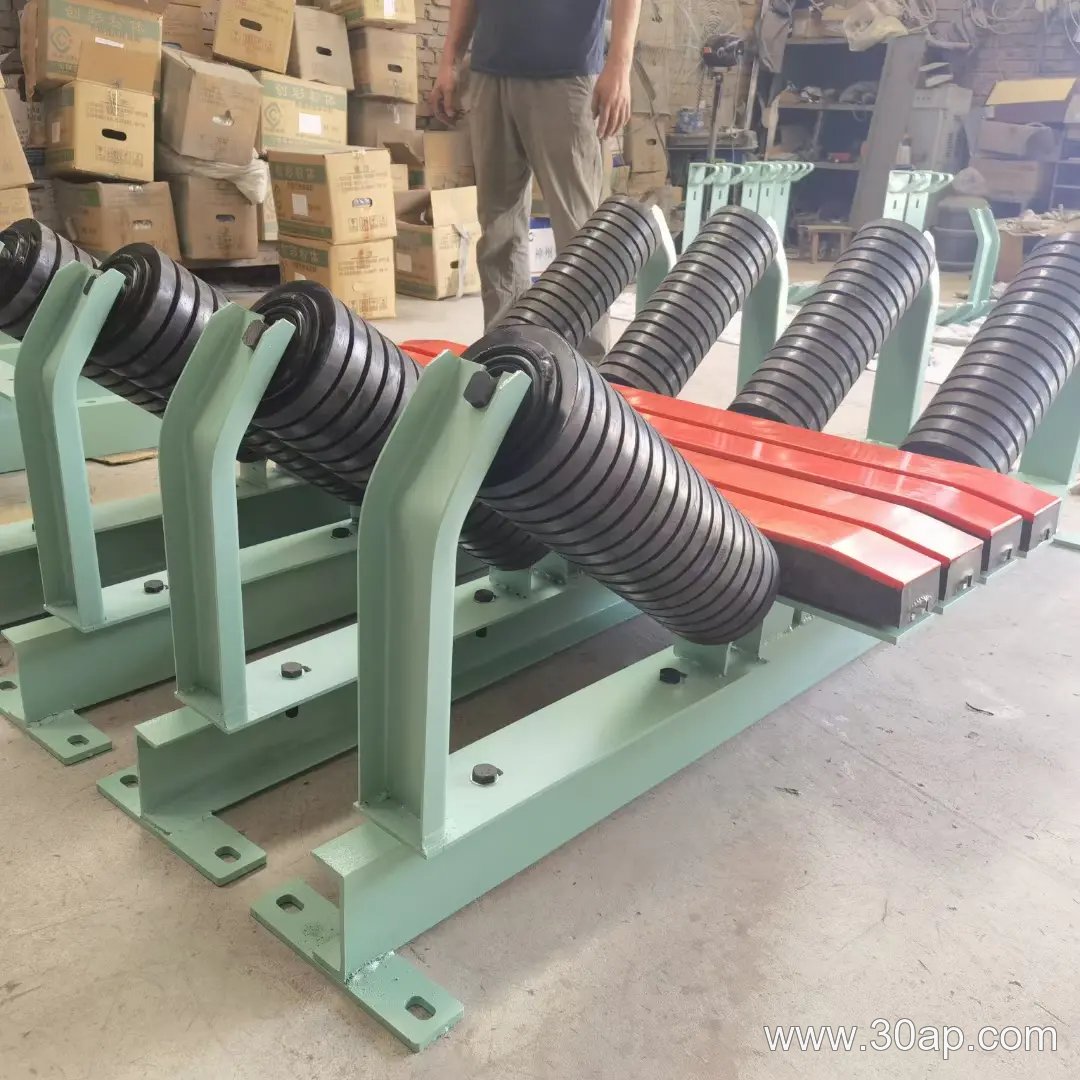
For retrofit projects, measure the existing footpad height and roller shaft diameter first, then order brackets with adjustable vertical slots to accommodate floor tolerances. Stock at least 5% spares with identical part numbers; mismatched brackets from different batches often vary by 0.5 mm, enough to cause tracking issues.