What the NN400 Conveyor Belt Is
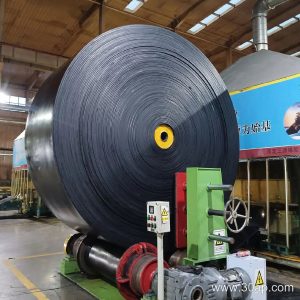
The NN400 Conveyor Belt is a multi-ply fabric core belt built on nylon (NN) warp and weft cords. The number 400 refers to the nominal tensile strength of the carcass, commonly expressed as 400 N/mm per ply. In practical terms, this is a mid-to-high strength fabric belt: strong enough for long inclined runs and heavy bulk loads, yet lighter and more flexible than a Steel Cord Conveyor Belt of comparable rating. Buyers who need a Fabric Core Conveyor Belt that balances strength, troughability and splice friendliness often shortlist the NN400 Conveyor Belt for the job.
Because it belongs to the NN Conveyor Belt family, it shares the general advantages of nylon carcass construction: good fatigue resistance, low elongation under steady load, and reliable performance around relatively small pulleys. It is not the same product as an EP Conveyor Belt, whose polyester warp gives lower stretch but slightly different flex behavior. Both are valid choices, and the right one depends on the conveyor layout.
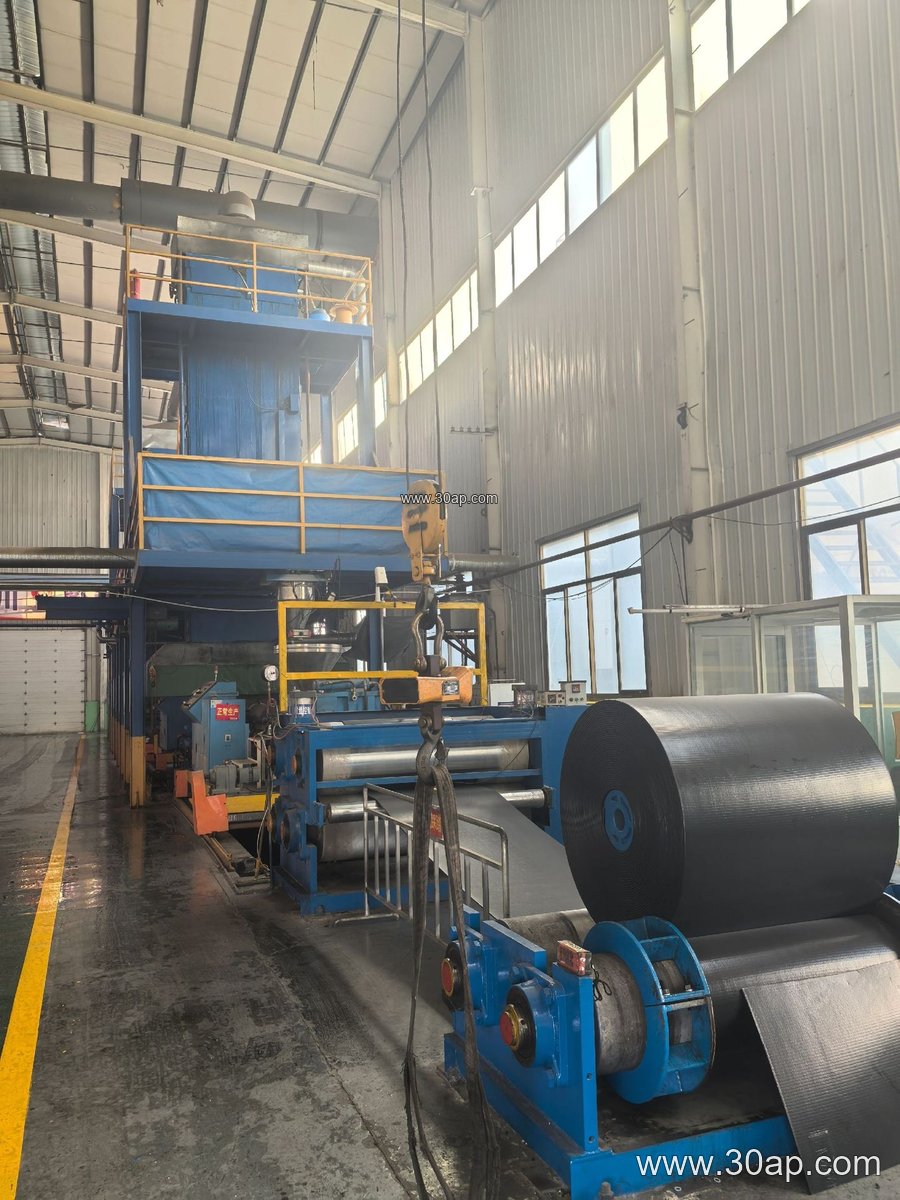
How the Belt Is Built
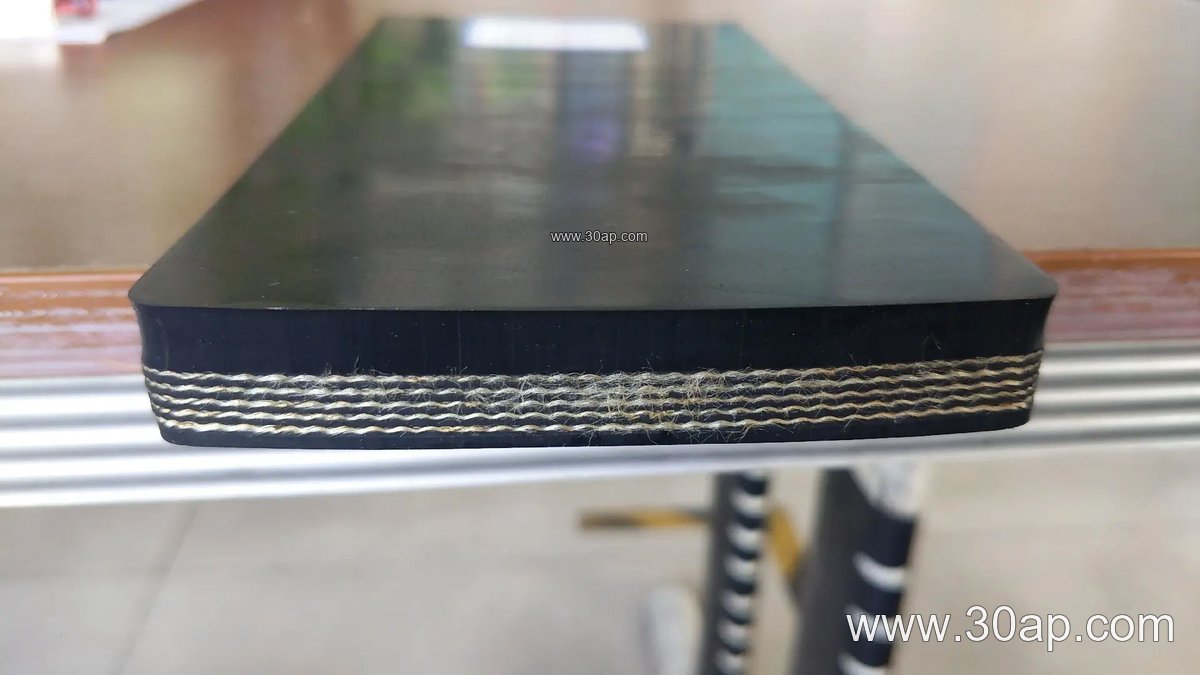
A typical NN400 Conveyor Belt is a sandwich of three functional layers. The carcass consists of multiple plies of nylon fabric, usually two to six, bonded with rubber skim compound. Top and bottom cover rubber protect the carcass from abrasion, impact and moisture. The cover grade and thickness are selected to match the duty, and edge protection is applied to reduce fraying at the belt sides.
Common cover constructions in this strength class include 4+2 mm, 5+2 mm and 6+2 mm, with heavier options such as 8+3 mm for coarse, sharp material. These are reference figures rather than fixed rules; a supplier will confirm the actual build against the conveyor design. Cover grades can be plain abrasion resistant, heat resistant, oil resistant, flame retardant or anti-static, depending on the environment.
| Item | Typical Reference |
|---|---|
| Belt type | NN400 nylon fabric core |
| Carcass plies | 2 to 6 plies, per design |
| Cover thickness | 4+2, 5+2, 6+2, 8+3 mm |
| Belt width | B500, B650, B800, B1000, B1200, B1400, B1600, B1800, B2000 |
| Cover grades | Abrasion resistant, heat resistant, flame retardant, oil resistant, anti-static |
Width and ply count are matched to the conveyor, and no single width is tied to one pulley diameter. Drive, tail and bend pulleys each have their own sizing logic, and the belt supplier and conveyor designer should confirm them together.
Where It Fits in the Plant
The NN400 Conveyor Belt is at home in mines, quarries, cement works, power plants, steel mills, ports and sand and gravel yards. It handles crushed rock, ore, clinker, coal, aggregate and other Bulk Material Conveyor Belt duties where a Steel Cord Conveyor Belt would be overkill or where splicing space is tight.
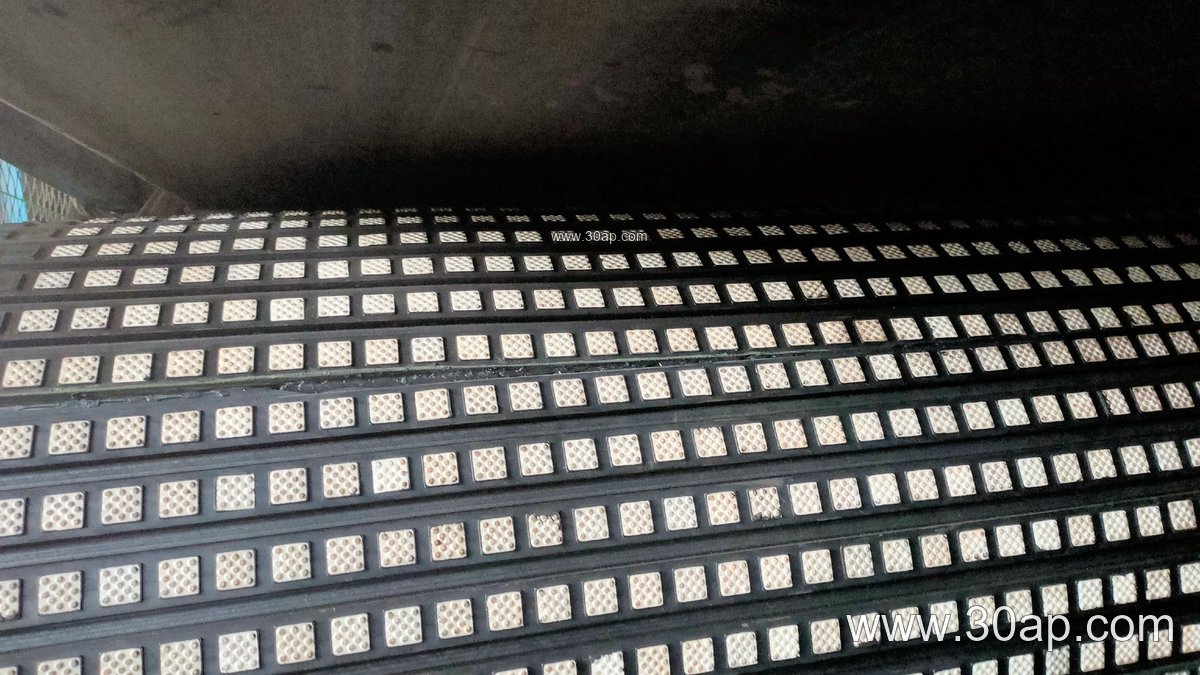
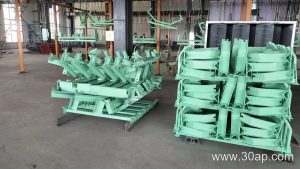
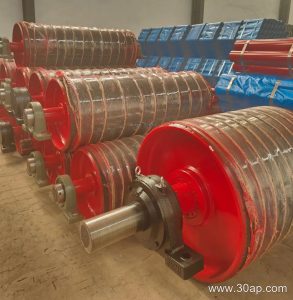
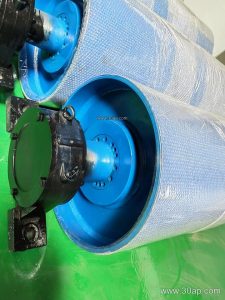
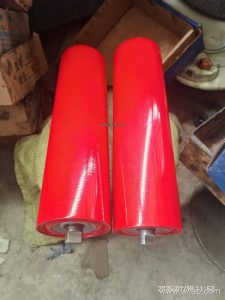
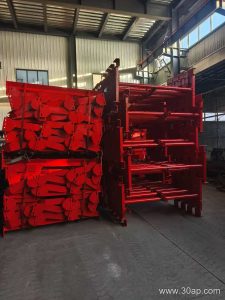
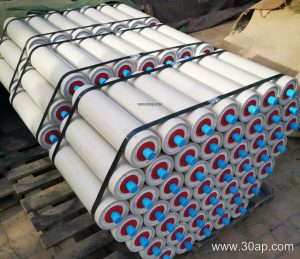
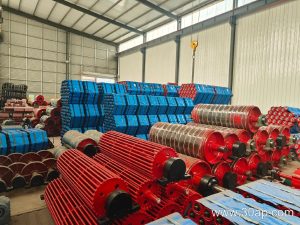
On a typical conveyor it runs over idler rollers, wraps the drive pulley, and returns over tail and bend pulleys, all held by conveyor brackets and frames. In dusty or potentially explosive areas, a Flame Retardant Conveyor Belt or Anti-Static Conveyor Belt version is often specified, especially for Underground Coal Mining Conveyor Belt service. For hot clinker or sinter, a Heat Resistant Conveyor Belt grade is the relevant comparison. Where material is oily or contaminated, an Oil Resistant Conveyor Belt compound protects the carcass.
Steep inclines may call for a Chevron Conveyor Belt profile to stop roll-back, while confined layouts sometimes use a Pipe Conveyor Belt to contain dust. These are separate designs; they are mentioned here only to show where the flat NN400 belt stops and other constructions begin.
Selection and Maintenance Notes
- Confirm the required tensile rating against the actual load and incline; NN400 is a nominal carcass grade, not a guarantee for every duty.
- Match cover grade and thickness to the material: abrasive rock, hot clinker, oily scrap or food contact each need a different compound.
- Check pulley diameters and trough angles with the conveyor designer so the belt flexes within its fatigue limits.
- Use the correct splice method for the ply count and keep the joint square to avoid edge tracking problems.
- Inspect idler rollers and conveyor pulleys regularly; a seized roller or worn pulley lagging shortens belt life quickly.
- Store belts away from sunlight, ozone and sharp edges, and support coils to prevent ply separation.
For buyers comparing quotations, ask for the carcass ply count, cover thickness, cover grade and belt width in writing. A well-specified NN400 Conveyor Belt from a reliable source will then deliver predictable service across mining, cement, power and aggregate operations.