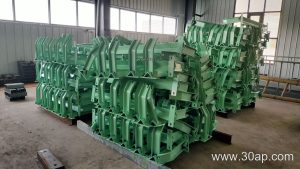
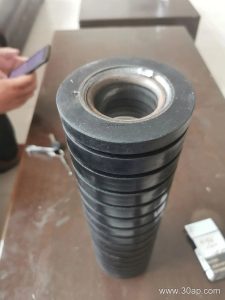
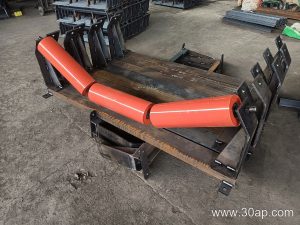
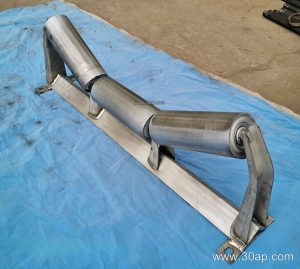
What the Lower Return Idler Does
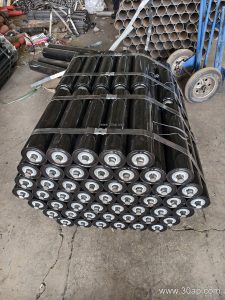
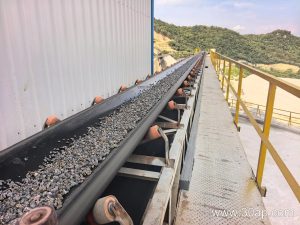
A lower return idler, also called a return roller or flat return idler, supports the empty or return strand of a conveyor belt on its way back to the tail end. While the carrying side gets most of the attention because it moves the material, the return run quietly determines how well the belt tracks, how long the belt lasts, and how much power the drive has to deliver. On a quarry conveyor or a cement plant transfer line, a poorly chosen return idler can cause belt edge wear, mistracking, and premature belt failure.
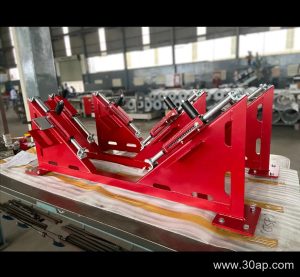
The return idler is mounted in a conveyor bracket below the belt line. It usually carries the belt on a single roller with a flat profile, though V-shaped return idlers are used where self-cleaning and centering matter. Unlike the carrying idlers, this roller contacts the underside of the belt, which is often cleaner but can still collect sticky fines in applications handling wet or clay-rich material.
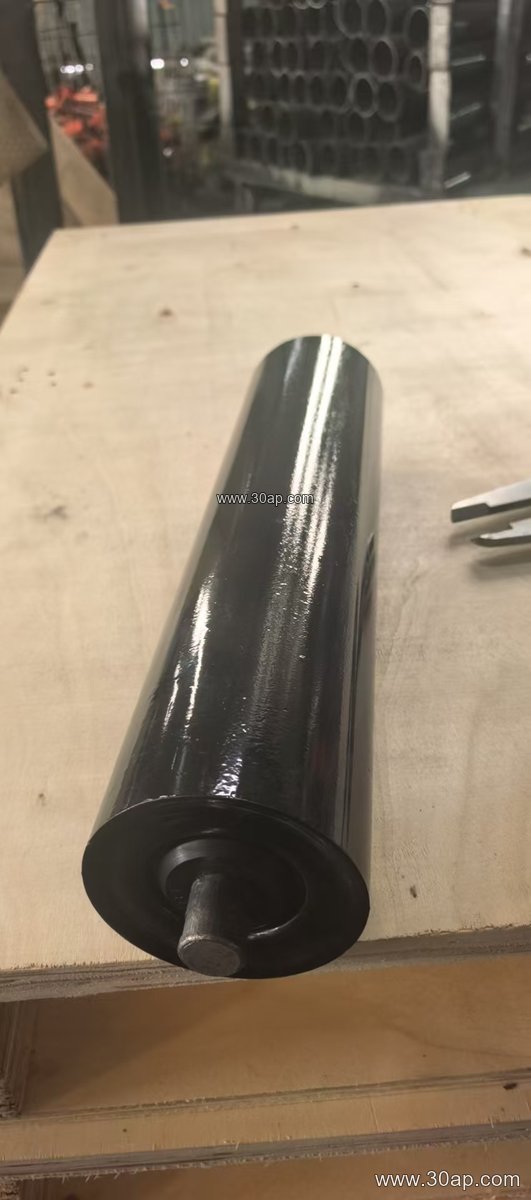
Construction Details That Matter
A typical lower return idler consists of a steel tube shell, bearing housings at each end, a shaft, and a sealing arrangement. The shell is often made from steel pipe, but nylon, ceramic, or rubber-covered rollers are available when abrasion or build-up is a concern. Bearing selection usually follows the load and speed of the conveyor; common bearing sizes include 6204, 6205, 6305, 6306, 6308, and 6310. These are not tied to one roller diameter, so the bearing should be matched to the actual load calculation rather than guessed from belt width.
Sealing is the detail that separates a long-lasting return idler from a short-lived one. Dust, water, and fine grit are the main enemies of bearings in a coal handling plant or an iron ore yard. Labyrinth seals combined with grease retention features are common. The roller surface may be plain steel for general service, or rubber-covered in a sand and gravel operation where the belt underside carries abrasive dust.
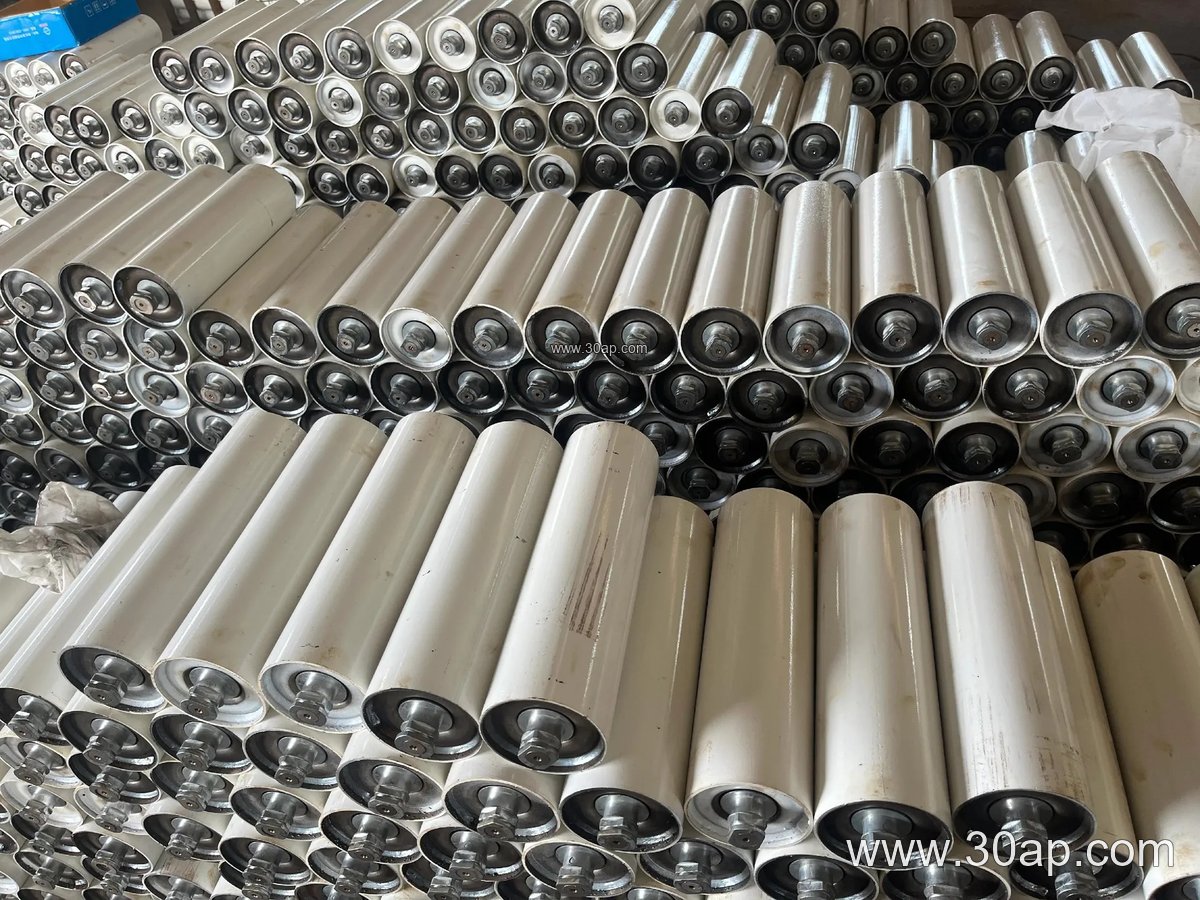
Where Return Idlers Fit in the Conveyor
The return idler sits between the head pulley and the tail pulley, supporting the belt on its return journey. It is distinct from the drive pulley, tail pulley, and bend pulley, which transmit power or change belt direction. The return idler does not drive the belt; it only supports it. In a long overland conveyor at a power plant or a port ship loading system, return idlers are spaced at regular intervals to keep belt sag within limits and to reduce vibration.
In a stone crushing line or aggregate conveyor, the return side may carry a light coating of dust that falls off as the belt passes over each roller. Spacing and roller diameter are chosen so the belt does not flap or sag excessively. In an underground coal mining conveyor, flame retardant and anti-static properties of the belt are critical, and the return idler must be compatible with the belt and the environment.
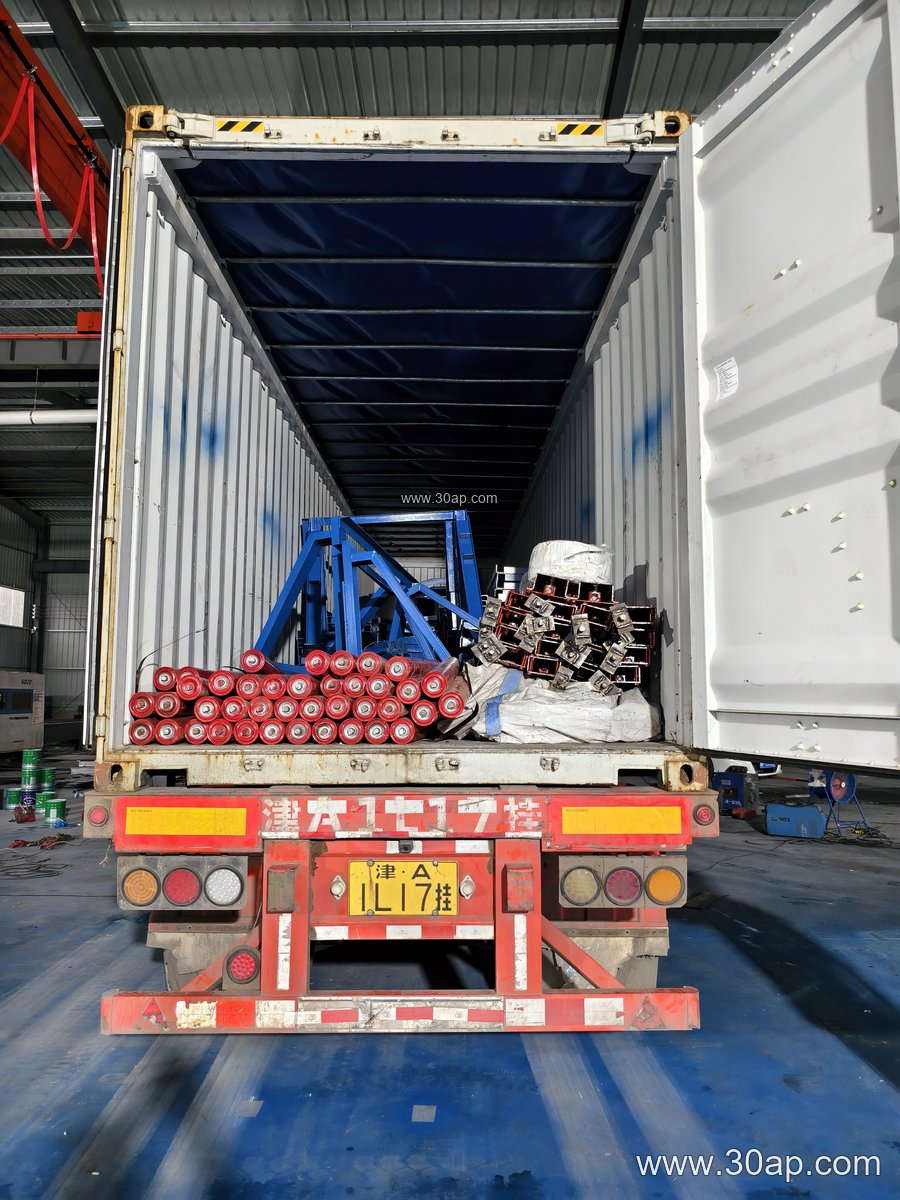
Common Sizes and Configurations
Return idlers are available in a range of roller diameters and lengths. The table below shows typical reference values; actual selection depends on belt width, belt tension, and the conveyor design.
| Roller Diameter | Typical Belt Width Range | Common Bearing Options |
|---|---|---|
| Ø63 mm | B400 to B650 | 6204, 6205 |
| Ø76 mm | B500 to B800 | 6204, 6205 |
| Ø89 mm | B650 to B1000 | 6205, 6305 |
| Ø102 mm | B800 to B1200 | 6305, 6306 |
| Ø108 mm | B800 to B1400 | 6305, 6306 |
| Ø127 mm | B1000 to B1600 | 6306, 6308 |
| Ø133 mm | B1200 to B1800 | 6308, 6310 |
| Ø159 mm | B1400 to B2000 | 6308, 6310 |
| Ø178 mm | B1600 to B2200 | 6310 |
| Ø194 mm | B1800 to B2400 | 6310 |
| Ø219 mm | B2000 to B2400 | 6310 |
These values are indicative and should not be treated as fixed pairings. A wide belt such as a 1800mm wide conveyor belt may use a larger roller diameter to reduce rotation speed and bearing load, while a short conveyor with a 650mm belt may use a smaller roller. The roller length also varies with belt width and idler type; a flat return roller is generally longer than a single carrying roller for the same belt width.
Buyer Checklist
- Belt width and speed: Confirm the belt width, such as 800mm, 1000mm, or 1200mm, and the belt speed. Higher speed increases bearing RPM and heat.
- Load and spacing: The return idler carries only the belt weight plus any material carryback. Spacing is usually wider than on the carrying side, but it must be calculated.
- Environment: In a coal mining conveyor or a cement plant, dust and moisture dictate seal quality. In a fertilizer or food grade line, material compatibility matters.
- Belt type: A steel cord conveyor belt or a heavy-duty mining conveyor belt may require larger rollers and stronger brackets than a lightweight fabric core belt.
- Roller surface: Rubber-covered rollers help in abrasive service; plain steel is common in general bulk material handling.
When ordering, specify the roller diameter, face length, shaft size, bearing type, and sealing class. A reputable supplier will ask for the belt width, conveyor profile, and operating environment before recommending a specific lower return idler. Keeping a few spare rollers and brackets on hand reduces downtime in a busy sand making plant or ore handling facility.