What an Impact Idler Bracket Does
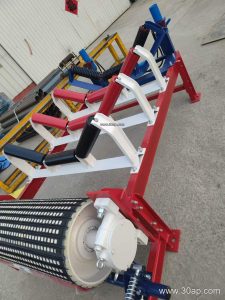
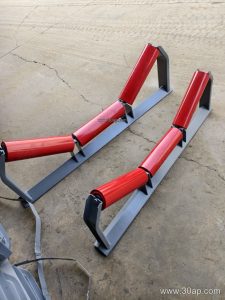
At the transfer point of a conveyor system, material drops onto the belt with significant force. An impact idler bracket is the structural support that holds the impact idlers in place, absorbing shock and keeping the belt path stable. Often called a buffer idler support frame, this component is distinct from standard troughing brackets because its design prioritizes energy dissipation and alignment under heavy loads. In quarry, cement, and power plant coal handling, the right bracket protects both the idler roller and the conveyor belt from premature wear.
Construction and Materials
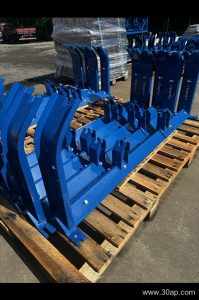
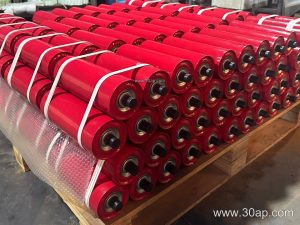
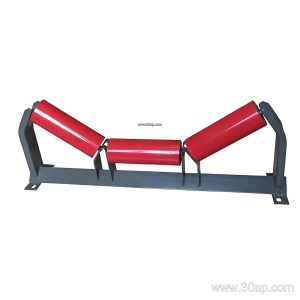
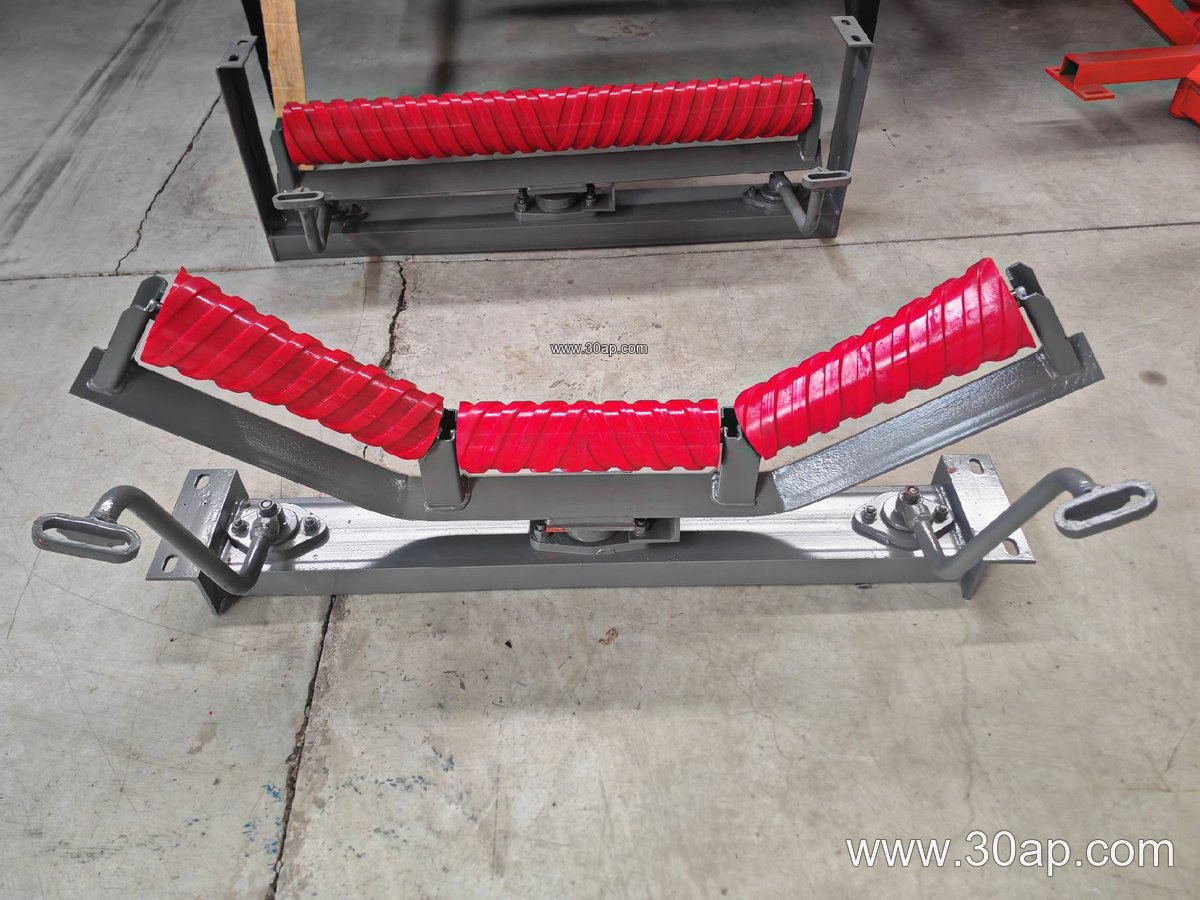
Most impact idler brackets are fabricated from angle steel, channel steel, or formed steel plate. The frame typically features a reinforced crossbeam and mounting slots that allow the impact rollers to sit slightly higher or with a different profile than standard troughing sets. Common belt widths include B500, B650, B800, B1000, B1200, and B1400, with trough angles of 20, 30, 35, or 45 degrees. Roller diameters such as Ø89, Ø108, Ø133, Ø159, and Ø194 are matched to the belt width and load conditions. The bracket must be sturdy enough to resist vibration without transferring excess stress to the conveyor bracket or main frame.
Where It Fits in the System
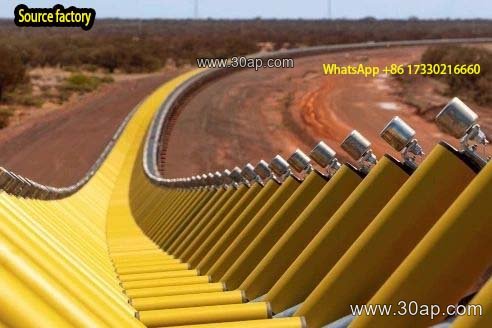
You will find impact idler brackets at loading points, crusher discharge zones, and anywhere a conveyor receives material from a chute or another belt. In a limestone mine or aggregate plant, they sit directly under the drop point to cushion the fall. In a coal-fired power plant, they help maintain belt tracking when coal arrives at high speed. They work together with conveyor pulleys—the drive pulley, tail pulley, and bend pulley have different roles—but the impact bracket focuses solely on the load zone. A conveyor pulley provides traction and direction change; the impact bracket provides local support and shock absorption.
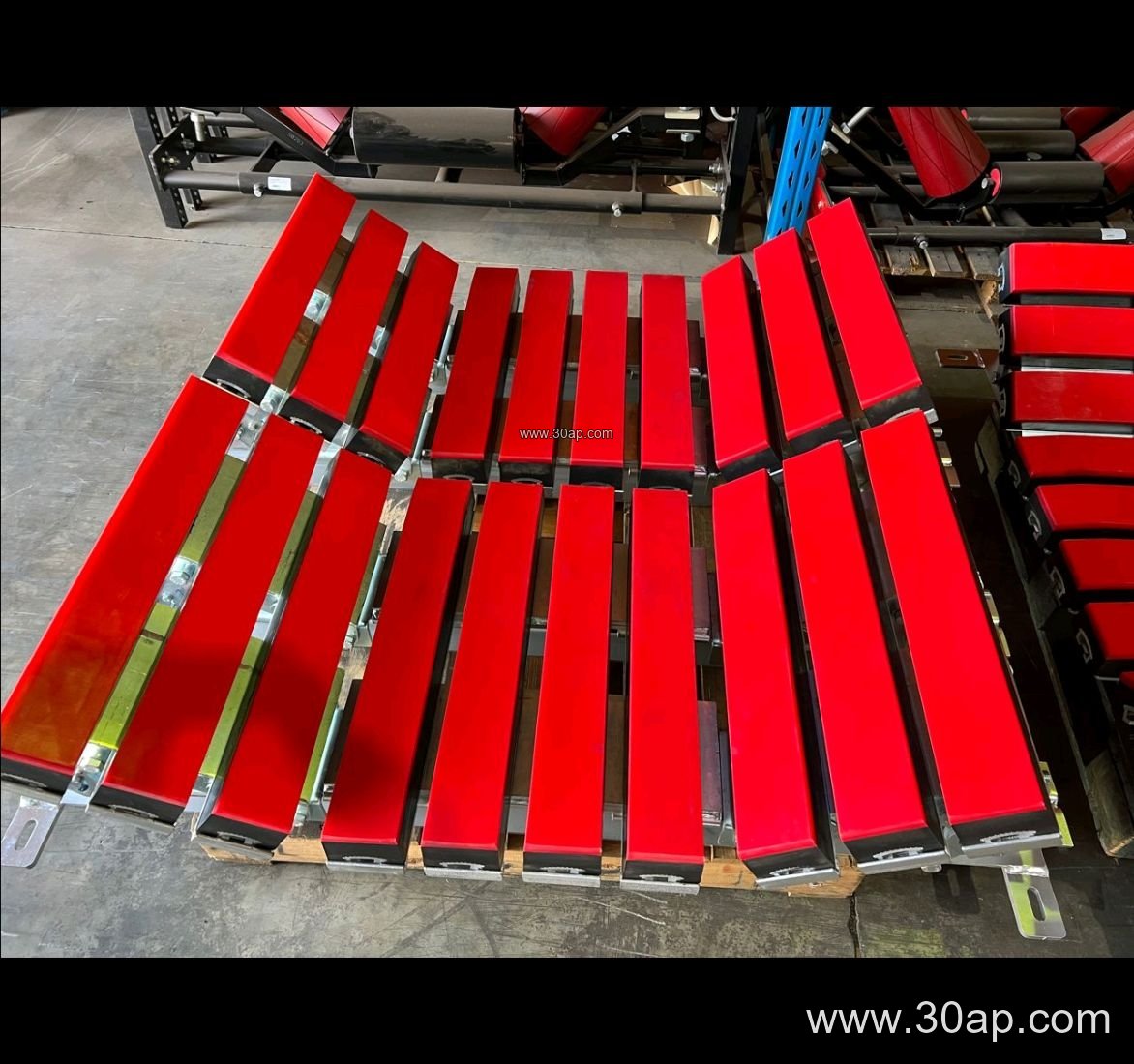
For harsh conditions, the belt itself might be a heavy-duty mining conveyor belt, an abrasion resistant conveyor belt, or a flame retardant conveyor belt. The bracket’s job is to keep the idler roller aligned so the belt runs smoothly over the load zone.
Types and Adjustability
Impact idler brackets come in fixed and adjustable designs. Fixed brackets are welded or bolted at a set trough angle, while adjustable brackets let maintenance teams fine-tune the trough angle between 20 and 45 degrees to match material flow. Some designs include a slight forward tilt of about 1.5 to 2 degrees to help center the belt. A buffer idler support frame may also be paired with self-aligning idler brackets nearby, but the impact bracket remains the primary shock-absorbing element. When specifying, consider the belt width, the typical lump size, and the drop height. A B800 belt with a 35-degree trough and Ø108 rollers is a common combination, but B1200 with 45 degrees and Ø133 rollers is equally valid for heavier loads.
Buyer Checklist
- Confirm the belt width (e.g., B650, B1000, B1600) and the required trough angle.
- Check the idler roller diameter and the mounting hole spacing—these vary with belt width and trough angle.
- Verify the material and finish: angle steel or channel steel may need galvanizing or painting for wet or corrosive environments.
- Decide between fixed and adjustable brackets based on how often the load zone conditions change.
- Ensure compatibility with the existing conveyor bracket and idler roller frames.
Maintenance and Longevity
Inspect impact idler brackets for loose bolts, bent crossbeams, or worn mounting slots. A deformed bracket can misalign the idler roller and cause the conveyor belt to track poorly, leading to edge damage. In dusty applications such as a cement plant or a stone crushing line, clean the bracket area regularly to prevent material buildup that can alter the trough profile. Replacing a worn bracket early is cheaper than replacing a damaged belt or pulley. For extreme conditions, pair the bracket with an impact resistant conveyor belt and idlers rated for heavy-duty mining conveyor belt service.
Whether you are upgrading a quarry conveyor belt line or maintaining a coal mining conveyor belt system, the impact idler bracket is a small but critical part of the load zone. Choose a design that matches your belt width, trough angle, and roller diameter, and keep spares on hand for quick changeouts.