What an EP1000 Conveyor Belt Is
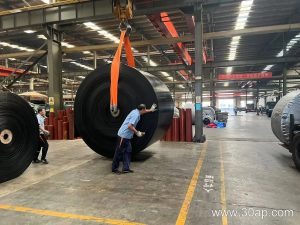
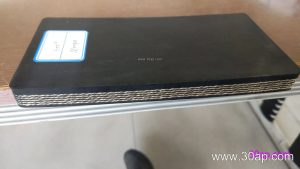
An EP1000 Conveyor Belt is a fabric-core rubber belt built on polyester-polyamide (EP) carcass layers with a nominal tensile strength of 1000 N/mm per ply. It sits in the middle-upper range of the EP family, above EP630 and below EP1250, and it is one of the most common choices for main haulage lines in mines, quarries, cement plants, power stations and port bulk terminals. The same product is also described as an EP1000 rubber conveyor belt or, more precisely, an EP1000 fabric core conveyor belt, since the EP carcass is what defines its strength class.
Compared with an NN Conveyor Belt, which uses nylon-nylon fabric, the EP carcass offers lower elongation under load and better dimensional stability over long center distances. That is a practical reason why EP1000 is often selected for trunk conveyors where take-up travel must stay within a reasonable range.
Carcass, Covers and Construction Details
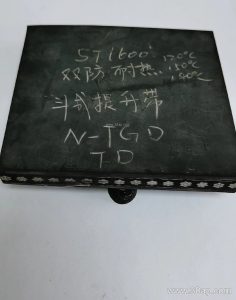
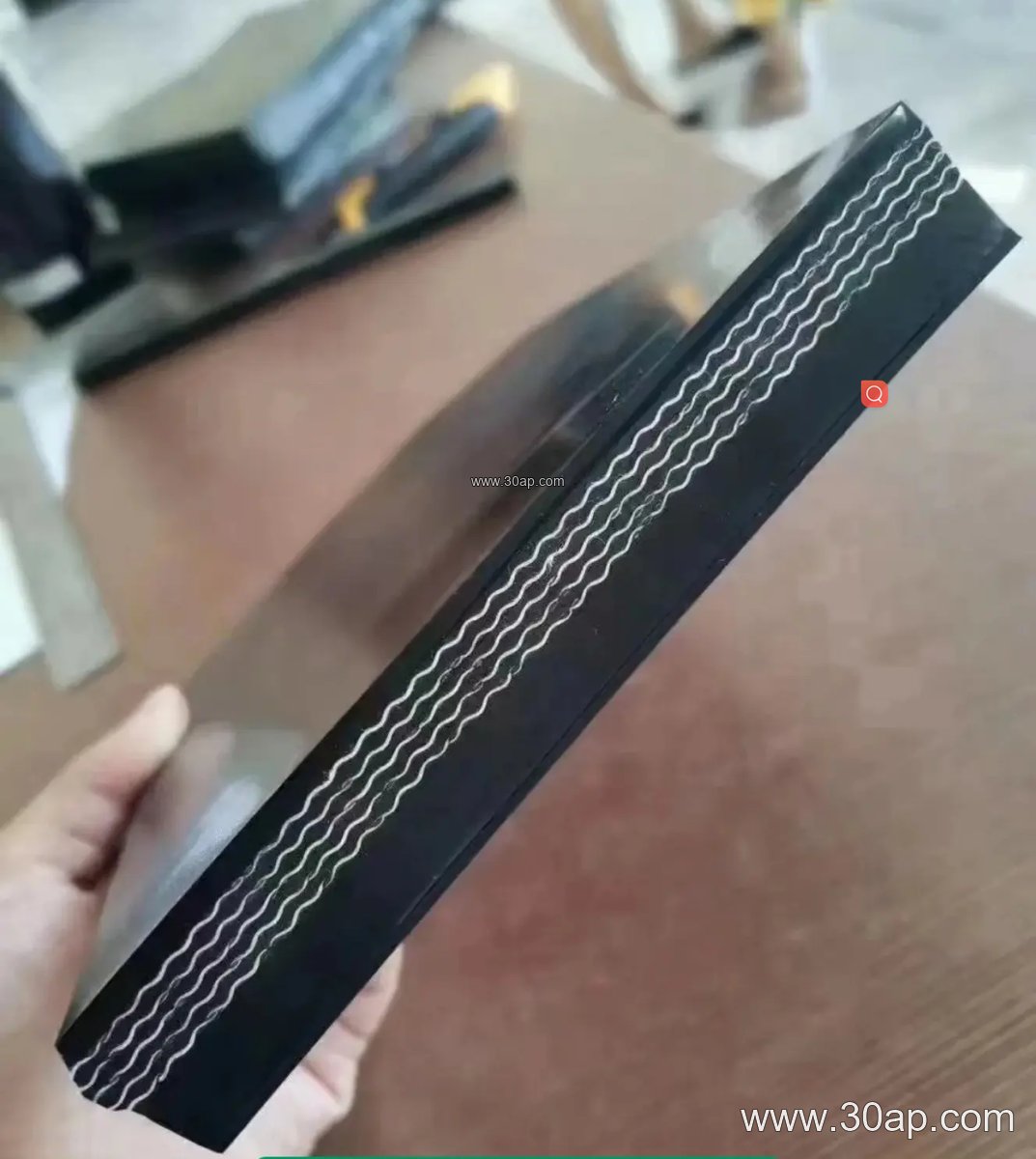
The carcass is usually 2 to 6 plies of EP fabric, bonded by a rubber skim compound. Top and bottom covers protect the carcass from abrasion, impact and moisture. Typical cover combinations include 4+2 mm, 5+2 mm, 6+2 mm and 8+3 mm, and a heavier top cover is common on crusher discharge belts where rock and ore are dropped onto the belt. The belt edges may be cut square or molded, and for long runs an Endless Conveyor Belt joint can reduce splice fatigue.
Key construction points a buyer should confirm:
- Number of EP plies and the fabric supplier, since not all EP fabric is equal in adhesion and fatigue life.
- Cover grade — abrasion resistant, heat resistant, oil resistant, flame retardant or anti-static — matched to the actual cargo and environment.
- Edge condition and splice method, because a weak joint shortens belt life more than cover wear does.
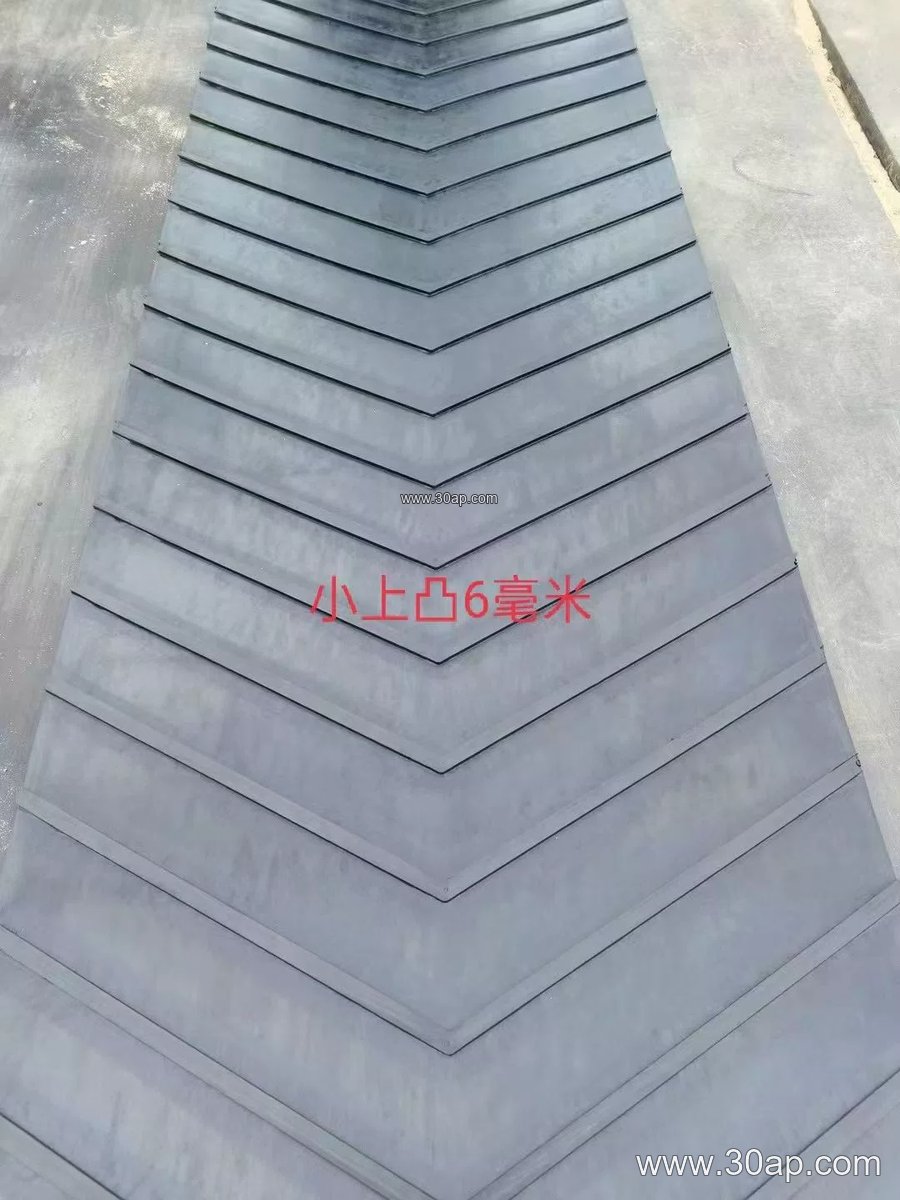
- Whether a chevron or corrugated sidewall profile is needed for steep inclines or to contain material.
Where EP1000 Belts Are Used
Typical duty is continuous bulk material handling at medium to high capacity. You will find EP1000 belts in underground coal mining conveyors, quarry and aggregate lines, cement plant raw-mill feed, power plant coal yards, iron ore and copper ore handling, and ship loading systems. In a stone crushing plant, an EP1000 belt often carries crushed rock from the secondary crusher to the screening tower, while a lighter EP630 or EP800 may serve as a transfer belt.
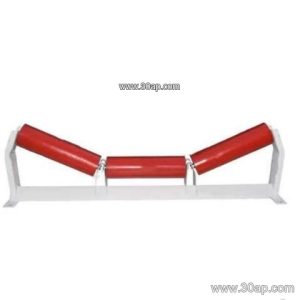
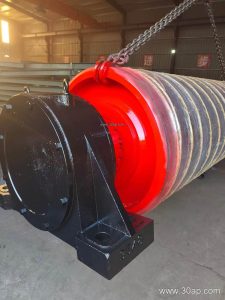
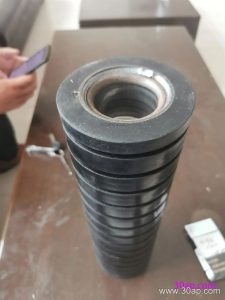
While a steel cord conveyor belt such as ST1600 or ST2000 is preferred for very long, high-tension single flights, the EP1000 fabric belt remains a cost-effective and repairable option for multi-flight networks with moderate tension. It also works well together with standard conveyor pulleys, idler rollers and conveyor brackets, and it can be supplied as a flame retardant conveyor belt grade for coal mining use or as a heat resistant conveyor belt variant for clinker and sinter handling.
Common Reference Dimensions
The following table shows typical reference values for EP1000 belts. These are design references, not fixed pairings — belt width and pulley diameter are chosen together by the conveyor designer, not by a single rule.
| Parameter | Typical reference range |
|---|---|
| Strength class | EP1000 (1000 N/mm per ply) |
| Belt width | B650, B800, B1000, B1200, B1400, B1600, B1800 |
| Number of plies | 3 to 5, occasionally 6 |
| Top cover thickness | 4 mm, 5 mm, 6 mm, 8 mm |
| Bottom cover thickness | 1.5 mm, 2 mm, 3 mm |
| Cover grades | abrasion resistant, heat resistant, oil resistant, flame retardant, anti-static, cold resistant |
For example, an EP1000 1200mm conveyor belt with a 6+2 mm cover is a common configuration for a primary crushed-stone line, while a wider 1500mm or 1800mm belt may be used where throughput is high and the conveyor frame allows it.
Selection and Maintenance Notes
Choose the strength class from the calculated maximum belt tension, not from habit. A belt that is over-specified adds weight and cost, while an under-specified one risks splice failure. Confirm the pulley diameters with the conveyor designer so that the belt carcass is not over-flexed, and check that the troughing idler roller angle suits the material’s angle of repose.
On the maintenance side, keep the belt tracking straight, inspect splices monthly, and clean carry-back material from the tail area to prevent misalignment. Store spare belts away from direct sunlight, oil and ozone sources. For a mine site, a small stock of splice materials and a spare section of EP1000 belt is often more useful than a full spare roll.
Related equipment such as conveyor pulleys, idler rollers and conveyor brackets should be inspected at the same time as the belt, because a seized roller or worn pulley lagging can damage even a well-built EP1000 carcass within a short period.