What a Cold Resistant Conveyor Belt Is
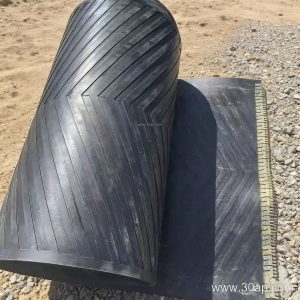
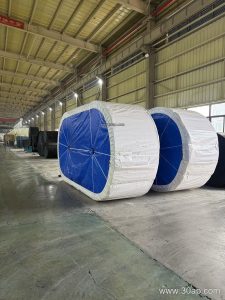
A cold resistant conveyor belt is a rubber conveyor belt engineered to stay flexible and crack-free when it operates in low ambient temperatures. Standard rubber compounds stiffen as the mercury drops, which can lead to hard startup, surface cracking, and premature failure at the pulley and idler roller contact points. The cold resistant conveyor belt uses a specially formulated rubber compound, usually based on natural rubber blends or low-temperature-resistant elastomers, to keep adequate elasticity in cold climates, cold storage facilities, and outdoor installations in winter conditions.
Buyers often search for this product as a low temperature conveyor belt or cold climate conveyor belt. These are accurate equivalent names for the same product, and they refer to the same construction principle: a fabric or steel reinforced carcass protected by cover rubber that retains flexibility below freezing.
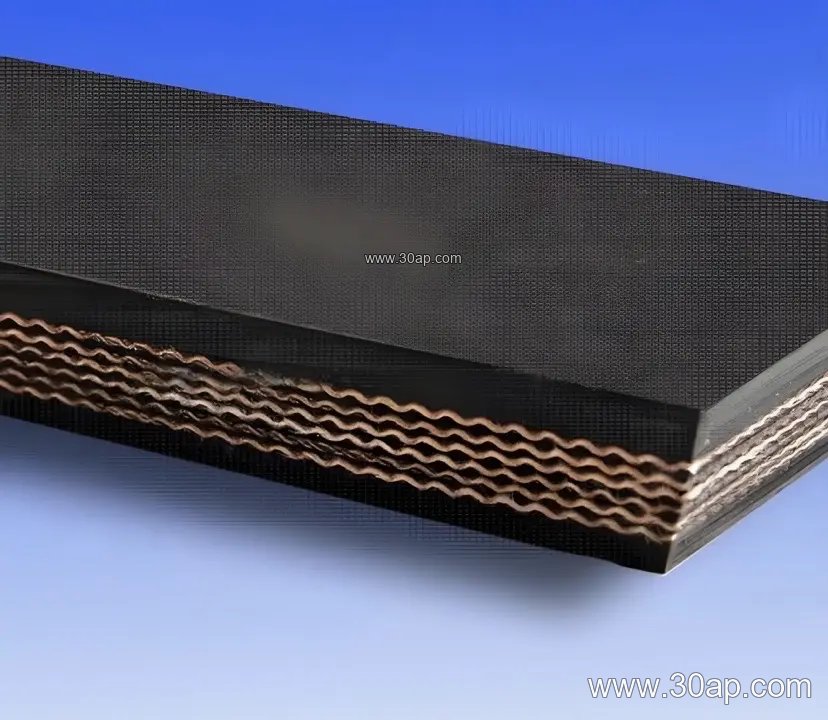
How It Is Built
The construction follows normal conveyor belt practice, with the cold-weather compound applied to the covers and, in many designs, to the skim and friction layers that bond the carcass plies. A typical build includes:
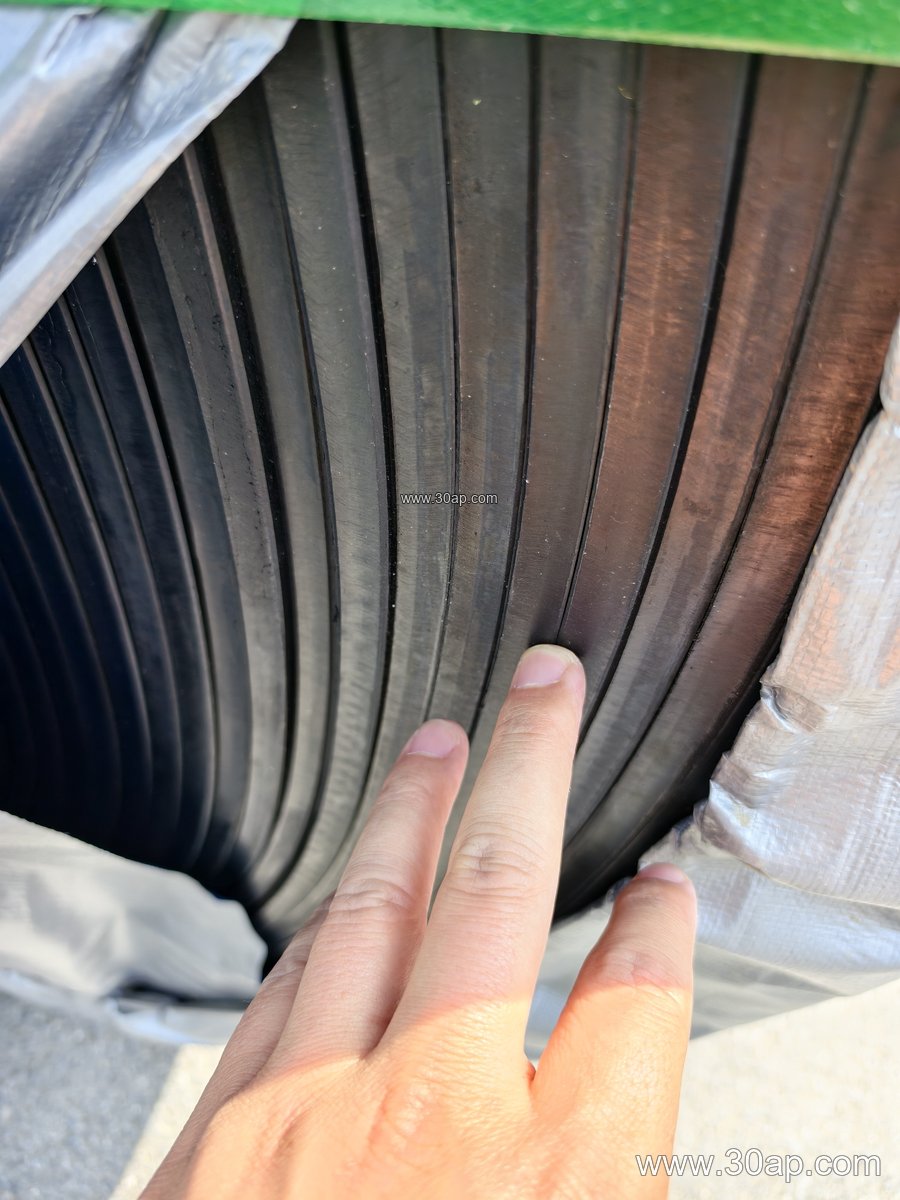
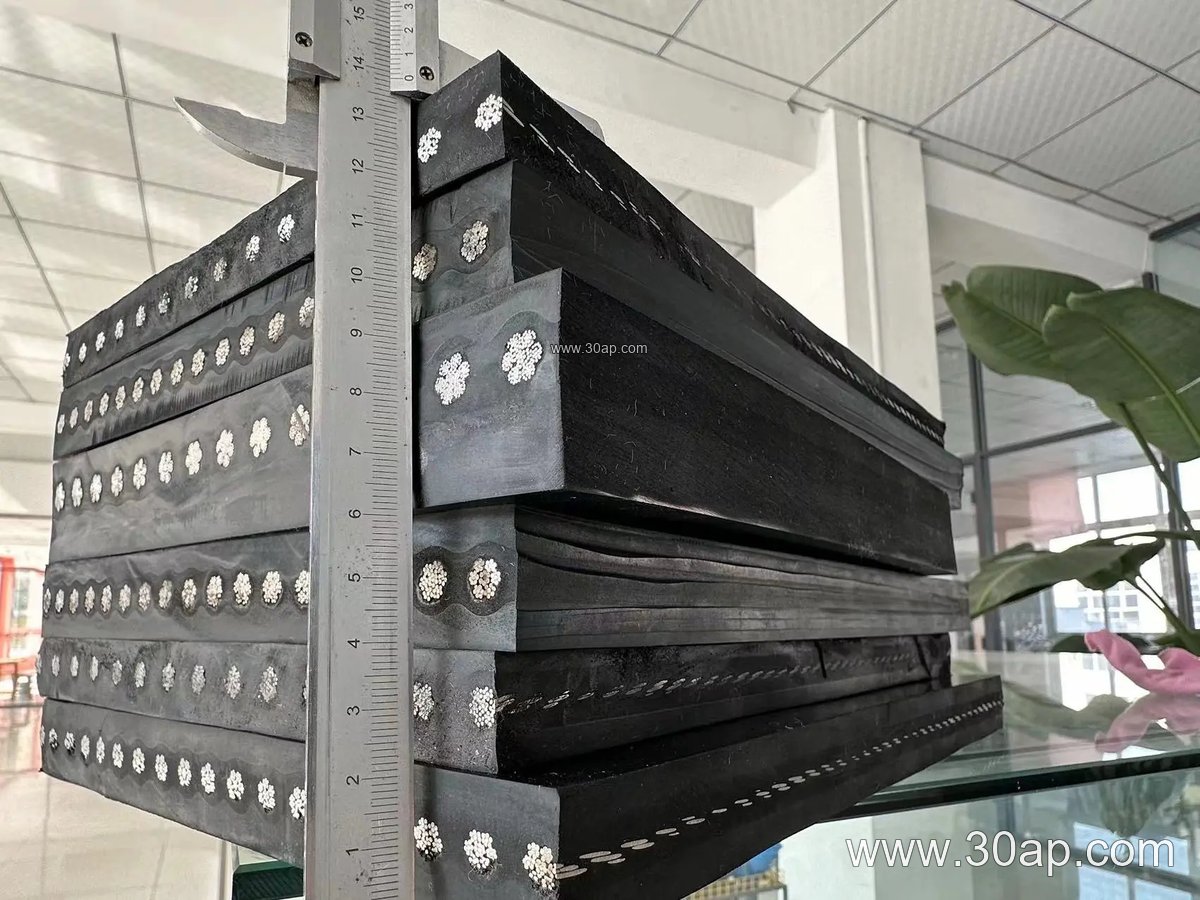
- Carcass: multi-ply fabric core, such as EP conveyor belt or NN conveyor belt fabric, or a steel cord conveyor belt carcass for high tension and long distances.
- Covers: top and bottom cover rubber with low-temperature flexibility, commonly supplied in cover gauges such as 3+1.5 mm, 4+2 mm, 5+2 mm, 6+2 mm, and 8+3 mm depending on the duty.
- Edge and splice design: stepped or finger splices that remain strong and flexible in cold conditions, sometimes specified as an endless conveyor belt for fixed-length drives.
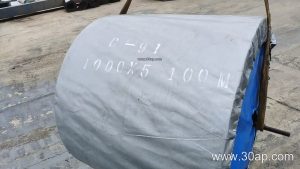
The number of fabric plies usually ranges from two to six, and the belt strength class is selected according to the conveyor design. EP1000, EP1250, and EP1600 are common strength grades in cold-climate mining and bulk handling, while steel cord grades such as ST1250 and ST1600 suit heavy-duty mining conveyor belt duties. Actual values should be confirmed with the belt manufacturer, because low-temperature performance depends on compound formulation, not only on strength class.
Where It Is Used
Cold resistant belts appear wherever material must keep moving in low temperatures. Typical industries include:
- Open-pit and underground mining in cold regions, including iron ore, copper ore, and coal handling.
- Coal mining and coal preparation plants where winter operation is unavoidable.
- Cement plants, quarries, and sand and gravel yards in northern climates.
- Power plants and steel plants with outdoor stockyard conveyors.
- Ports, ship loading systems, and cold storage or freezer logistics.
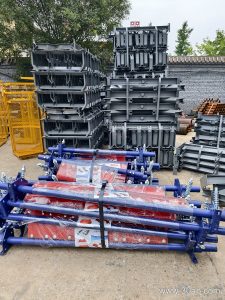
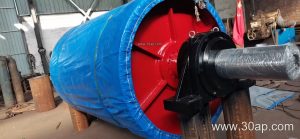
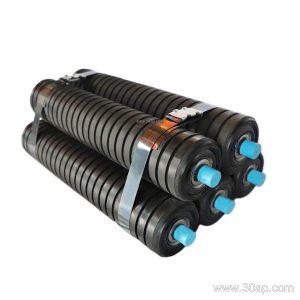
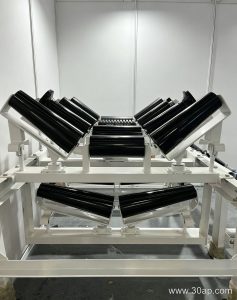
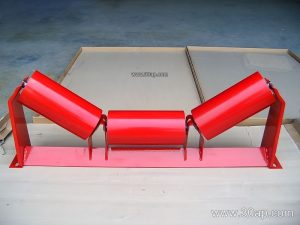
In these settings the belt works together with conveyor pulleys, idler rollers, and conveyor brackets. Drive pulleys, tail pulleys, and bend pulleys each have a distinct role, and cold-weather flexibility matters at every one of them, especially at the drive pulley where startup torque is highest.
Specifications Buyers Should Review
Cold resistance is one property among several. A buyer should confirm the full specification rather than a single temperature figure. The table below shows typical reference values; these are examples, not universal guarantees.
| Parameter | Typical reference values |
|---|---|
| Belt type | EP conveyor belt, NN conveyor belt, steel cord conveyor belt |
| Strength grade | EP200, EP315, EP400, EP500, EP630, EP800, EP1000, EP1250, EP1600, EP2000 |
| Belt width | B500, B650, B800, B1000, B1200, B1400, B1600, B1800, B2000 |
| Cover thickness | 3+1.5 mm, 4+2 mm, 5+2 mm, 6+2 mm, 8+3 mm |
| Carcass plies | 2 to 6 plies, by design |
When cold performance is the priority, also check the lowest operating temperature stated by the supplier, the low-temperature brittleness point of the cover compound, and whether the splice materials are matched to the same temperature range.
Selection and Maintenance Notes
Match the belt class to the actual duty. A quarry conveyor belt moving frozen aggregate may need a heavier cover and an abrasion resistant conveyor belt compound, while a coal mining conveyor belt may also require flame retardant conveyor belt properties. In cold weather, avoid unnecessary impact at transfer points, keep the belt reasonably tensioned, and inspect covers and splices for stiffness or cracking after the first cold season.
For related components such as the conveyor pulley, idler roller, and conveyor bracket, confirm that bearings and lubricants are also rated for low temperature. A cold resistant conveyor belt performs best when the whole conveyor system is prepared for winter operation.