What a Four-Roll Idler Bracket Does
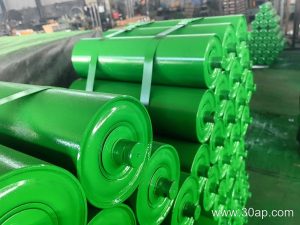
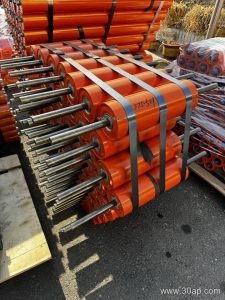
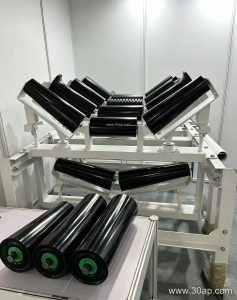
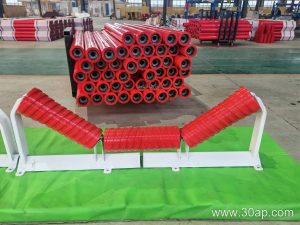
A four-roll idler bracket is a support frame that carries four idler rollers under the belt line, usually arranged to form a deep trough or a two-part transition. In a coal mining conveyor or a quarry conveyor belt system, this bracket helps keep the belt centered and reduces material spillage at transfer points. Unlike a standard three-roll set, the four-roll arrangement distributes load across more contact points, which can be useful where belt widths are large or where the belt needs extra guidance on curves. The same product is also called a four-roller idler bracket, and that equivalent name appears in plant maintenance lists and conveyor component catalogs.
Construction and Mounting Position
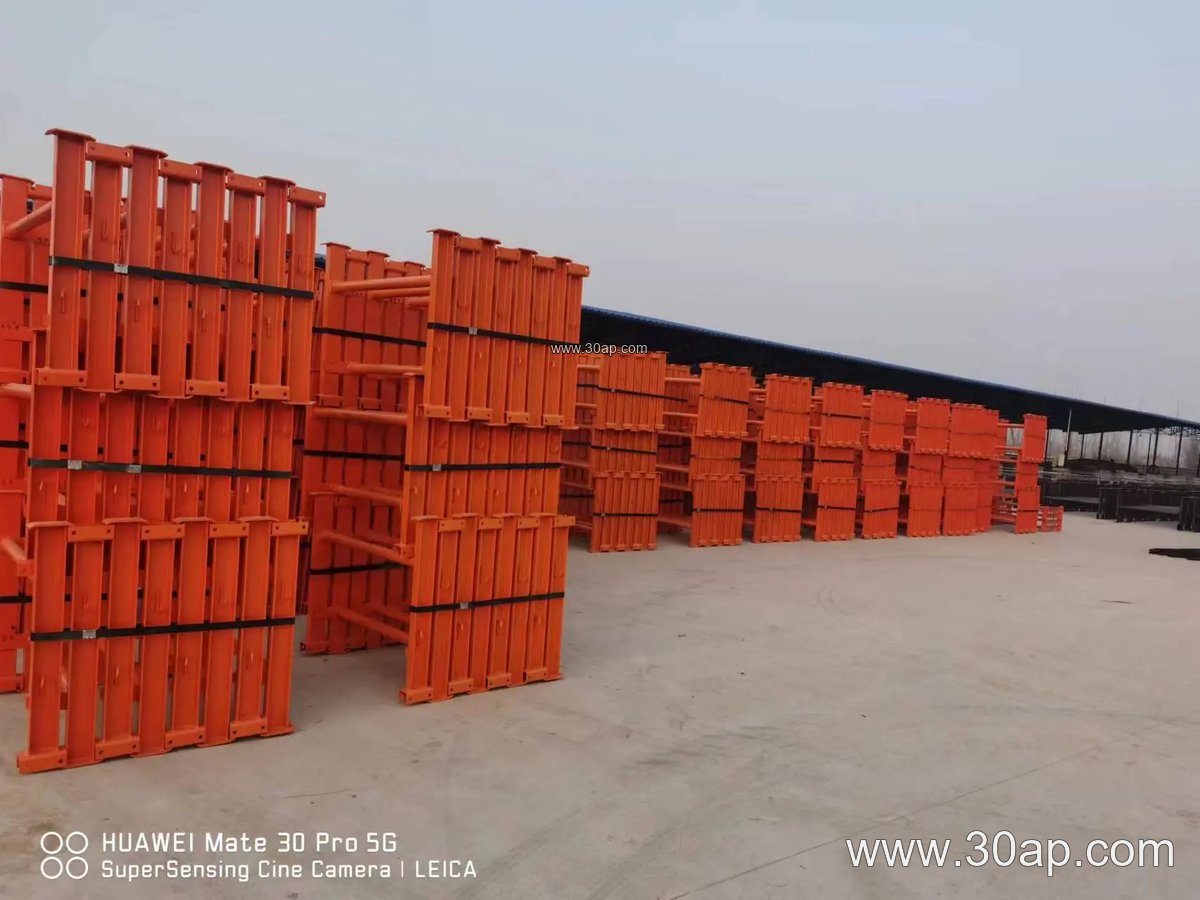
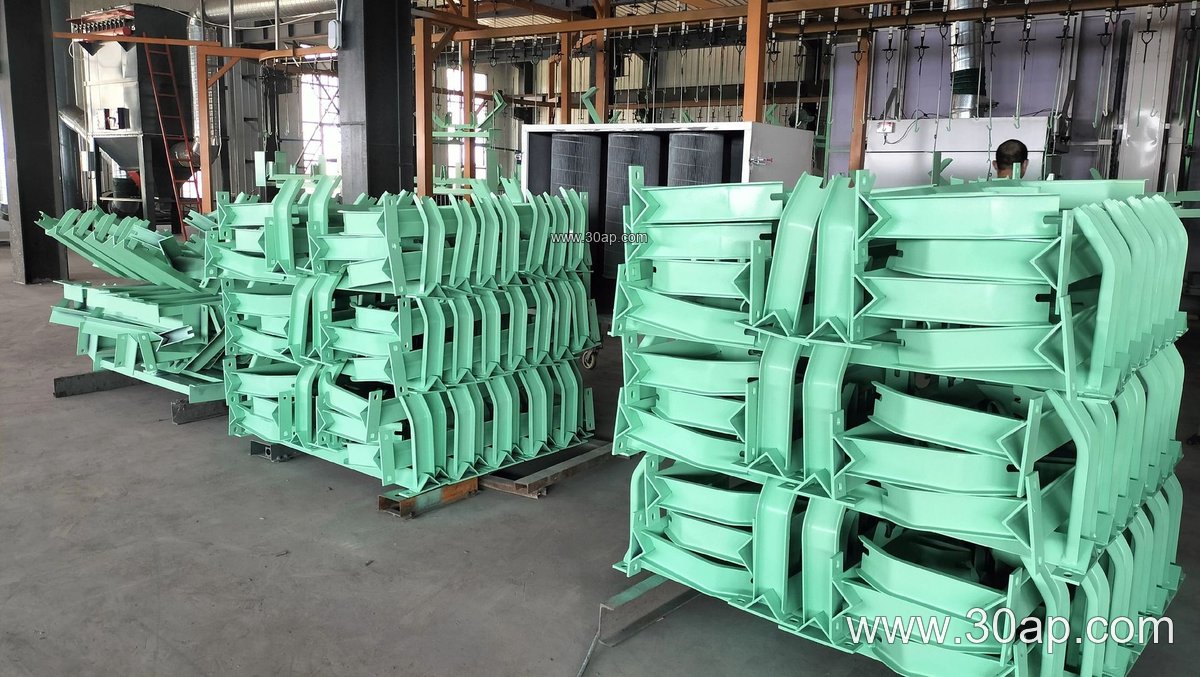
Most four-roll idler brackets are fabricated from angle steel, channel steel, or folded steel plate. The frame typically includes a crossbeam, mounting feet, and roller seats that are welded or bolted in place. Installation position depends on the conveyor layout: the bracket may sit on the carrying side as a troughing support, or on the return side as a lower support. On a cement plant conveyor or a power plant coal handling line, a four-roll bracket is often placed at loading zones and transition sections where the belt changes trough angle. The bracket works together with the conveyor belt, idler roller, and conveyor pulley to maintain a smooth belt path.
Common Configurations and Size References
Four-roll idler brackets are available in fixed and adjustable designs. Adjustable brackets allow the trough angle to be set between common values such as 20 degrees, 30 degrees, 35 degrees, and 45 degrees. Roller diameter and belt width are selected together; a B800 belt may use Ø108 rollers in one design, while a B1200 belt may use Ø133 rollers in another. The table below lists reference combinations, not mandatory matches. Actual mounting hole spacing and crossbeam length are determined by the conveyor design.
| Belt Width (B) | Trough Angle | Roller Diameter (Ø) | Typical Bracket Material |
|---|---|---|---|
| B500 | 20°–30° | Ø89 | Angle steel |
| B650 | 30°–35° | Ø89–Ø108 | Angle steel or folded plate |
| B800 | 30°–35° | Ø108–Ø133 | Channel steel |
| B1000 | 35°–45° | Ø108–Ø159 | Channel steel |
| B1200 | 35°–45° | Ø133–Ø159 | Folded steel plate |
| B1400 | 35°–45° | Ø133–Ø194 | Folded steel plate |
| B1600 | 35°–45° | Ø159–Ø194 | Channel steel or folded plate |
| B1800 | 35°–45° | Ø159–Ø194 | Heavy channel steel |
| B2000 | 35°–45° | Ø194 | Heavy channel steel |
| B2200 | 35°–45° | Ø194 | Heavy channel steel |
These values are common references. A four-roll bracket for a 1200mm wide conveyor belt may not fit a 1400mm frame without checking the mounting dimensions. Always confirm hole spacing and roller seat height with the conveyor manufacturer.
Where Four-Roll Brackets Are Used
Four-roll idler brackets are found in bulk material handling where belt stability matters. In a limestone quarry or an iron ore transfer station, the bracket supports the belt at the loading point and helps absorb impact when combined with impact idlers. In a coal preparation plant, a flame retardant conveyor belt may run over four-roll brackets in the main haulage drift. The bracket also appears in aggregate conveyor lines, crusher discharge conveyors, and port ship loading conveyors. It is not a replacement for a bend pulley or a tail pulley; those are separate components in the conveyor drive and tension system.
Buyer Checklist
- Confirm belt width and trough angle before ordering; a four-roll bracket for B1000 at 35 degrees differs from a B1000 bracket at 45 degrees.
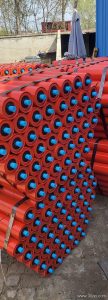
- Match roller diameter to the idler roller used in the same frame; common sizes include Ø89, Ø108, Ø133, Ø159, and Ø194.
- Decide between fixed and adjustable brackets based on whether the trough angle needs field adjustment.
- Check material thickness and welding quality for the intended load; heavy-duty mining conveyor brackets usually need thicker channel or folded plate.
- Verify mounting hole spacing and crossbeam length against the existing conveyor structure.
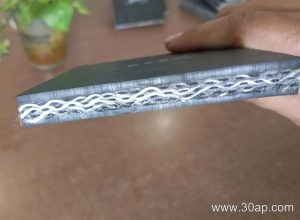
- Consider the belt type in service, such as an EP conveyor belt or a steel cord conveyor belt, because belt stiffness affects how the bracket and rollers share the load.
For more information on matching brackets with conveyor belts, idler rollers, and conveyor pulleys, visit conveyorbeltidler.com and review the bracket selection notes for your specific conveyor line.