What the Discharge-End Pulley Does
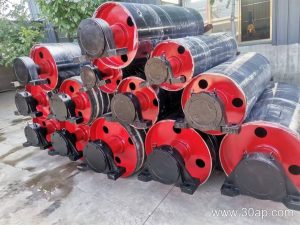
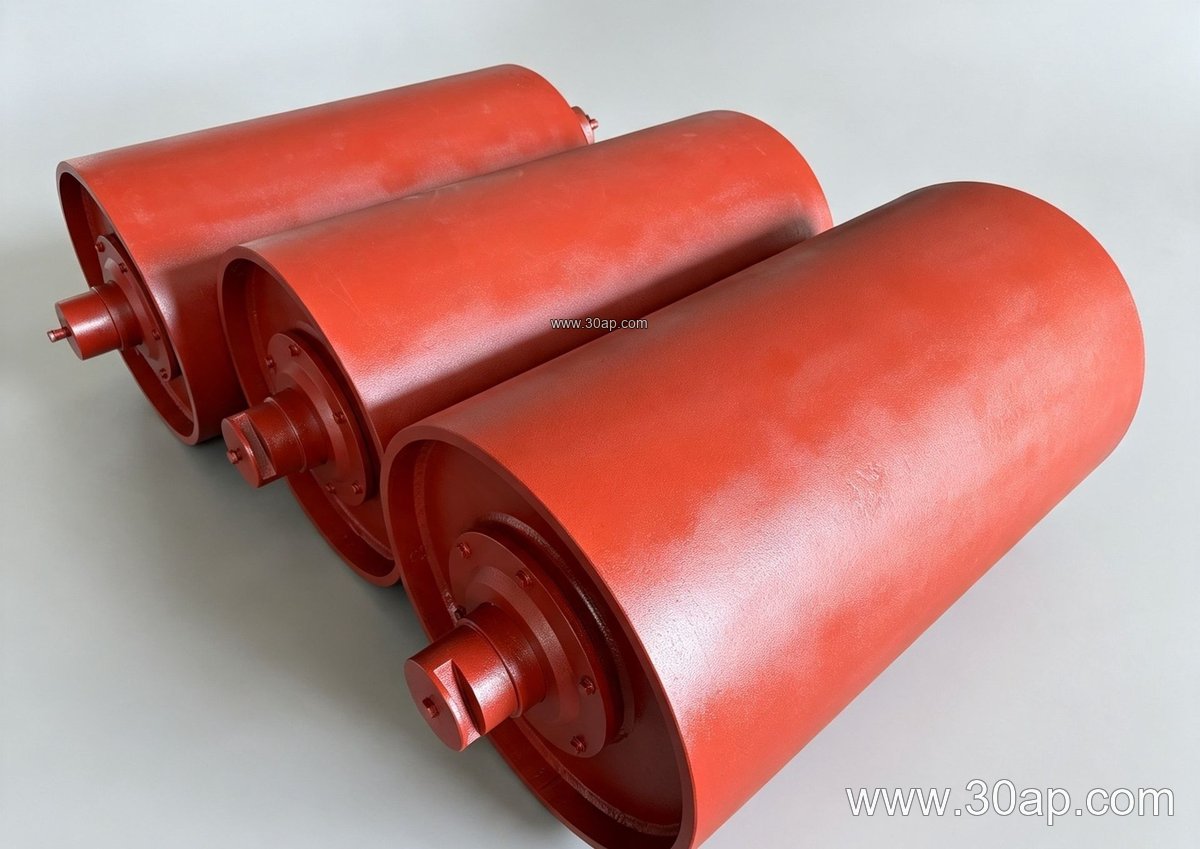
The discharge-end pulley is the roller at the delivery point of a belt conveyor, where the belt turns back after releasing its load into a chute, stockpile, or the next machine. In many layouts it is also the head pulley and the drive pulley, so it carries two jobs at once: transmitting torque to the belt and setting the path of the belt as it leaves the carrying run. In a cement plant clinker line or a power plant coal handling system, this is the point where material leaves the belt, so the pulley face, the lagging, and the shaft all see steady wear and load.
Because it sits at the head end, this component is sometimes called a head-end pulley or delivery pulley. Those are accurate equivalents for the same item. A tail pulley, a bend pulley, and a drive pulley are different positions in the conveyor and should not be treated as interchangeable names.
Construction and Surface Options
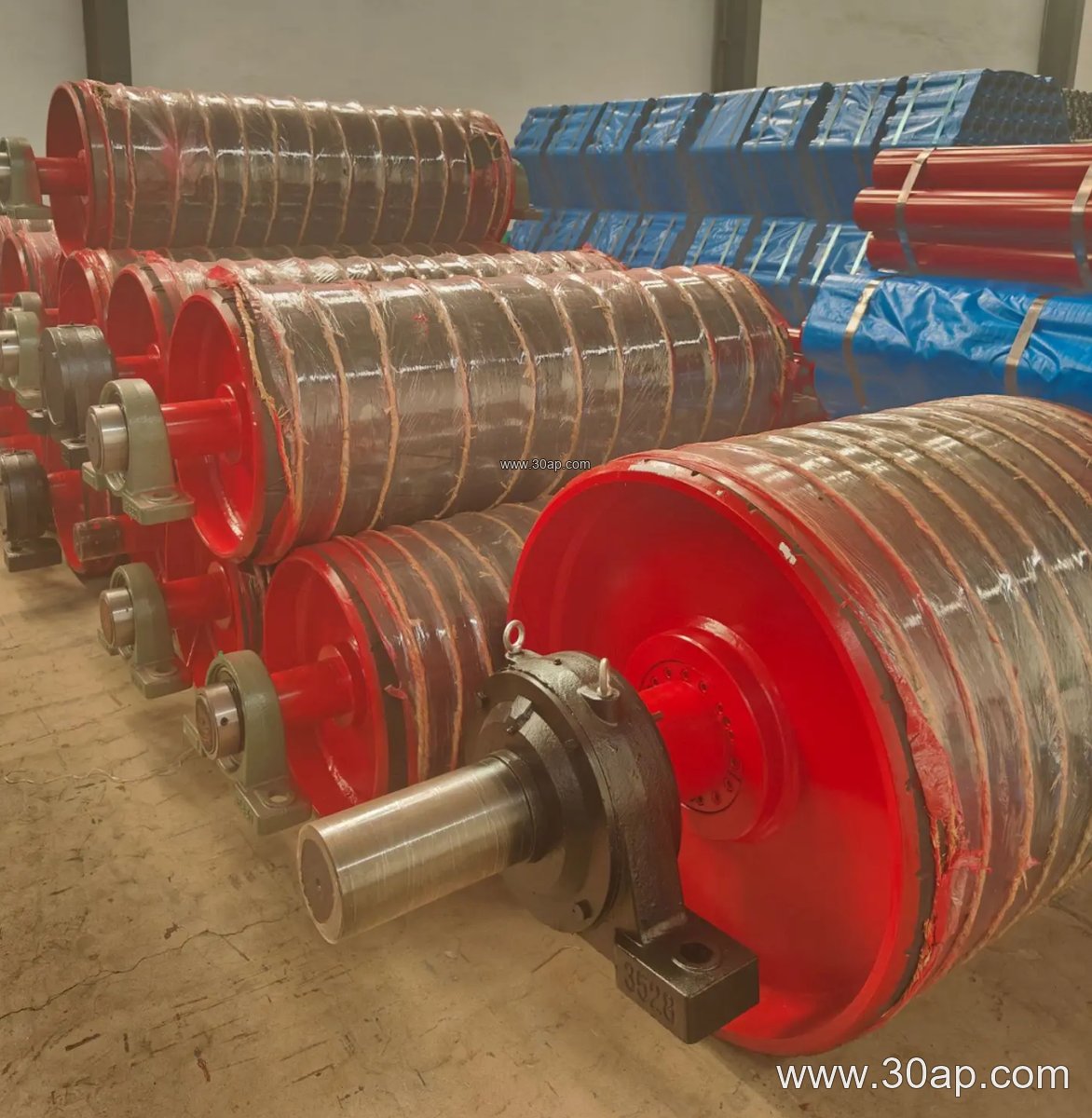
A discharge-end pulley is usually built as a steel drum with welded end discs, a machined shell, and a shaft keyed or shrink-fitted to the hubs. Larger units may use a hub-and-bushing design so the shell and shaft can be separated for maintenance. The shell is often lagged to improve grip and protect the surface from abrasion.
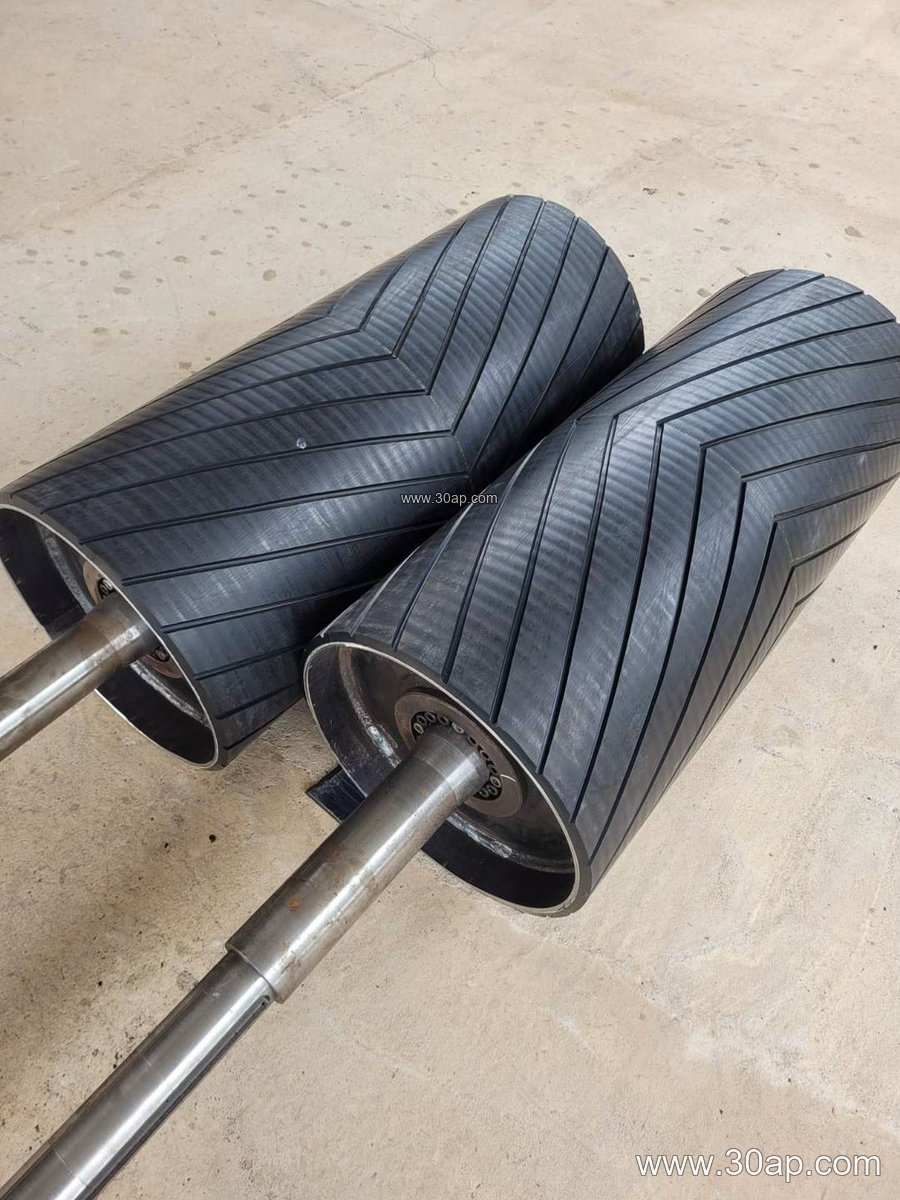
Common surface forms include plain, hot-vulcanized rubber, cold-bonded rubber, diamond grooved, herringbone, and ceramic lagging. Lagging thickness is often 8, 10, 12, 15, or 20 mm, chosen according to the duty. A diamond pattern helps shed water and fine dust, while ceramic tiles suit high-wear duty where a rubber conveyor belt runs at speed under a steady stream of abrasive rock.
Matching the Pulley to the Belt Line
Buyers should look at the belt width, the pulley diameter, the shaft diameter, and the bearing arrangement as a set rather than as separate items. The face width is normally a little wider than the belt, for example about 500 mm for B400, about 950 mm for B800, about 1150 mm for B1000, about 1400 mm for B1200, and about 1800 mm for B1600. These are typical reference values, not fixed pairings.
| Belt width | Typical pulley face width | Example diameter |
|---|---|---|
| B650 | about 750 mm | Ø400 to Ø630 |
| B800 | about 950 mm | Ø500 to Ø800 |
| B1200 | about 1400 mm | Ø800 to Ø1250 |
| B1400 | about 1600 mm | Ø1000 to Ø1400 |
Shaft sizes are commonly Ø80, Ø100, Ø120, Ø140, Ø160, Ø180, or Ø200, but the final value follows torque and load, not belt width alone. A B1200 × Ø1000 unit and a B800 × Ø500 unit can both be correct in different conveyors. Do not assume one belt width locks the pulley to one diameter.
Where It Fits in the Plant
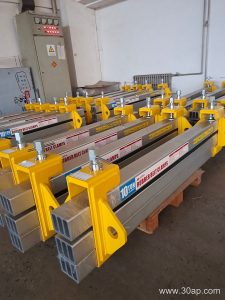
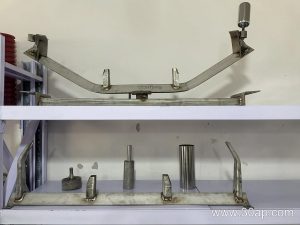
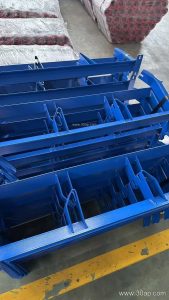
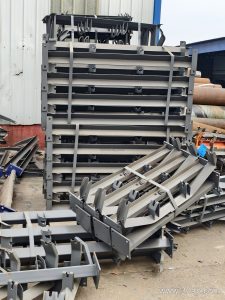
You will find this pulley on quarry conveyor lines feeding a secondary crusher, on aggregate belts at a sand and gravel plant, and on overland conveyors in iron ore or copper ore handling. It also appears in coal preparation plants and port bulk terminals where the belt discharges into a ship loader. In these duties the pulley works with a heavy-duty mining conveyor belt, conveyor idler rollers along the carry side, and a sturdy conveyor bracket at the head frame.
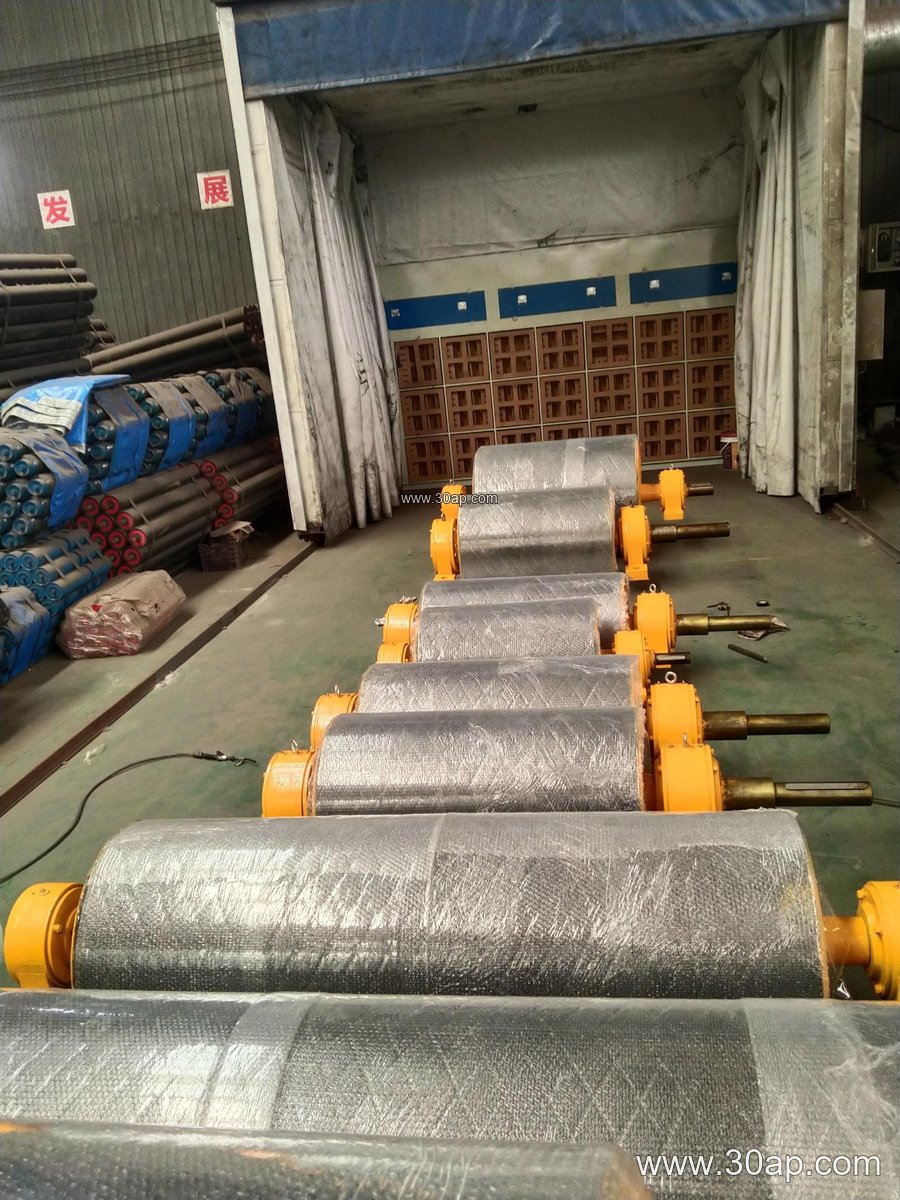
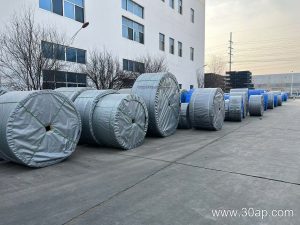
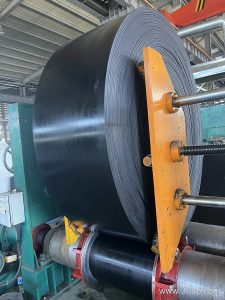
Belt selection matters too. A steel cord conveyor belt behaves differently from an EP conveyor belt or an NN conveyor belt, and a heat resistant conveyor belt on clinker duty needs a pulley that can take thermal cycling without lagging failure. Flame retardant conveyor belt grades are common underground, while an abrasion resistant conveyor belt is typical on crushed stone. In all cases the discharge-end pulley should be matched to the belt’s tension and tracking behavior.
Buyer Checklist
- Confirm the pulley position and whether it is also the drive pulley.
- Give belt width, belt type, and expected belt tension with the inquiry.
- State the required face width and lagging pattern, plus lagging thickness.
- Specify shaft diameter and bearing type from the conveyor design, not from a catalog shortcut.
- Check chute clearance and the wrap angle at the discharge point.
- Plan a inspection interval for lagging wear and shell runout.
For more on related components such as the conveyor belt, idler roller, and conveyor pulley, review the full conveyor line before ordering. A well-specified discharge-end pulley keeps the delivery point clean and the belt tracking steady, whether the plant handles limestone, coal, clinker, or ore.