What a Heavy-Duty Ceramic Lagged Pulley Actually Does
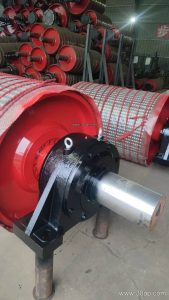
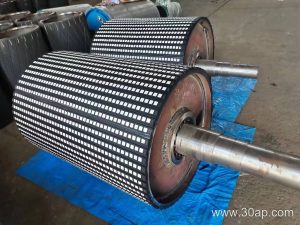
A heavy-duty ceramic lagged pulley is a conveyor pulley whose shell is covered with ceramic tiles set in a tough rubber or polymer backing. The ceramic studs grip the conveyor belt under load, while the flexible matrix between the tiles absorbs shock and keeps the belt from slipping when the drive is working hard. In practice, this is a drive pulley upgrade for conveyors that move abrasive, wet or heavy bulk material, and it is often the difference between steady production and constant belt tracking problems.
Ceramic lagging belongs to the same family as plain rubber lagging and diamond-pattern lagging, but it is chosen when ordinary rubber wears too quickly. It is not a replacement for a tail pulley or a bend pulley; those positions handle belt tension and direction changes, while the ceramic-lagged pulley is normally the one transmitting torque to the belt.
How the Ceramic Surface Is Built
The pulley body is usually a welded steel shell with machined end discs and a shaft sized by torque and load, not by belt width alone. Ceramic tiles, commonly 10 to 20 mm thick overall with the tile itself around 5 to 8 mm, are bonded in a staggered pattern. The gaps between tiles let water and fines escape, which is why the surface keeps its grip in wash-down areas and in wet ore handling.
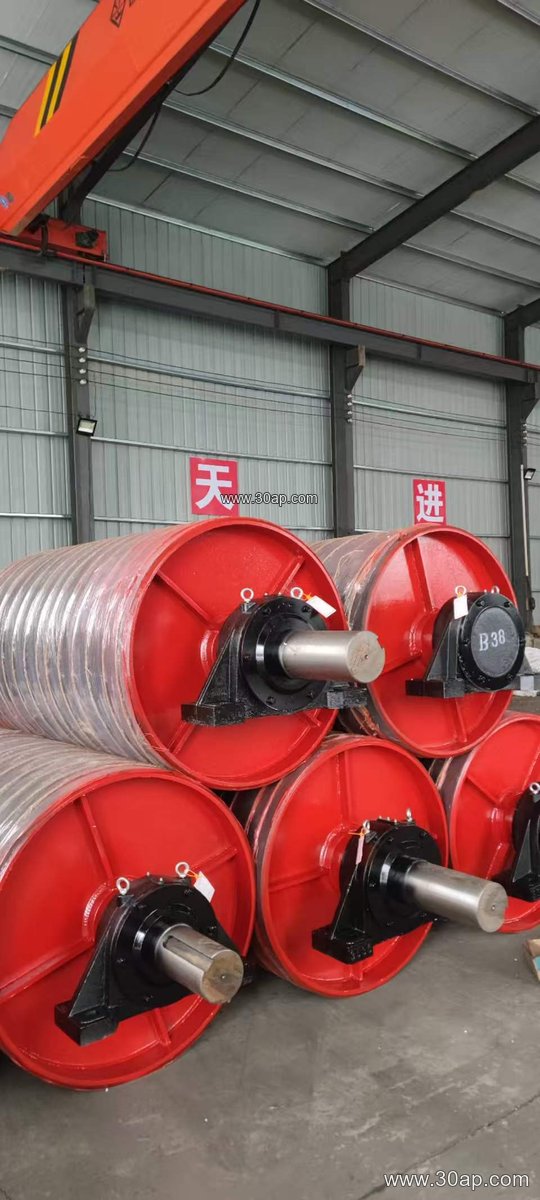
Common lagging thicknesses are 8, 10, 12, 15 and 20 mm. The tiles are typically alumina ceramic with a hardness well above steel, and the backing may be hot-vulcanized rubber or a cold-bonded compound. A well-made heavy-duty ceramic lagged pulley also gets a wear-resistant ceramic end cap or edge protection so the belt does not catch on the shell edge.
Where It Earns Its Place
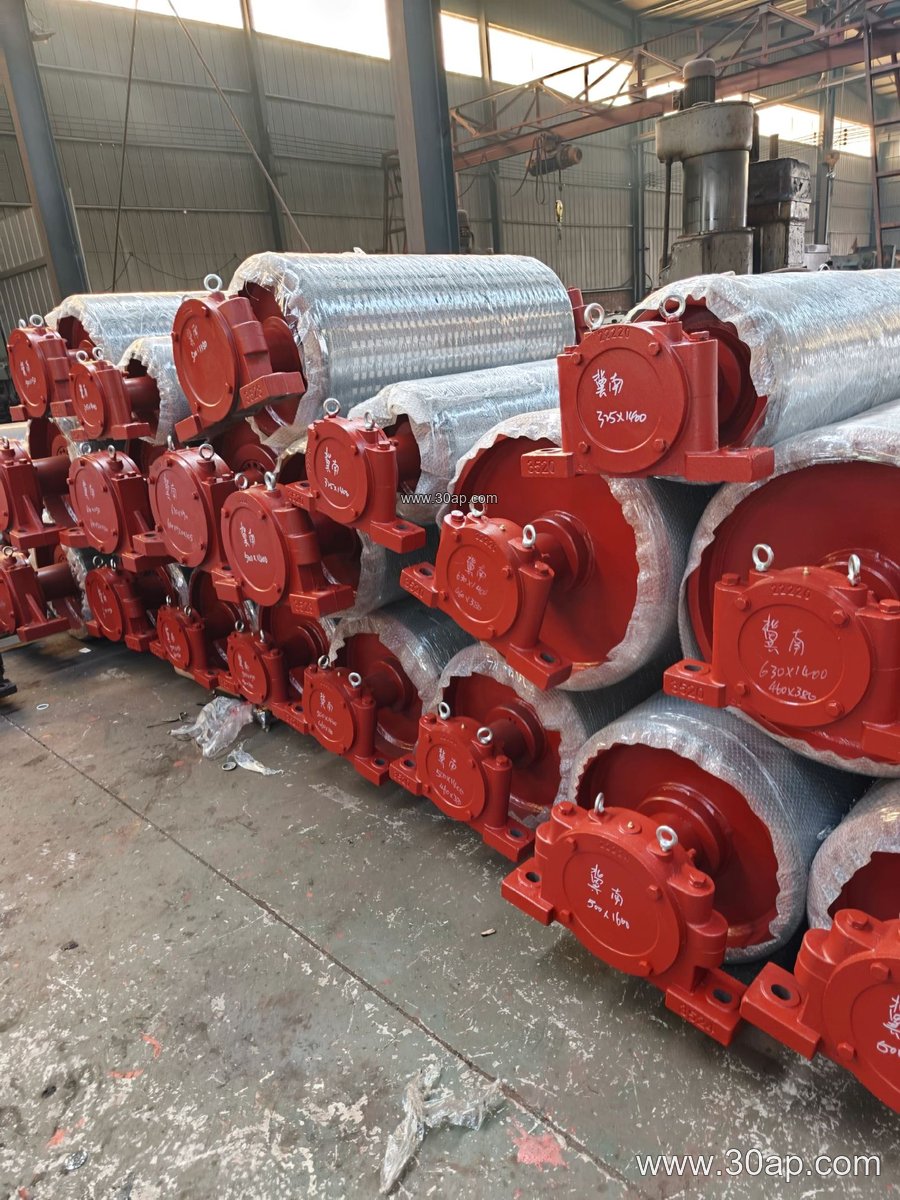
Two settings show the value most clearly. In a copper or iron ore concentrator, the head drive of a conveyor carrying wet, gritty ore is a classic candidate: rubber lagging can polish smooth in months, while ceramic keeps its bite. In a coal preparation plant or a power station coal yard, a drive pulley on a plant conveyor exposed to dust and occasional water benefits from the same self-cleaning grip.
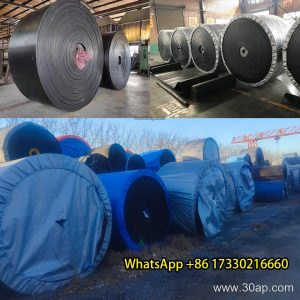
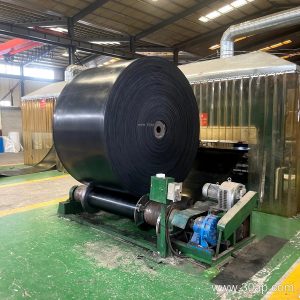
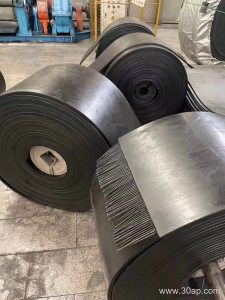
It also suits stone crushing and screening lines, cement clinker transport, and port bulk terminals where ships unload abrasive cargo. The pulley pairs naturally with a heavy abrasion resistant conveyor belt, and with a steel cord conveyor belt on long, high-tension runs.
Matching the Pulley to the Belt and the Duty
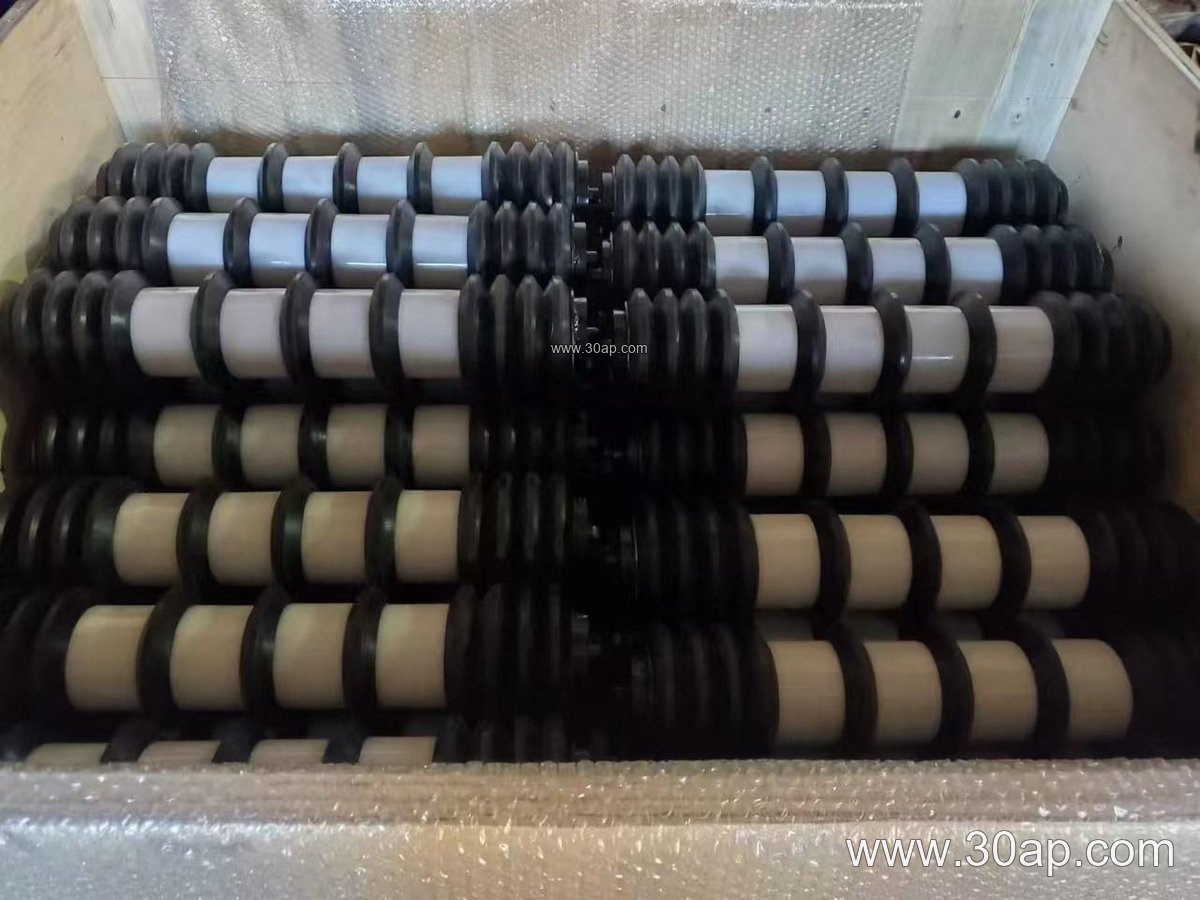
Buyers often ask for a size first, but the better order is duty, belt, then dimensions. The table below shows typical reference combinations, not fixed rules. A given belt width can work with more than one diameter, and shaft diameter must be calculated from torque and load.
- B800 belt: shell face about 950 mm, common diameters Ø500 or Ø630 mm
- B1000 belt: shell face about 1150 mm, common diameters Ø630 or Ø800 mm
- B1200 belt: shell face about 1400 mm, common diameters Ø800 or Ø1000 mm
- B1400 belt: shell face about 1600 mm, common diameters Ø1000 or Ø1250 mm
- B1600 belt: shell face about 1800 mm, common diameters Ø1250 or Ø1400 mm
For a drive position, check the wrap angle. Ceramic grip can allow a slightly lower wrap than smooth rubber, but the conveyor designer should confirm the tension and motor starting conditions. The pulley should also be checked against the belt’s own demands: a flame retardant conveyor belt in an underground coal mine, a heat resistant conveyor belt near a clinker cooler, or an oil resistant conveyor belt in a recycling plant all call for a compatible lagging compound.
Buying and Maintenance Notes
Ask for the ceramic tile specification, the bond type, and the lagging thickness in writing. Confirm the shell face width, the shaft diameter, the bearing centers, and whether the pulley is a drive, head, or tension position. A conveyor pulley that is out of balance or has poor tile bonding will damage the belt long before the ceramic wears out. Inspect tiles for cracks or missing pieces during scheduled stops, and check that the conveyor belt is tracking centrally; edge wear on the belt often points to a pulley alignment issue rather than a lagging problem.
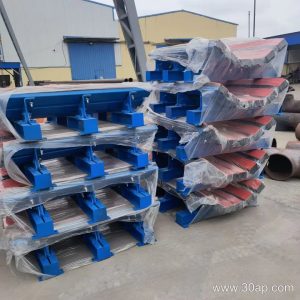
Keep the pulley clean of built-up fines, especially in wet service, and verify that the conveyor bracket and bearing seats are sound before refitting. Where the drive uses an electric pulley or a wing-type pulley elsewhere on the line, keep the ceramic-lagged unit for the torque-transferring position. A spare set of ceramic tiles or a re-lagging plan is worth having for critical drives in mines, quarries and cement plants, because a slipping drive pulley stops the whole conveyor, and with it every idler roller and belt section downstream.