What the EP400 Conveyor Belt Is
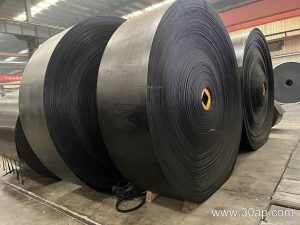
An EP400 Conveyor Belt is a fabric-core rubber belt built on polyester-polyamide (EP) carcass plies. The number 400 refers to the nominal tensile strength of the carcass, commonly expressed in N/mm per ply. In practice, an EP400 belt sits in the middle of the EP range: above lighter EP200 and EP315 constructions, and below EP500, EP630 and the heavier EP800 to EP2000 classes. Buyers in mines, quarries, cement plants, power stations and sand and gravel yards often choose this class when a single-ply or light multi-ply belt no longer offers enough strength for the duty.
The product is also described as an EP fabric core conveyor belt or an EP rubber conveyor belt, because the load-bearing plies are bonded between rubber covers. It is a distinct product from an NN conveyor belt, which uses nylon-nylon plies, and from a steel cord conveyor belt, which uses steel wires instead of fabric. Each has its place; the EP carcass is valued for low stretch and good troughability on long, heavily loaded runs.
How the Belt Is Built
A typical EP400 construction uses two to six fabric plies, depending on the belt width and the load it must carry, with rubber covers on the top and bottom faces. Cover thickness is usually stated as a pair, for example 4+2 mm, 5+2 mm or 6+2 mm, where the first figure is the carrying cover and the second is the pulley side. The carcass plies are calendered and bonded under heat and pressure so that the rubber penetrates the fabric and the layers cannot separate in service.
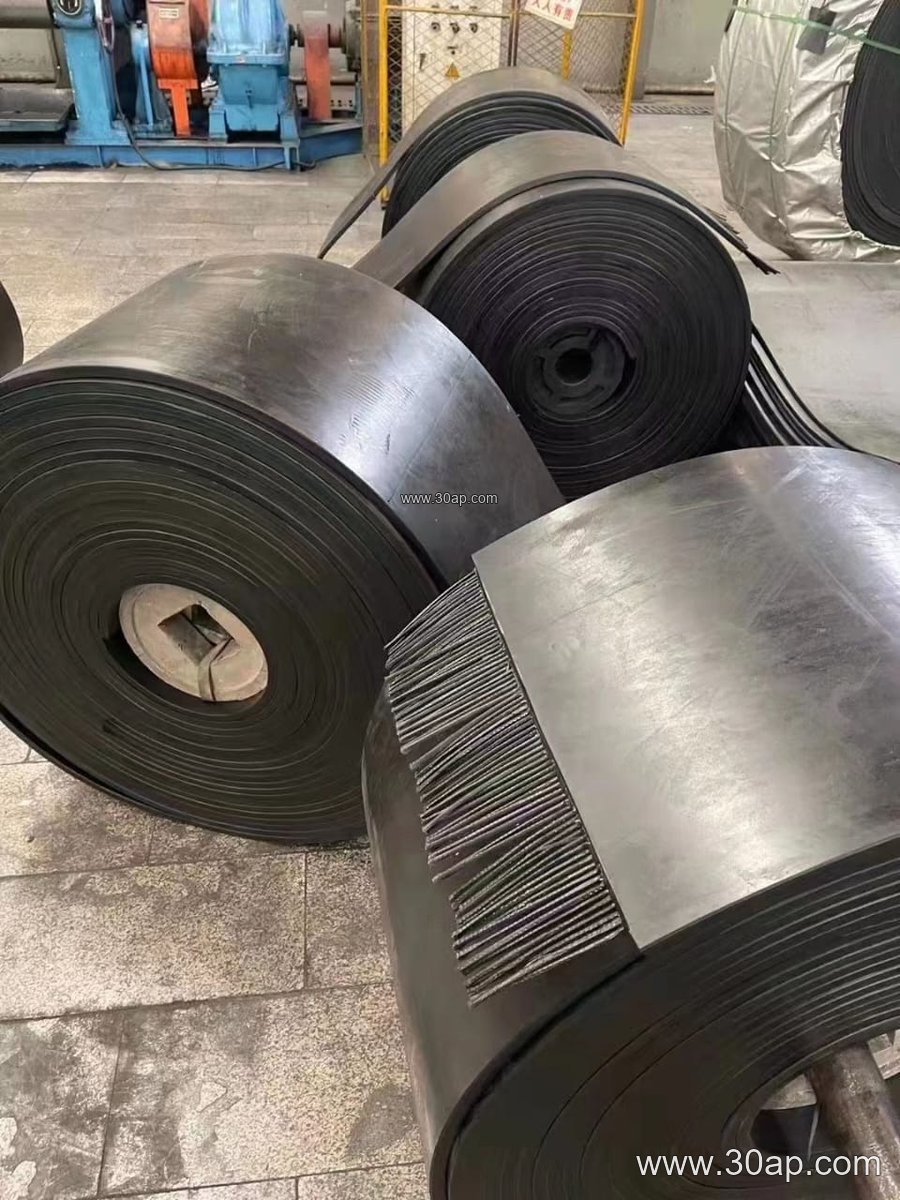
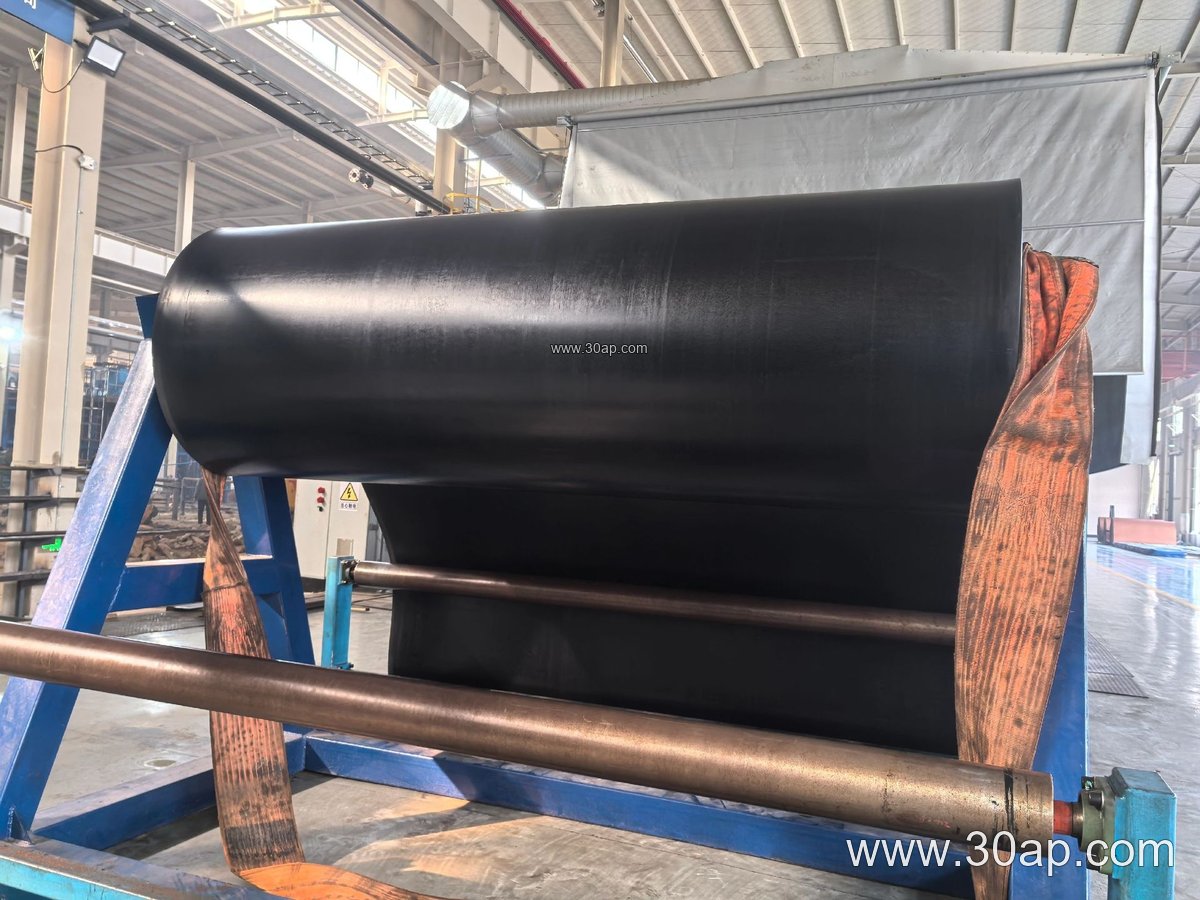
Edge construction, cover compound and ply count all change with the application. A heavy-duty mining conveyor belt may use thicker covers and additional plies, while a lighter aggregate conveyor belt may run a thinner top cover. The belt width is selected to suit the conveyor frame, the idler roller spacing and the tonnage required; common widths include B500, B650, B800, B1000, B1200 and B1400, with wider options available for large plants.
Common Specifications at a Glance
The figures below are reference ranges. Actual values are confirmed by the belt manufacturer against the conveyor design.
- Strength class: EP400, typically 400 N/mm per ply nominal
- Carcass: 2 to 6 EP fabric plies, depending on width and duty
- Cover thickness: commonly 3+1.5 mm, 4+2 mm, 5+2 mm, 6+2 mm or 8+3 mm
- Belt width: B500, B650, B800, B1000, B1200, B1400, B1600 and wider by design
- Cover grades: abrasion resistant, heat resistant, oil resistant, flame retardant, anti-static, cold resistant
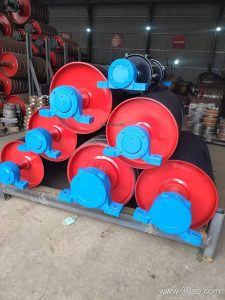
Note that belt width and pulley diameter are matched through the conveyor design, not by a fixed rule. A wider belt does not automatically dictate one specific pulley size.
Where It Fits in the Plant
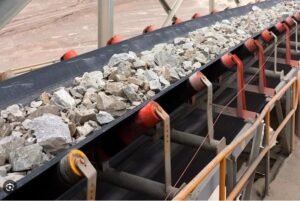
An EP400 belt is well suited to primary and secondary conveying in stone crushing lines, cement raw material handling, coal preparation, ore transport and port loading. It can be supplied as a flame retardant conveyor belt or fire resistant conveyor belt for underground mining and coal mining conveyor systems where the site rules require it. For abrasive rock and sinter, an abrasion resistant conveyor belt cover reduces wear; for hot clinker or ash, a heat resistant conveyor belt grade is used; for oily scrap or recycled material, an oil resistant conveyor belt compound helps protect the carcass.
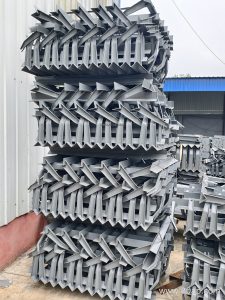
Special constructions extend the same carcass into difficult layouts. A chevron conveyor belt or corrugated sidewall conveyor belt handles steep inclines, a pipe conveyor belt encloses the material on curved routes, and an endless conveyor belt is spliced for continuous duty. These are variations on the belt, not replacements for the EP400 class itself.
Selection and Maintenance Notes
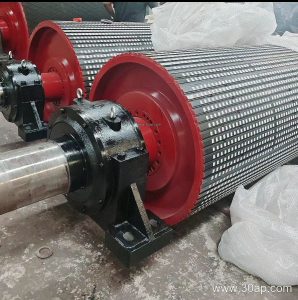
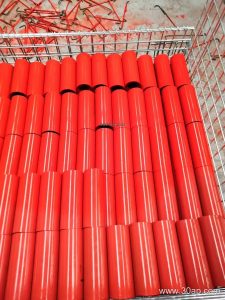
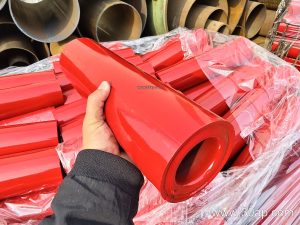
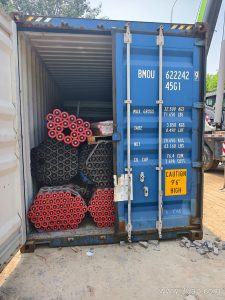
Start with the duty: material type, lump size, tonnage per hour, incline and ambient conditions. Then check the conveyor pulley, idler roller and conveyor bracket layout, since transition distances and pulley diameters affect belt life. Confirm the required cover grade and ply count with the supplier, and specify whether a bare or covered edge is needed.
During operation, keep the belt tracking straight, maintain adequate tension and inspect splices regularly. Worn idlers or misaligned conveyor pulleys can damage the edges of even a well-built belt. Store spare rolls in a dry, shaded place and rotate stock so the rubber does not take a permanent set.