What an Impact Idler Bracket Does
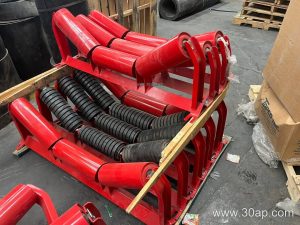
An impact idler bracket is the support that holds impact idler rollers in place at the loading point of a conveyor. It sits directly under the point where material drops onto the belt, so it takes the brunt of falling rock, ore, clinker, or aggregate. In a quarry or a crushing circuit, that zone can punish ordinary support frames. The impact idler bracket is designed to absorb and spread those shock loads rather than pass them straight into the belt and the main frame.
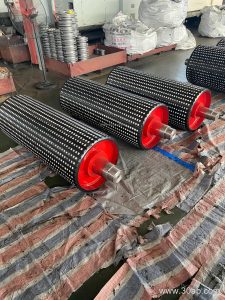
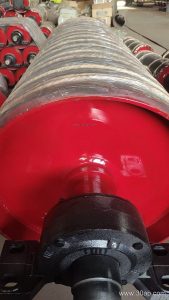
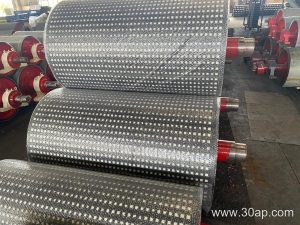
Confusing it with other components is easy. A conveyor pulley drives or redirects the belt, while the impact idler bracket supports rollers at the load zone. The bracket is a stationary support, not a rotating part, and it works together with the conveyor bracket and the idler roller to keep the belt line stable.
How the Bracket Is Built
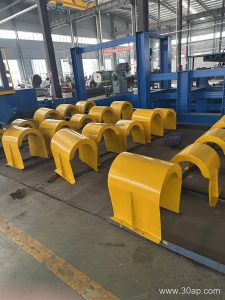
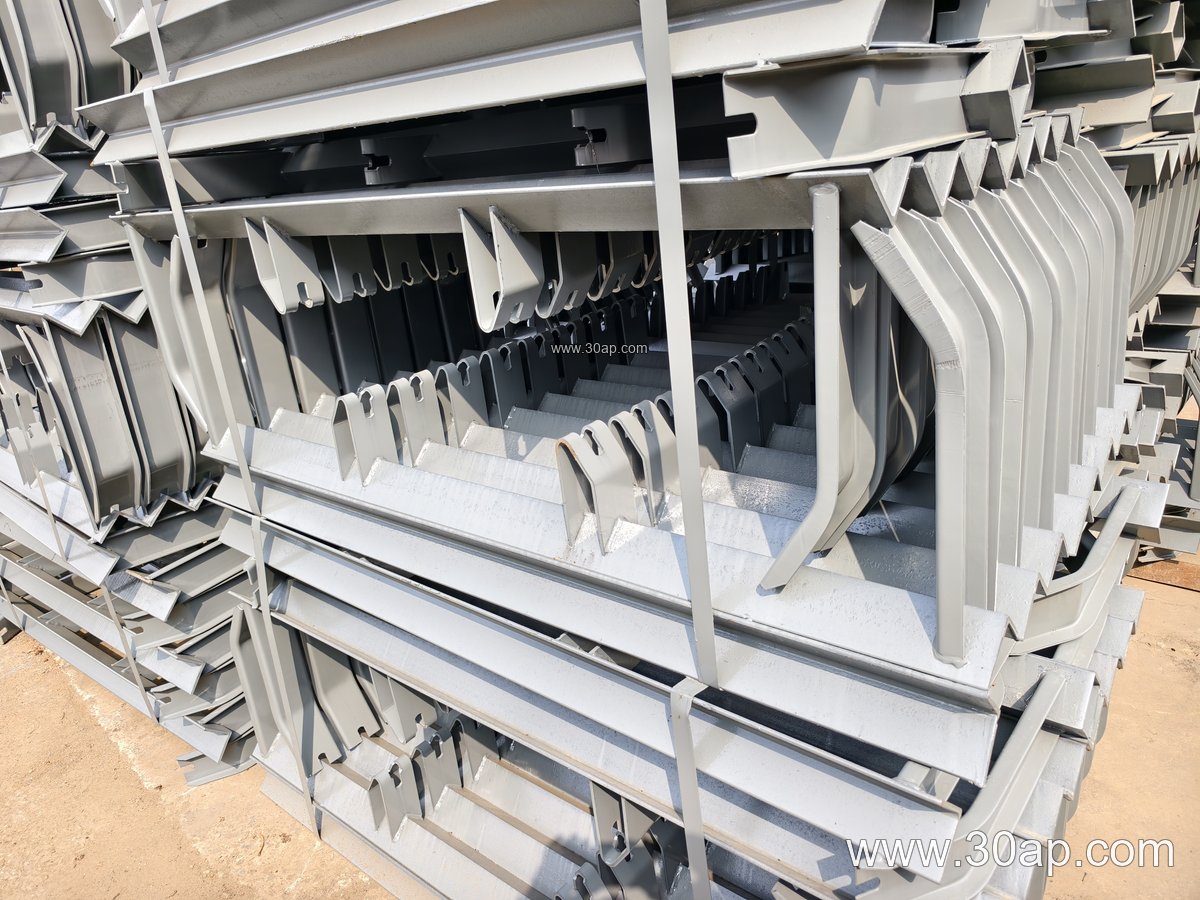
Most impact brackets are fabricated from angle steel, channel steel, or folded steel plate. The frame is usually heavier than a standard troughing support because it has to resist repeated impact. In many designs the bracket carries rubber or spring cushioning elements under the roller mounts, so the rollers can flex slightly when a lump lands on the belt.
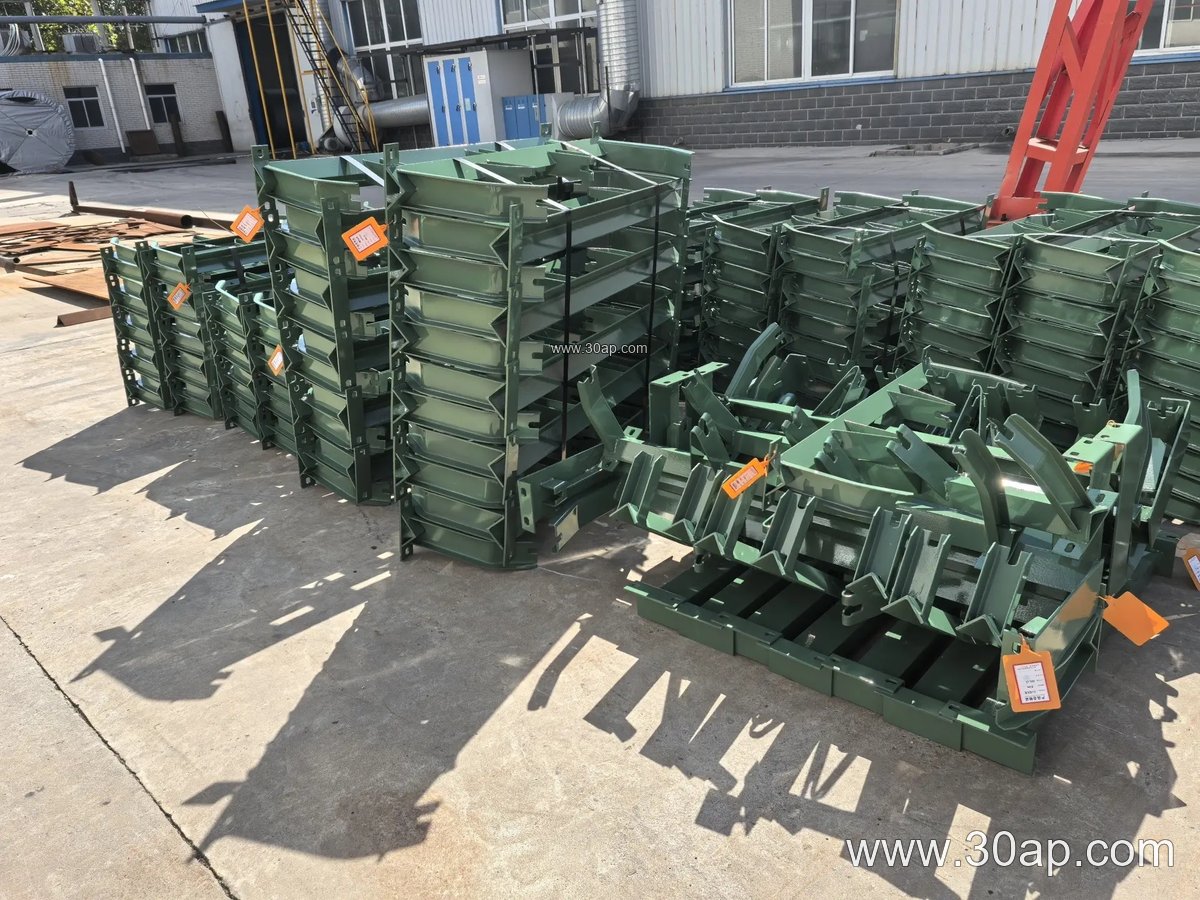
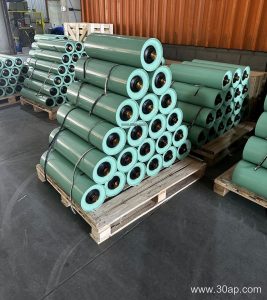
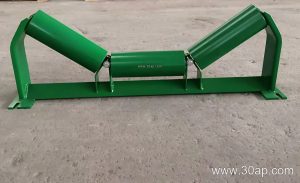
The bracket geometry follows the belt width and the trough angle. Common belt widths range from B500 and B650 up to B1800 and B2000, with trough angles of 20, 30, 35, or 45 degrees. Roller diameters such as Ø89, Ø108, Ø133, Ø159, and Ø194 are typical, but the correct match depends on belt speed, load, and frame design. A B800 bracket at 35 degrees with Ø108 rollers is a familiar arrangement, yet it is not the only valid one.
Where It Fits on the Conveyor
The bracket is normally installed at the feed chute, transfer point, or crusher discharge. In a coal handling system at a power plant, it protects the belt where coal drops from one stage to the next. In a limestone or iron ore operation, it is placed where large lumps first meet the belt. Some plants use a short impact section with several brackets in a row to spread the load over a longer belt length.
Compared with a standard troughing bracket, the impact version has a shorter service interval in the load zone but a much longer belt life. It is not a replacement for a transition bracket or a return bracket; each has its own position and function along the conveyor.
Selection Points for Buyers
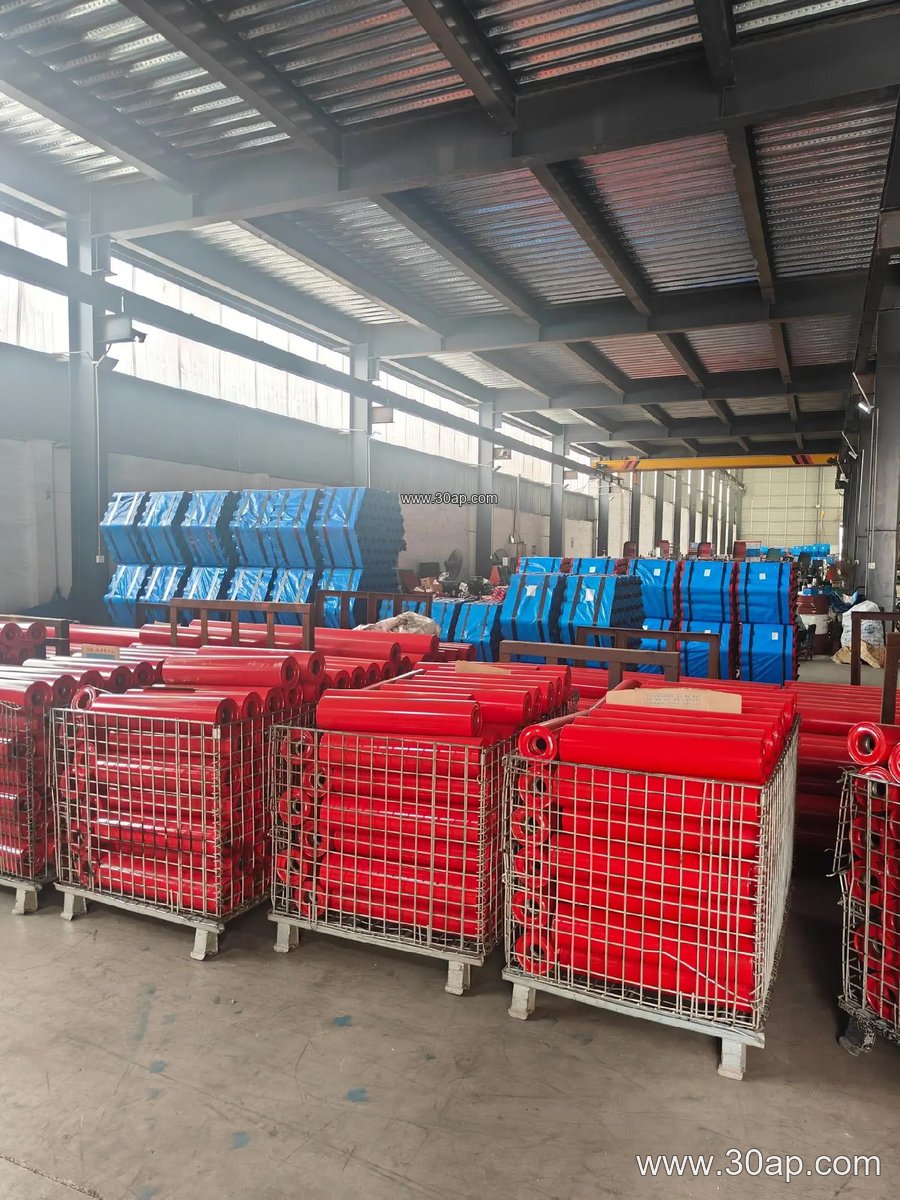
Start with the belt width and trough angle, then confirm the roller diameter and mounting hole spacing with the conveyor design. Installation hole spacing and crossbeam length vary with belt width and trough angle, so they should not be assumed. Buyers should also check the cushioning method, the steel thickness, and the coating or finish for dusty or wet conditions.
- Confirm belt width, trough angle, and roller diameter as a set.
- Check whether the bracket is fixed or adjustable.
- Review the load height and lump size at the feed point.
- Match the bracket material to the site environment.
In a cement plant or a sand and gravel line, dust and fine particles can build up around the bracket, so access for cleaning matters. In a steel plant or sinter line, heat and heavy lumps may call for a reinforced design.
Working With the Belt and Rollers
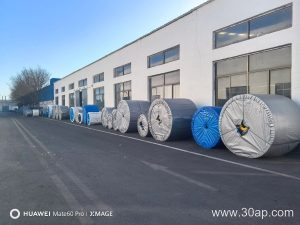
The impact idler bracket is only one part of the load zone. The conveyor belt itself must handle the impact, which is why an Impact Resistant Conveyor Belt or a heavy-duty mining conveyor belt is often used above it. A rubber conveyor belt with a thick top cover can absorb more energy than a thin cover, and an EP conveyor belt or steel cord conveyor belt may be chosen for higher tension. The bracket and the belt should be selected together, not separately.
Regular inspection of the bracket, roller rotation, and belt surface helps catch wear early. Loose bolts, bent frames, and worn cushioning should be corrected before they damage the belt. For more on conveyor components, visit conveyoridlerbelt.com or check related pages on conveyor idler rollers and conveyor pulleys at beltconveyorparts.com.