Understanding the 1500mm Conveyor Belt
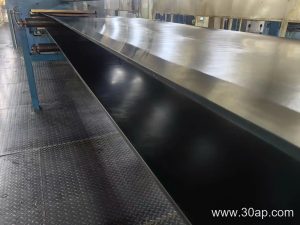
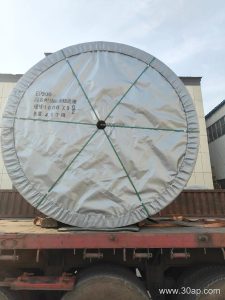
A 1500mm conveyor belt is a wide-profile belt designed for high-capacity bulk material handling. In metric terms, this is a 1.5-meter-wide belt, often referred to as a 1500mm wide conveyor belt. It sits between standard 1400mm and 1600mm widths, making it a common choice for operations that need more throughput than a 1200mm belt can deliver without going to the largest pulley and frame sizes. Industries such as mining, coal preparation, cement plants, power stations, and large quarries frequently specify this width for main haulage and plant feed lines.
Construction and Material Options
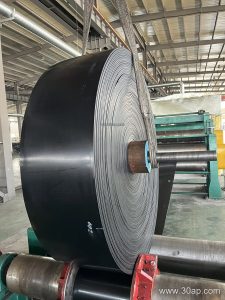
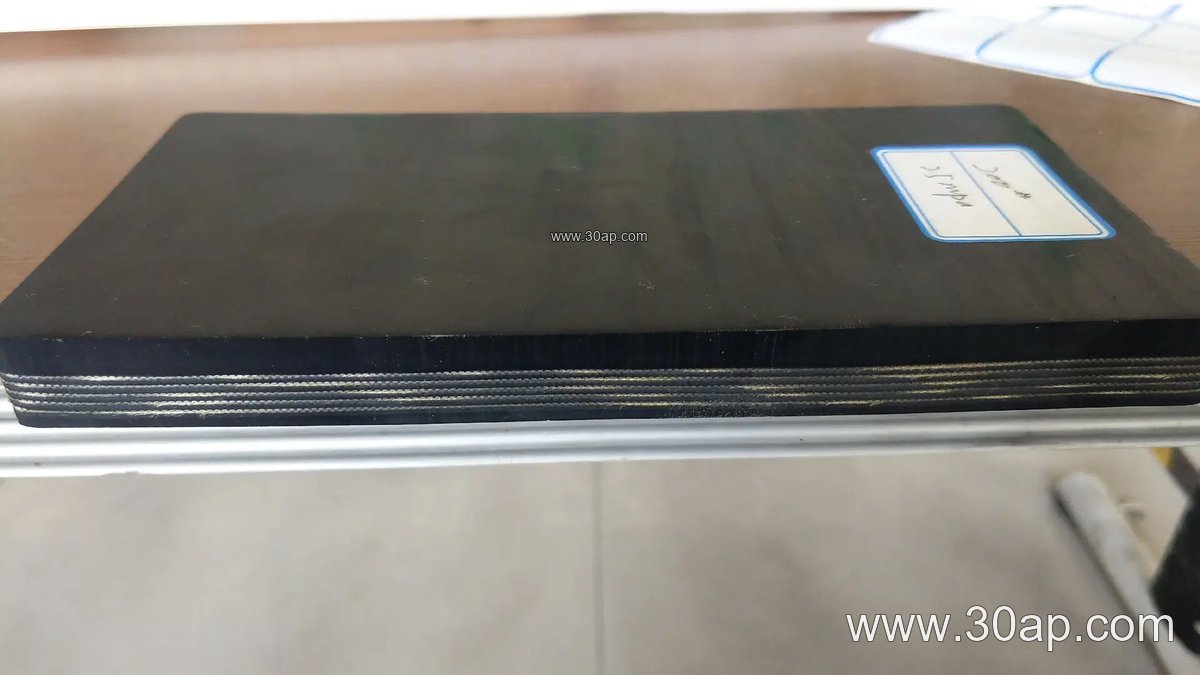
The 1500mm conveyor belt is built around a carcass that carries the tension and a rubber cover that protects against wear and environmental conditions. Common carcass types include EP (polyester-nylon) and NN (nylon-nylon) fabric cores, available in multi-ply constructions from 2 to 6 layers. Steel cord belts are also used at this width for very long, high-tension conveyors. Cover compounds are selected for the job: abrasion resistant for crushing and screening circuits, heat resistant for cement clinker or sinter, oil resistant for recycled material, and flame retardant for underground coal mining conveyors.
For special handling needs, chevron or corrugated sidewall belts can be supplied in 1500mm width to prevent material rollback on inclines or to contain bulk material without spillage. These subtypes are not interchangeable with a standard flat belt; they serve specific conveyor geometries.
Typical Specifications
Below are common reference values for 1500mm conveyor belts. Actual belt selection depends on the conveyor design, material lump size, and loading conditions. These figures are indicative and should be confirmed with the belt manufacturer.
| Parameter | Common Range |
|---|---|
| Belt width | 1500 mm (B1500) |
| Carcass type | EP, NN, steel cord |
| Fabric plies | 2 to 6 |
| Strength grades (EP) | EP200 to EP2000 |
| Cover thickness | 3+1.5 mm up to 8+3 mm |
| Special constructions | Chevron, sidewall, pipe |
For example, an EP1000 1500mm belt might use a 5+2 mm cover in a primary crusher discharge, while a steel cord ST1600 belt could be chosen for a long overland conveyor. The belt width does not dictate a single pulley diameter; drive, tail, and bend pulleys are sized by the conveyor designer based on tension and belt stiffness.
Where It Is Used
This belt width appears in many heavy-duty settings:
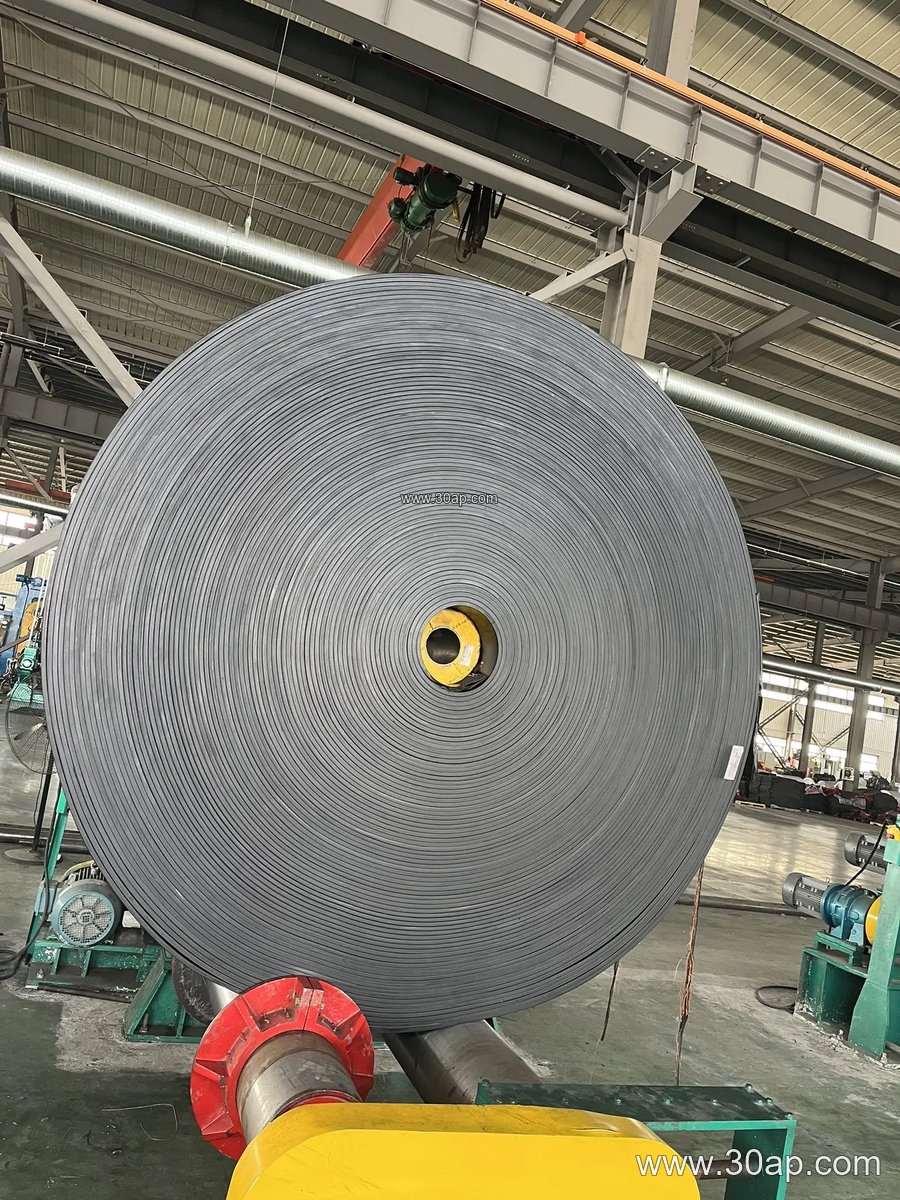
- Mining and coal: main haulage from underground sections or open-pit crushing stations, often with flame retardant and anti-static properties.
- Cement and aggregate: raw mill feed, clinker transport, and quarry-to-plant conveyors where abrasion resistant covers extend service life.
- Power plants: coal handling from stockyard to bunker, frequently using fire resistant grades.
- Ports and bulk terminals: ship loading and unloading lines that require high capacity and weather resistance.
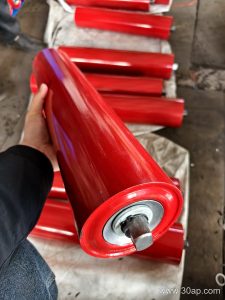
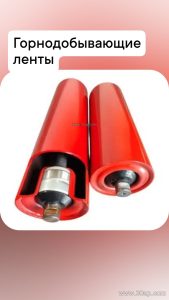
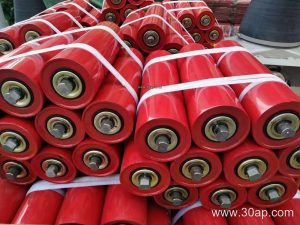
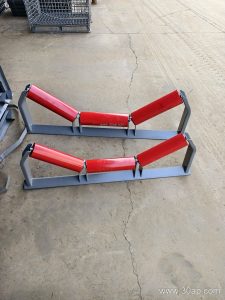
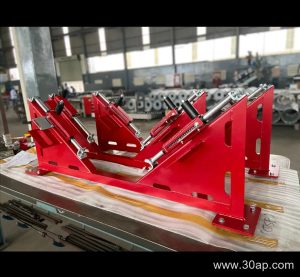
Supporting components such as idler rollers, conveyor pulleys, and conveyor brackets must be matched to the 1500mm belt width and the load it carries. A well-aligned frame and properly spaced idlers reduce edge damage and belt tracking problems.
Selection and Maintenance Notes
Buyers should consider the material being conveyed, lump size, operating temperature, and safety requirements. A 1500mm belt is not mandatory for every conveyor; narrower belts may be sufficient for lower capacities. When specifying, confirm the carcass strength, cover grade, and any special features like chevron or sidewalls. Regular inspection of the belt edges, splice condition, and idler alignment helps prevent premature failure. Keep the belt cleaner and avoid material buildup on pulleys to maintain traction and extend belt life.
For assistance with 1500mm conveyor belt specifications or compatible components, consult experienced suppliers who can review your conveyor layout and material characteristics.