What a Port Conveyor Belt Does
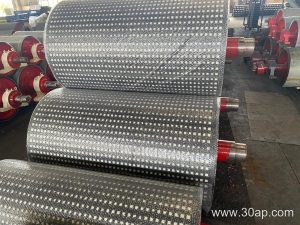
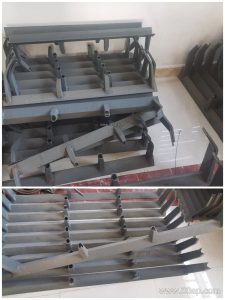
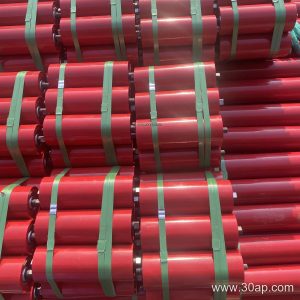
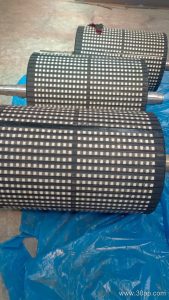
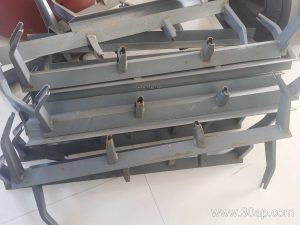
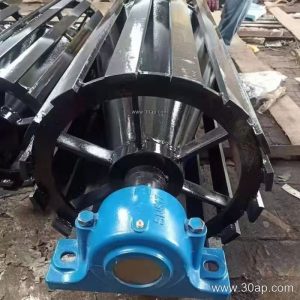
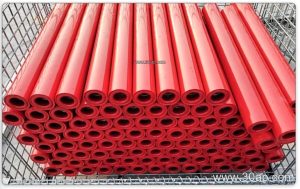
A port conveyor belt is the heavy-duty belt used in bulk terminals, ship loaders, stackers, and quay-side transfer lines to move coal, iron ore, fertilizer, grain, cement clinker, and similar loose materials at high tonnage. It is a bulk material conveyor belt built for continuous duty, long center distances, and abrasive or sometimes corrosive cargo. In a port, the belt often works with a conveyor pulley at the drive and tail ends, idler roller sets along the carry and return sides, and a conveyor bracket system that keeps the whole line aligned.
The same product is also called a ship loading conveyor belt or a port bulk handling belt. These are equivalent names for the same belt family; they are not different products.
Construction and Common Belt Types
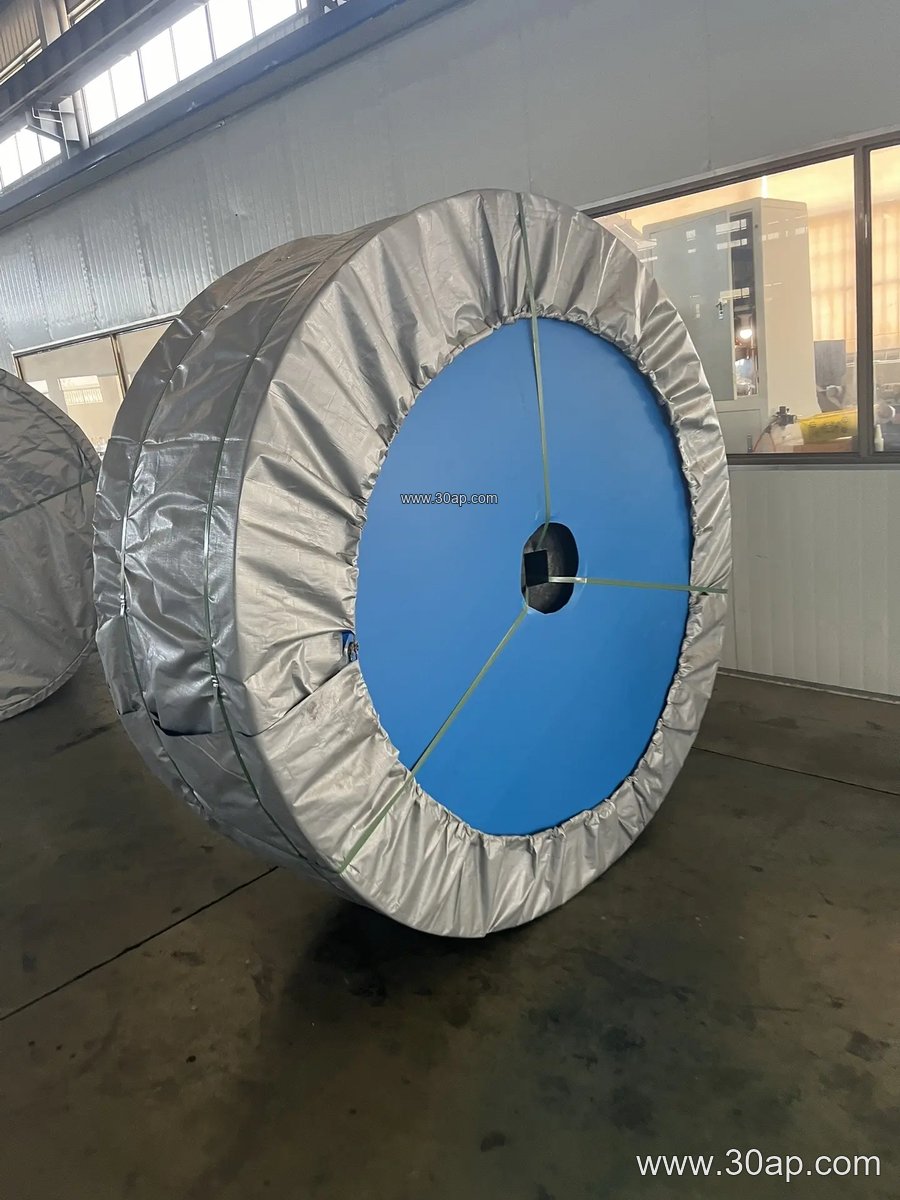
Most port belts use a fabric or steel cord carcass with rubber covers. For medium and long conveying lines, an EP conveyor belt with polyester-polyamide fabric is common. A NN conveyor belt with nylon fabric is also used where high flexibility and impact absorption help. Where the line is very long or the tonnage is high, a Steel Cord Conveyor Belt is often chosen because it carries more load with less stretch.
Port cargo is abrasive, so an Abrasion Resistant Conveyor Belt is a frequent choice for ore and coal. Coal and grain terminals may require a Flame Retardant Conveyor Belt or Fire Resistant Conveyor Belt for enclosed galleries and transfer towers. Fertilizer and some mineral cargoes call for an Oil Resistant Conveyor Belt or a chemical-resistant cover. In cold climates, a Cold Resistant Conveyor Belt helps the cover stay flexible.
Cover thickness is usually given as top and bottom rubber, for example 4+2, 5+2, 6+2, or 8+3 mm. The carcass may have 2 to 6 fabric plies in a Multi-Ply Fabric Core Conveyor Belt. Belt width for port duty commonly falls in the 800 mm to 2000 mm range, with wider belts used on high-capacity ship loaders.
| Reference Item | Typical Range |
|---|---|
| Belt width | B800, B1000, B1200, B1400, B1600, B1800, B2000 |
| EP strength grades | EP200, EP315, EP400, EP500, EP630, EP800, EP1000, EP1250 |
| Steel cord grades | ST1000, ST1250, ST1600, ST2000, ST2500 |
| Cover rubber | 4+2, 5+2, 6+2, 8+3 mm |
| Ply count | 2 to 6 layers |
These figures are reference values only. Actual belt construction is set by the conveyor design, cargo type, and terminal operating conditions.
Where It Fits in the Terminal
A port conveyor belt appears on ship loaders, ship unloaders, yard conveyors, and transfer conveyors between storage and the berth. In a coal terminal or power plant stockyard, a flame retardant belt is often specified for safety. In an iron ore or copper ore terminal, a high abrasion resistant cover reduces wear from sharp particles. In a cement plant or clinker export facility, heat resistance may matter if cargo is warm. A quarry conveyor belt or aggregate conveyor belt shares much of the same construction, but port lines usually face salt air, dust, and continuous shift operation.
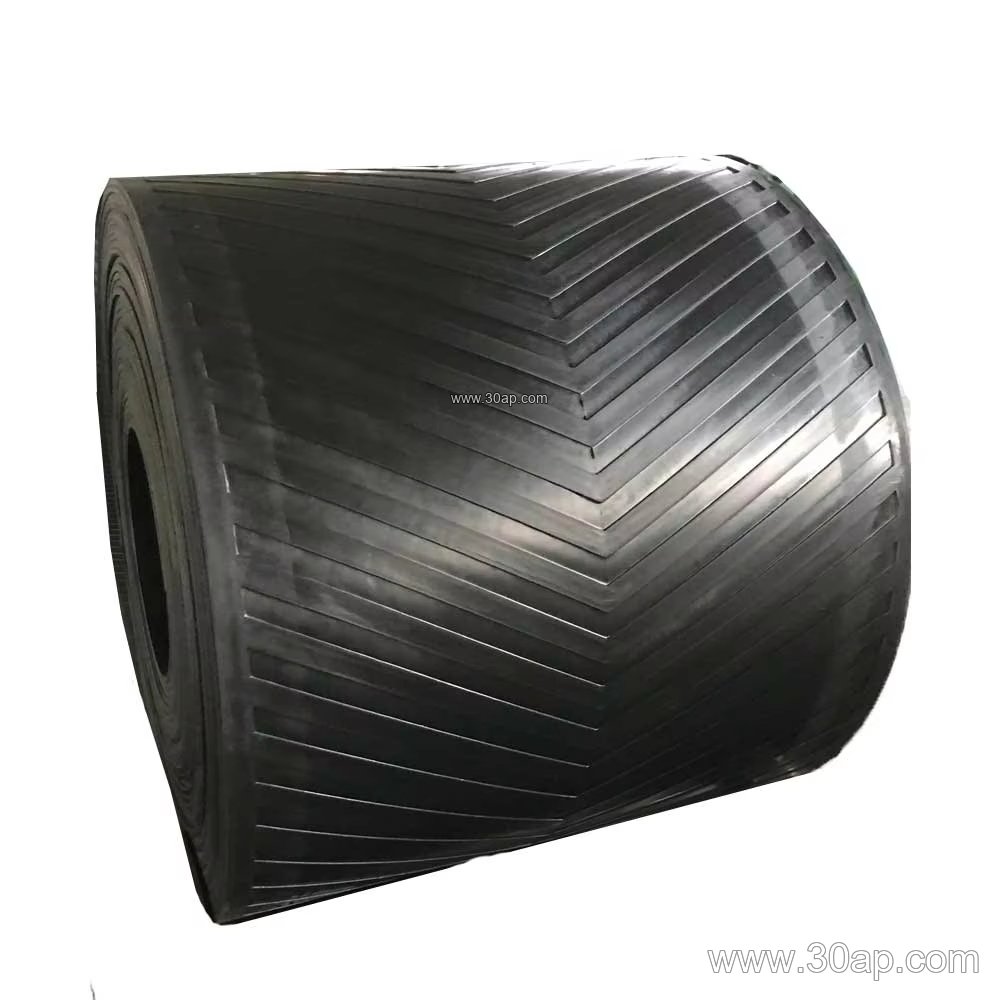
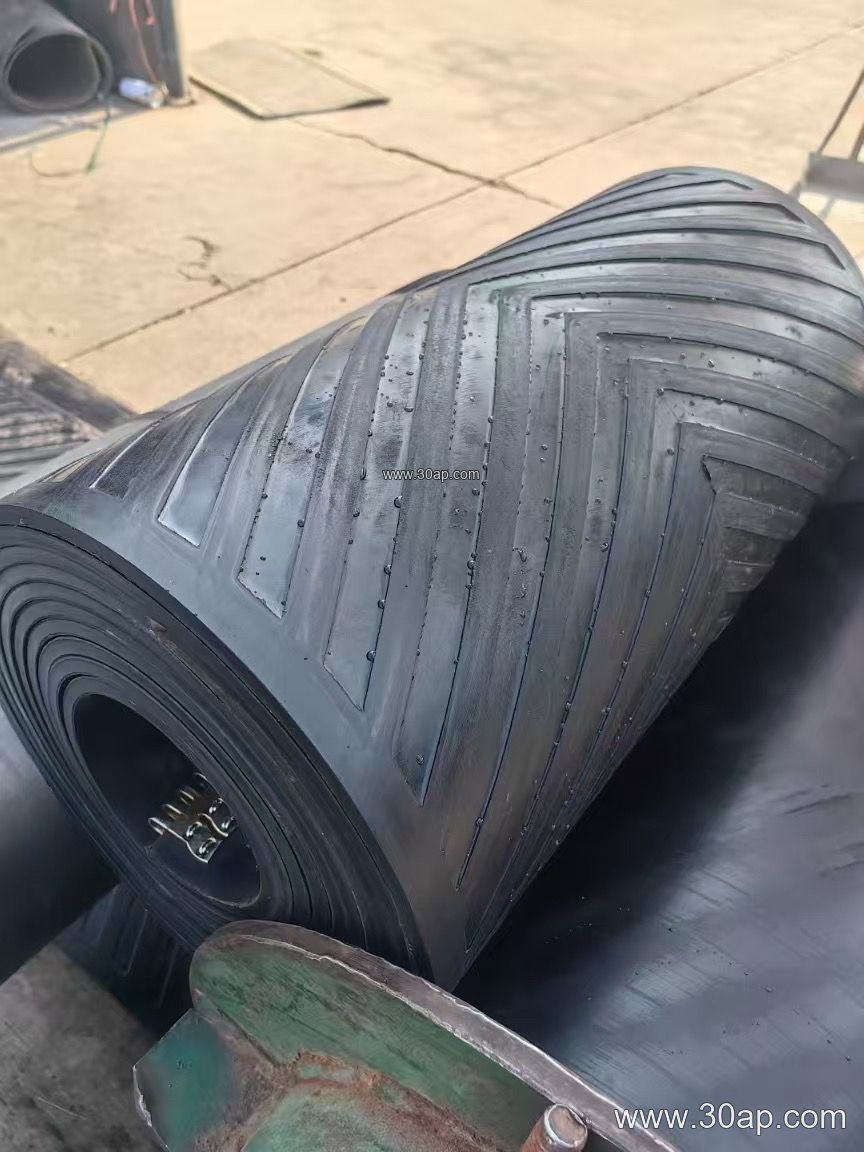
When a line needs to follow a curved route or control dust, a Pipe Conveyor Belt can enclose the cargo. A Chevron Conveyor Belt or Corrugated Sidewall Conveyor Belt may appear on steep incline sections, while a Skirted Conveyor Belt helps contain material at loading points. These are options for specific sections, not a replacement for the main port belt on the long flat runs.
Buyer Checklist
- Confirm the cargo: coal, ore, grain, fertilizer, or clinker each pushes the cover and carcass choice in a different direction.
- Match belt strength and width to the conveyor design, not to a single catalogue number.
- Check pulley diameter and idler roller spacing with the belt supplier, because belt flexibility and pulley size work together.
- Review splice type and whether an Endless Conveyor Belt is preferred for a long, low-maintenance run.
- Ask about anti-static properties where dust ignition is a concern, and about salt-air corrosion protection for the belt and conveyor bracket system.
- Plan belt storage, handling, and inspection so the belt is not damaged before installation.
For more belt and component references, see www.example.com/port-conveyor-belt and www.example.com/rubber-conveyor-belt. A reliable port conveyor belt is matched to the terminal’s cargo, climate, and conveyor layout, with the rubber cover, fabric or steel cord carcass, and pulley and idler roller arrangement all considered together.