What a Motorized Pulley Is
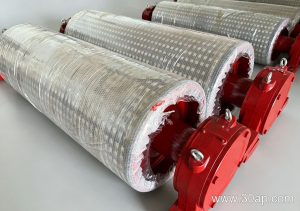
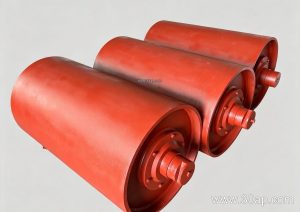
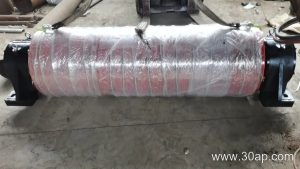
A motorized pulley is a self-contained drive unit in which the electric motor and the gear reducer are built inside the pulley shell. Because the drive train sits within the drum, the assembly takes up very little space at the head of a conveyor, needs no external gearbox or coupling, and is protected from dust and water by its own sealed housing. In many plants the unit is simply called a drum motor or an internal drive pulley, and it performs the same job as a conventional drive pulley while removing the exposed components around it.
The pulley shell turns and drives the conveyor belt through friction, so the surface finish and the belt tension matter as much as the motor rating. Whether the line carries a Rubber Conveyor Belt in a quarry or an EP Conveyor Belt in a cement plant, the drum motor has to match the belt width, the load, and the ambient conditions.
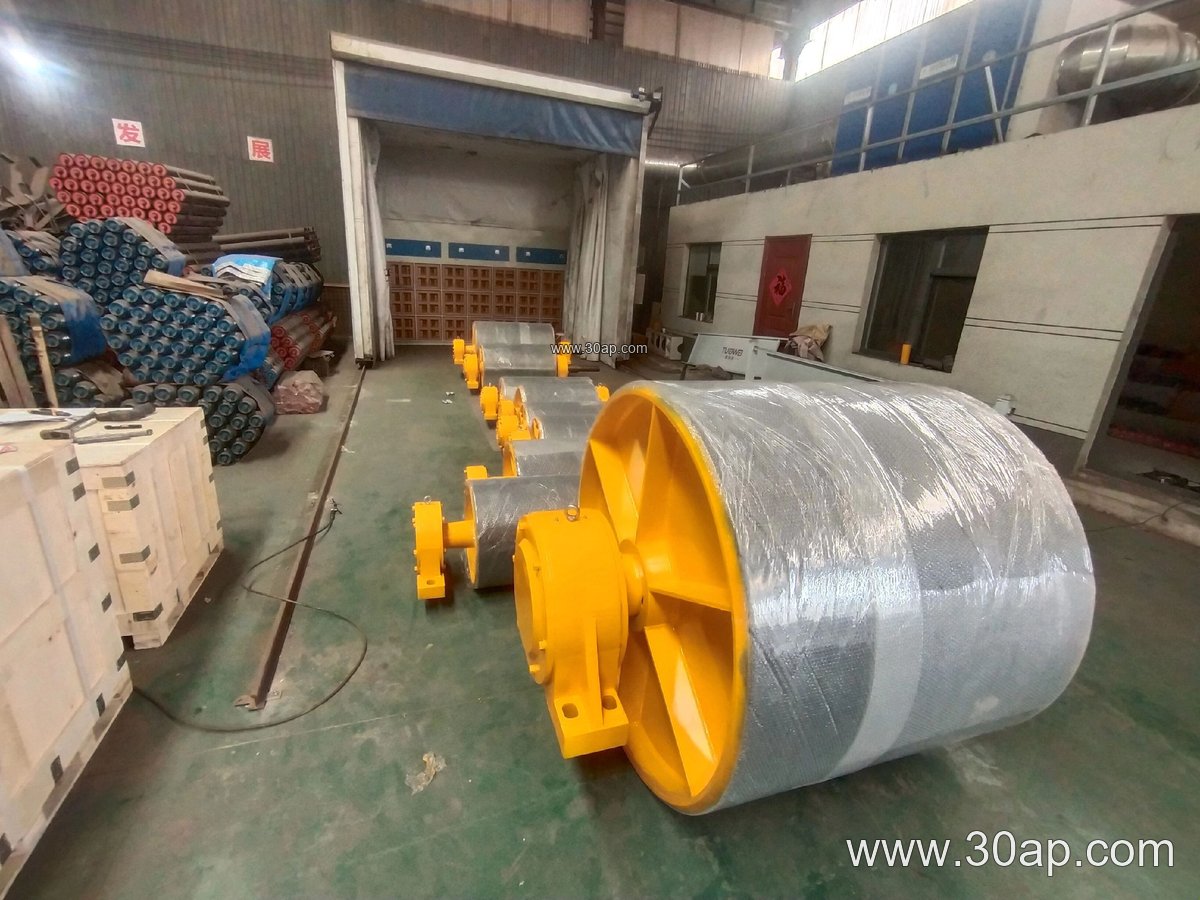
How the Unit Is Built
Inside the shell, a stator and rotor are mounted on a fixed shaft, and a planetary or helical gear stage reduces motor speed to the required belt speed. Bearings support the rotating shell on the shaft, and seals keep out grit and moisture. The shaft ends are fixed to the conveyor bracket, so the shell rotates while the shaft stays still. Oil or grease inside the housing lubricates the gears and helps carry heat away from the motor.
- Shell, usually steel, machined and balanced for smooth running
- Integrated motor and multi-stage gear reducer
- Sealed bearings and rotary shaft seals
- Terminal box or cable entry for power supply
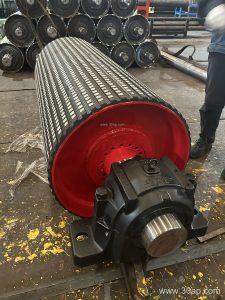
- Optional surface covering such as plain finish, rubber lagging, or ceramic lagging
Lagging options follow the same logic as on a conventional conveyor pulley. Diamond lagging improves grip in wet conditions, while plain or lightly lagged surfaces suit clean, dry duty. On a heavy-duty mining conveyor handling wet ore, a lagged shell reduces slip and belt wear.
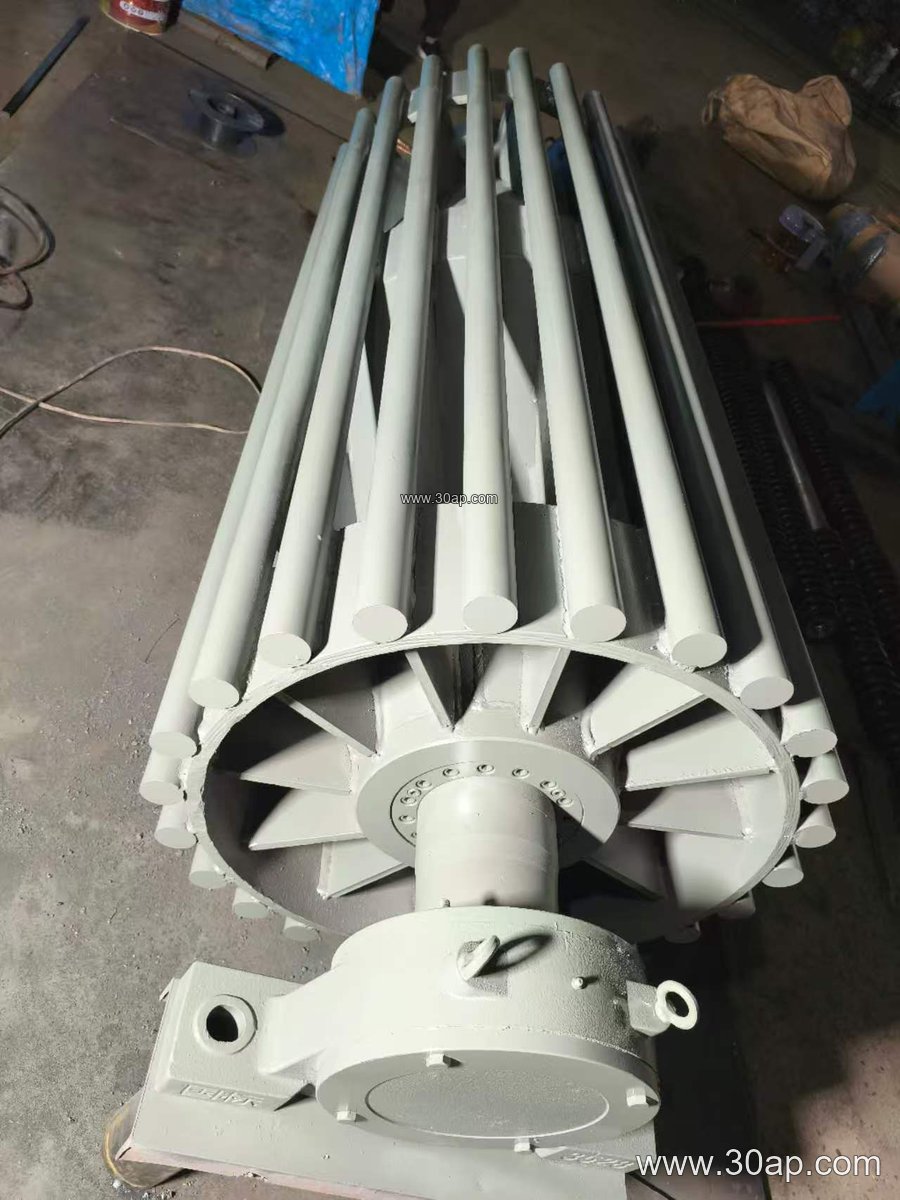
Where Drum Motors Fit on the Line
The most common position is the head or discharge end, where the unit pulls the belt and discharges material. Tail and take-up positions are also possible when a compact drive is needed in a confined transfer point. In a coal mining conveyor or an underground coal mining conveyor, the sealed housing is an advantage because there is no exposed rotating coupling or gearbox to guard. In a power plant coal handling system, a drum motor at the head of a short feeder keeps the walkway clear.
Other pulley types are not interchangeable with this unit. A bend pulley only changes belt direction, and a tail pulley sets the return path; neither carries a motor. A conventional drive pulley needs a separate gearbox and motor, which is the main alternative when very high power or easy field servicing of the reducer is preferred.
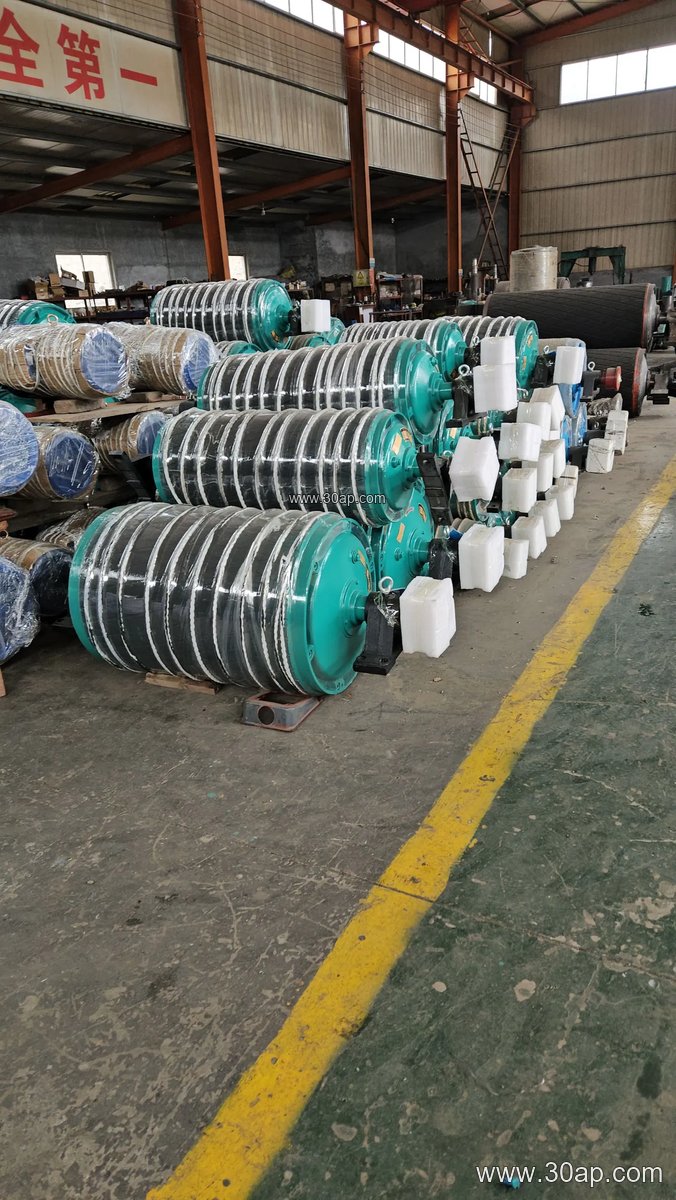
Sizing a Motorized Pulley
Selection starts with belt width, belt speed, capacity, and the duty cycle. The shell face width is normally a little wider than the belt, for example B800 with a face around 950 mm or B1200 with a face around 1400 mm. Diameter is chosen from the belt tension and the required contact arc, not from belt width alone. A B800 line might use a Ø500 shell in one layout and a Ø630 shell in another, depending on load and belt construction.
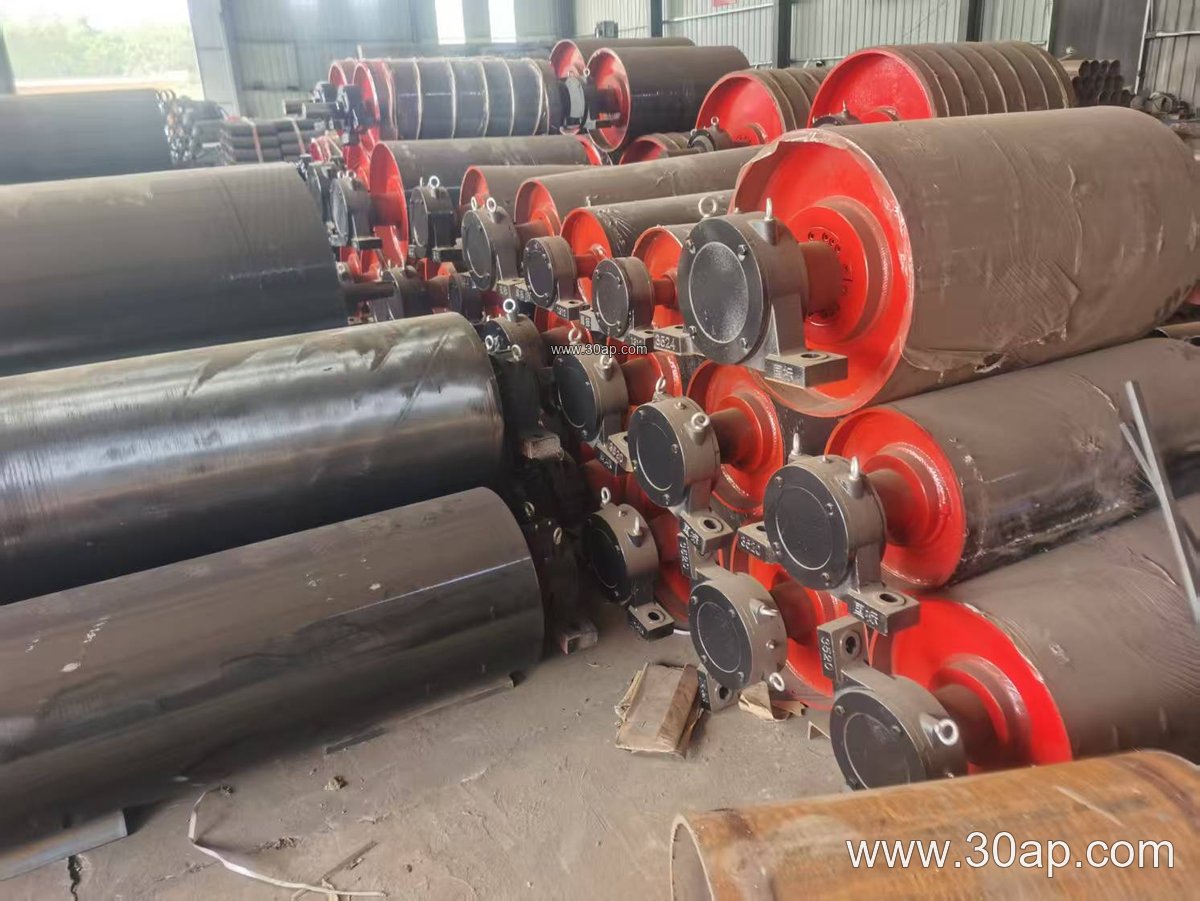
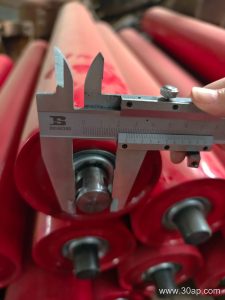
Shaft diameter is set by torque and radial load, so values such as Ø80 or Ø100 are design results rather than fixed rules. The table below shows typical reference combinations, not mandatory matches.
| Belt width | Typical shell face | Example diameter range | Typical lagging thickness |
|---|---|---|---|
| B500 | approx. 600 mm | Ø250 to Ø400 | 8 to 12 mm |
| B800 | approx. 950 mm | Ø400 to Ø630 | 10 to 15 mm |
| B1200 | approx. 1400 mm | Ø630 to Ø1000 | 12 to 20 mm |
| B1600 | approx. 1800 mm | Ø800 to Ø1250 | 15 to 20 mm |
Motor power, gear ratio, and insulation class must be checked against the starting torque and the material being moved. A Steel Cord Conveyor Belt on a long overland run needs more starting torque than a short Fabric Core Conveyor Belt on a screening deck.
Buyer Checklist
- Confirm belt width, belt type, and belt speed before requesting a quote.
- State the material, lump size, moisture, and temperature range.
- Ask about the lagging surface and thickness for the actual duty.
- Check the mounting position and available space around the conveyor bracket.
- Confirm the voltage, control method, and whether a brake or backstop is required.
- Plan a spare seal and bearing kit, since internal repairs need the unit removed.
Maintenance is mainly about oil level, seal condition, and shell temperature. A rise in running temperature or oil weeping at the shaft usually points to a seal or bearing problem. For abrasive service such as a crusher conveyor or a quarry conveyor, keep the area around the drum clean so material does not build up against the seals. Belt tracking also matters, because a misaligned belt loads the shell edge and shortens seal life. When the line uses a Chevron Conveyor Belt or a Corrugated Sidewall Conveyor Belt, check that the cleats and sidewalls clear the drum face and any scraper.
For most medium-duty installations, the drum motor is a practical way to simplify the drive station, reduce guarding, and keep the conveyor footprint small. The final choice should be based on measured tension and duty, not on a single dimension.