What an Oil Resistant Conveyor Belt Is
An Oil Resistant Conveyor Belt is a fabric-reinforced rubber belt built with a cover compound that resists swelling, softening and cracking when it carries oily or greasy materials. In everyday plant language it is often called an oil-resistant rubber conveyor belt or simply an oil-resistant belt. It is a distinct subtype of the general conveyor belt family, not a replacement for heat resistant, flame retardant or abrasion resistant grades, although a single belt can combine several of these properties when the duty calls for it.
The problem it solves is easy to see. Standard rubber covers absorb hydrocarbon oils, and the rubber swells, hardens or loses adhesion to the carcass. The result is a belt that tracks poorly, delaminates early or fails at splice points. An oil-resistant cover limits that absorption so the belt keeps its dimensions and strength in service.
Construction and Material Options
The belt is usually built as a multi-ply fabric core with rubber covers on both faces. The carcass can be EP fabric (EP Conveyor Belt), nylon (NN Conveyor Belt) or another Fabric Core Conveyor Belt, and heavier duties may call for a Steel Cord Conveyor Belt. Cover compounds are selected for the oil type and concentration involved.
Typical reference data, to be confirmed with the supplier:
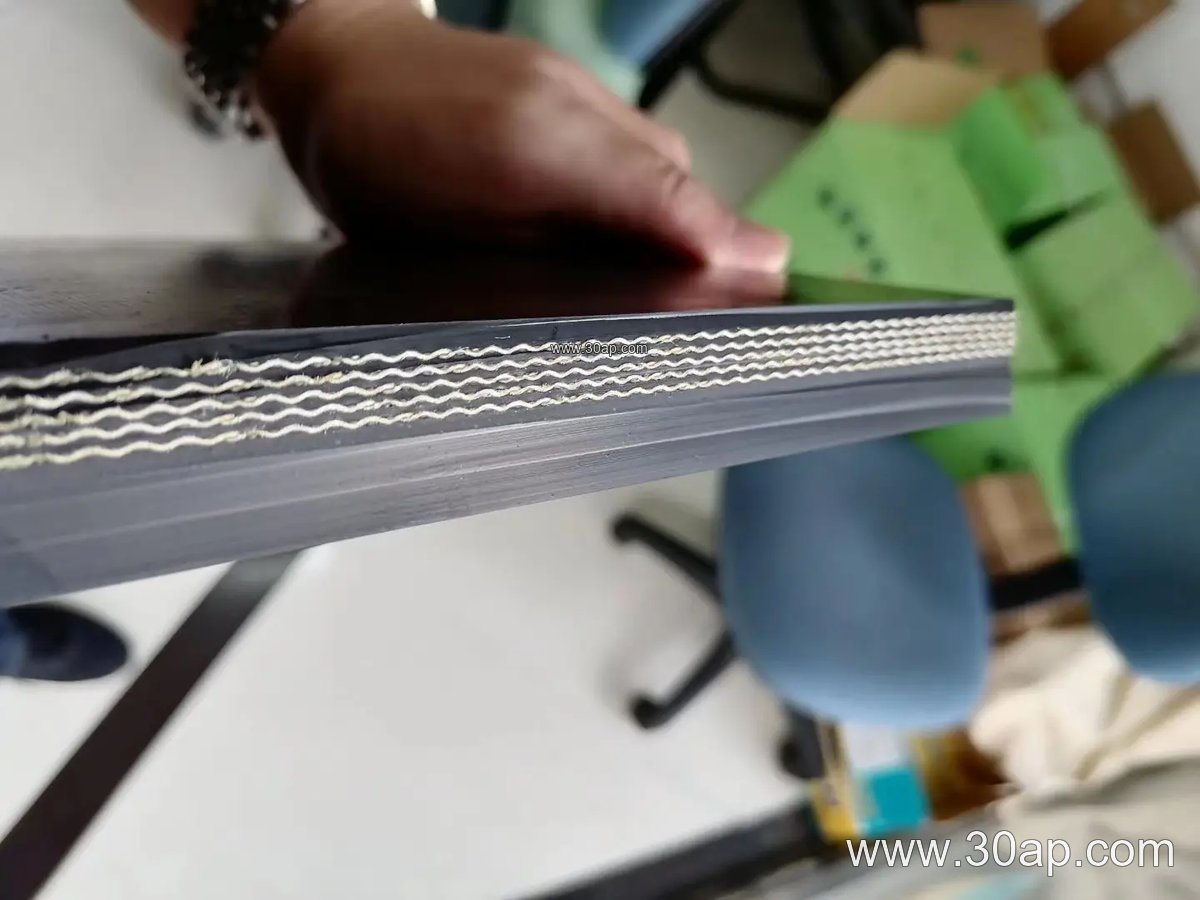
- Fabric plies: commonly 2 to 6 layers
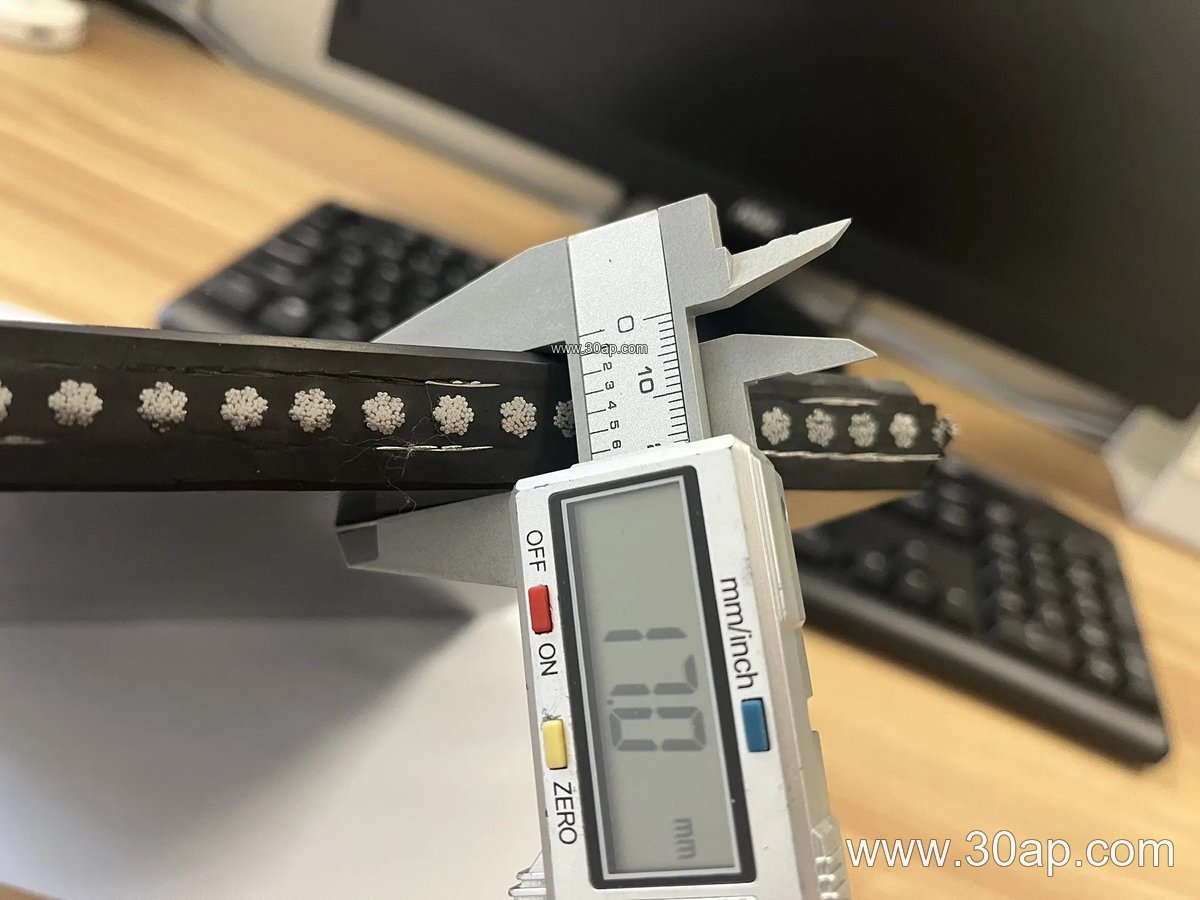
- Cover thickness: 3+1.5, 4+2, 5+2, 6+2 or 8+3 mm
- EP strength grades: EP200 up to EP2000, for example EP400, EP630, EP1000 or EP1250
- NN grades: NN100 to NN400
- Steel cord grades: ST1000 to ST3150
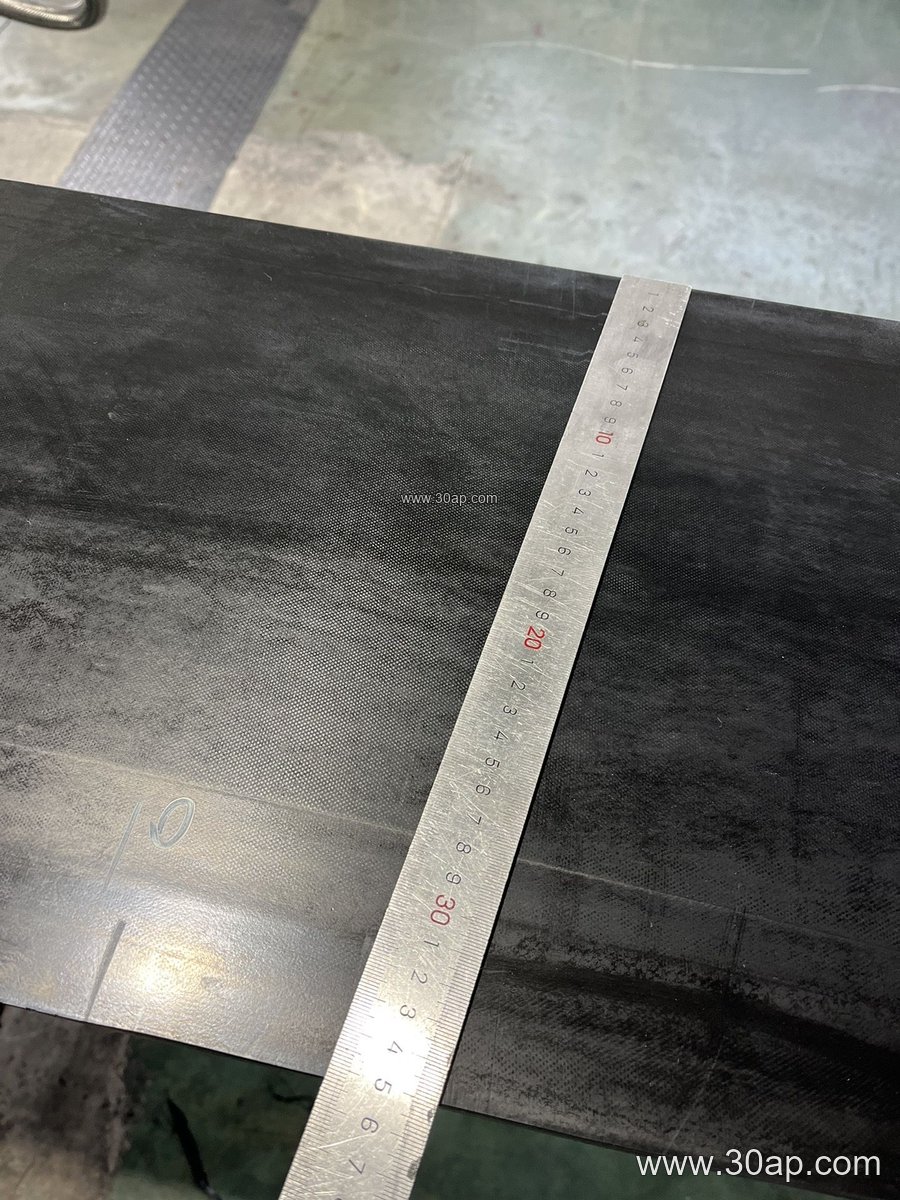
- Belt widths: B500, B650, B800, B1000, B1200, B1400, B1600, B1800 and B2000
These are reference figures. Actual cover grade and carcass depend on the oil contact, load and pulley geometry of each conveyor. A wide belt is not automatically paired with one fixed pulley diameter; drive, tail and bend pulleys are sized by the conveyor designer from tension and wrap angle.
Where It Fits in the Plant
Oil contact appears in more industries than many operators expect. In a cement plant, belts handling oil-soaked clinker dust or lubricant-contaminated feed benefit from an oil-resistant cover. In a power plant, coal and biomass streams can pick up oily residues from crushers and idlers. In a quarry or sand making plant, recycled asphalt and oily aggregate are common. Ports and ship loading terminals move oil-bearing bulk cargo, while recycling lines carry oily scrap and shredder residue.
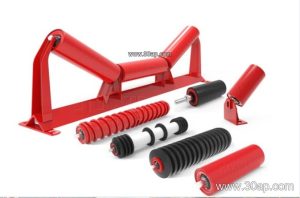
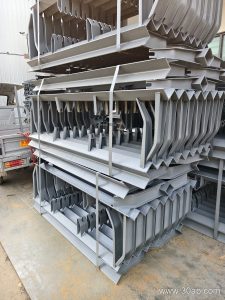
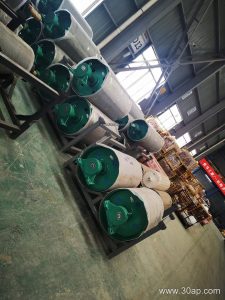
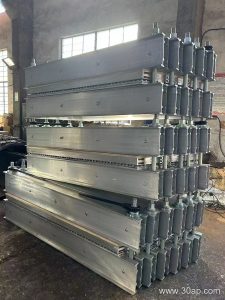
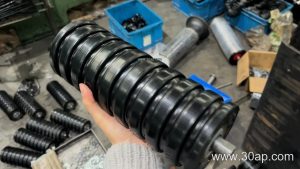
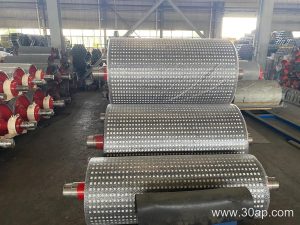
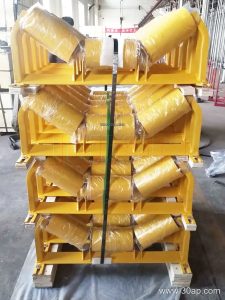
The belt usually runs on a conventional conveyor frame with an idler roller set, a conveyor pulley at each end and a conveyor bracket holding the rollers in line. The oil-resistant cover protects the belt itself; the rollers, pulleys and brackets still need their own protection from oil and grit. Where flame spread is also a concern, a belt with combined oil and flame retardant properties may be specified, and underground coal mining conveyors typically follow a PVG or PVC route instead.
Selection Points for Buyers
Start with the oil itself. Ask whether it is mineral oil, vegetable oil, animal fat, solvent or a mixed stream, and whether contact is continuous or occasional. A light oily dust is not the same duty as a belt carrying hot, oil-soaked material. Temperature matters too: an oil-resistant belt is not automatically a Heat Resistant Conveyor Belt, and a high temperature combined with oil needs a compound selected for both.
Then confirm the mechanical duty. Check the required tension grade, the belt width, the troughing angle, the impact at the loading point and whether a Chevron Conveyor Belt or Corrugated Sidewall Conveyor Belt profile is needed to hold material on an incline. For dusty, static-prone lines, an Anti-Static Conveyor Belt may be required alongside oil resistance. In food handling, a Food Grade Conveyor Belt with oil resistance is a separate specification.
Installation and Maintenance Notes
Good tracking starts with alignment. Check that the drive and tail pulleys are square to the frame, that the idler roller sets are level, and that the conveyor bracket bolts are tight before tensioning. Oil-resistant belts tolerate some oil exposure but not sharp edges, so inspect loading chutes and skirt rubber for metal burrs.
During operation, clean spilled oil from the belt surface where practical and keep the return run free of buildup. Watch for cover swelling, edge cracking and splice separation, which are early signs of attack. Store spare belts away from oil drums, sunlight and heat. When ordering a replacement, quote the original belt width, ply count, cover thickness and strength grade, and confirm the oil-resistance class with the supplier so the new belt matches the duty rather than guessing from width alone.