What a Striped Lagged Pulley Is
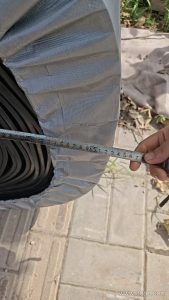
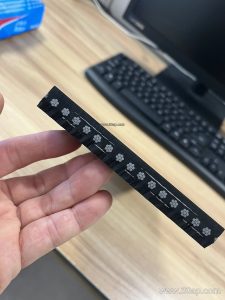
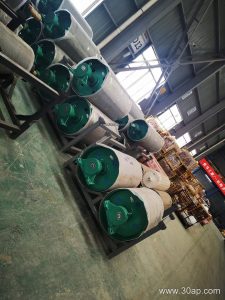
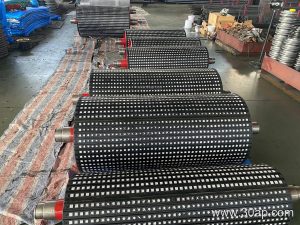
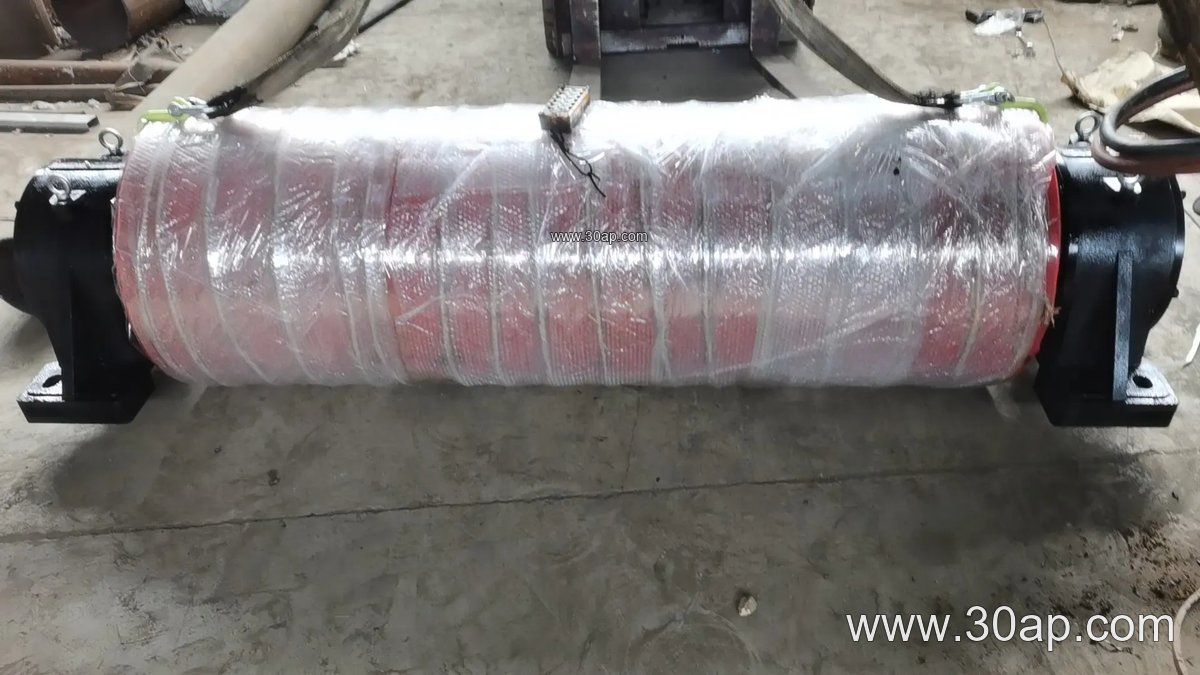
A striped lagged pulley is a conveyor pulley whose shell is covered with a rubber lagging that features a striped surface pattern—typically parallel or slightly angled grooves. This pattern is not decorative. It helps channel water and fine debris away from the contact zone between the pulley and the conveyor belt, improving grip in wet or dusty conditions. The pulley itself may serve as a drive pulley, tail pulley, or bend pulley, but the striped lagging is what defines its surface behavior. In bulk material handling, this type of lagged pulley is often chosen when standard smooth lagging struggles to maintain traction.
Construction and Surface Details
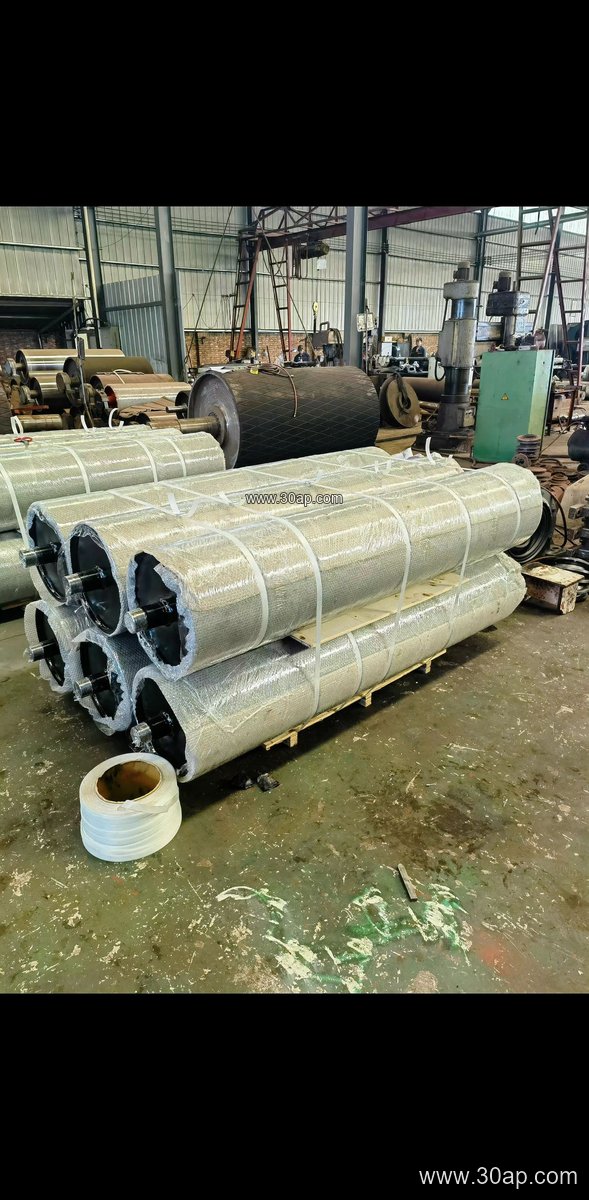
The base is a welded steel drum with machined end discs and a shaft sized to the torque and load of the conveyor. Lagging is applied either as cold-bonded rubber sheets or hot-vulcanized rubber, with a thickness commonly between 8 mm and 20 mm. The striped pattern is cut or molded into the rubber before or after bonding. Compared with diamond or herringbone lagging, the striped form offers a different balance of water evacuation and belt contact. A striped lagged pulley is not a substitute for a drive pulley or tail pulley by name—those are functional positions—but it can be the surface specification for any of them. For example, a bend pulley with striped lagging may be used to maintain belt tracking on a long overland conveyor, while a drive pulley with the same surface helps transmit torque without slippage.
Where It Fits in a Conveyor System
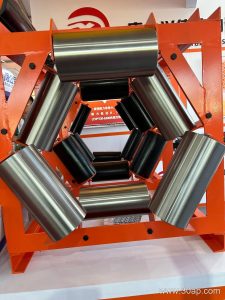
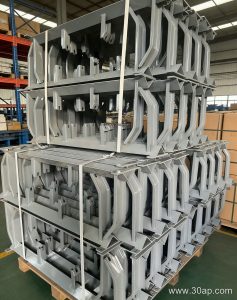
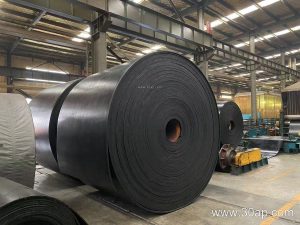
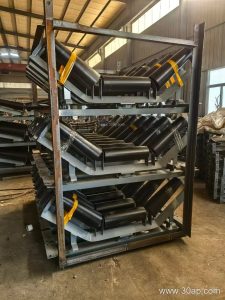
Striped lagged pulleys appear in quarry conveyor lines, coal mining conveyors, cement plant clinker transport, and power plant coal handling. In a typical aggregate plant, a striped lagged pulley might be installed as a tail pulley on a crusher conveyor belt, where dust and occasional moisture reduce friction. In underground mining, a flame retardant conveyor belt may run over a striped lagged bend pulley to keep the belt centered through curves. The lagging pattern also helps on conveyor pulleys that see wash-down or high humidity. It is not a replacement for a drive pulley or a tail pulley in terms of system function; rather, it is a surface option for those positions when extra traction is needed. Related components such as idler rollers and conveyor brackets work alongside the pulley, but the striped lagging is specific to the pulley surface.
Common Sizes and Configurations
Striped lagged pulleys are available in a range of belt width and diameter combinations. The table below shows typical reference values, not a fixed selection guide. Actual shaft diameter is determined by torque and load, not by belt width alone.
| Belt Width (mm) | Pulley Face Width (approx. mm) | Common Diameter Range (mm) |
|---|---|---|
| B400 | 500 | Ø200–Ø320 |
| B650 | 750 | Ø250–Ø400 |
| B800 | 950 | Ø315–Ø500 |
| B1000 | 1150 | Ø400–Ø630 |
| B1200 | 1400 | Ø500–Ø800 |
| B1400 | 1600 | Ø630–Ø1000 |
| B1600 | 1800 | Ø800–Ø1250 |
Lagging thickness is often 10 mm or 12 mm for general duty, and up to 20 mm for heavy-duty mining conveyor belts. The striped pattern may be parallel or slightly chevron-like, but it remains distinct from a full chevron conveyor belt. A striped lagged pulley can be supplied for B1200 × Ø1000 or B800 × Ø500 configurations, but these are examples, not universal matches. Shaft diameters from Ø50 to Ø200 are common, selected by the pulley manufacturer based on the actual conveyor design.
Buyer Checklist
- Position and duty: Confirm whether the pulley is a drive, tail, or bend pulley. The striped lagging is a surface choice, not a position name.
- Belt type: Consider the conveyor belt in use—an abrasion resistant conveyor belt or a heat resistant conveyor belt may require different lagging compounds. For high-temperature service, verify rubber compatibility.
- Environment: Wet, dusty, or oily conditions favor the striped pattern for drainage, but oil resistant lagging may be needed if oil is present.
- Dimensions: Provide belt width, pulley diameter, face width, and shaft size. Do not assume one belt width matches one diameter.
- Balance and runout: A striped lagged pulley should be dynamically balanced for higher speeds to avoid vibration that affects the conveyor belt and idler roller life.
For coal mining or underground coal mining conveyors, flame retardant and anti-static properties of the lagging may be relevant. In food or fertilizer handling, ensure the rubber grade suits the material. A striped lagged pulley is a practical surface solution when traction and water evacuation matter, but it should be specified with the full conveyor layout in mind, including conveyor brackets and supporting structure.