What the Three-Roll Idler Bracket Does on a Conveyor
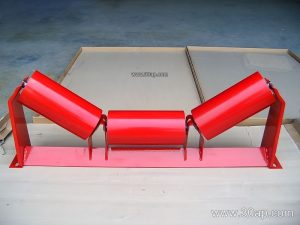
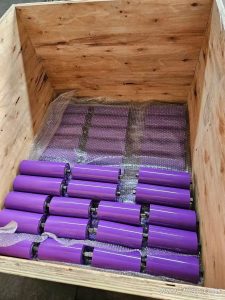
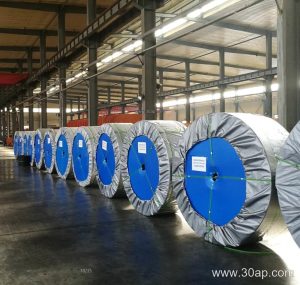
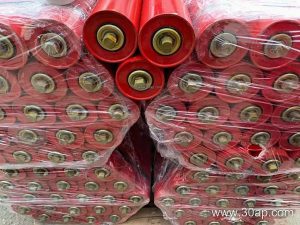
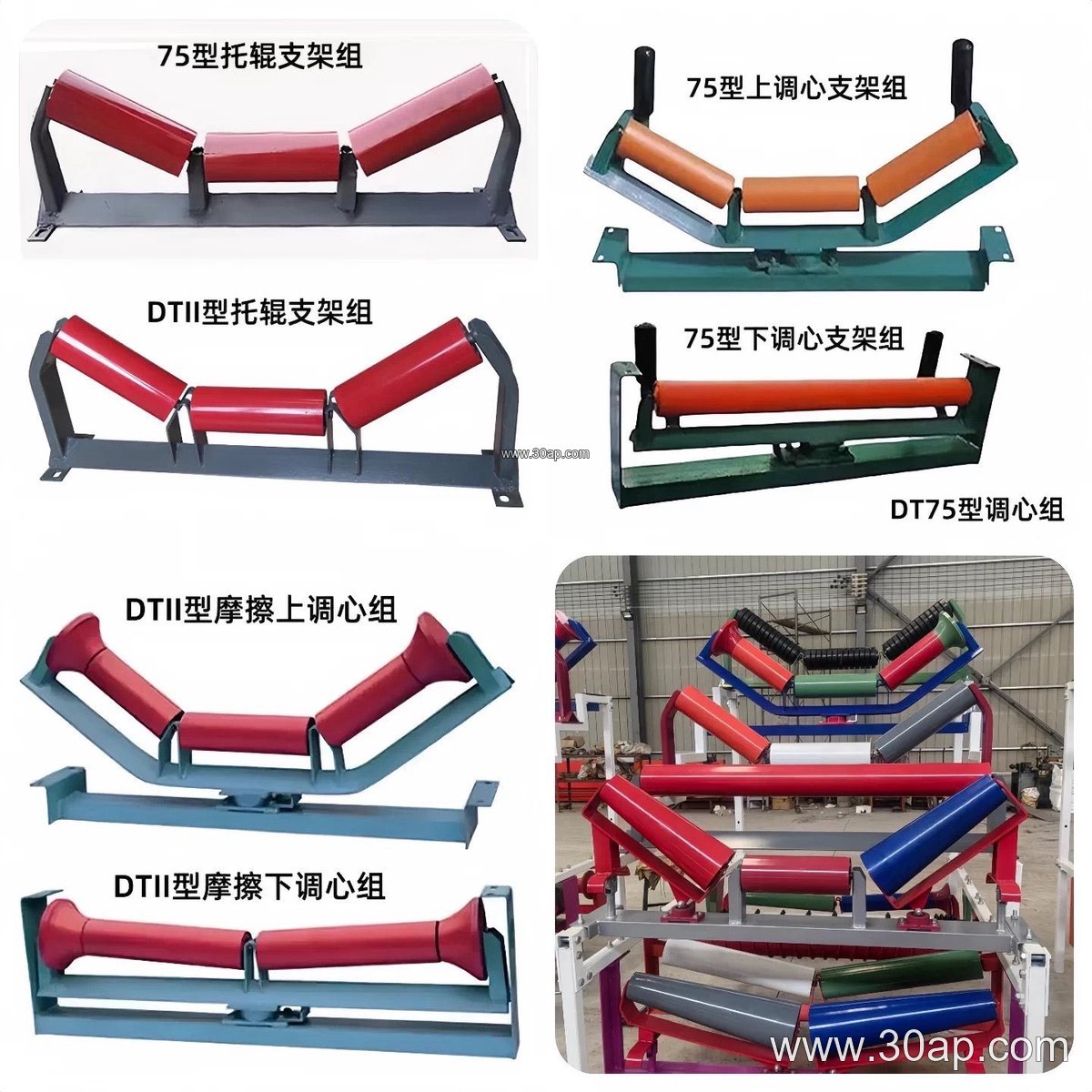
The three-roll idler bracket is the structural component that holds three idler rollers in a trough shape beneath the conveyor belt. It supports the belt at the carrying side, maintains the trough angle, and keeps the belt tracking smoothly under load. In a typical bulk handling line, the bracket works together with the conveyor belt, idler roller, and conveyor pulley to form the complete support system. The bracket itself does not move, but its geometry and strength directly affect belt life and material containment.
Common names for this item include troughing idler bracket, three-roll troughing bracket, and conveyor bracket for troughing idlers. These terms refer to the same product and may appear in different drawings or maintenance manuals.
Construction and Materials
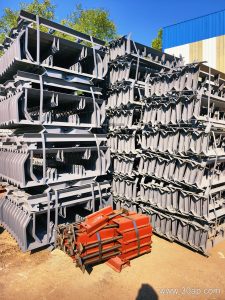
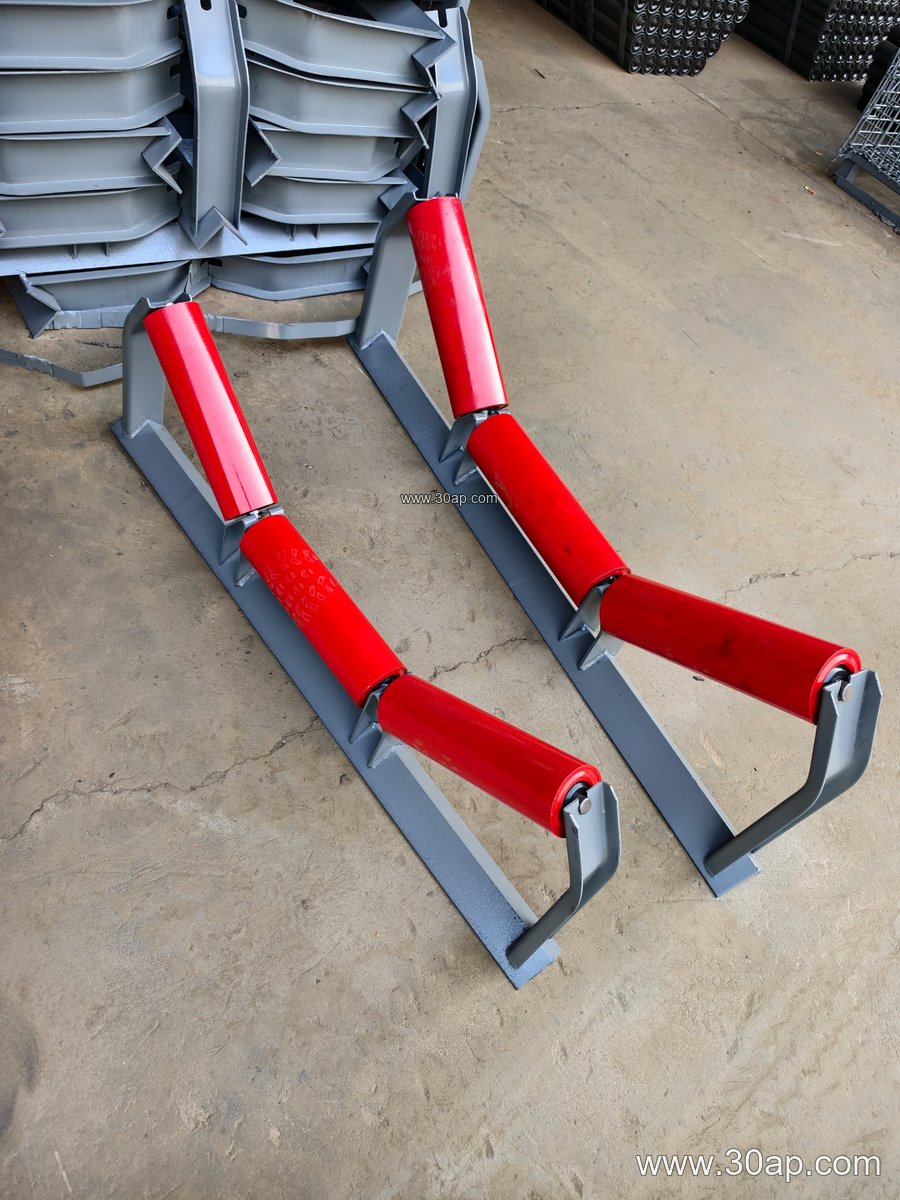
Most three-roll idler brackets are made from angle steel, channel steel, or folded steel plate. The frame has three mounting positions: a central horizontal roll seat and two angled side seats. The angle between the side rolls and the horizontal determines the trough angle. Welded or bolted joints connect the bracket to the conveyor stringer. In some designs, the bracket includes slotted holes or adjustable arms so the trough angle can be changed on site.
- Angle steel brackets are common in light to medium duty lines.
- Channel steel brackets suit wider belts and heavier loads.
- Folded plate brackets can reduce weight while keeping stiffness.
Surface treatment such as painting or galvanizing is often specified for dusty or wet conditions, but the exact finish depends on the site environment and the supplier’s standard.
Where Three-Roll Idler Brackets Are Used
These brackets appear in many industries that rely on belt conveying. In a limestone quarry or stone crushing line, they support the conveyor belt under coarse rock and aggregate. In a coal washing plant or power plant coal yard, they keep the belt in a stable trough so material does not spill. Cement plants use them on clinker and raw meal lines, while iron ore and copper ore operations rely on heavy-duty versions for abrasive loads. Port bulk terminals and ship loading systems also use troughing brackets on long overland conveyors.
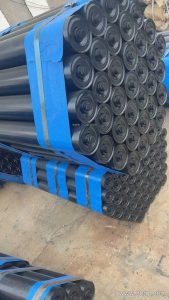
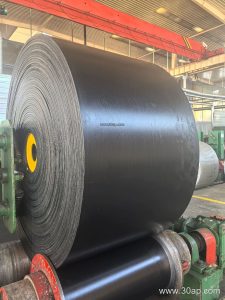
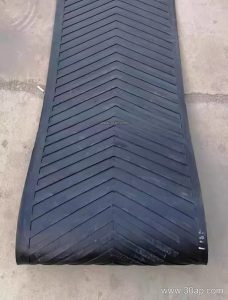
For dusty and abrasive service, the bracket is often paired with an abrasion resistant conveyor belt and sealed idler rollers. In underground coal mining, flame retardant conveyor belt and anti-static conveyor belt are common, and the bracket must fit the restricted space of the conveyor frame.
Matching Belt Width, Trough Angle, and Roll Diameter
Buyers should treat belt width, trough angle, and roller diameter as a design group, not as fixed pairs. A B800 belt may run at 30 degrees or 35 degrees with Ø108 or Ø133 rollers, depending on the conveyor design and material characteristics. Wider belts such as B1200 or B1400 often use 35 degree or 45 degree trough angles with larger rollers, but the final choice is set by the conveyor designer. The table below shows common reference combinations; these are examples, not mandatory matches.
| Belt Width | Common Trough Angle | Common Roller Diameter |
|---|---|---|
| B650 | 30 degrees | Ø89 |
| B800 | 35 degrees | Ø108 |
| B1000 | 35 degrees | Ø133 |
| B1200 | 35 or 45 degrees | Ø133 |
| B1400 | 45 degrees | Ø159 |
| B1600 | 45 degrees | Ø159 or Ø194 |
Installation hole spacing and crossbeam length change with belt width and trough angle, so the bracket should be ordered against the conveyor drawing rather than from a single belt width figure. A three-roll idler bracket for a B1000 line with 35 degree trough is not interchangeable with one for a B1000 line with 45 degree trough unless the design allows adjustment.
Fixed vs Adjustable Brackets
Fixed three-roll idler brackets hold a set trough angle and are simple and rigid. Adjustable brackets let maintenance crews change the trough angle between common values such as 20, 30, 35, and 45 degrees. Adjustable designs are useful when material flow varies or when a conveyor is being recommissioned for a different duty. Forward-leaning brackets, often set at about 1.5 to 2 degrees, are a separate subtype used for belt training and should not be confused with the standard troughing bracket.
When replacing a bracket, check the roller seat spacing, the mounting hole pattern, and the bracket height. A mismatch can cause the idler roller to sit unevenly, which leads to belt misalignment and edge wear.
Buyer Checklist
- Confirm the belt width and the required trough angle from the conveyor drawing.
- Match the roller diameter to the existing idler roller set.
- Check the material and finish for the site environment, such as wet, dusty, or corrosive conditions.
- Decide between fixed and adjustable brackets based on maintenance needs.
- Verify mounting hole spacing and crossbeam length with the supplier before ordering.
For a complete conveyor support system, the three-roll idler bracket should be specified together with the conveyor belt, idler roller, and conveyor pulley so that all components work as one assembly. More details on compatible brackets and rollers can be found at www.morningbelt.com.