What a Non-Standard Conveyor Bracket Really Is
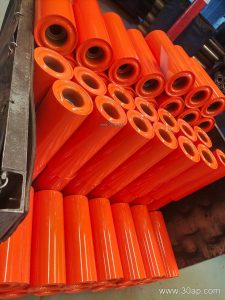
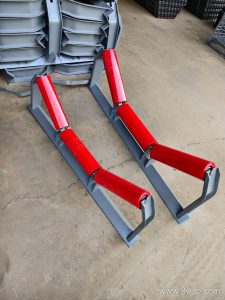
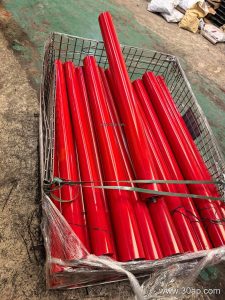
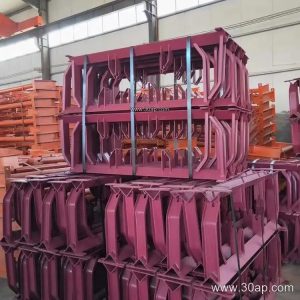
A non-standard conveyor bracket is a support component made to fit a belt conveyor layout that off-the-shelf brackets cannot serve. Instead of forcing the structure to accept a catalog part, the bracket is designed around the actual idler roller spacing, frame height, belt width and loading conditions on site. It may look simple, but it carries the idler roller, holds the trough angle and keeps the conveyor belt tracking in line with the rest of the line.
Buyers often meet this item when a project mixes unusual widths, tight transfer points or non-typical mounting holes. In a quarry, a coal preparation plant or a cement clinker line, the frame is rarely a clean copy of a standard drawing, so a custom bracket becomes the practical answer.
How the Bracket Is Built
Most non-standard conveyor brackets are fabricated from angle steel, channel steel or folded steel plate. The choice depends on load, span and the environment. A dusty aggregate conveyor may use a heavier channel section, while a lighter package line can use folded plate to save weight.
Key features usually include:
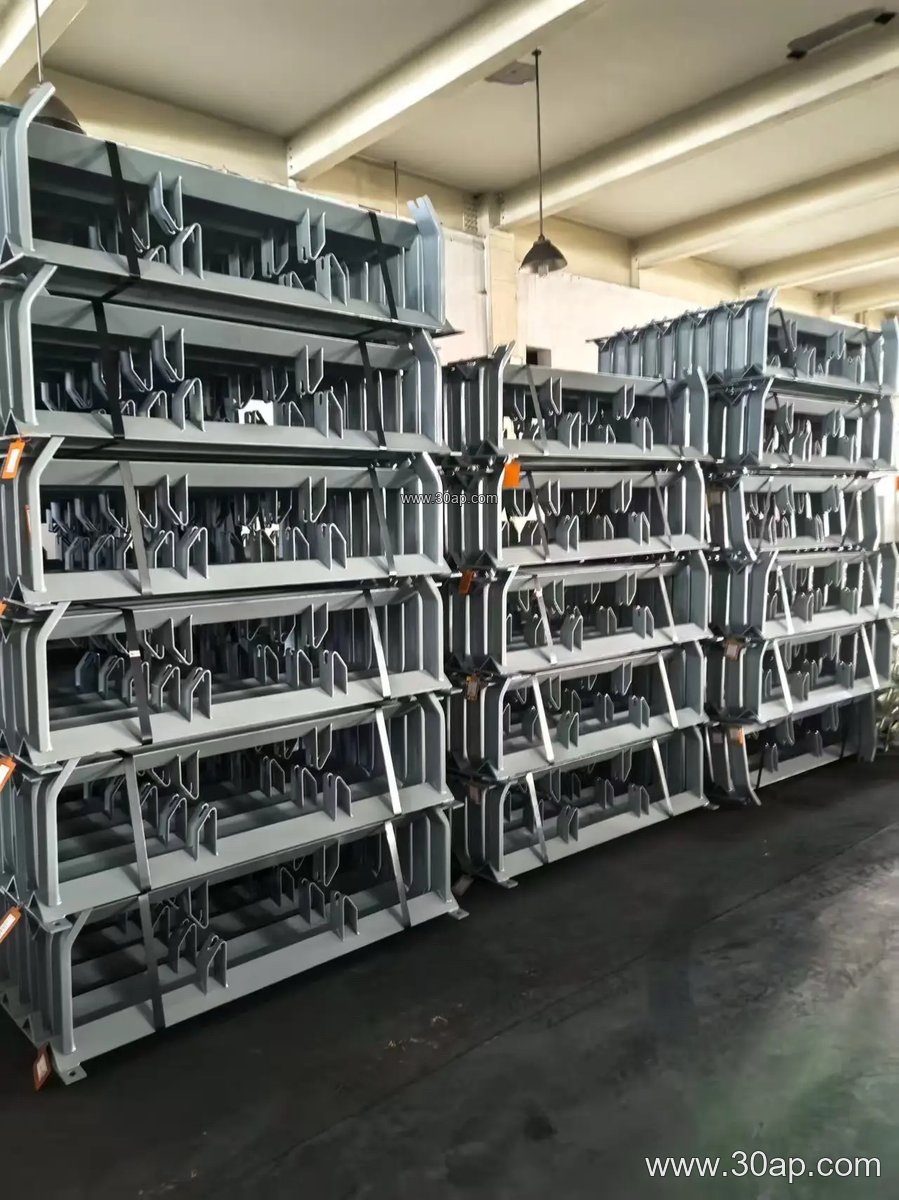
- Mounting slots or holes positioned to match the existing frame, not a fixed catalog pattern.
- Trough angles set by design, often 20, 30, 35 or 45 degrees, with adjustable versions able to move between these values.
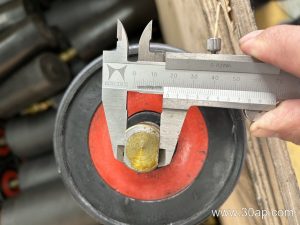
- Provisions for idler roller shafts in common diameters such as Ø89, Ø108, Ø133, Ø159 or Ø194.
- Reinforcement at weld seams and bolt points where vibration is expected.
Mounting hole spacing and crossbeam length change with belt width and trough angle, so they are confirmed per drawing rather than treated as universal numbers. A B800 bracket and a B1400 bracket may share a family look but will not share dimensions.
Where It Fits on the Conveyor
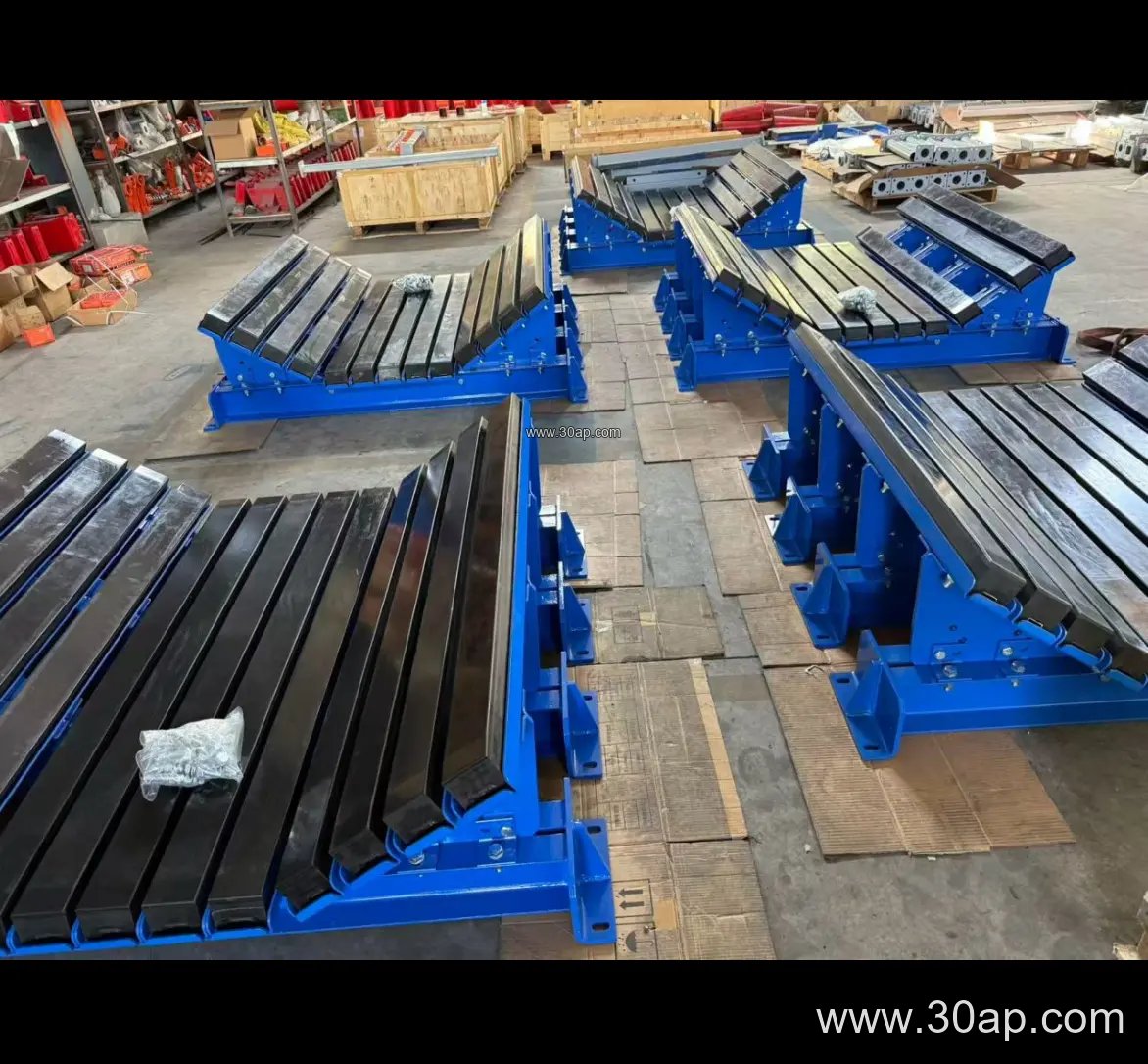
The bracket family covers several positions. Upper trough brackets carry the loaded side of the conveyor belt. Return brackets support the empty strand, and V-return or flat return designs are chosen to suit the belt path. Transition brackets sit near pulleys where the belt changes profile, and impact brackets are used under loading points to absorb shock.
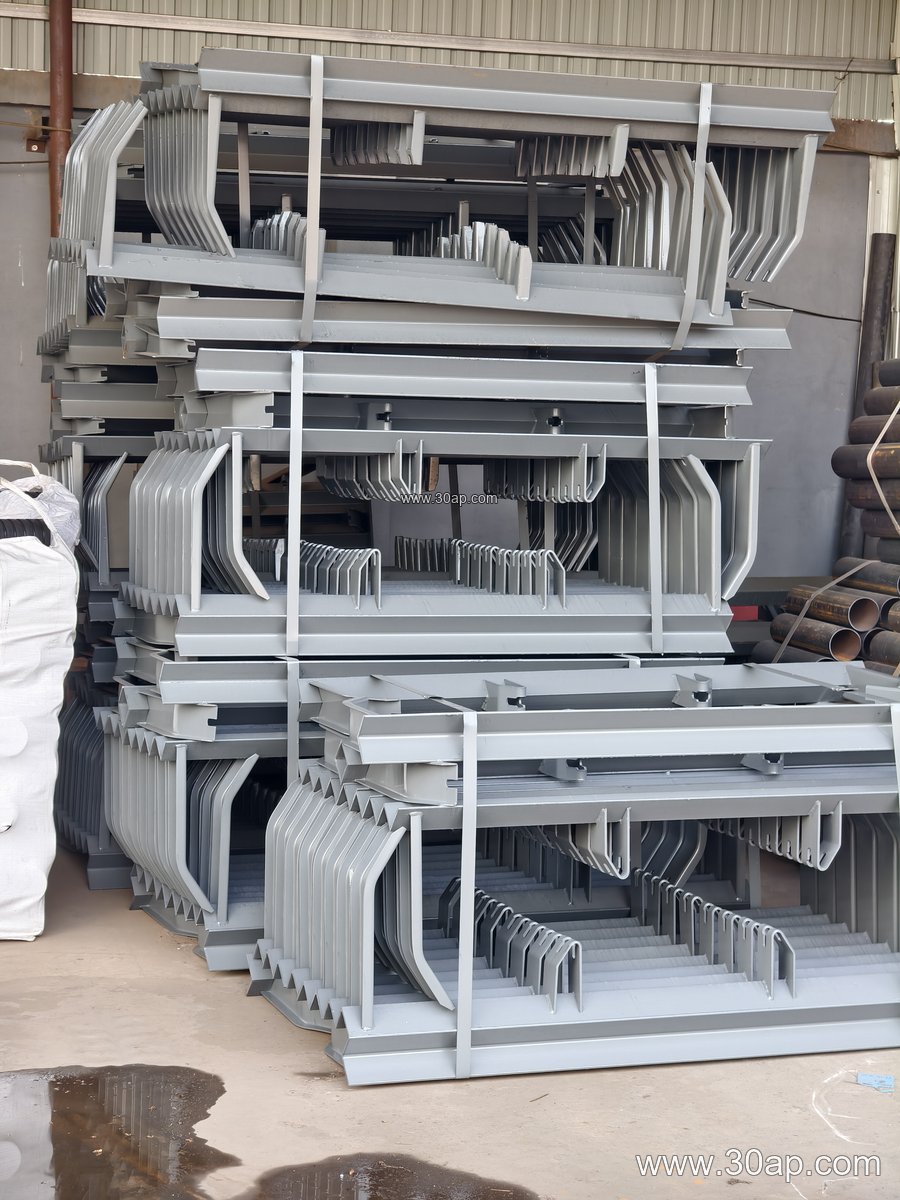
Self-aligning and forward-leaning brackets are another branch. A forward-leaning bracket usually tilts the idler roller by about 1.5 to 2 degrees to encourage belt tracking. These are different from drive, tail and bend pulleys, which are separate components and are never swapped for a bracket.
Typical Industries and Site Conditions
Custom brackets show up in stone crushing and screening lines, limestone mines, iron ore handling, power plant coal yards and port loading systems. In a sand and gravel plant, a non-standard conveyor bracket may be needed where a transfer chute narrows the frame. In a fertilizer or grain silo facility, the same idea appears when a fabric core conveyor belt runs on a compact frame that standard brackets cannot reach.
The working environment shapes the material and finish. A coal mining conveyor belt line may call for robust welded construction and easy bolt access, while a food grade conveyor belt area may need smoother surfaces and careful cleaning access. The bracket itself does not decide belt selection, but it must suit the belt and the idler roller it carries.
Matching Brackets with Belt and Roller Choices
Belt width, trough angle and roller diameter are linked by design, not by a single fixed rule. A B650 line with a 30 degree trough and Ø89 rollers is a common light arrangement; a B1200 line with 45 degrees and Ø133 rollers is a heavier one. Neither combination is mandatory, and a wider belt does not automatically dictate one shaft size.
| Reference Item | Common Examples | Note |
|---|---|---|
| Belt width | B500, B650, B800, B1000, B1200, B1400, B1600 | Bracket span follows actual width |
| Trough angle | 20°, 30°, 35°, 45° | Adjustable types cover a range |
| Roller diameter | Ø89, Ø108, Ø133, Ø159, Ø194 | Chosen with load and belt speed |
| Material | Angle steel, channel steel, folded plate | Selected by duty and environment |
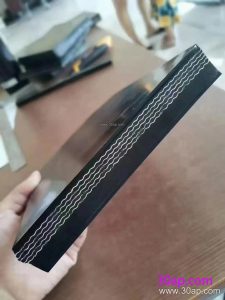
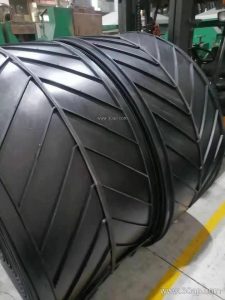
On heavy lines carrying an EP conveyor belt or a steel cord conveyor belt, the bracket must handle higher idler loads and vibration. On a chevron conveyor belt or corrugated sidewall conveyor belt run, clearance around the belt profile matters, so the bracket drawing should reflect the belt shape. A pipe conveyor belt installation needs its own panel geometry and is not a direct copy of a trough bracket.
What a Buyer Should Confirm Before Ordering
A clear drawing prevents most problems. The buyer should confirm belt width, trough angle, roller diameter, mounting hole pattern, frame material and the position on the conveyor. It also helps to state the industry and conditions, such as a crusher conveyor belt discharge point, a power plant coal conveyor or a port ship loading line.
Ask for the bracket to be checked against the conveyor pulley layout and the conveyor bracket interface on the existing frame. Small details, including bolt grade, weld finish and access for maintenance, affect service life. Spare brackets for high-wear loading zones are worth planning early.
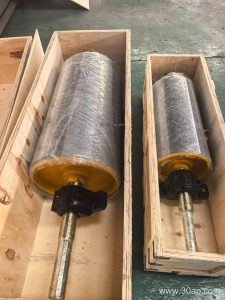
For related components, the same project may need a suitable conveyor belt, idler roller and conveyor pulley from a coordinated supply. Matching these parts at the design stage keeps the line aligned and reduces downtime later.