What Is a Non-Standard Conveyor Pulley
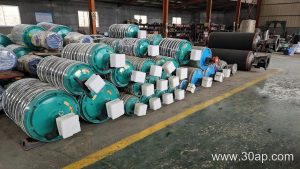
A non-standard conveyor pulley is a custom-built drum that differs from standard catalog dimensions in diameter, face width, shaft size, or surface configuration. It is engineered to match specific conveyor layouts where off-the-shelf pulleys cannot fit or perform optimally. In industries such as mining, coal preparation, cement, power generation, and aggregate processing, these pulleys ensure smooth power transmission and belt tracking even in tight spaces or unusual load conditions.
Construction and Key Components
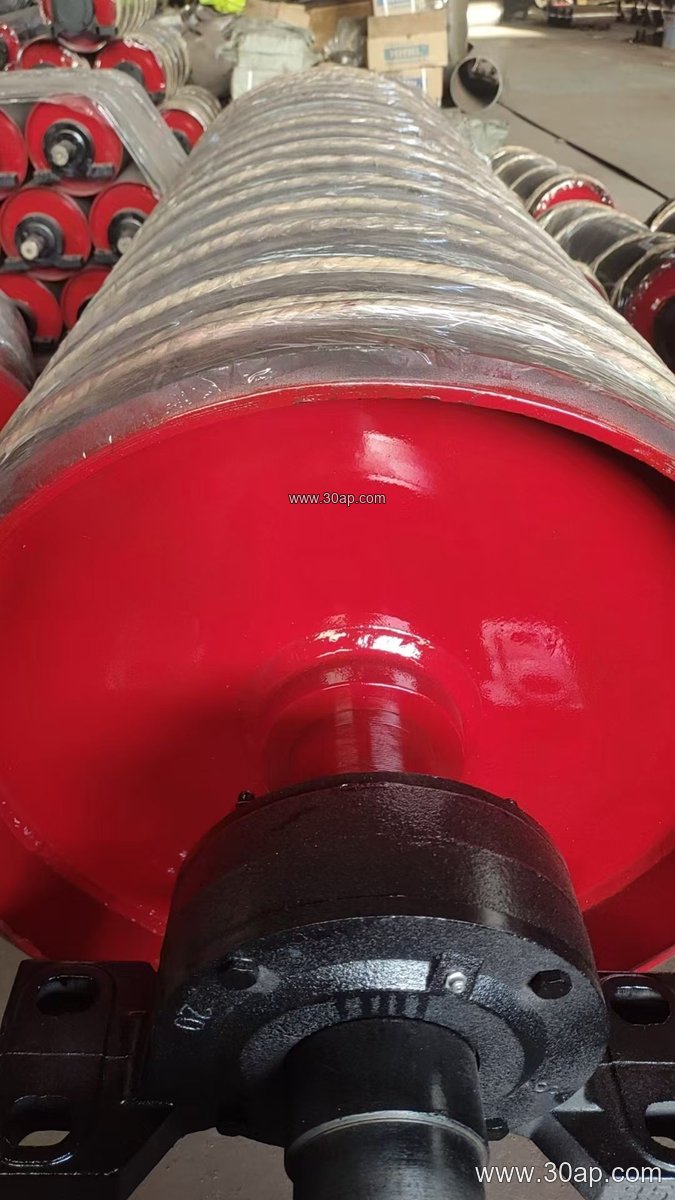
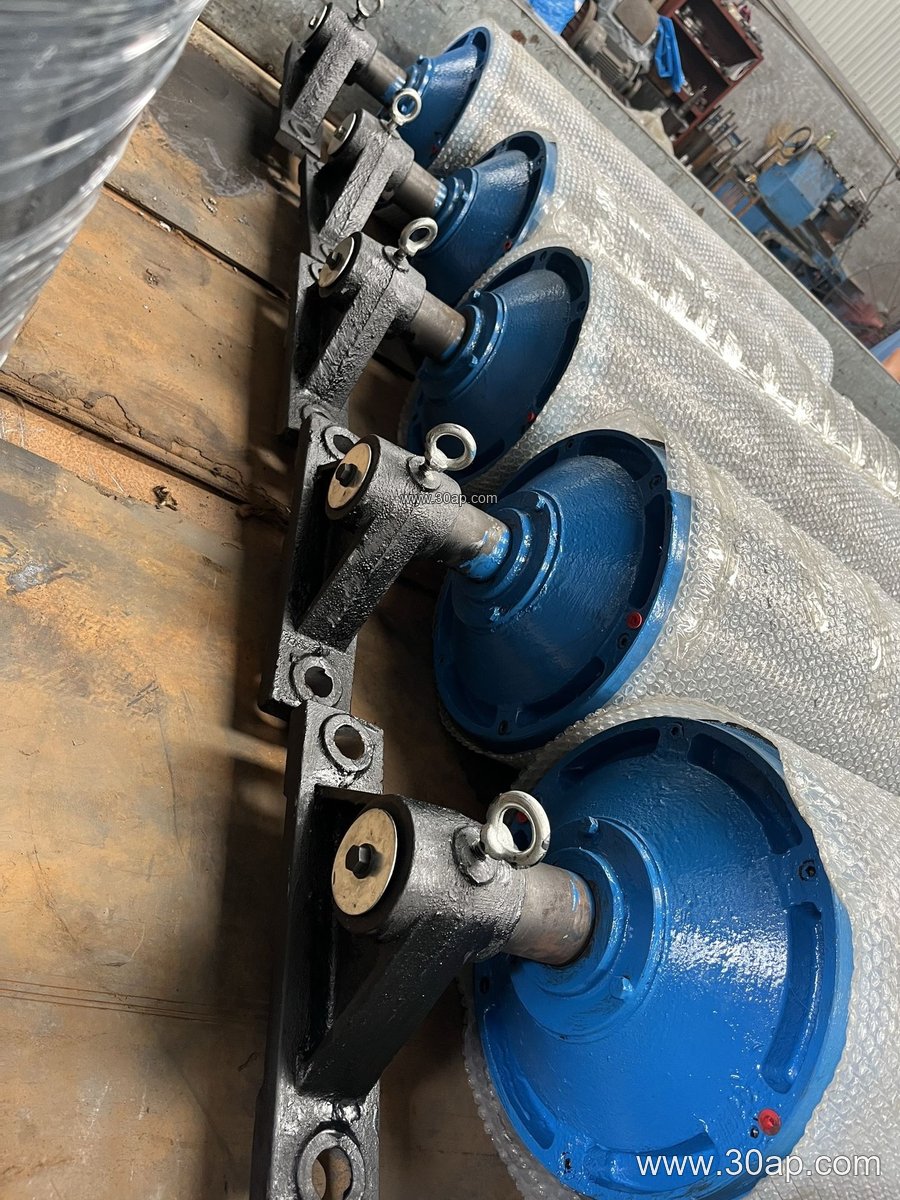
These pulleys are typically fabricated from steel pipe or rolled plate, with welded end discs and a through shaft or stub shafts. The shell may be machined for balance and concentricity. Surface options include plain finish, rubber lagging (cold-bonded or hot-vulcanized), diamond grooving, chevron pattern, or ceramic tiles. Lagging thickness commonly ranges from 8 mm to 20 mm depending on grip requirements. Bearing housings and locking assemblies are selected to suit the shaft diameter and radial loads.
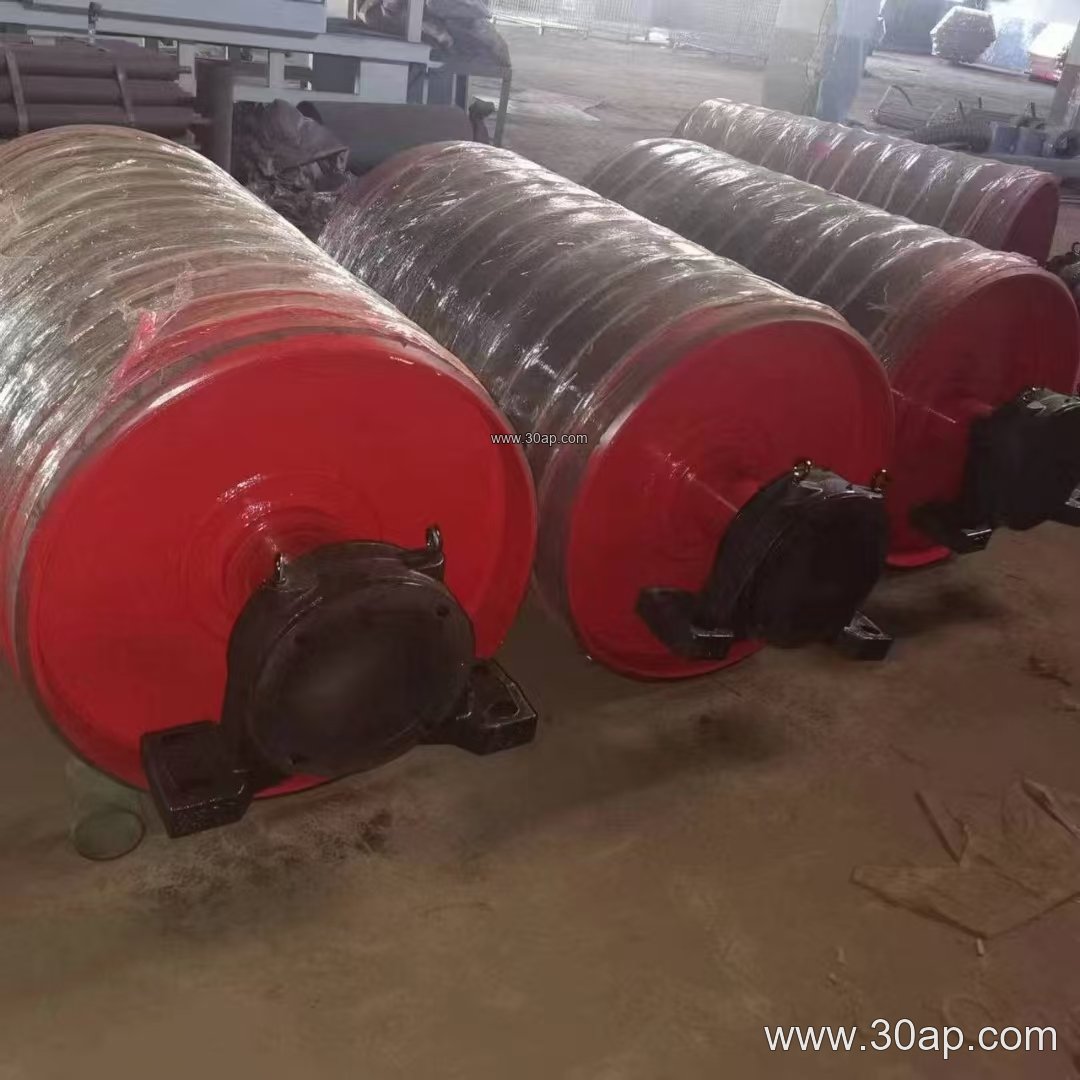
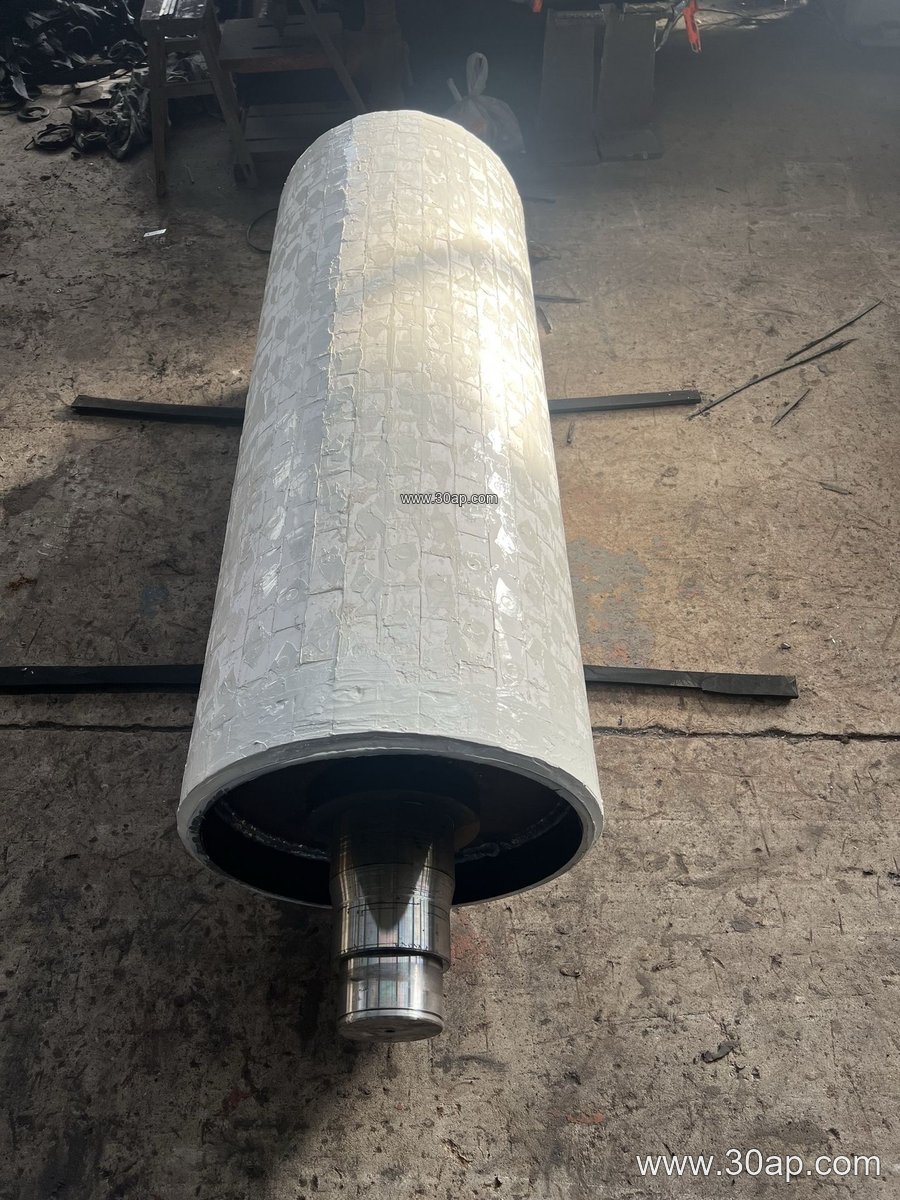
For example, a non-standard pulley might use a Ø630 mm shell with a 1400 mm face width to match a 1200 mm wide EP Conveyor Belt, while the shaft diameter is determined by torque calculations rather than a fixed rule. This flexibility allows adaptation to conveyor bracket interfaces and idler roller heights without reworking the entire conveyor frame.
Where Custom Pulleys Are Used
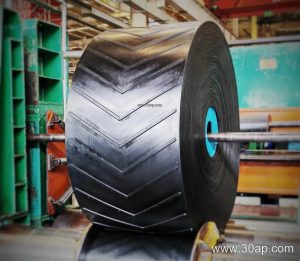
You will find non-standard conveyor pulleys in quarry and limestone operations, iron ore mines, coal washing plants, cement clinker lines, and power plant coal handling systems. They are also used in tunnel muck removal, fertilizer granulation, and grain silos where space constraints or aggressive materials demand special designs. In a typical aggregate crushing circuit, a custom bend pulley might redirect a chevron conveyor belt around an obstruction, while a non-standard tail pulley could accommodate a wider abrasion resistant conveyor belt than the original frame allowed.
Common Parameters and How They Vary
The table below shows typical reference values for non-standard conveyor pulleys. These are not universal specifications and should be confirmed with the pulley manufacturer based on actual load and belt width.
| Parameter | Common Range / Example | Notes |
|---|---|---|
| Shell diameter | Ø200 to Ø1800 mm (e.g., Ø500, Ø800, Ø1000) | Selected by belt speed, torque, and space |
| Face width | Belt width + 100 to 200 mm (e.g., B800 → 950 mm face) | Must exceed belt width for proper support |
| Shaft diameter | Ø50 to Ø200 mm | Determined by torque and bending load |
| Lagging thickness | 8, 10, 12, 15, 20 mm | Thicker for high-traction or abrasive duty |
| Surface pattern | Plain, diamond, chevron, ceramic | Chevron for wet or slippery conditions |
When specifying, avoid assuming that a given belt width forces a specific pulley diameter or shaft size. For instance, a B1200 steel cord conveyor belt might run on a Ø800 mm pulley in one plant and a Ø1000 mm pulley in another, depending on tension and wrap angle.
Buyer Checklist for Non-Standard Conveyor Pulleys
- Provide the exact belt width, type (e.g., multi-ply fabric core conveyor belt or heat resistant conveyor belt), and maximum tension.
- Confirm the available space for pulley diameter and face width, including clearance to conveyor bracket and idler roller frames.
- Specify lagging material and thickness based on environment (oil, heat, abrasion).
- State the shaft diameter required by the bearing and coupling, or ask the pulley maker to calculate it from torque.
- Clarify the mounting position (head, tail, bend, take-up) because each has different load and access requirements.
For assistance in matching a non-standard pulley to your rubber conveyor belt or NN conveyor belt, consult an application engineer who can review your conveyor layout and material characteristics.