What a 600mm Conveyor Belt Is
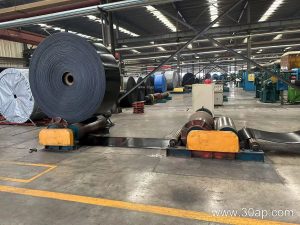
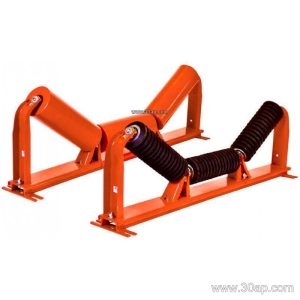
A 600mm conveyor belt is a belt with a nominal width of 600 millimeters, often written as B600 in specifications. It sits in the mid-range of standard belt widths and is widely used on medium-capacity conveying lines where a 500mm belt is too narrow and an 800mm belt would add cost without extra benefit. The belt is only one part of the machine: it runs over a drive pulley, a tail pulley, and bend pulleys, and it is supported by idler rollers mounted on conveyor brackets along the carry and return sides. Each of these components has its own function, and the pulleys are not interchangeable with each other.
The 600mm width appears in many industries, including mining, coal preparation, cement plants, power stations, sand and gravel yards, and general bulk material handling. It is a practical size for feeding crushers, linking screening stations, and moving material between process buildings.
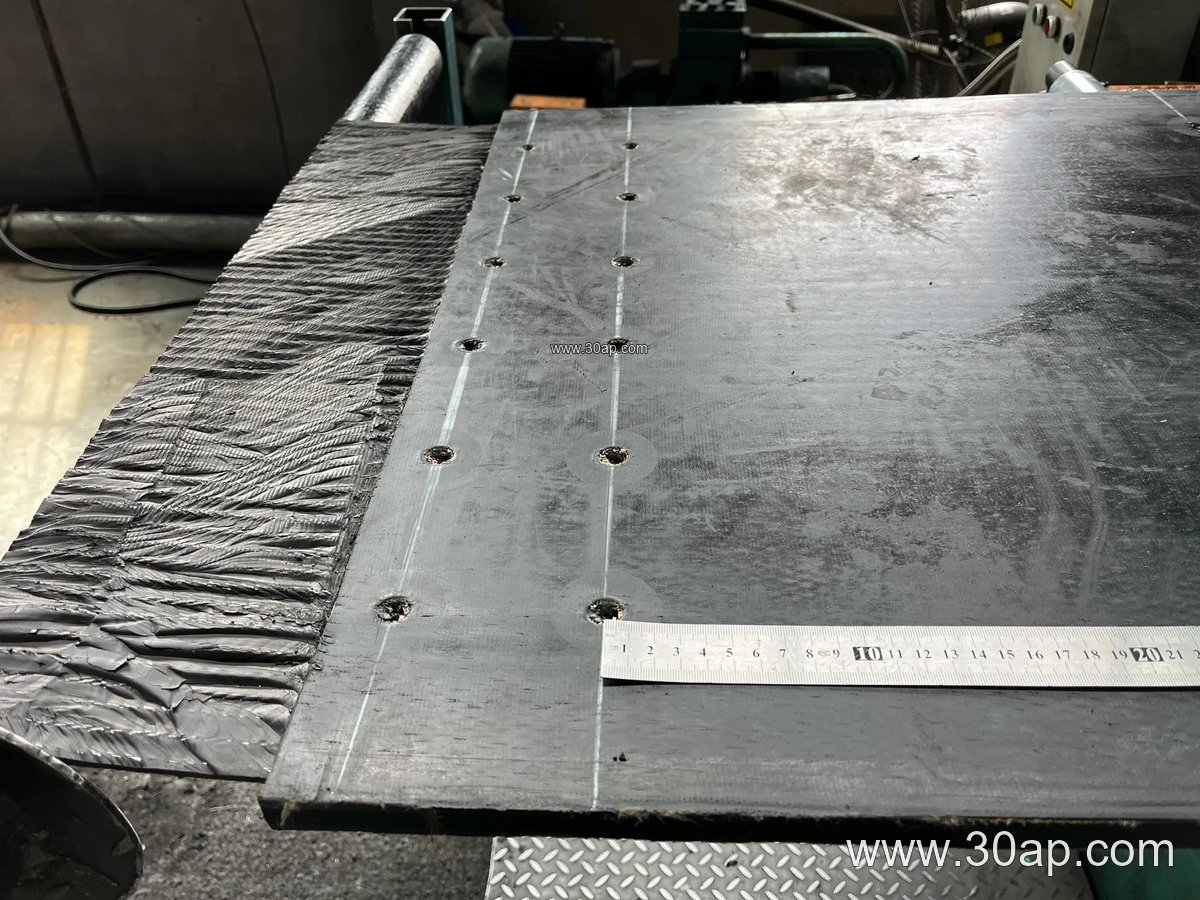
Construction and Common Specifications
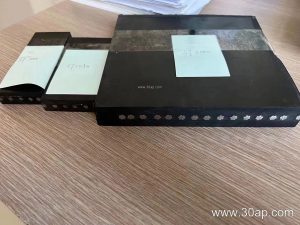
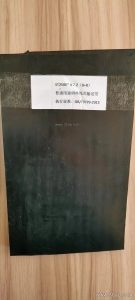
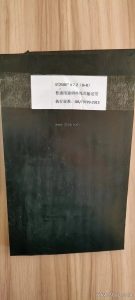
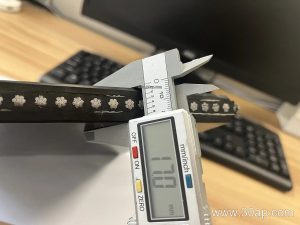
The belt body is usually a fabric core with rubber covers, though steel cord construction is also available for heavier duties. Fabric cores may be EP (polyester warp, polyamide weft) or NN (nylon warp and weft), and multi-ply fabric core designs are common. Cover rubber thickness is stated as top plus bottom, for example 4+2 mm or 5+2 mm, and the correct grade depends on the material being carried.
The table below shows typical reference values; actual figures are confirmed by the manufacturer for each order.
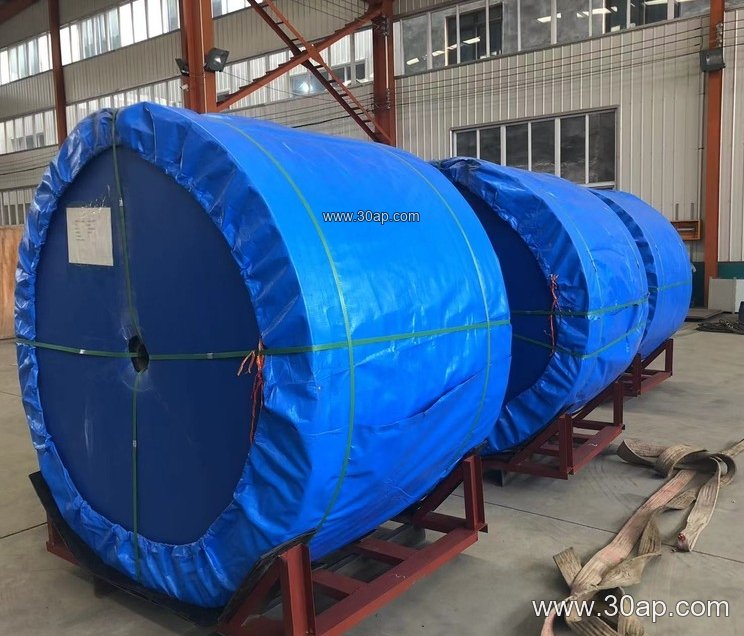
- Belt width: 600mm (B600)
- Common fabric types: EP conveyor belt, NN conveyor belt, multi-ply fabric core
- Reference strength grades: EP200, EP315, EP400, EP500, EP630, EP800, EP1000
- Typical cover combinations: 3+1.5 mm, 4+2 mm, 5+2 mm
- Typical carcass: 2 to 6 plies
- Special grades: abrasion resistant, heat resistant, oil resistant, flame retardant, anti-static, cold resistant
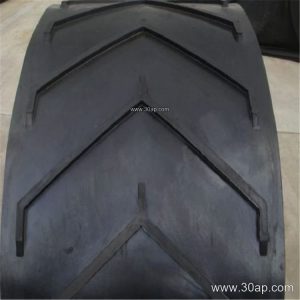
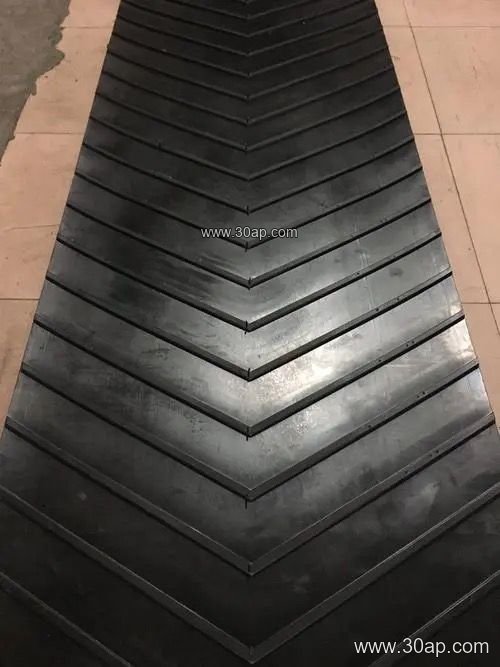
- Surface forms: plain, chevron, corrugated sidewall, skirted
Where It Fits in a Plant
In a quarry or sand making plant, a 600mm belt often handles screened stone, sand, and return fines. In a coal mining or underground coal mining application, a flame retardant and anti-static grade is typically required, and PVG or PVC constructions are common choices for underground service. Cement plants use this width on clinker and raw meal transfer lines, while power plants use it for coal and ash handling. Port and ship loading operations may use it on smaller transfer conveyors rather than on the main boom lines.
Because the belt is not very wide, it suits lines with moderate tonnage and shorter center distances. It also works well where space is tight, for example under a crusher discharge or between two conveyor brackets close together. Matching the belt to the pulley face width, the trough angle of the idler rollers, and the loading condition matters more than the width alone.
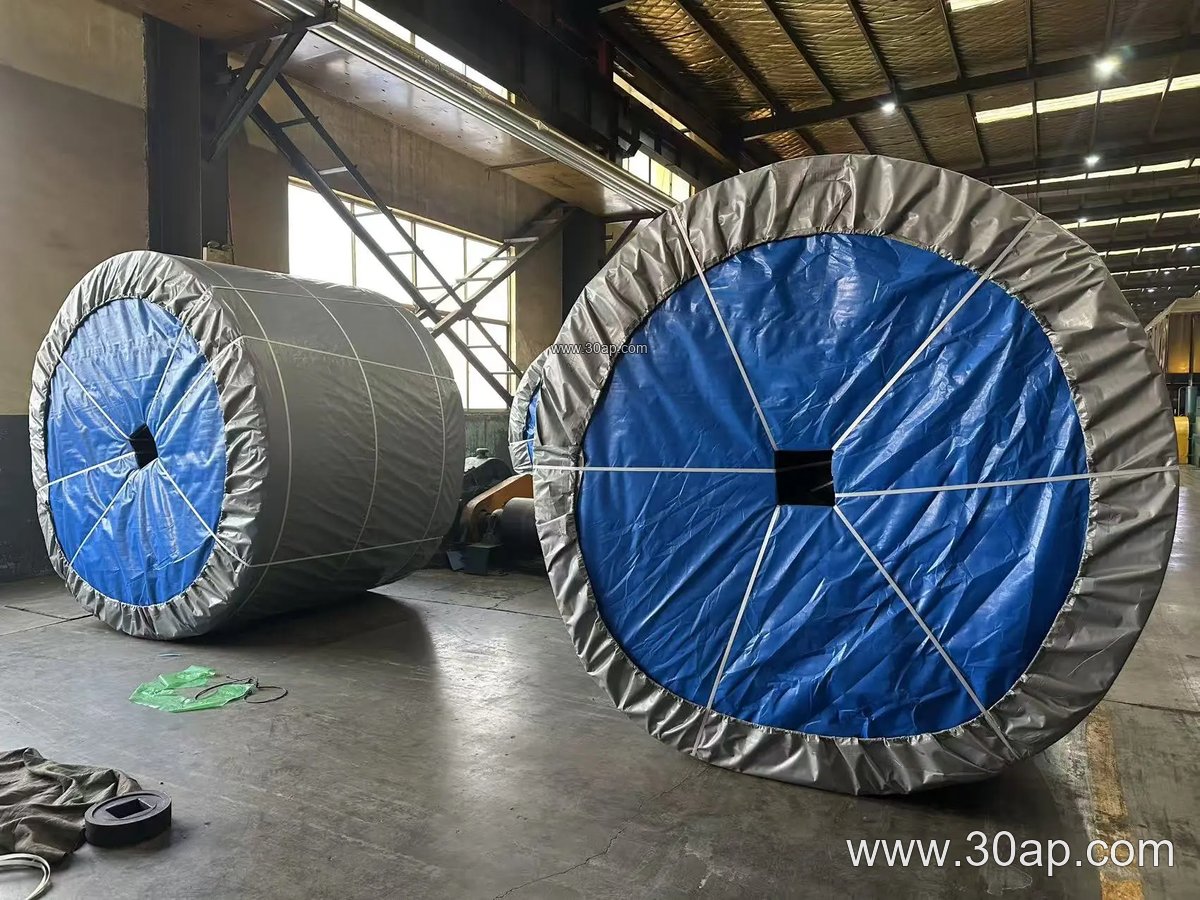
Choosing the Right Grade
Selection starts with the material and the environment. Abrasive rock calls for a high abrasion resistant cover. Hot clinker or sinter needs a heat resistant conveyor belt, and coal or grain handling in enclosed spaces usually requires a flame retardant conveyor belt. Oil-soaked scrap or recycled material may need an oil resistant grade, while cold climates favor a cold resistant compound. A chevron conveyor belt helps on inclines where material would otherwise slide back, and a corrugated sidewall or skirted design keeps material on the belt on steep or confined routes.
Buyers should also confirm the belt’s rated tension against the actual duty. A 600mm width can be paired with different pulley diameters depending on the belt construction and the load, so the pulley size should be checked with the belt supplier rather than assumed from the width. Shaft diameter is a separate design decision and should never be guessed from belt width alone.
Installation and Maintenance Notes
Correct alignment is the first priority. Check that the drive pulley, tail pulley, and bend pulleys are square to the frame, and that idler rollers turn freely. A belt that is tensioned unevenly will drift to one side, and edge wear follows quickly. Keep the loading point centered and use skirt rubber or a feed chute to reduce impact and spillage.
Inspect the belt regularly for cover wear, ply separation, and edge damage. Replace worn idler rollers before they cut into the belt surface, and check conveyor brackets for looseness after heavy vibration. Store spare belts in a dry, shaded place and avoid sharp bends during handling.
For more information on belt widths, roller sizes, and pulley options, visit www.example.com/conveyor-belt or contact our engineering team with your material, tonnage, and route details.