What an Ore Conveyor Belt Does
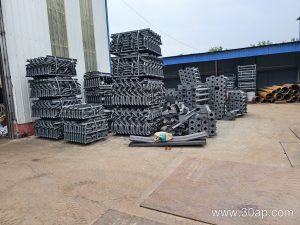
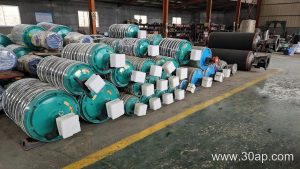
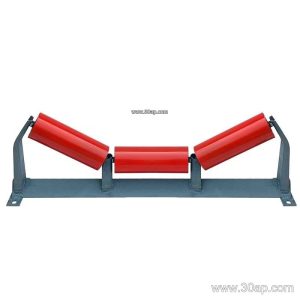
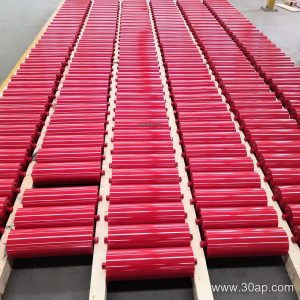
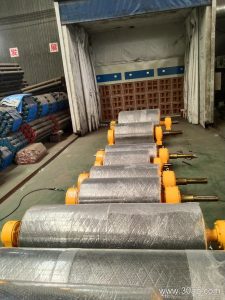
An ore conveyor belt is the load-carrying element of a bulk handling line that moves crushed rock, lump ore, concentrate and screened aggregate between a crusher, a stockpile and a ship loader or mill feed bin. In a mine or quarry the belt is only one part of the circuit, but it is the part that touches the material directly, so its cover compound and carcass have to suit the duty. A conveyor pulley at the head end drives the belt, a tail pulley returns it, and bend pulleys steer it around curves and take-up sections. Idler roller sets support the loaded strand, and conveyor bracket frames hold the idlers at the correct trough angle.
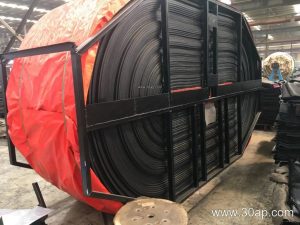
The same term is used for the full range of heavy-duty mining conveyor belt constructions, from fabric-reinforced rubber belting to steel cord belting for long overland routes. Buyers often search for it under names such as iron ore conveyor belt, copper ore conveyor belt or gold mining conveyor belt, but the engineering question is the same: what abrasion, impact and tension will the line impose on the belt?
Construction and Common Types
Most ore belts combine a rubber cover with a fabric or steel carcass. The carcass carries tension, while the covers protect it from abrasion, moisture and oil. Common options include:
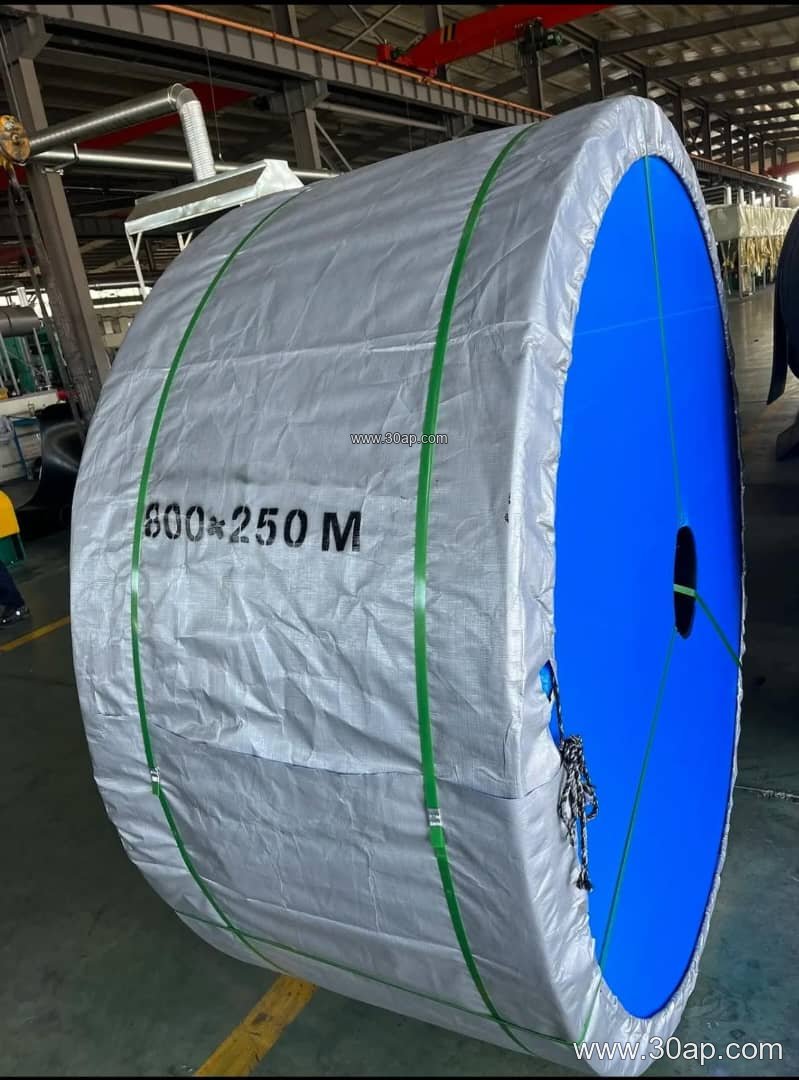
- EP conveyor belt with polyester-nylon fabric plies, widely used in crushing and screening plants.
- NN conveyor belt with nylon-nylon plies, chosen where flexibility around small pulleys matters.
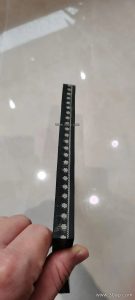
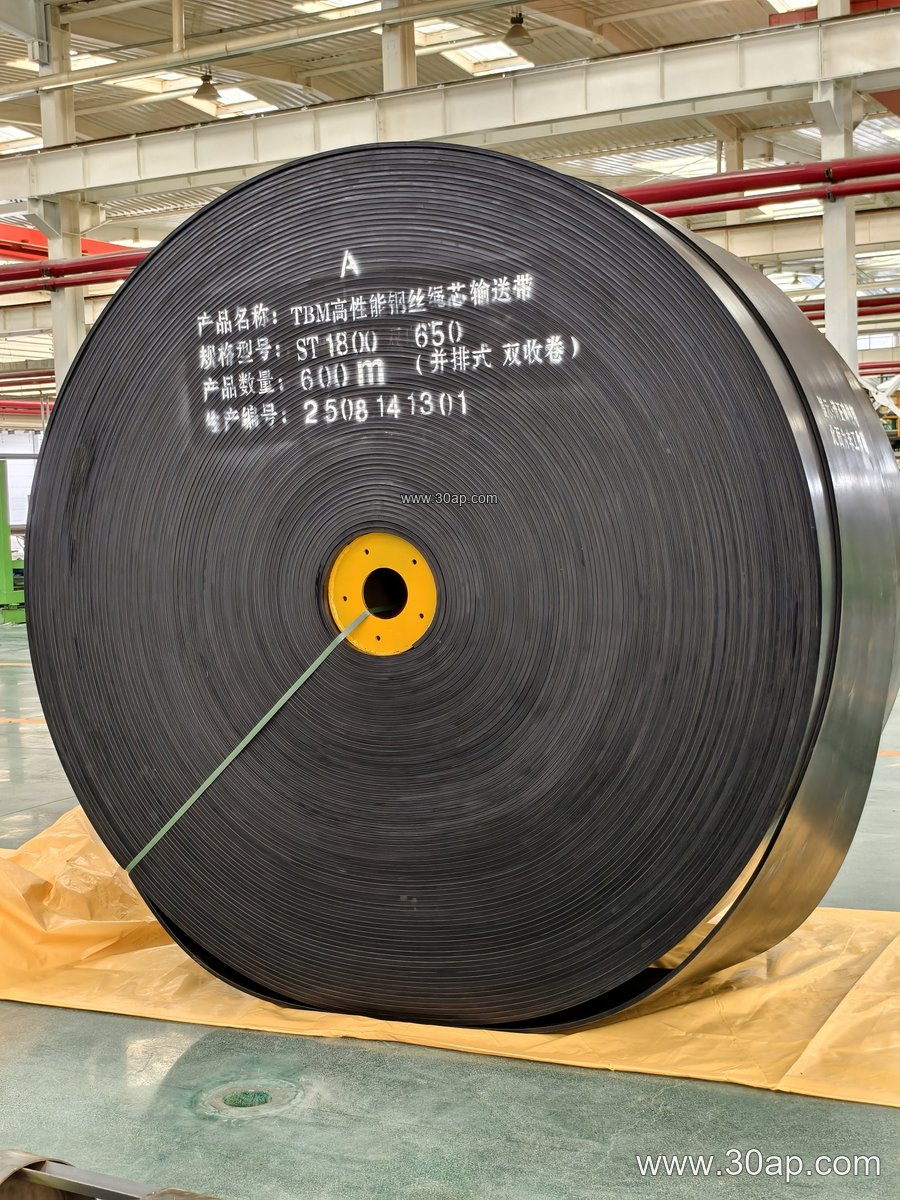
- Steel cord conveyor belt for high-strength, long-distance haulage from pit to plant.
- Abrasion resistant conveyor belt with a tough top cover for sharp, angular rock.
- Flame retardant conveyor belt and fire resistant conveyor belt for underground coal mining conveyor belt applications.
- Heat resistant conveyor belt where material leaves a dryer or kiln at elevated temperature.
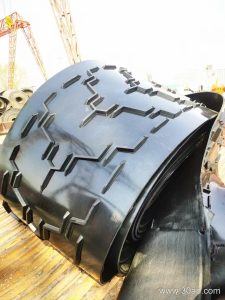
- Chevron conveyor belt or corrugated sidewall conveyor belt for steep inclines and confined transfers.
Cover thickness is usually stated as top plus bottom, for example 4+2 mm or 6+2 mm, and the number of fabric plies commonly ranges from two to six depending on the duty. A rubber conveyor belt for ore is normally specified with an abrasion-resistant grade, and an anti-static conveyor belt may be required in dusty or hazardous atmospheres.
Reference Data for Early Planning
The figures below are reference values only. Actual selection depends on the conveyor design, the lump size and the operating environment.
| Item | Typical reference values |
|---|---|
| Fabric belt strength grades | EP200, EP315, EP400, EP500, EP630, EP800, EP1000, EP1250 |
| Steel cord strength grades | ST1000, ST1250, ST1600, ST2000, ST2500 |
| Belt width | B500, B650, B800, B1000, B1200, B1400, B1600, B1800, B2000 |
| Cover thickness | 3+1.5 mm, 4+2 mm, 5+2 mm, 6+2 mm, 8+3 mm |
| Carcass plies | 2 to 6 plies for fabric constructions |
Width and pulley diameter are separate design decisions. A 1200mm wide belt is not tied to one head pulley size, and shaft diameter must be calculated from the actual drive load rather than guessed from belt width.
Where Ore Belting Is Used
These belts appear across mining, coal, cement, power, steel and sand and gravel operations. In a coal mine, a flame retardant grade may be mandatory; in a cement plant, heat resistant belting may follow the clinker cooler; in a quarry or aggregate plant, a high abrasion resistant cover handles granite and basalt. Port and ship loading terminals use wide belts, sometimes 1800mm or 2000mm, to move large tonnages quickly. Recycling and construction waste lines use similar belting where sharp metal and mixed debris are present.
What Buyers Should Check
Start with the material: lump size, moisture, temperature, oil content and abrasiveness. Then confirm the required tensile strength, belt width and cover thickness with the conveyor designer. Ask how the belt will be joined, since an endless conveyor belt spliced on site behaves differently from an open-length belt with mechanical fasteners. Check that the pulley lagging, idler roller spacing and conveyor bracket alignment match the belt specified. Finally, keep spare splice material and a short length of matching belt on site, because a stopped ore line can halt the whole plant.