What an Underground Mining Conveyor Idler Does Down the Shaft
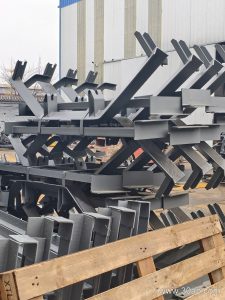
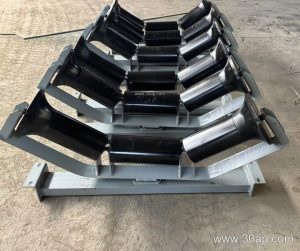
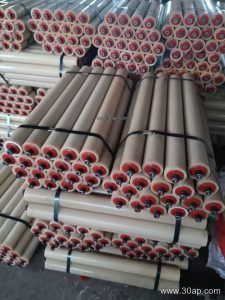
In a decline or a coal seam roadway, space is tight and the belt has to keep moving. An underground mining conveyor idler is the rotating support that carries the conveyor belt on the load side and on the return side. It is a small, consumable part, but a stuck or worn idler roller can damage the belt, spill material and stop a shift. Most underground installations use steel tube idlers with sealed bearings, mounted in a conveyor bracket or frame that fixes the spacing and the trough angle.
How the Roller Is Built
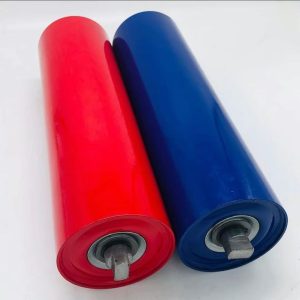
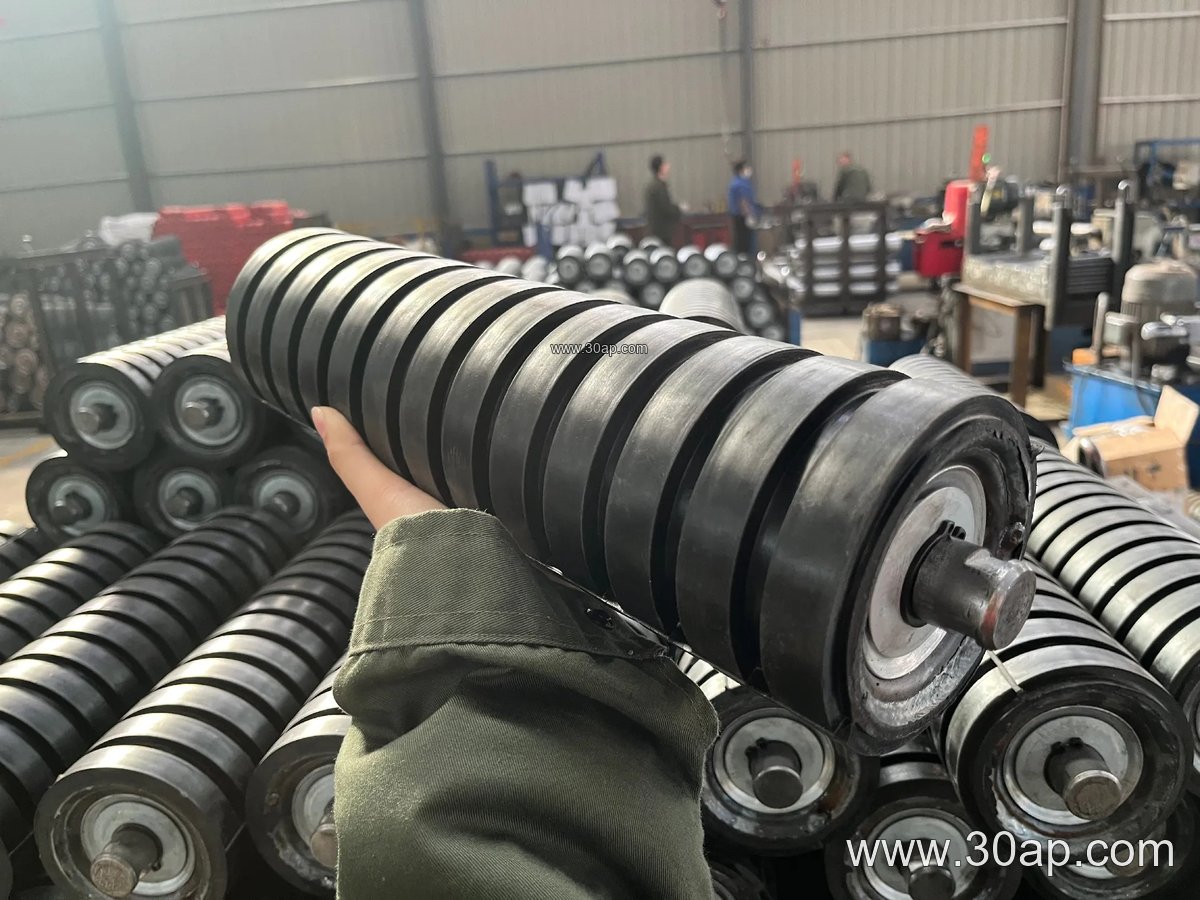
A typical unit has a steel tube shell, a shaft, bearing housings at each end and a sealing arrangement. Roll face options include plain steel, nylon, ceramic and rubber rings. Rubber rings are common on impact idlers under a transfer point, where lump coal or ore drops onto the belt. Bearings are usually deep-groove ball types such as 6204, 6205, 6305, 6306, 6308 or 6310, matched to the load and the shaft, not chosen by belt width alone. Seals matter underground because water, coal dust and fine grit shorten bearing life quickly.
Troughing, Transition and Return Positions
The same roller family appears in several positions along the structure:
- Troughing idlers: two or three rolls set at 20, 30, 35 or 45 degrees to shape the belt into a trough.
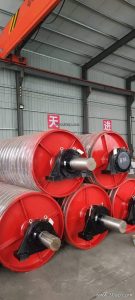
- Transition idlers: placed near a conveyor pulley to ease the belt from flat to troughed.
- Return idlers: flat or V-shaped rolls supporting the empty belt.
- Impact and rubber-ring idlers: fitted below a chute or crusher discharge.
- Self-aligning and friction self-aligning idlers: used to correct belt drift on long runs.
- Spiral or comb idlers: help shed sticky material in wet conditions.
Trough angle affects how much bulk material the belt can carry. A 35-degree three-roll set is common on main haulage, while a 20-degree set may suit wider belts or material that should not be squeezed. Roll length is not fixed either; a three-roll B800 set often uses rolls around 315 mm long, a B1000 set around 380 mm, and a B1200 set around 465 mm, but side rolls and centre rolls can differ and the final figure comes from the conveyor design.
Where These Idlers Are Used
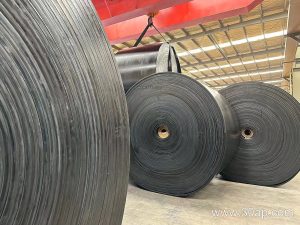
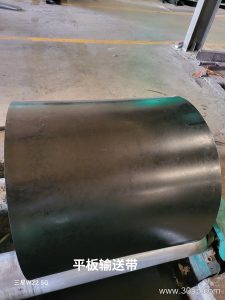
Coal mines and wash plants are the classic home, but the same hardware appears in limestone and iron ore drifts, tunnel spoil lines and underground crushing stations feeding a bulk material conveyor belt. Some operations run a flame retardant conveyor belt or PVG conveyor belt on the same structure, and the idler specification should match that belt and the local dust and water conditions. Above ground, similar rollers support an EP conveyor belt or a steel cord conveyor belt in cement plants, power plant coal yards and quarry lines, so spare parts planning often overlaps between sites.
Common Reference Sizes
The table below lists typical reference values. They are examples for discussion, not a fixed match between one belt width and one roller diameter.
| Item | Common reference values |
|---|---|
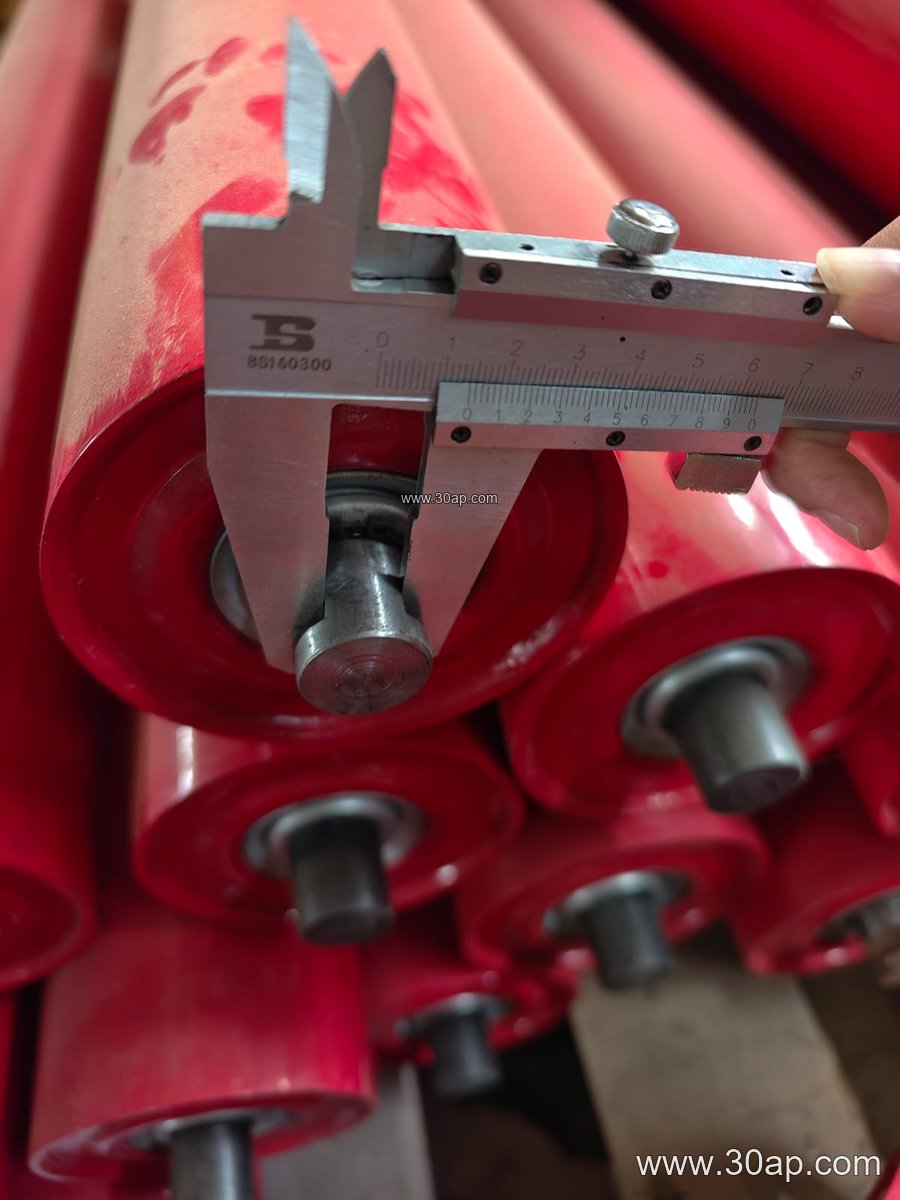
| Roller diameter | Ø63, Ø76, Ø89, Ø102, Ø108, Ø127, Ø133, Ø159, Ø178, Ø194, Ø219 mm |
| Belt width | B400, B500, B650, B800, B1000, B1200, B1400, B1600, B1800, B2000, B2200, B2400 |
| Trough angle | 20, 30, 35, 45 degrees |
| Roll face | Steel, nylon, ceramic, rubber ring |
| Bearing | 6204, 6205, 6305, 6306, 6308, 6310 |
| Idler set | Single roll, two-roll, three-roll troughing |
Buyer Checklist Before Ordering
Confirm the belt width, the trough angle and the frame or bracket dimensions first. Then check the shaft ends and fixing method, because a roller that does not sit correctly in the conveyor bracket will walk or seize. Ask about seal type and bearing fit for wet or dusty roadways. Check whether the position needs impact resistance, self-aligning behaviour or a spiral surface. For a mine, also confirm the fire and antistatic requirements of the belt and the surrounding approval regime. Finally, keep a small stock of the most used idler roller sizes, since replacement is faster than repair underground. For related components, see the belt and pulley range at pipeconveyorbelt.com and the roller supply notes at idler-roller.com.