Understanding the Role of the Idler Roller in Conveyor Performance
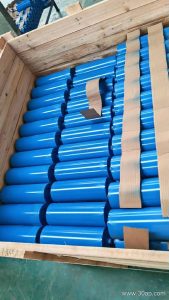
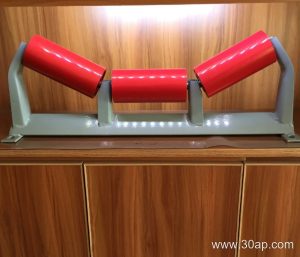
The idler roller is the unsung hero of bulk material handling. It supports the belt, shapes the load, and minimizes friction along the conveyor path. Choosing the wrong idler leads to belt misalignment, premature wear, and costly downtime. Every idler roller must match the belt width, speed, and material density it carries.
Key Selection Criteria for an Idler Roller
Start with the idler’s diameter and shell thickness. Heavier loads demand a thicker wall and larger bearing. For abrasive materials, specify a sealed bearing and a rubber or HDPE coating. Also verify the trough angle—20°, 35°, or 45°—to control material spillage.
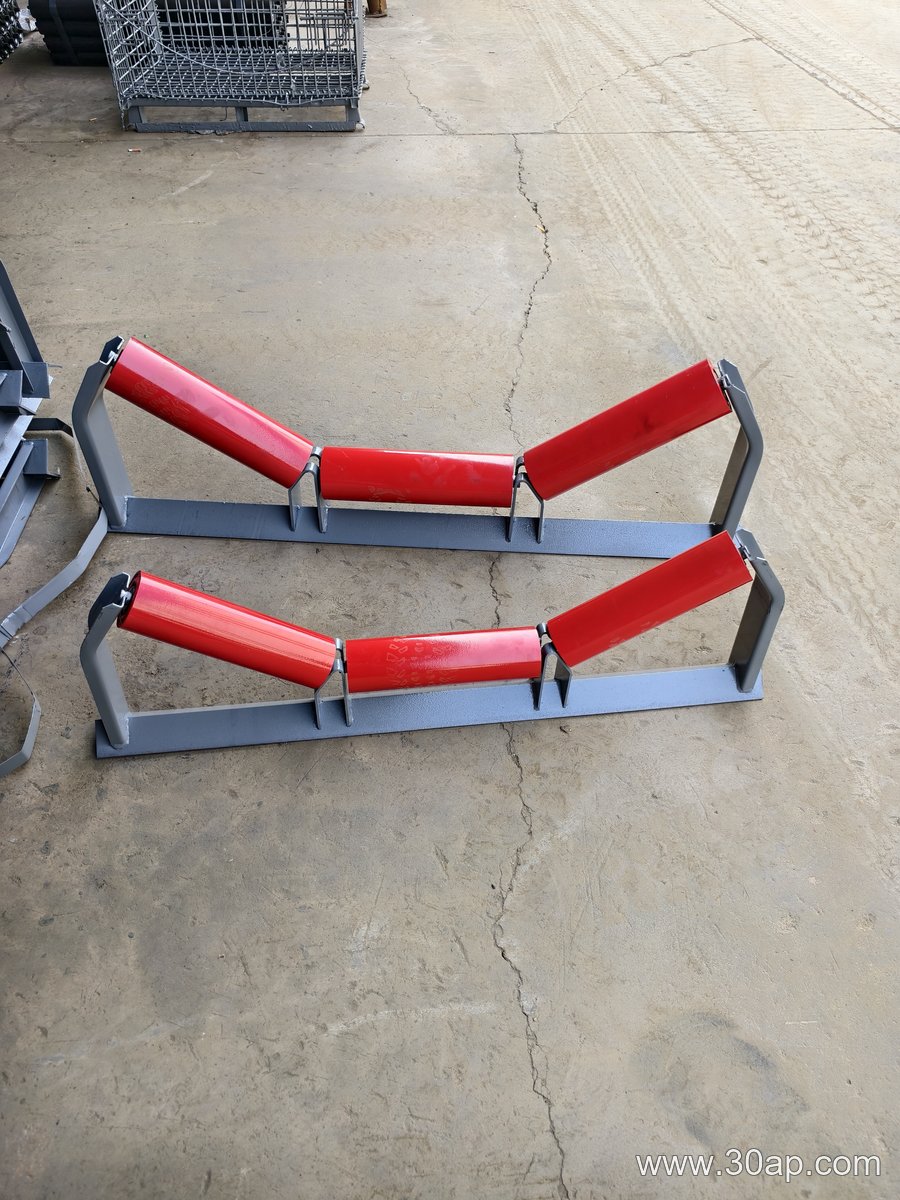
- Check the load rating against your peak tonnage per hour.
- Measure the existing belt width and idler spacing (typically 1 to 1.5 meters).
- Confirm the shaft end type: round, threaded, or quick-change for fast maintenance.
- Choose impact idlers at loading zones; return idlers under the belt’s slack side.
Purchasing and Maintenance Advice
When buying, request a sample and test rotation torque. A quality idler roller should spin freely without wobble. Ask for the manufacturer’s rolling resistance data—lower values save energy. For inventory, stock at least three spare idlers per 50 meters of conveyor. Inspect monthly: listen for squeaks, feel for heat, and check seal integrity. Replace any idler with visible shell wear or bearing play above 2 mm.
Understanding the Conveyor Pulley’s Role
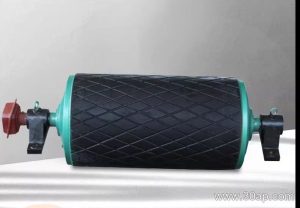
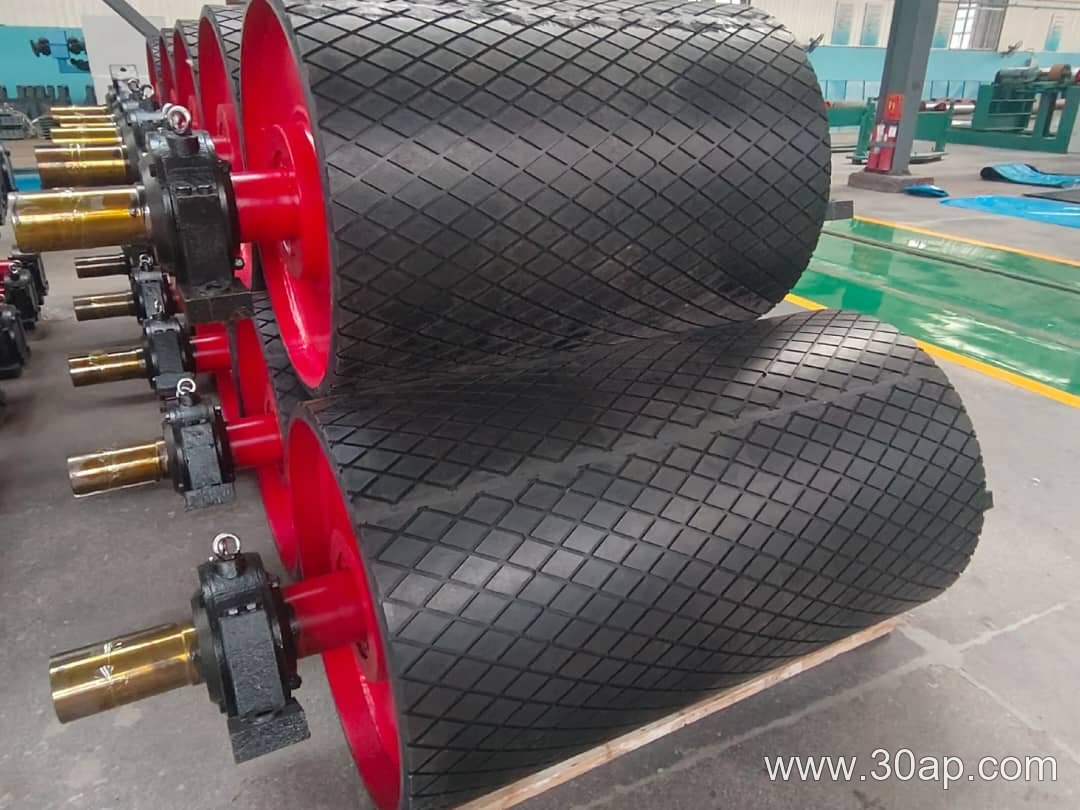
The conveyor pulley is the cylindrical drum that drives, redirects, or tensions the belt in any bulk material handling system. Without a precisely engineered pulley, belt tracking fails, slippage increases, and operational downtime becomes costly.
Key Types and Their Applications
- Drive pulleys: Mounted on the motor shaft to transmit torque; require lagging (rubber or ceramic) for grip.
- Return pulleys: Support the belt’s underside, minimizing sag and wear.
- Snub pulleys: Increase belt wrap angle on the drive pulley for higher traction.
- Bend pulleys: Alter belt direction without changing tension.
Selection and Purchasing Advice
1. Calculate Load and Belt Tension
Request a pulley face width and shaft diameter based on maximum belt tension, not average. Undersizing leads to shaft fatigue and crown failure.
2. Choose Crown or Flat Profile
Crowned pulleys aid self-centering for long conveyors; flat profiles suit short, positively tracked systems.
3. Specify Lagging Material
Use ceramic lagging for wet or high-slip environments; rubber for general dry service. Confirm hardness (Shore A) matches your belt compound.
4. Verify Bearing and Hub Standards
Insist on removable taper-lock or SKF-style hubs for easy maintenance. Check that the bearing housing meets CEMA or ISO class for your load.
5. Demand Dynamic Balancing
For speeds above 3 m/s, request G6.3 balance grade to avoid vibration-induced belt flutter and premature bearing wear.
Finally, source from manufacturers who provide certification for weld integrity and dimensional tolerances. A properly selected conveyor pulley reduces energy consumption by up to 5% and extends belt life by 20%. Prioritize lifecycle cost over initial quote.
Conveyor Bracket Fundamentals for Industrial Buyers
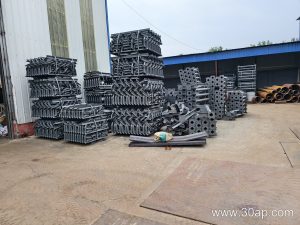
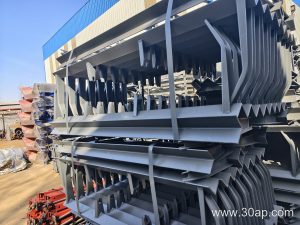
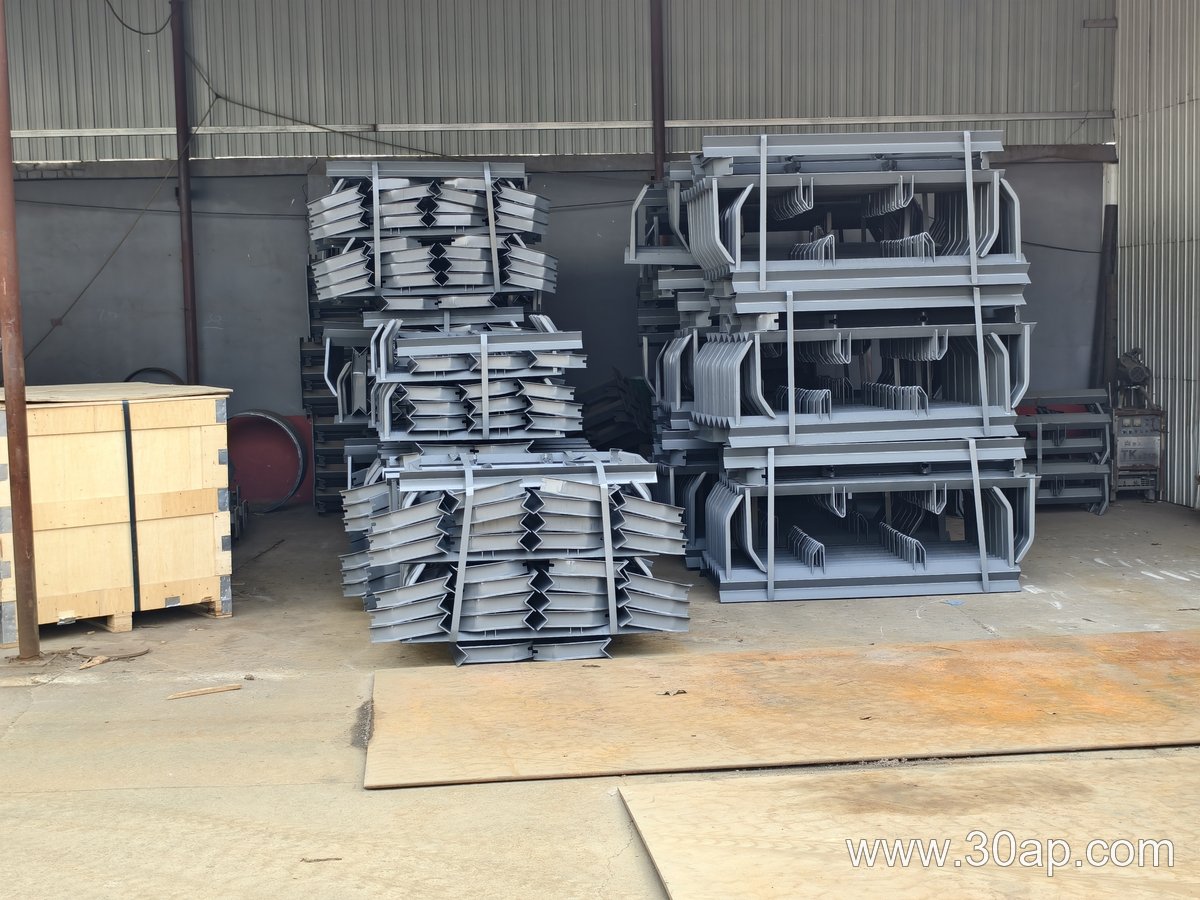
A conveyor bracket is the structural link that secures idler rolls, return rollers, and impact beds to the conveyor frame. Its load rating, material grade, and mounting geometry determine the entire system’s stability and service life.
Critical Selection Factors
- Load capacity: Match the bracket’s dynamic rating to your belt tension and material bulk density—never under-specify for peak surges.
- Material finish: Choose hot-dip galvanized or stainless steel for corrosive or wash-down environments; painted carbon steel suits dry, indoor applications.
- Frame compatibility: Verify slot widths, bolt hole patterns, and angle clearances against your existing conveyor stringer design.
Purchasing Advice
Request the bracket’s deflection test data and weld inspection certificates. For high-speed belts, opt for brackets with vibration-dampening rubber inserts. Always order spare brackets from the same batch to ensure uniform tolerances. If retrofitting, measure the center distance between idler stations on-site—not from old drawings—to avoid misalignment.
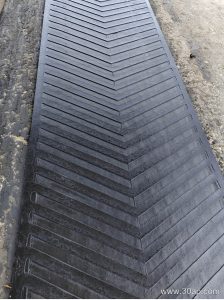
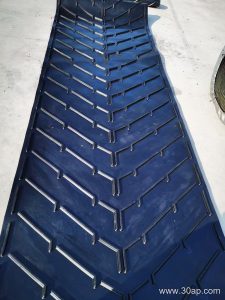
Why the Conveyor Belt Is the Backbone of Material Flow
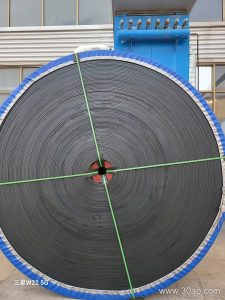
Every automated production line depends on a reliable conveyor belt to move goods safely and continuously. A poorly selected belt causes downtime, product damage, and costly maintenance.
Key Selection Criteria
- Material composition: Rubber for abrasion, PVC for food contact, or steel mesh for high heat.
- Load and belt speed: Match tensile strength and surface friction to your product weight and cycle rate.
- Environment: Consider oil, chemicals, moisture, and temperature extremes.
Purchasing Advice
Request a belt with a tracked surface and low elongation to minimize slippage. Always specify splice type and spare length. Ask suppliers for load-tested data and a warranty covering edge wear.
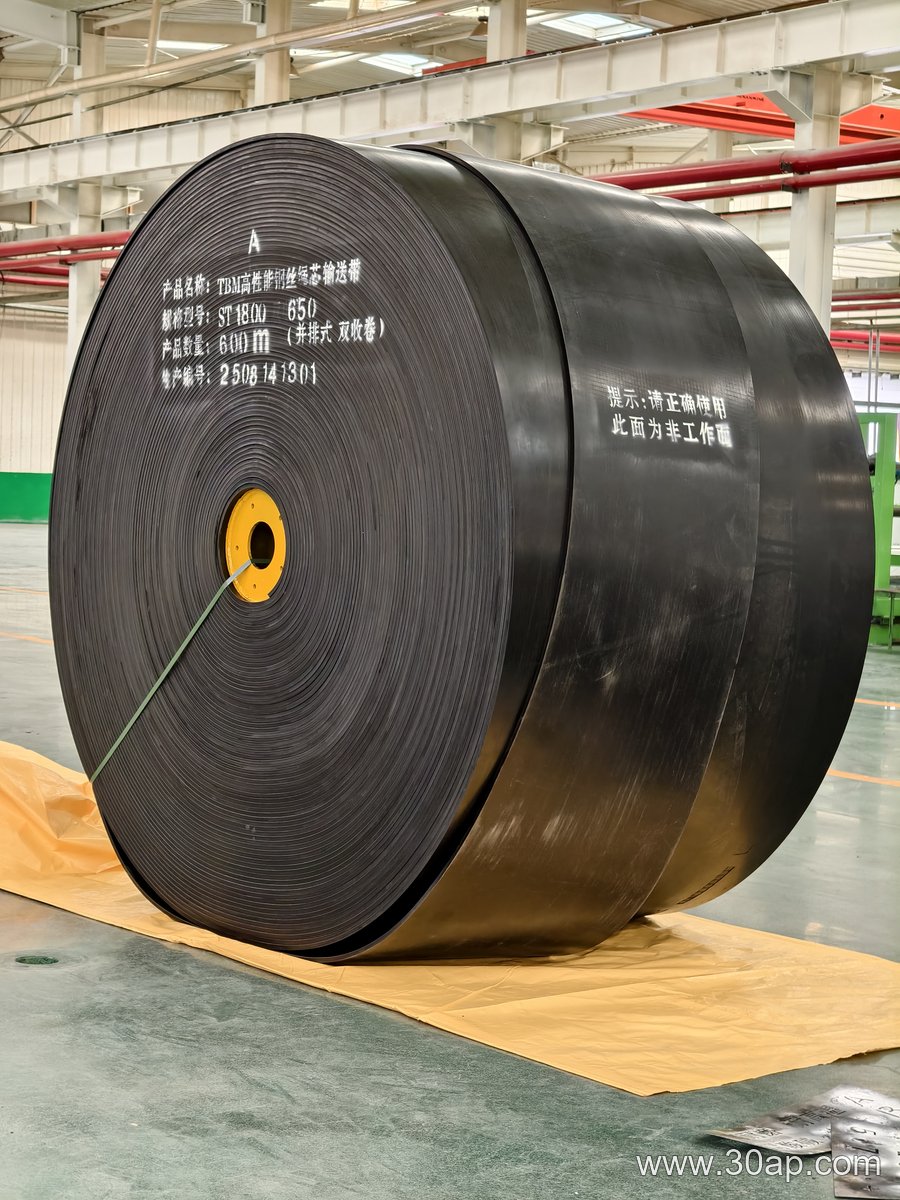
Measure your existing pulley diameters and support spacing before ordering. A custom width from 300 mm to 2000 mm is common; verify lead times for vulcanized endless belts.