What a 1400mm Diameter Conveyor Pulley Is
A 1400mm diameter conveyor pulley is a large-diameter drum used in bulk material handling systems to drive, tension, or redirect the conveyor belt. With a nominal diameter of 1400 mm, this pulley is typically found in high-capacity installations where the belt carries heavy loads over long distances. It is often referred to as a 1.4-meter drum pulley, and its size allows for greater belt wrap, reduced bending stress, and improved traction in demanding environments such as iron ore mines, coal washing plants, and cement clinker lines.
Unlike smaller pulleys that may be used on auxiliary conveyors, a 1400mm diameter pulley is a primary component in the main material flow. It must be engineered to withstand substantial radial and axial loads while maintaining reliable rotation over years of service.
Construction and Key Components
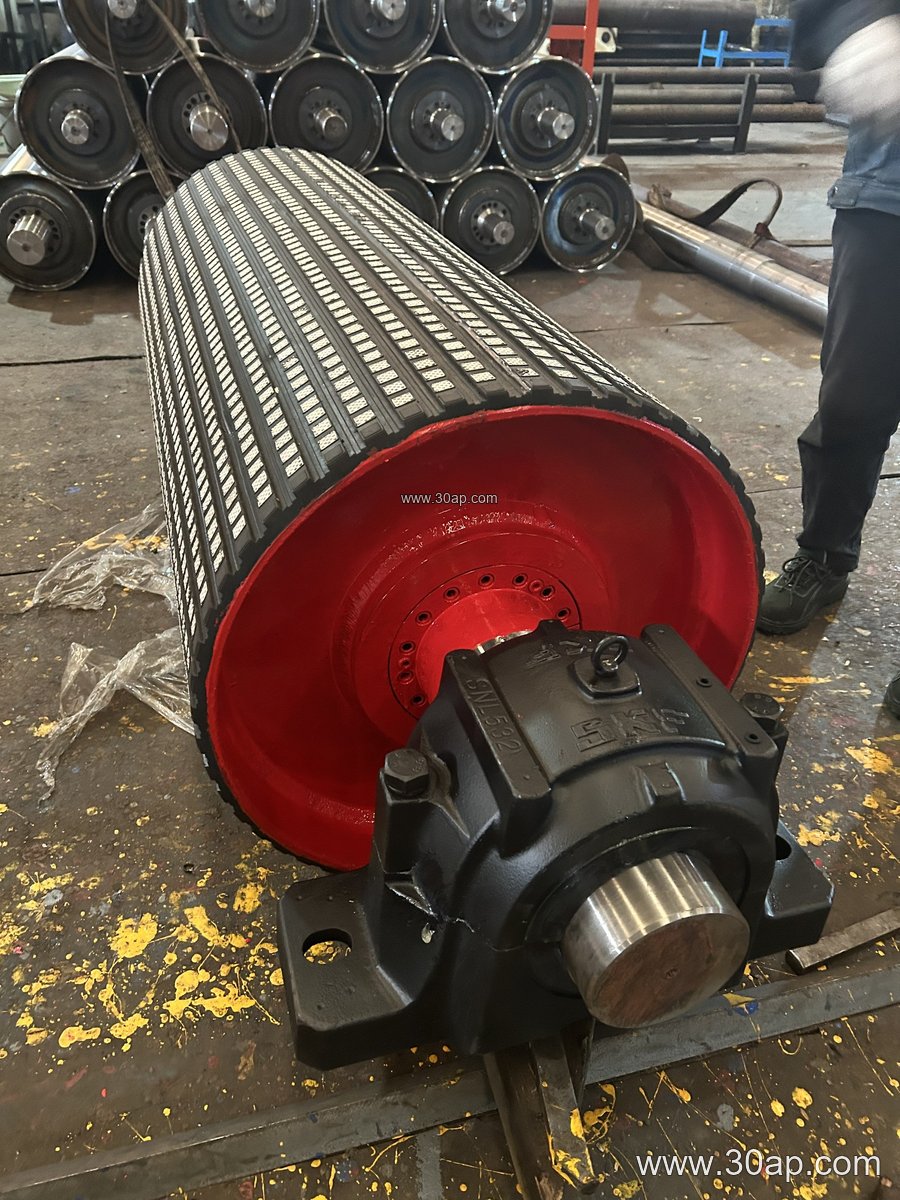
The construction of a 1400mm diameter conveyor pulley involves several critical elements. The shell is usually made from rolled steel plate, machined to ensure concentricity and balanced rotation. End discs or hubs are welded to the shell and bored to accept the shaft. The shaft itself is sized according to torque and load requirements—common shaft diameters for pulleys of this size range from Ø160 to Ø200 mm, though the exact value is determined by the drive design and belt tension.
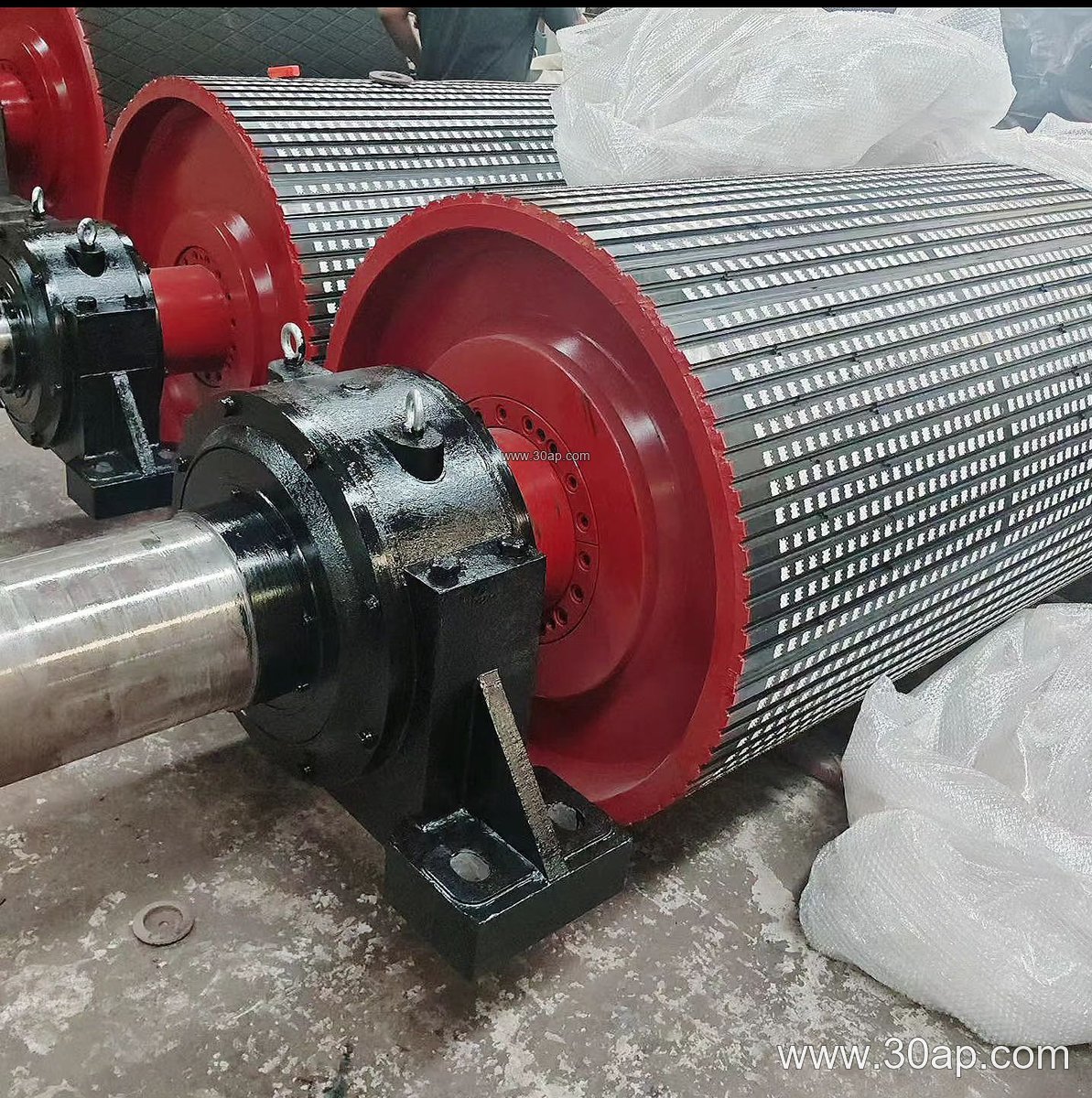
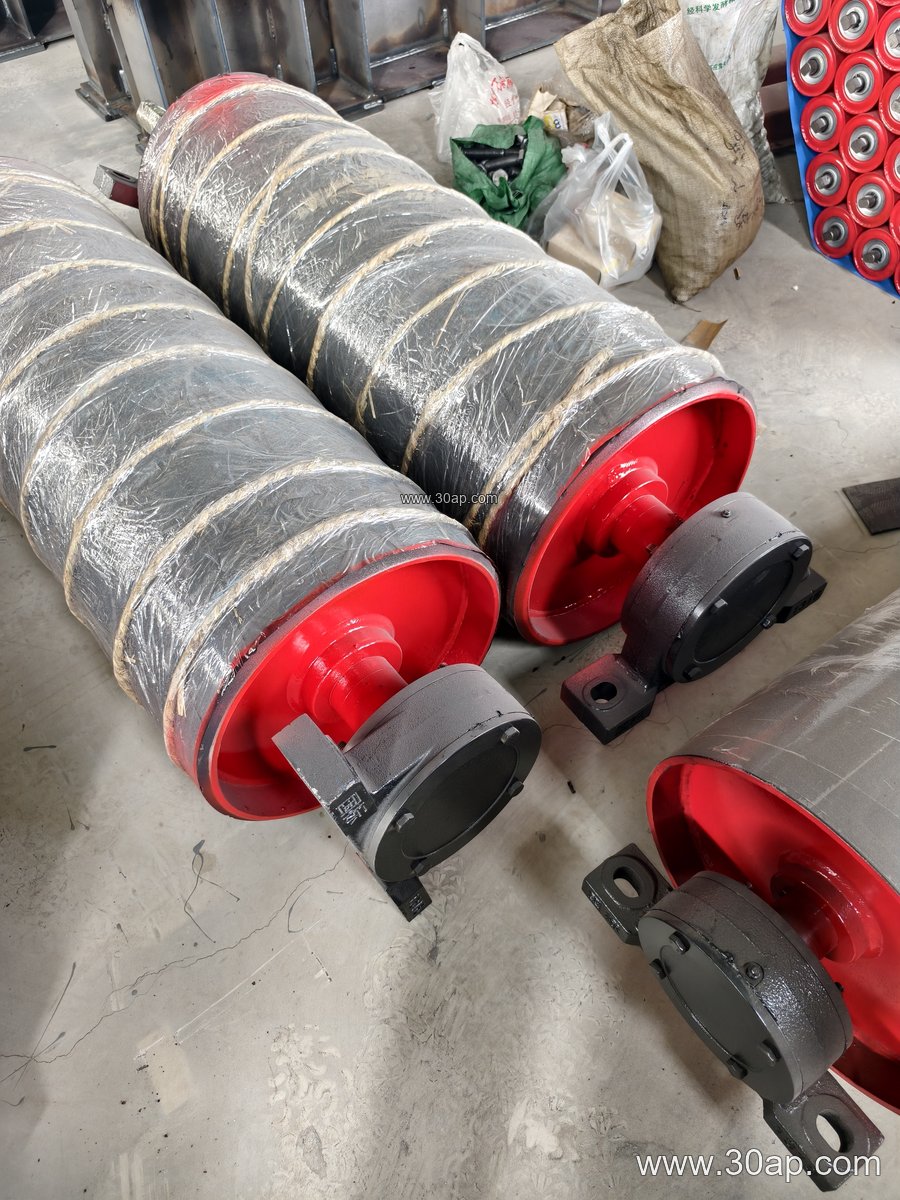
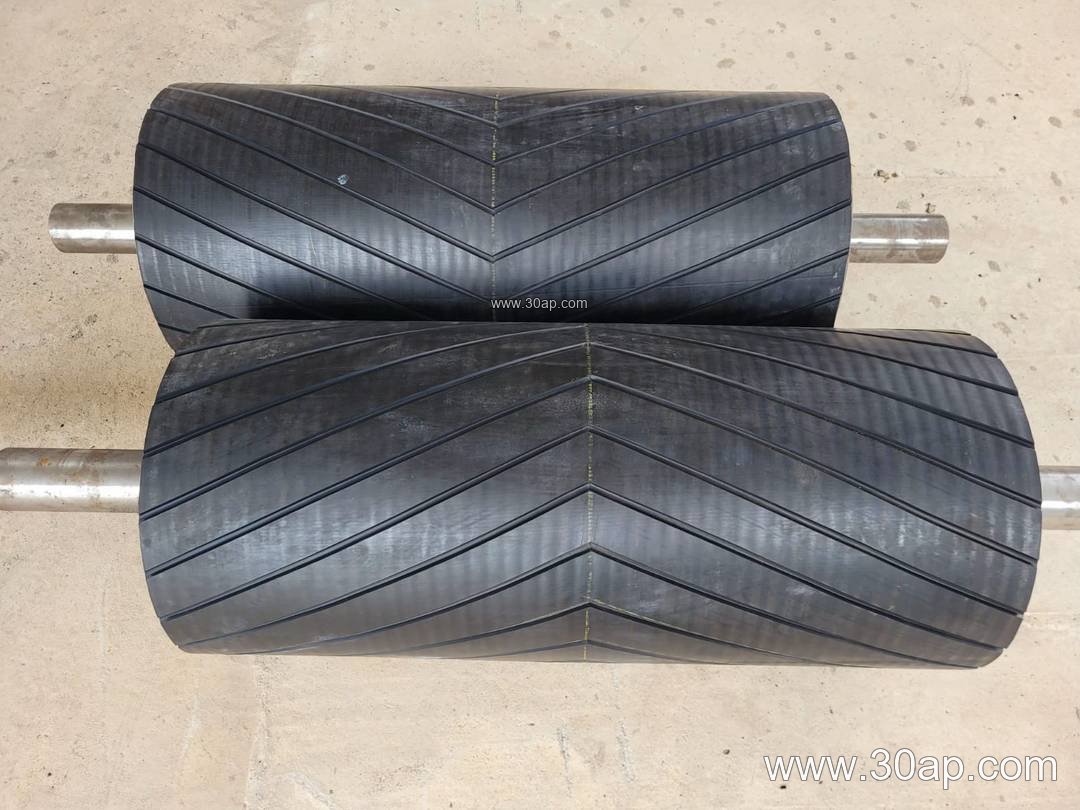
Surface treatment is a major consideration. A 1400mm pulley may be supplied with a plain finish, or with rubber lagging applied by cold bonding or hot vulcanization. Diamond grooving or ceramic lagging is often chosen to improve grip in wet or muddy conditions. Lagging thickness commonly ranges from 10 mm to 20 mm, depending on the application and the desired coefficient of friction.
Bearings are housed in pillow blocks or flanged bearing housings mounted on the pulley shaft. The bearing selection must account for the high radial loads imposed by the belt tension and the weight of the pulley itself. Adequate sealing is essential to keep dust and moisture out, particularly in quarry and mining environments.
Where It Fits in the Conveyor System
This large pulley can serve different roles depending on its location. As a drive pulley, it transmits power from the motor to the belt; as a tail pulley, it provides the return bend and maintains belt tension; and as a bend pulley, it changes the belt direction without driving. Each position imposes different load patterns, so the pulley design—especially the shaft, bearings, and lagging—should be matched to the duty.
In a typical high-capacity overland conveyor, a 1400mm diameter pulley might be paired with a 1400mm wide conveyor belt or a 1600mm wide belt, but the relationship between belt width and pulley diameter is not fixed. The pulley diameter is selected based on belt tension, belt construction, and the required arc of contact, not solely on belt width.
Applications Across Industries
The 1400mm diameter conveyor pulley is well suited to operations where large volumes of abrasive or heavy material are moved continuously. In the mining sector, it is often used in underground coal mining conveyor systems and in surface iron ore or copper ore handling. Cement plants employ such pulleys in clinker and raw meal transport, while power plants use them in coal handling circuits. Aggregate quarries and stone crushing plants also rely on large pulleys for primary and secondary conveyors.
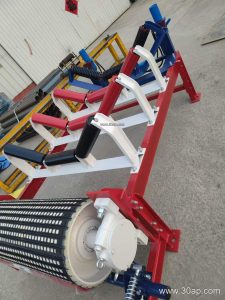
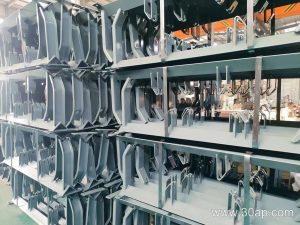
Because of its size, this pulley is usually installed in a structure with a robust conveyor bracket and supported by heavy-duty idler rollers on the carrying and return sides. The entire system—pulley, belt, idlers, and frame—must be designed as a unit to ensure smooth operation.
Specifications and Selection Considerations
When specifying a 1400mm diameter conveyor pulley, several parameters should be confirmed. The table below lists common reference values; actual values are determined by the conveyor design.
| Parameter | Common Range or Example |
|---|---|
| Diameter | 1400 mm |
| Belt width (typical match) | B1200, B1400, B1600 |
| Pulley face width | Usually wider than belt, e.g., 1600 mm for B1400 |
| Shaft diameter | Ø160 to Ø200 mm (by design) |
| Lagging thickness | 10, 12, 15, 20 mm |
| Lagging type | Plain, diamond, ceramic, hot vulcanized rubber |
| Bearing type | Spherical roller bearings in pillow blocks |
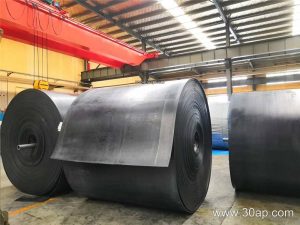
Buyers should also consider the belt type used in the system. A heavy-duty mining conveyor belt or an abrasion resistant conveyor belt may require a pulley with enhanced lagging to prevent slippage. For coal mining conveyor belts with flame retardant properties, the pulley lagging should be compatible with the belt’s antistatic and fire-resistant characteristics. In food or chemical applications, an oil resistant conveyor belt or acid resistant conveyor belt may be present, and the pulley surface should be chosen to avoid contamination.
It is important not to assume that a single belt width dictates one pulley diameter. A 1400mm pulley can be used with a range of belt widths, provided the conveyor engineer has verified the tension, wrap angle, and shaft loads.
Maintenance and Long-Term Reliability
Regular inspection of the 1400mm diameter conveyor pulley helps avoid unplanned downtime. Check lagging for wear or glazing, monitor bearing temperature and vibration, and verify that the pulley rotates freely. In dusty environments such as quarries and coal preparation plants, keep the bearing seals clean and replace them as needed. Proper alignment of the pulley with the conveyor frame and the idler rollers will reduce edge loading on the belt and extend the life of both pulley and belt.
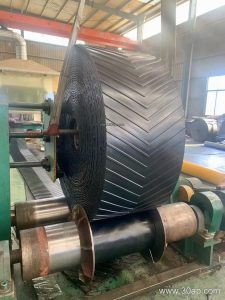
For systems using a steel cord conveyor belt or a high strength conveyor belt, the pulley diameter must be sufficient to limit belt bending stress. A 1400mm diameter is often adequate for such belts in high-capacity applications, but the final choice should always follow the belt manufacturer’s recommendations and the conveyor design calculations.
Whether the pulley serves as a drive, tail, or bend unit, selecting the right 1400mm diameter conveyor pulley for the specific load and environment is key to efficient material transport. For more information on compatible conveyor components, visit our site at beltconveyorpulley.com.