What a Steel Pulley Does on a Conveyor
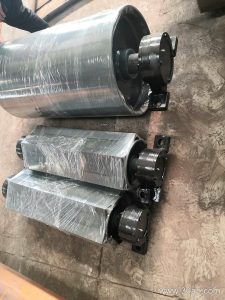
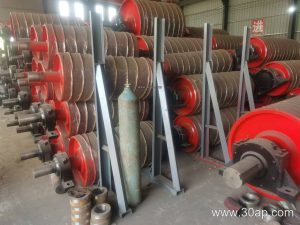
A steel pulley is the rotating drum that carries and steers the conveyor belt at the ends and along the run of a conveyor system. In many plants the same component is simply called a conveyor pulley, and the two names refer to the same product. The drum body, end discs, shaft and bearing housings are normally fabricated or machined from steel, which gives the unit the stiffness needed to hold belt tension without excessive deflection. In a quarry, a coal washing plant or a cement clinker line, the pulley is often the part that decides how well the belt tracks and how long the belt lasts.
The pulley is not a single job. Position and duty define what it must do, so a drive pulley at the head end, a tail pulley at the loading end and a bend pulley that changes belt direction are separate roles and are not interchangeable.
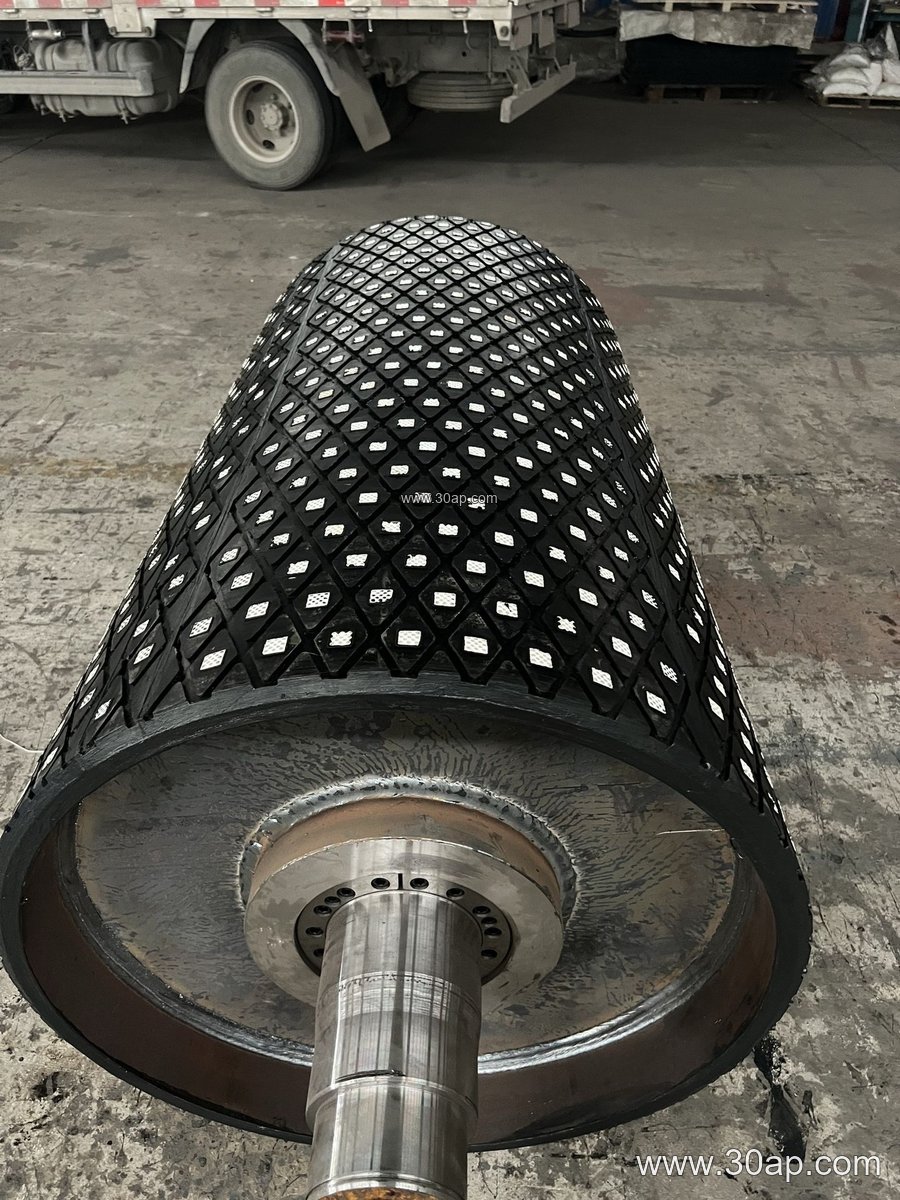
How the Drum Is Built
Most industrial pulleys use a rolled steel shell welded to two end discs, with a through shaft or stub shafts pressed and keyed in place. The shell surface may stay plain or receive a rubber lagging applied by cold bonding, hot vulcanizing or casting. Lagging improves grip on the drive side and protects the shell from abrasive carryback. Common surface forms include plain, diamond grooved, herringbone grooved and ceramic lagging, with lagging thickness often between 8 mm and 20 mm.
Balance matters as much as strength. An unbalanced drum vibrates, and vibration travels into the conveyor bracket and the bearing seats. For this reason larger pulleys are usually balanced after machining. Bearing selection follows the calculated shaft load, not the belt width alone.
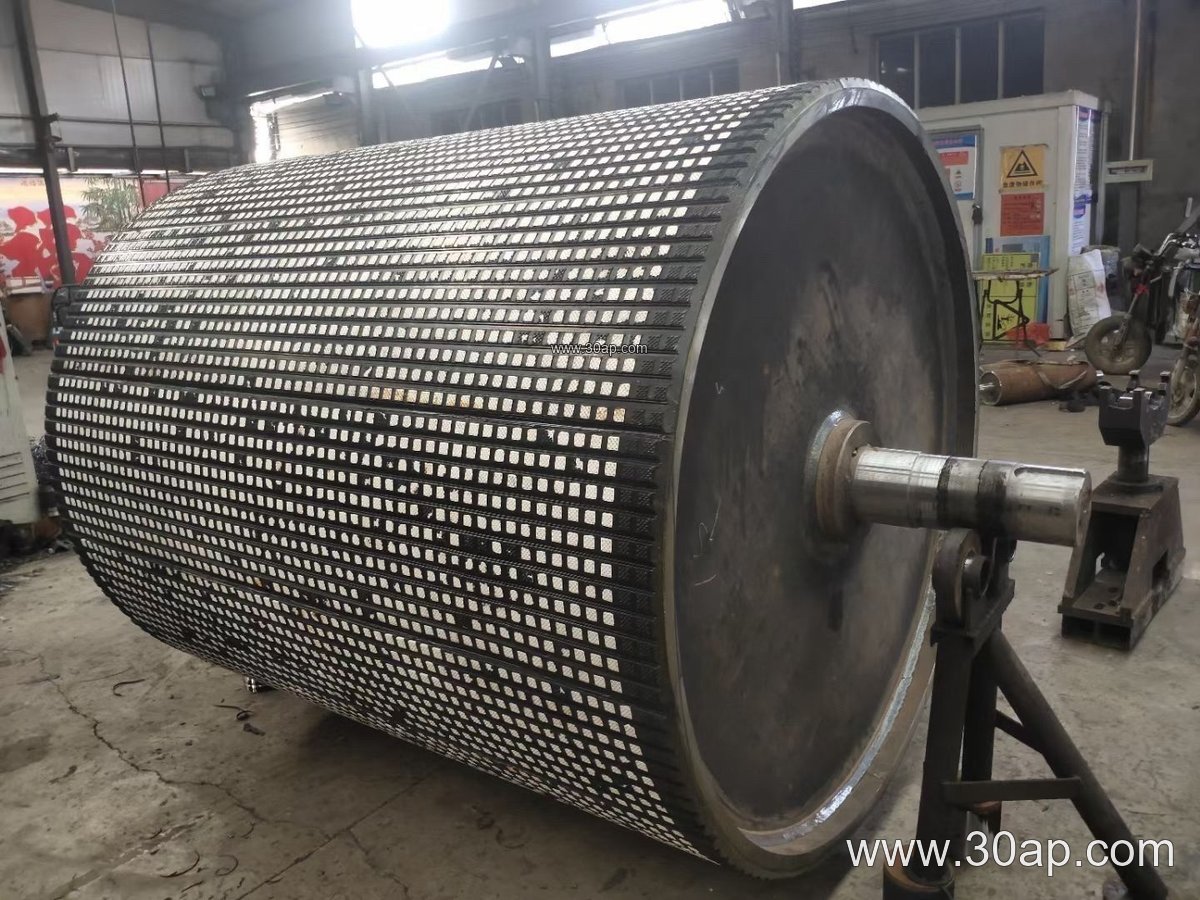
Where Steel Pulleys Are Used
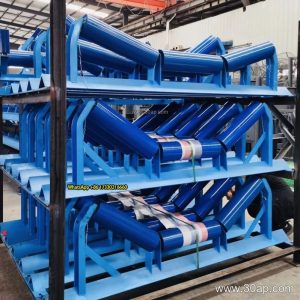
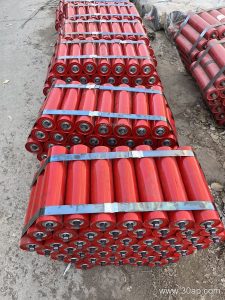
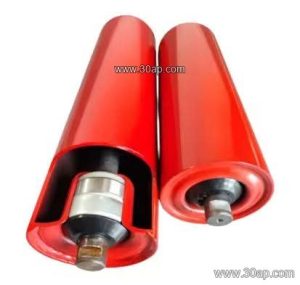
These drums appear wherever bulk material moves on a belt. In an iron ore or copper ore operation they sit under a heavy-duty mining conveyor belt carrying lumpy, abrasive rock. In a power plant coal yard they guide a flame retardant conveyor belt through transfer towers. In sand and aggregate lines they work with an abrasion resistant conveyor belt and a set of idler roller stations to keep the trough shape stable. Port bulk terminals, fertilizer plants and tunnel spoil handling systems use the same basic hardware under different duty.
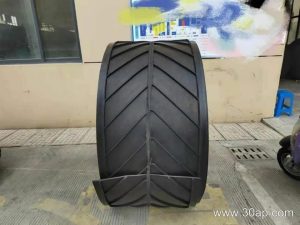
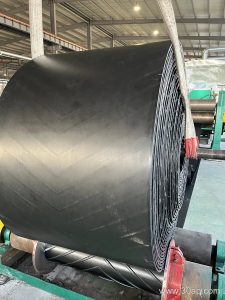
The belt itself may be a fabric core conveyor belt, a steel cord conveyor belt for long high-tension runs, or a chevron conveyor belt on an incline. Each places different demands on the pulley, which is why the drum is usually specified together with the belt rather than on its own.
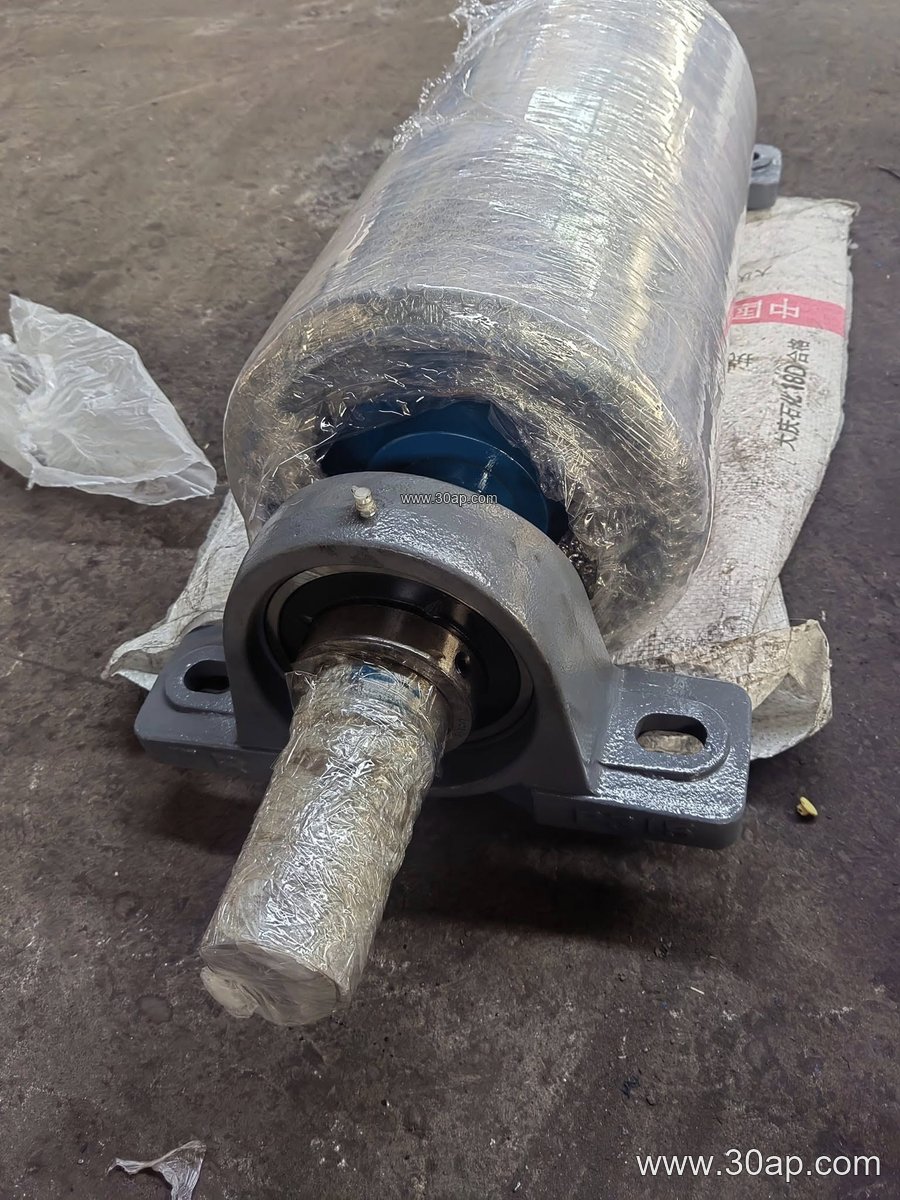
Matching Pulley Size to Belt Width
Belt width and pulley diameter are related but not locked together. A wider belt needs a wider drum face, and the face width is normally a little greater than the belt width so the belt stays supported. Diameter is selected from belt tension, wrap angle, belt thickness and the minimum bending radius the belt carcass can accept.
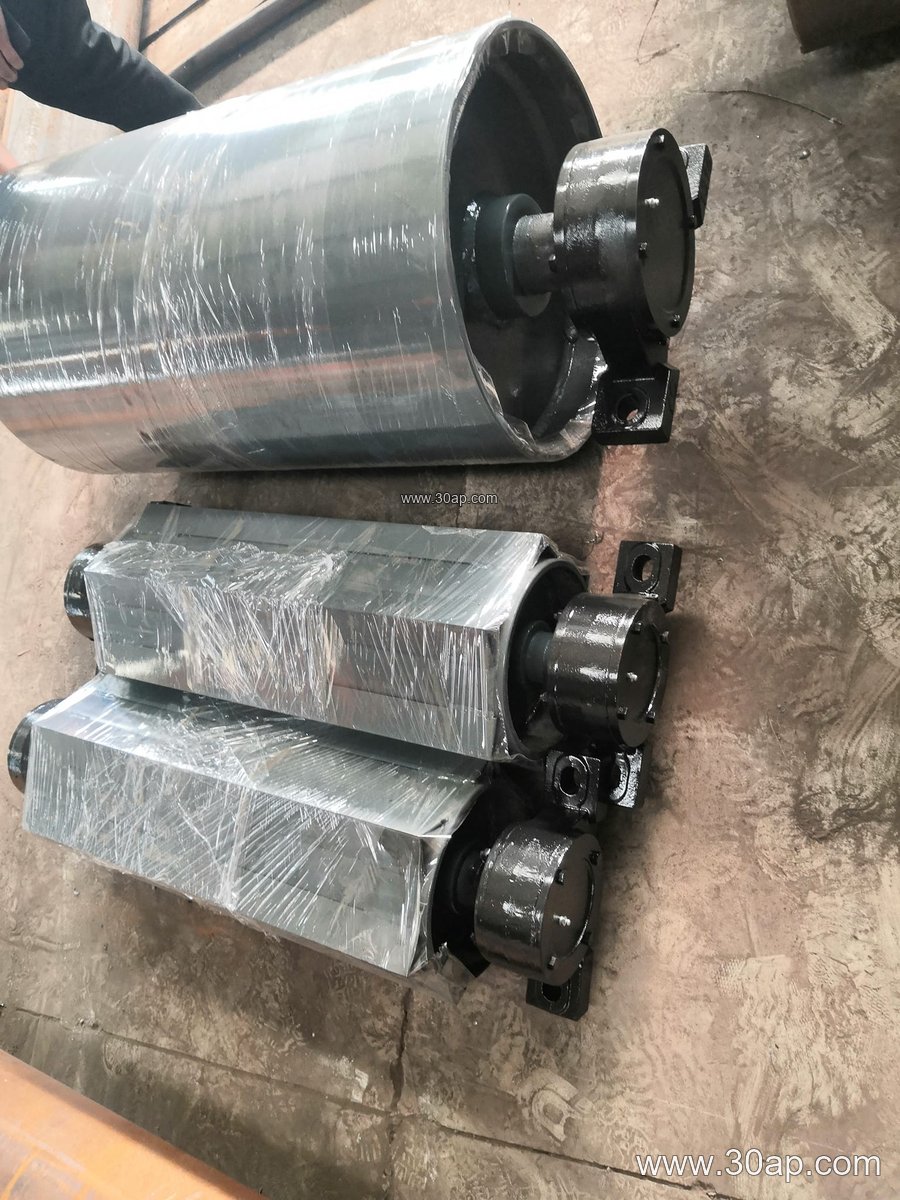
The table below gives typical reference combinations; actual values are confirmed by design calculation.
- B400 belt with roughly 500 mm face, drum diameter often around Ø200 to Ø315
- B650 belt with roughly 750 mm face, drum diameter often around Ø250 to Ø400
- B800 belt with roughly 950 mm face, drum diameter often around Ø315 to Ø500
- B1000 belt with roughly 1150 mm face, drum diameter often around Ø400 to Ø630
- B1200 belt with roughly 1400 mm face, drum diameter often around Ø500 to Ø800
- B1400 belt with roughly 1600 mm face, drum diameter often around Ø630 to Ø1000
- B1600 belt with roughly 1800 mm face, drum diameter often around Ø800 to Ø1250
- B1800 belt with roughly 2000 mm face, drum diameter often around Ø1000 to Ø1400
A B1200 × Ø1000 drive pulley and a B800 × Ø500 tail pulley are both realistic, but no single belt width forces one diameter. Shaft diameter is a separate decision based on torque and bearing load, with common sizes running from Ø50 to Ø200 and beyond for heavy drives.
Drive, Tail and Bend Positions
A drive pulley transmits power and needs lagging with good friction, often diamond or ceramic faced. A tail pulley at the loading point may carry a self-cleaning or wing design to shed fines. A bend pulley redirects the belt and usually runs with lower tension, so a plain or lightly lagged shell can be sufficient. A take-up pulley works with the tensioning device and must allow the belt to move as stretch is taken up. Treating these positions as one generic part is a common source of tracking problems.
What Buyers Should Check
Ask for the drum drawing, the lagging specification, the shaft material and the bearing size. Confirm the face width against the actual belt, and confirm that the lagging groove pattern suits the environment. In a coal mine, flame retardant and anti-static properties of the belt and lagging matter; in a food or grain silo, cleanliness and material choice matter more. Check that the pulley will fit the existing conveyor bracket and that maintenance access allows bearing replacement. Finally, keep spare lagging and fasteners on hand, because a worn drive pulley surface is far easier to restore than a slipped belt is to recover.