What the Sand Making Plant Conveyor Belt Does
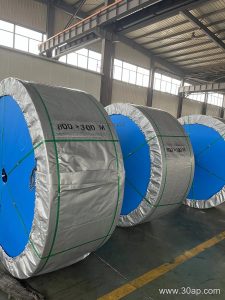
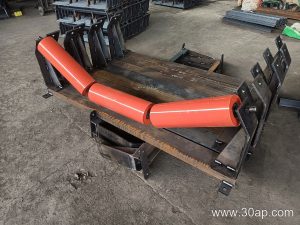
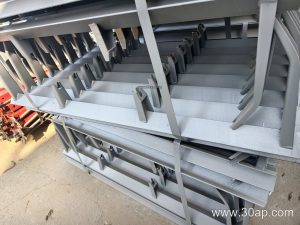
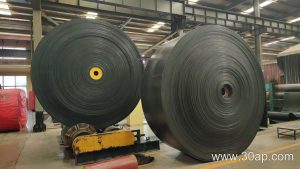
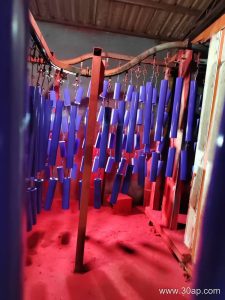
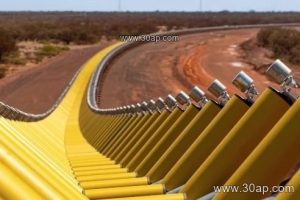
A Sand Making Plant Conveyor Belt is the moving element that links each stage of a sand production line, from the primary crusher discharge to the vibrating screen and the final stockpile. In a typical sand and gravel plant, this belt carries crushed stone, manufactured sand, and screened aggregate at high tonnage, often over short, steep, or transfer-heavy routes. Because the material is abrasive, dusty, and sometimes wet, the belt must combine tensile strength with a tough cover compound and reliable splice performance. The equipment around it, including the idler roller, conveyor pulley, and conveyor bracket, works with the belt as a system, so the belt cannot be chosen in isolation.
Construction of a Sand Making Plant Conveyor Belt
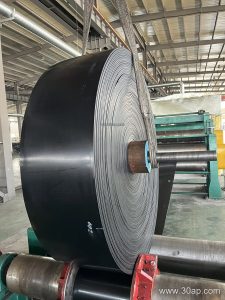
The carcass provides strength and resistance to stretching. In sand making applications, the most common constructions are fabric core types such as EP Conveyor Belt and NN Conveyor Belt, where polyester or nylon plies carry the load. For long overland lines or very high tonnage, a Steel Cord Conveyor Belt may be considered because it allows a thinner belt at the same strength. The cover rubber is the part that touches the stone; it is usually an Abrasion Resistant Conveyor Belt compound, with thickness chosen to match the size and sharpness of the feed.
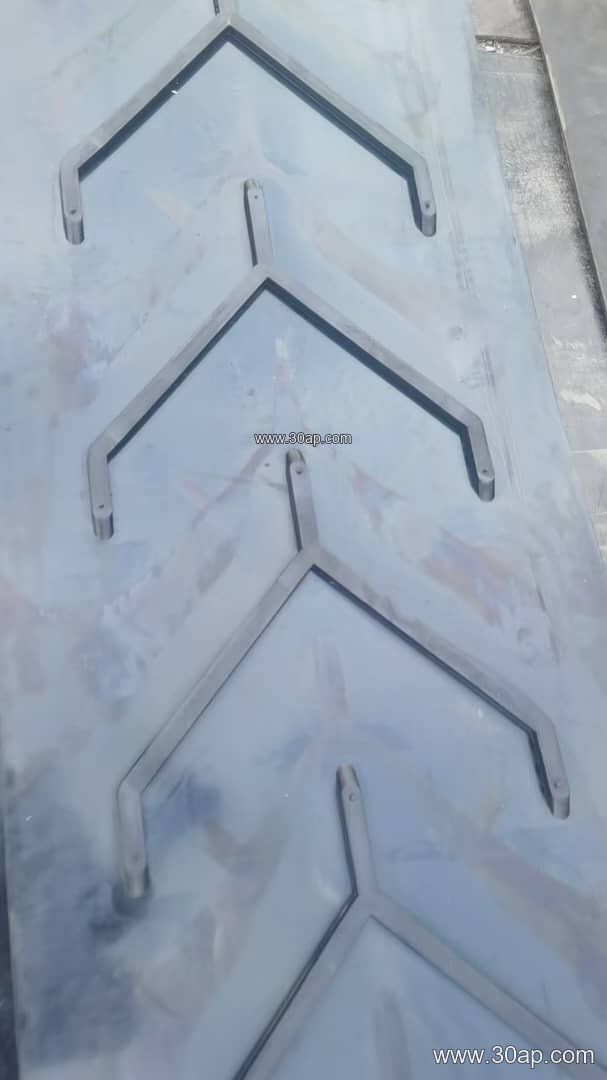
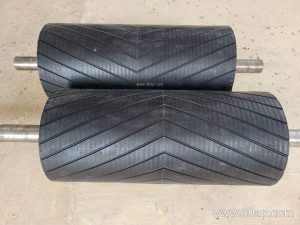
Common constructions usually include 2 to 6 fabric plies. Cover rubber thickness is often written as top plus bottom, for example 4+2 mm or 6+2 mm, and the correct figure depends on impact severity and expected service life. The belt edges may be cut or molded, and for steep inclines a Chevron Conveyor Belt or Corrugated Sidewall Conveyor Belt can prevent material rollback. Where dust and fines must be contained, a Skirted Conveyor Belt is sometimes used at transfer points.
Typical Specifications and Reference Data
The values below are common reference ranges, not fixed combinations. Final selection is made by the conveyor designer according to load, incline, and pulley arrangement.
| Parameter | Common Options | Notes |
|---|---|---|
| Fabric core type | EP200, EP315, EP400, EP500, EP630, EP800, EP1000, EP1250 | Higher grades used for longer or higher-capacity lines |
| Nylon core type | NN100, NN200, NN300, NN400 | Good flexibility and impact absorption |
| Steel cord type | ST1000, ST1250, ST1600, ST2000 | Long distance and high tensile duty |
| Belt width | B500, B650, B800, B1000, B1200, B1400, B1600 | Matched to crusher discharge and screen feed |
| Cover thickness | 3+1.5, 4+2, 5+2, 6+2, 8+3 mm | Thicker top cover for sharp, large rock |
| Ply count | 2 to 6 plies | Determined by required tensile strength |
The belt width should not be used to guess a pulley shaft diameter; shaft size follows the pulley design, load, and bearing selection. Likewise, one belt width can suit different pulley diameters depending on the conveyor layout.
Matching the Belt to the Duty
Sand making plants often handle material with a high silica content, so abrasion resistance is the first concern. A Rubber Conveyor Belt with a high-abrasion cover is the usual starting point, while a Multi-Ply Fabric Core Conveyor Belt offers a balance of strength and troughability on medium-length conveyors. If the plant also receives hot material from a dryer, a Heat Resistant Conveyor Belt may be needed on that specific section. In dusty or potentially explosive environments, an Anti-Static Conveyor Belt and Flame Retardant Conveyor Belt can be specified together with the plant’s electrical design.
Other working conditions also matter. A Cold Resistant Conveyor Belt is useful in northern quarries and winter stockpiling, and an Oil Resistant Conveyor Belt is relevant where equipment lubricants may drip. For general quarry and aggregate duty, the Quarry Conveyor Belt and Aggregate Conveyor Belt descriptions usually point to the same abrasion-resistant family. The Mining Conveyor Belt label is broader and may include heavier covers for primary crushing circuits.
Installation, Tracking, and Maintenance Notes
- Check that the idler roller frames are square and level before tensioning a new belt; misalignment is a common cause of edge wear.
- Inspect the drive pulley lagging and the tail pulley for material buildup, which can change belt tracking.
- Verify conveyor bracket condition at transfer points, since loose brackets can shift idlers and damage the belt edge.
- Keep the skirt rubber gap even so fines do not become trapped against the belt surface.
- Inspect splices regularly; a small splice failure can quickly damage a long section of belt.
For buyers comparing offers, it helps to state the material type, maximum lump size, capacity in tonnes per hour, belt width, incline angle, and ambient temperature. Ask for the carcass type, cover grade, cover thickness, and splice method in writing. A belt described only as a Sand Making Plant Conveyor Belt without these details is difficult to compare fairly. Matching the belt to the actual duty, rather than to a single headline number, keeps the sand line running with fewer stoppages.