What a 650mm Conveyor Belt Is
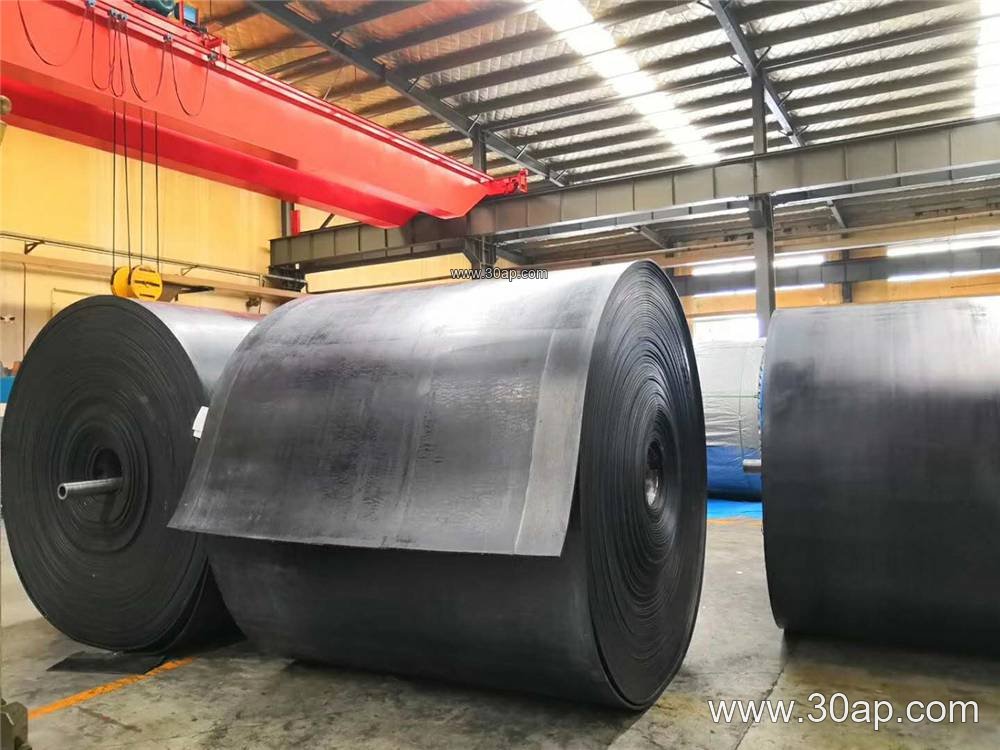
A 650mm conveyor belt is a belt with a nominal width of 650 millimeters, often written as B650. It sits in the middle of the common size range, wider than a 500mm or 600mm belt and narrower than an 800mm or 1000mm unit. This width is widely used on medium-capacity troughed conveyors in mines, cement plants, power stations, quarries, sand and gravel yards, and general bulk handling lines. The belt is only one part of the system; the frame, idler roller, conveyor pulley, and conveyor bracket all influence how well a B650 belt performs.
Width alone does not define a belt. Buyers also specify the carcass type, the number of plies, the cover grade and thickness, and any special surface form. The same 650mm width can be supplied as a Rubber Conveyor Belt for general duties or as an EP Conveyor Belt for higher tension requirements.
Construction and Common Configurations
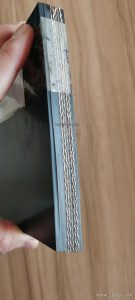
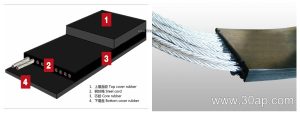
Most belts at this width use a fabric core. Multi-ply fabric construction with two to six plies is typical, and the polymer core may be polyester-nylon (EP) or nylon-nylon (NN). EP fabric offers low stretch and good moisture resistance, while NN fabric gives high flexibility and impact tolerance. Steel cord carcasses are usually reserved for much higher tensions and wider belts, so they are rarely the first choice at 650mm.
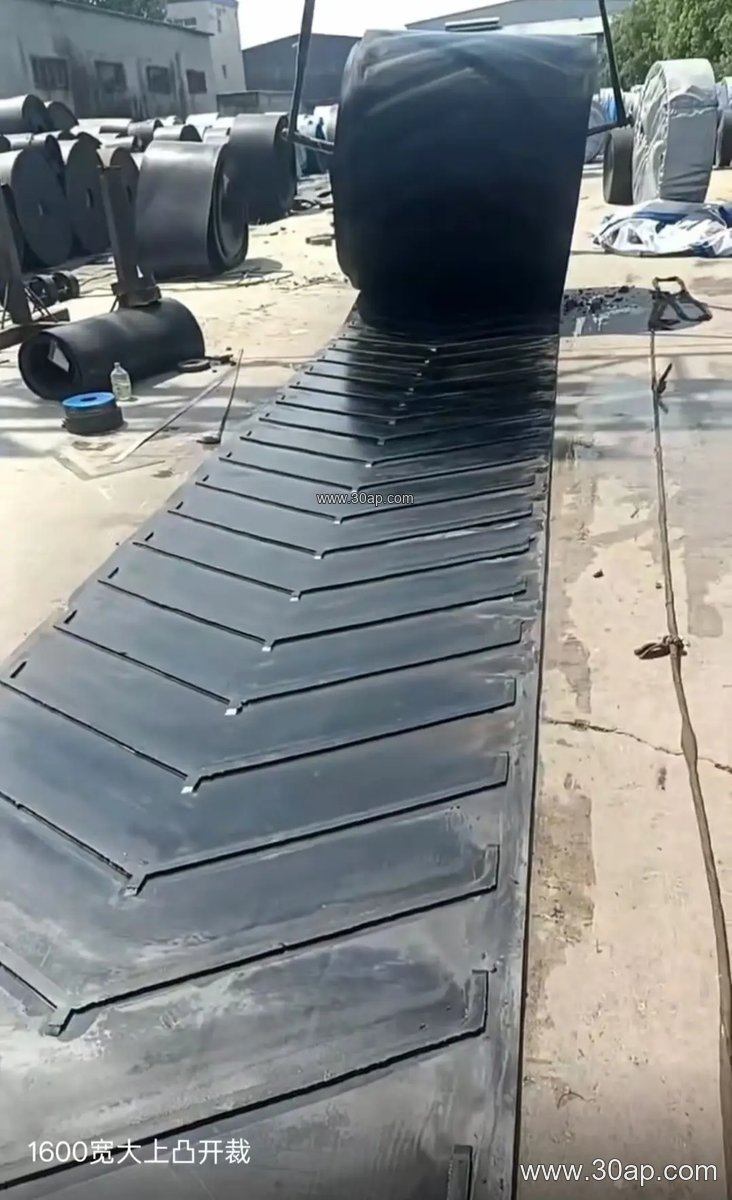
Cover rubber is selected to match the cargo and the environment. Common cover thickness combinations include 3+1.5, 4+2, 5+2, 6+2, and 8+3 mm, expressed as top cover plus bottom cover. A 650mm belt may also be supplied as a Chevron Conveyor Belt for inclined sections, a Corrugated Sidewall Conveyor Belt where material must be contained on a steep incline, or a Skirted Conveyor Belt to reduce spillage at transfer points.
Reference data for this width, to be confirmed against the actual design:
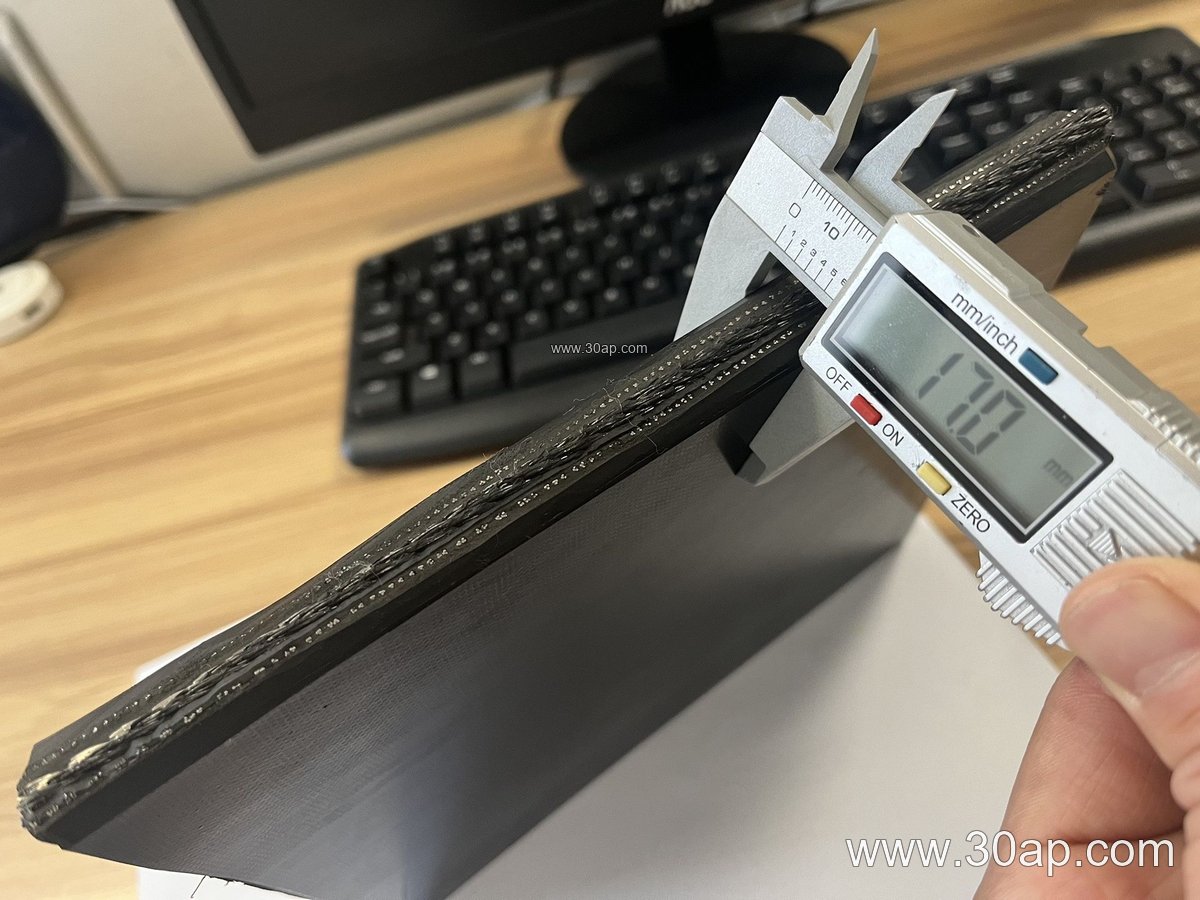
| Parameter | Typical range |
|---|---|
| Nominal width | 650 mm (B650) |
| Carcass type | EP or NN fabric, 2 to 6 plies |
| Strength grades (EP) | EP200, EP315, EP400, EP500, EP630 |
| Cover thickness | 3+1.5, 4+2, 5+2, 6+2, 8+3 mm |
| Special grades | Abrasion Resistant, Heat Resistant, Oil Resistant, Flame Retardant, Anti-Static, Cold Resistant |
These values are common references, not fixed combinations. A qualified supplier will match the carcass and covers to the load, speed, and pulley diameters of the conveyor.
Where the 650mm Width Fits
This width is common in secondary and tertiary crushing circuits, cement clinker transport, coal handling in power plants, and aggregate lines in sand and gravel operations. It also appears in underground mining conveyors where space is limited. A Mining Conveyor Belt in B650 may be specified with flame retardant and anti-static properties for coal mining duty, while a quarry line may prefer a high abrasion resistant cover.
Because the belt is moderately narrow, it suits systems with moderate tonnage and moderate lump size. Where the material contains large rocks or sharp scrap, an Impact Resistant Conveyor Belt or a heavier cover may be needed. For hot clinker or sinter, a Heat Resistant Conveyor Belt grade is the appropriate choice. For oily scrap or recycled material, an Oil Resistant Conveyor Belt helps prevent cover swelling.
Selection Points for Buyers
- Confirm the actual belt width and the conveyor’s rated capacity, not just the nominal size.
- State the carcass type and strength grade required by the tension calculation.
- Choose cover grade and thickness based on material abrasiveness, temperature, and chemical exposure.
- Check compatibility with the drive pulley, tail pulley, and bend pulley diameters; belt width does not determine pulley diameter by itself.
- Specify flame retardant and anti-static properties where the site requires them.
- Consider splice type and whether an Endless Conveyor Belt is preferred for the application.
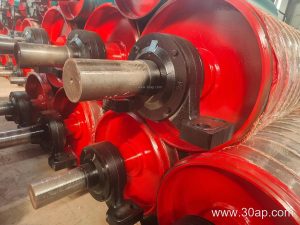
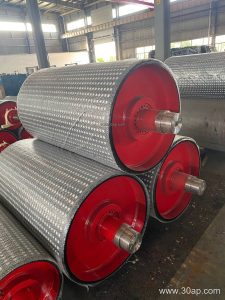
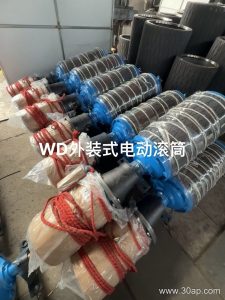
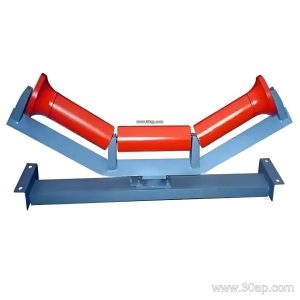
For a 650mm conveyor belt, the drive pulley, tail pulley, and bend pulley each perform a different role and are not interchangeable. The same applies to carrying idler rollers, impact idlers, and return rollers. Matching these components to the belt’s tension rating and trough angle protects the carcass and extends service life.
Installation and Maintenance Notes
Correct tracking is critical at this width. Check that the conveyor bracket and frame are square, that idler roller alignment is consistent, and that the pulley faces are parallel. A belt that runs off-center will wear its edges quickly, especially on a Fabric Core Conveyor Belt with a relatively thin cover. Inspect covers for cuts and gouges, and repair small damage before moisture reaches the carcass.
Store spare belts in a dry, shaded area and avoid sharp bends. When replacing a belt, record the original strength grade and cover specification so the replacement matches the conveyor design. More product details for bulk handling equipment can be reviewed at www.example.com/conveyor-belt and www.example.com/idler-roller, with pulley and bracket references at www.example.com/conveyor-pulley.
Whether the line handles ore, clinker, coal, or aggregate, the 650mm size remains a practical choice for medium-duty conveyors. Matching the belt construction to the actual duty — rather than to width alone — is the most reliable way to achieve long service life.