What a Heavy-Duty Mining Conveyor Belt Is
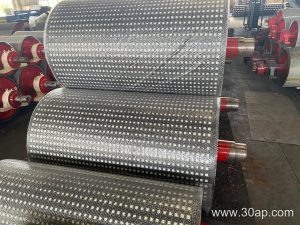
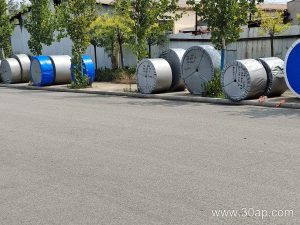
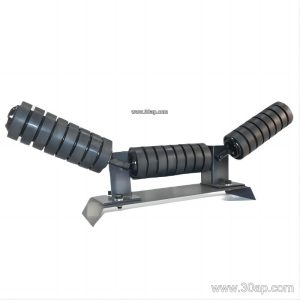
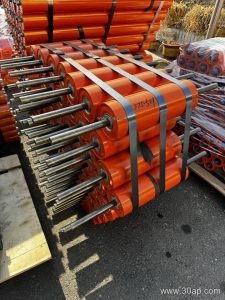
A heavy-duty mining conveyor belt is the load-carrying component of a bulk handling system built for abrasive rock, ore, coal and aggregate. It is not simply a thicker rubber strip; it is an engineered composite of cover rubber, a strength-bearing carcass and, where needed, special surface profiles. In a quarry, coal preparation plant, cement works, power station or sand and gravel yard, this mining conveyor belt runs over idler rollers and is driven by a conveyor pulley, so belt, rollers and pulleys must be matched as one system rather than chosen in isolation.
The same product is often called a heavy-duty conveyor belt or a high-strength conveyor belt when the carcass rating is the defining feature. These are equivalent descriptions of the same belt family, not different products.
Construction and Carcass Options
The carcass determines tensile strength and troughability. Common constructions include EP conveyor belt (polyester warp, nylon weft), NN conveyor belt (nylon/nylon), and steel cord conveyor belt for very high tension and long centre distances. Multi-ply fabric core conveyor belt with two to six plies is widely used in crushing circuits and transfer points, while single-layer or reduced-ply designs suit shorter runs.
Cover rubber is selected for the duty. Abrasion resistant conveyor belt grades handle sharp crushed stone; heat resistant conveyor belt grades serve clinker and sinter; flame retardant conveyor belt and fire resistant conveyor belt grades are specified for underground coal mining conveyor belt installations; oil resistant and cold resistant grades cover special environments. Anti-static conveyor belt properties are usually requested together with flame resistance in coal mining conveyor belt service.
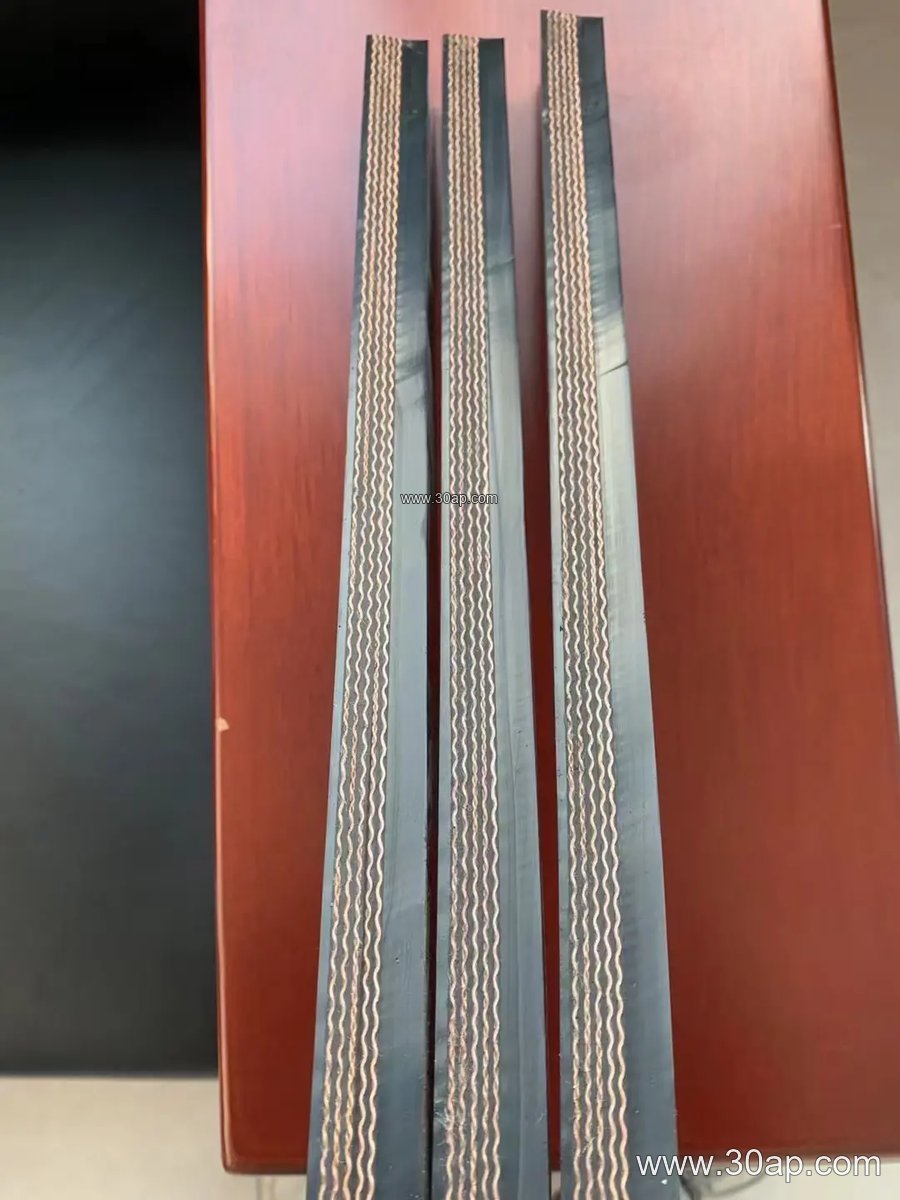
Common reference data
The values below are typical reference ranges only. Final construction is confirmed by design for each conveyor.
| Item | Common reference values |
|---|---|
| Fabric carcass grades | EP200, EP315, EP400, EP500, EP630, EP800, EP1000, EP1250, EP1600, EP2000 |
| Steel cord grades | ST1000, ST1250, ST1600, ST2000, ST2500, ST3150 |
| Belt width | B500, B650, B800, B1000, B1200, B1400, B1600, B1800, B2000 |
| Cover thickness (top + bottom) | 3+1.5, 4+2, 5+2, 6+2, 8+3 mm |
| Carcass plies | Usually 2 to 6 layers for fabric cores |
Width and pulley diameter are separate design decisions. A given belt width does not dictate one pulley size, and shaft diameter must be calculated from load and torque, never inferred from width alone.
Where It Works
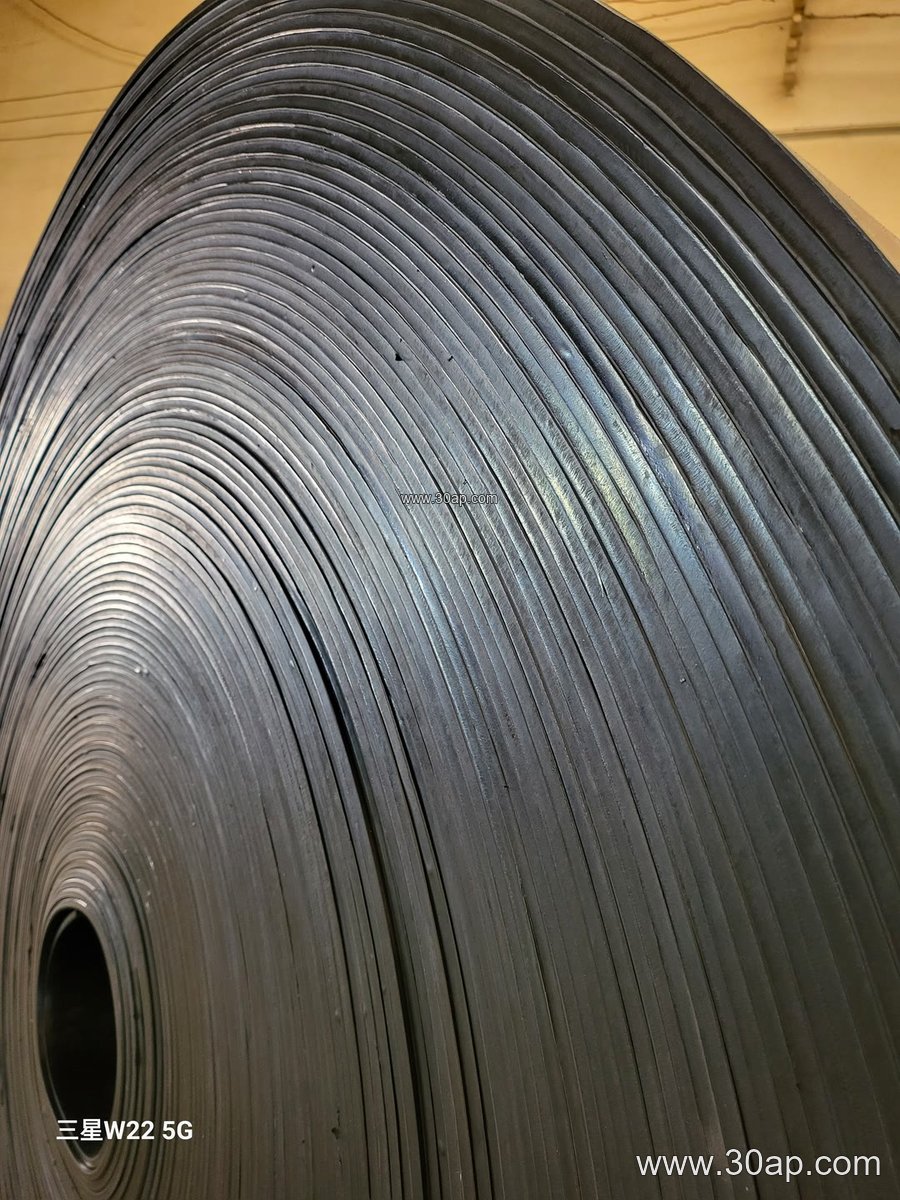
In metal mining, an ore conveyor belt or iron ore conveyor belt carries primary crushed material from the crusher to the stockpile. Copper ore and gold mining operations use similar specifications where impact and abrasion dominate. In coal, the underground coal mining conveyor belt must combine flame resistance with toughness, while surface coal handling often uses high abrasion resistant conveyor belt covers.
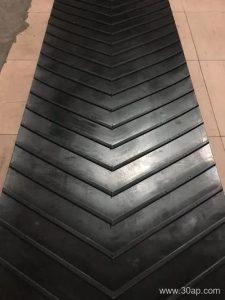
Cement plants rely on heat resistant conveyor belt grades near kilns and clinker coolers. Power plants handle coal and limestone, and ports use wide belts for ship loading. Sand making plants, stone crushing lines and recycling facilities use crusher conveyor belt and aggregate conveyor belt constructions with impact resistant covers at feed points. In steep inclines, chevron conveyor belt profiles or corrugated sidewall conveyor belt designs prevent material rollback, and pipe conveyor belt systems enclose the load for dust control.
Selection Points for Buyers
- Define the material: lump size, temperature, moisture, oil content and abrasiveness.
- Confirm the required tensile grade and safety factor, then match the carcass type.
- Specify cover thickness and grade for the actual wear zone, not just the average.
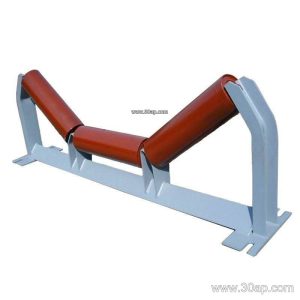
- Check compatibility with idler roller spacing, conveyor pulley diameters and conveyor bracket geometry.
- For underground use, state flame retardant and anti-static requirements clearly.
- Consider splicing method and whether an endless conveyor belt is preferred to reduce joint failures.
Buyers should also review belt thickness against troughability and check that transition distances are adequate. A thick, stiff belt on a short transition can lift off the idlers and mistrack. Requesting a full data sheet, including carcass type, ply count, cover compound and tolerances, avoids ambiguity between suppliers.
Installation and Maintenance Notes
Correct alignment at the tail and bend stations protects the belt edge. Keep idler rollers turning freely, replace damaged rolls promptly, and inspect the conveyor pulley lagging for wear. Track cover wear at load points; localised grooving usually means the impact resistant cover or the chute design needs attention. Store spare belts flat, away from sunlight and ozone sources, and follow the maker’s splice procedure. For more product information on heavy-duty mining conveyor belt options, visit www.example.com.