What an Ore Conveyor Pulley Does
An ore conveyor pulley is the rotating drum that drives, tensions, or redirects the belt on a bulk handling conveyor. In a quarry, limestone mine, or copper concentrator, this component transfers motion to the belt and carries the belt tension around the curve. It is not a passive idler roller; the pulley is a structural assembly designed for high radial and axial loads. The same product is also called a conveyor drum or belt pulley, and the term ore conveyor pulley is common in mining and aggregate circuits where abrasive rock is moved continuously.
Construction and Surface Options
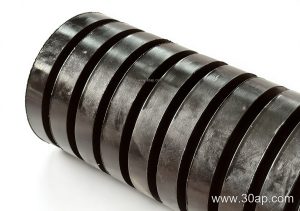
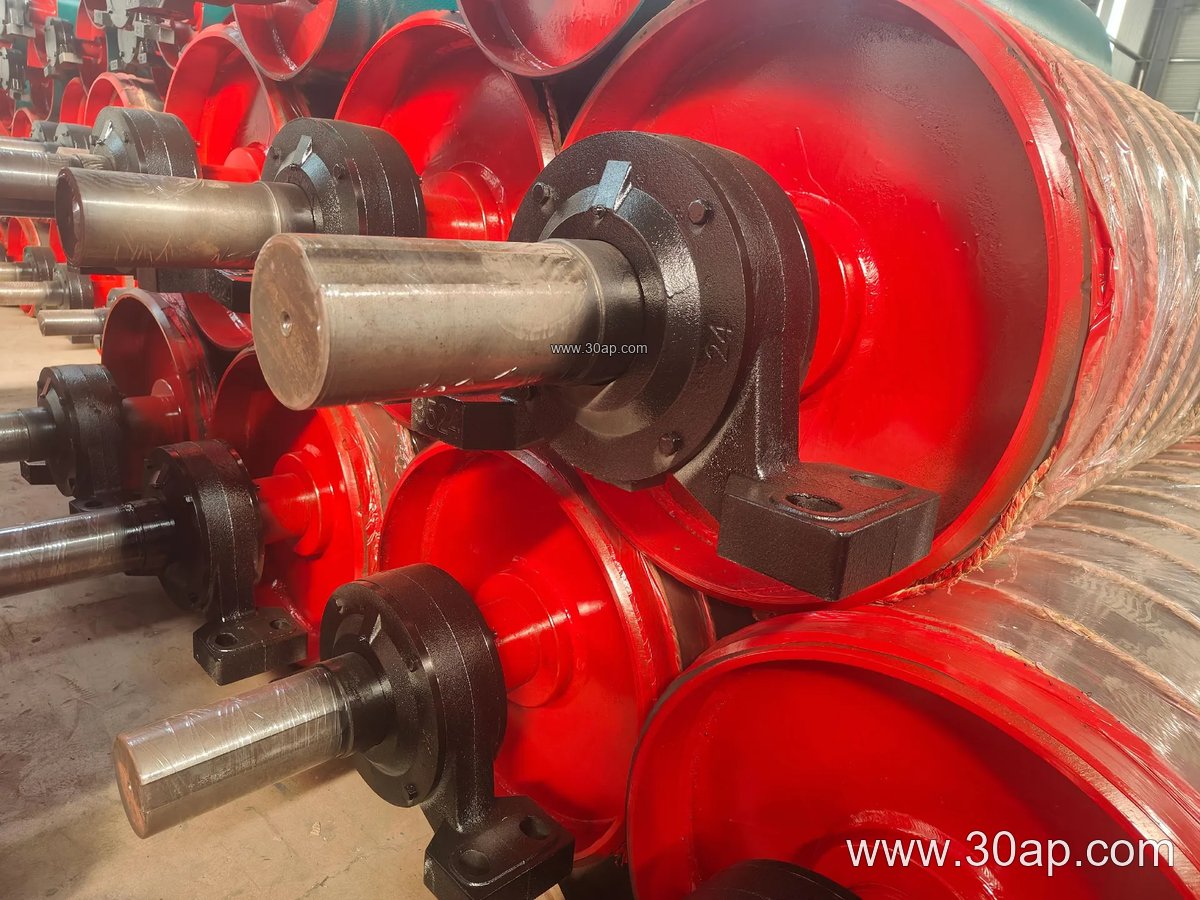
A typical ore conveyor pulley is built from a rolled steel shell, welded end discs, a shaft, and hub connections. The shell may be plain or covered with rubber, ceramic, or other lagging. Surface forms include smooth, cast rubber, cold-bonded rubber, hot-vulcanized rubber, diamond pattern, herringbone, ceramic, and flat rubber. Lagging thickness commonly ranges from 8 mm to 20 mm. For wet or muddy ore, diamond or herringbone lagging helps shed water and maintain grip. Ceramic lagging is often chosen where abrasive fines polish the drum face.
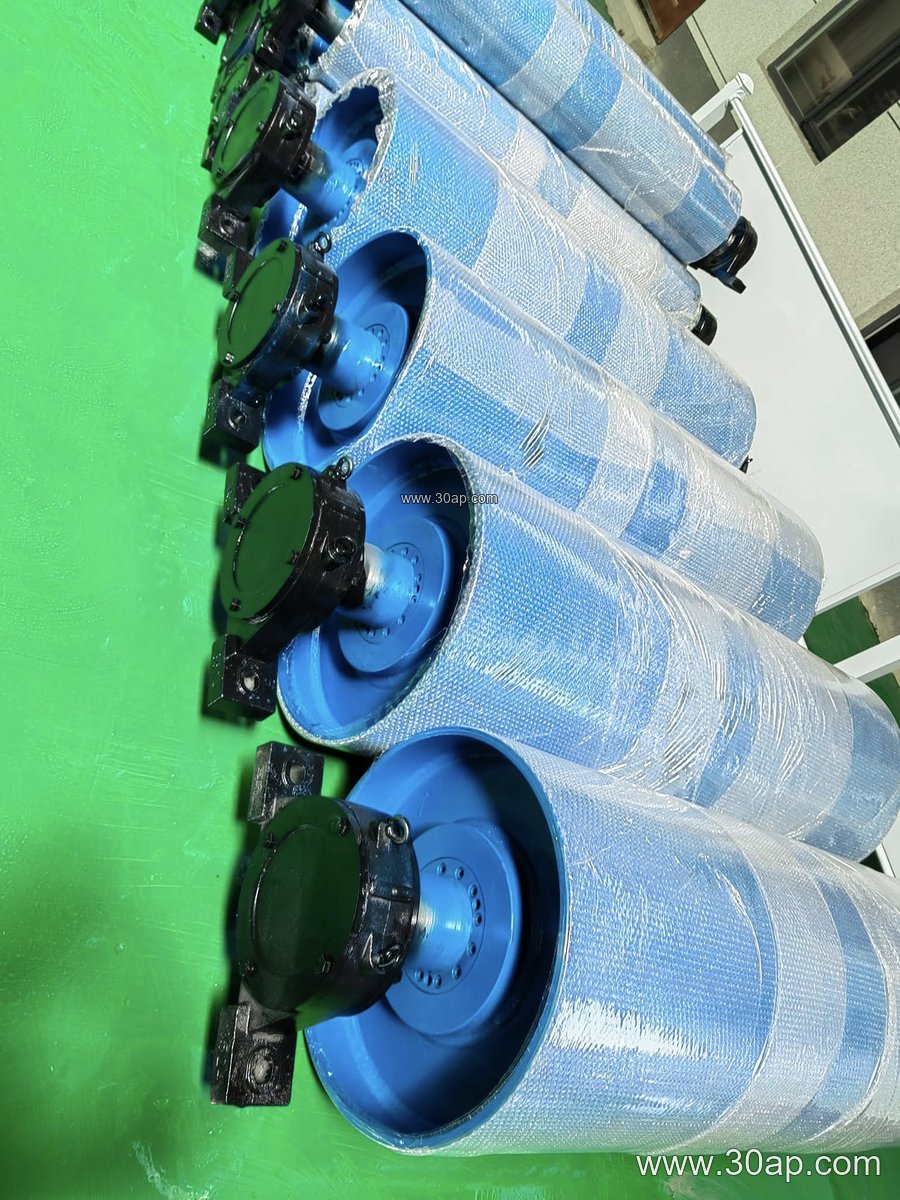
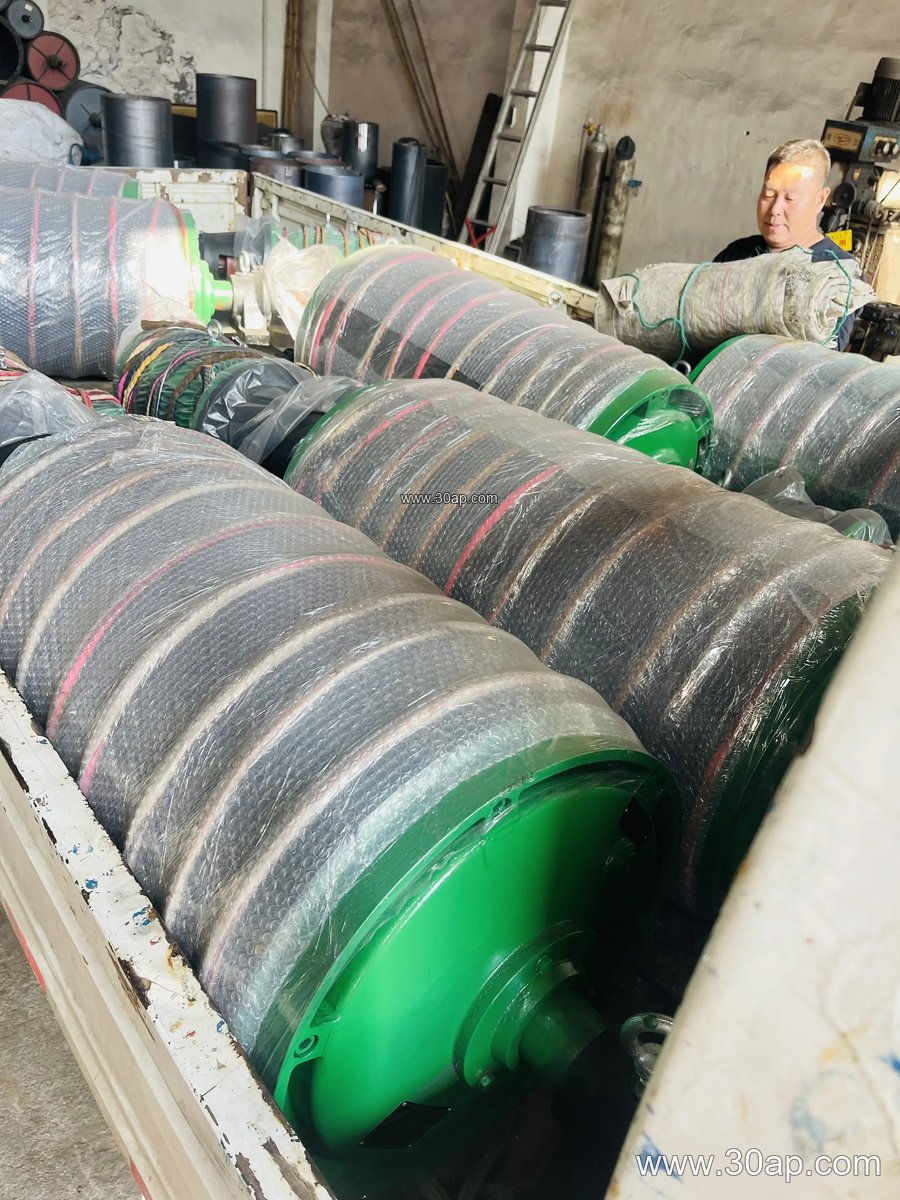
The shaft diameter is determined by torque and load, not by belt width alone. Common shaft sizes include Ø50, Ø60, Ø70, Ø80, Ø90, Ø100, Ø120, Ø140, Ø160, Ø180, and Ø200. Bearing housings are matched to the shaft and frame, and the pulley is fixed to the conveyor bracket or tension take-up.
Where It Fits in the Conveyor
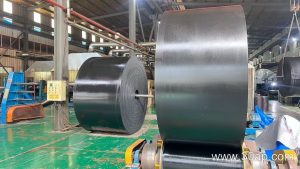
In a crushing and screening line, the ore conveyor pulley at the head end drives the belt and discharges rock into a screen or stockpile. At the tail end, a tail pulley returns the belt and may include a tensioning function. Bend pulleys change belt direction around the take-up, while take-up pulleys maintain belt tension. These subtypes are not interchangeable; a drive pulley needs a different lagging and hub design than a bend pulley. A fabric core conveyor belt or steel cord conveyor belt may run on the same conveyor, but the pulley specification follows the belt tension and duty.
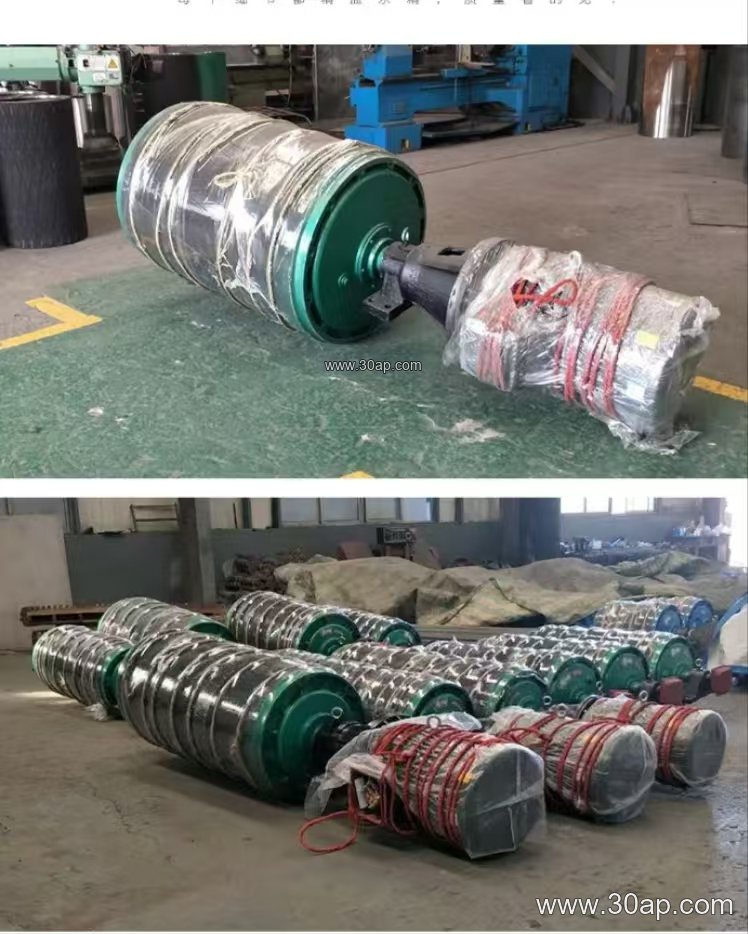
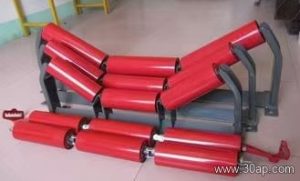
Other equipment around the pulley includes the conveyor belt, idler roller, and conveyor bracket. In a coal washing plant or power plant coal yard, a flame retardant conveyor belt may be used with a rubber-lagged pulley. In a cement plant clinker line, heat resistant conveyor belt can pair with a heat-tolerant lagging. The ore conveyor pulley itself remains the main load-bearing drum.
Common Sizes and Combinations
Pulley diameter and face width are selected by design. The table below shows common reference values; they are not a fixed match for every belt width.
| Belt width reference | Typical pulley face width | Common diameter range |
|---|---|---|
| B400 | About 500 mm | Ø200 to Ø400 |
| B500 | About 600 mm | Ø250 to Ø500 |
| B650 | About 750 mm | Ø315 to Ø630 |
| B800 | About 950 mm | Ø400 to Ø800 |
| B1000 | About 1150 mm | Ø500 to Ø1000 |
| B1200 | About 1400 mm | Ø630 to Ø1250 |
| B1400 | About 1600 mm | Ø800 to Ø1400 |
| B1600 | About 1800 mm | Ø1000 to Ø1600 |
| B1800 | About 2000 mm | Ø1250 to Ø1800 |
Examples such as B800 × Ø500 or B1200 × Ø1000 are common combinations, but a larger or smaller diameter may be correct depending on wrap angle, belt speed, and tension. For wide belts, an extra-wide conveyor belt may require a wider pulley face, but the shaft size still follows the calculated load.
Buyer Checklist
- Confirm the pulley position: drive, tail, bend, take-up, or snub. Each has different load and lagging needs.
- Provide belt width, belt type, and maximum operating tension. Mention whether the belt is EP conveyor belt, NN conveyor belt, or steel cord conveyor belt.
- Specify lagging type and thickness if grip or wear resistance matters. Rubber, ceramic, and diamond pattern are common choices.
- State the shaft diameter required by the drive or bearing assembly. Do not assume a shaft size from belt width.
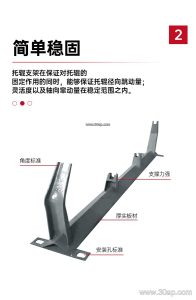
- Check the conveyor bracket and bearing housing dimensions for fit.
- For abrasive ore, consider high abrasion resistant conveyor belt and matching wear-resistant lagging.
An ore conveyor pulley is a long-life component when the shell, shaft, lagging, and bearings are matched to the actual duty. In a gold mining conveyor, iron ore conveyor, or aggregate conveyor, the pulley works with the belt and idler roller to keep material moving. Buyers who define the application clearly will get a drum that fits the conveyor frame and the belt tension without over- or under-designing the assembly.