What a High-Friction Lagged Pulley Does
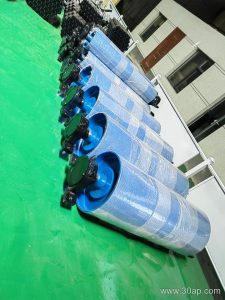
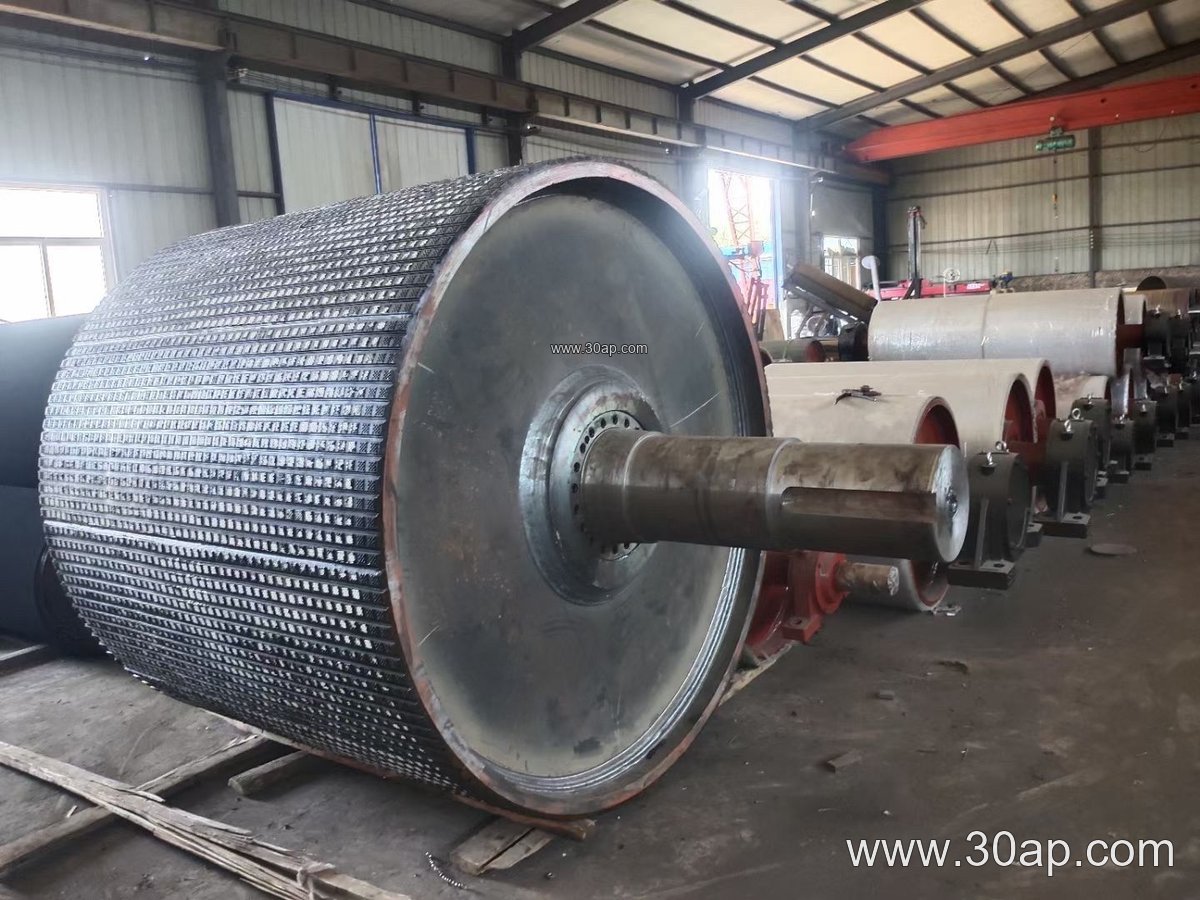
A high-friction lagged pulley is a conveyor pulley whose shell carries a bonded rubber or ceramic lagging that raises the coefficient of friction between the drum face and the conveyor belt. In practice, this rubber-lagged pulley is often chosen where the plain steel shell would slip under load, especially on the drive position of a bulk handling conveyor. The lagging also protects the shell from abrasive dust and reduces belt tracking problems caused by a polished, low-grip surface.
Because the lagging is a wear part, the pulley is built so the cover can be replaced or re-rubberized without scrapping the whole drum. That is one reason maintenance teams in a limestone quarry or a coal washing plant keep a spare lagged shell rather than a complete new pulley assembly.
Construction Details That Affect Grip
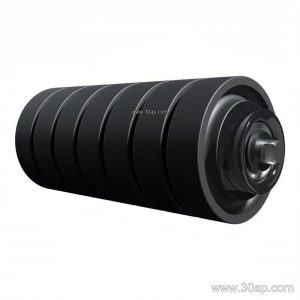
The body is usually a rolled steel shell welded to end discs, with a shaft sized by torque and load rather than by belt width alone. Lagging is applied in several ways: hot vulcanized rubber, cold-bonded sheet, cast rubber, or ceramic tiles set in a rubber matrix. Surface patterns include plain, diamond, herringbone, and ceramic stud forms. Thickness commonly runs from 8 mm to 20 mm depending on duty.
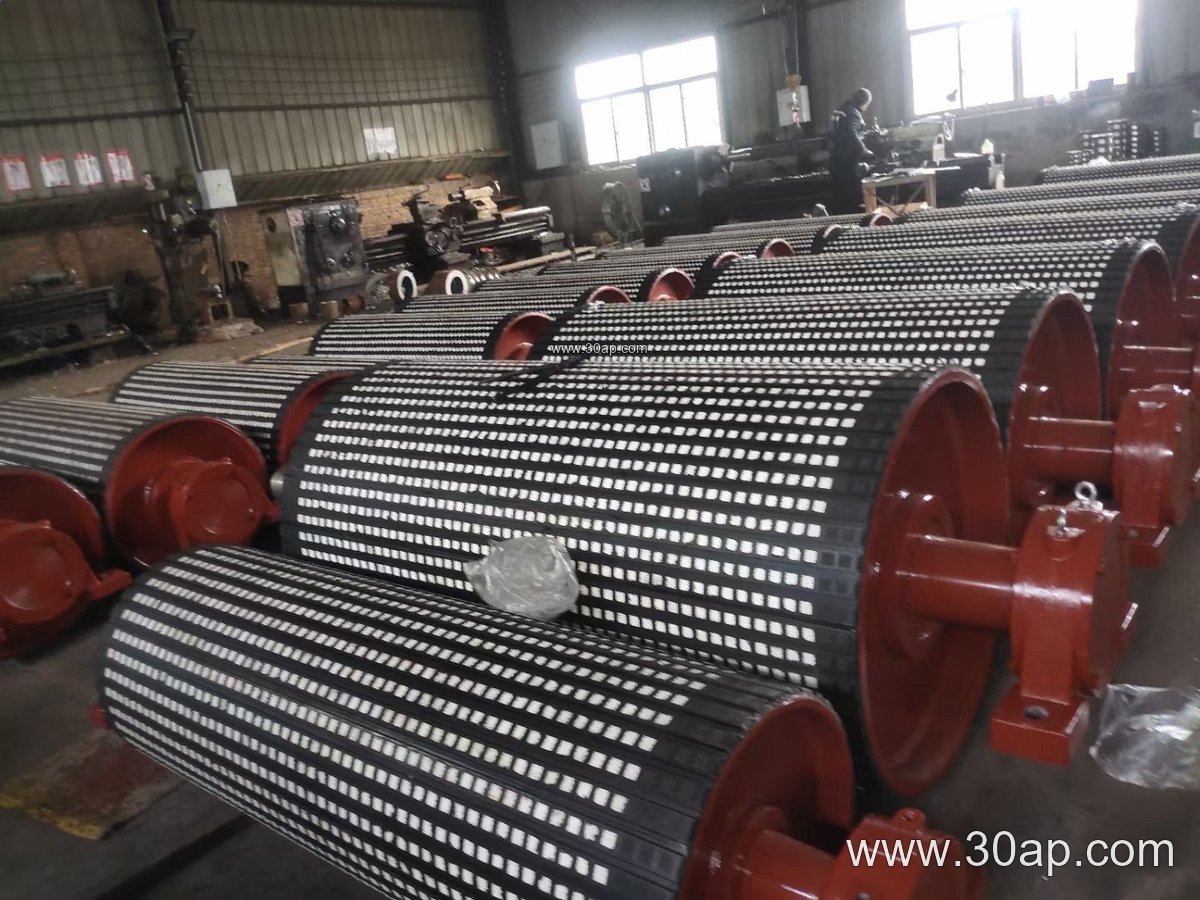
A high-friction pulley for a heavy-duty mining conveyor often uses diamond or herringbone lagging to help shed water and fines while maintaining grip. Ceramic lagging is another option when abrasive slurry or sharp aggregate is present. The pulley face width is normally slightly wider than the belt; for example, a B1200 belt may run on a pulley face around 1400 mm, while a B800 belt may use a face near 950 mm. Diameter and shaft diameter are selected from tension and shaft load calculations, so a B1000 pulley might be built at Ø800 or Ø1000 with a shaft in the Ø120 to Ø160 range, but those are design choices, not fixed pairings.
Where It Fits in the Conveyor
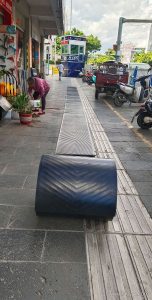
This type is most often specified as a drive pulley, but it can also appear as a tail pulley, a bend pulley, or a tension pulley when extra grip or shell protection is needed. Drive, tail, and bend pulleys are not interchangeable: the drive transmits torque, the tail redirects the returning belt, and a bend pulley changes direction without driving. A high-friction lagged drive pulley may work with a Fabric Core Conveyor Belt or a Steel Cord Conveyor Belt, and the lagging choice should match the belt cover compound and the material being carried.
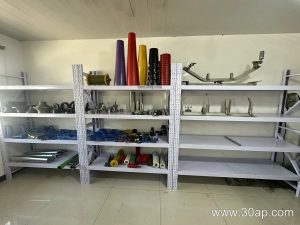
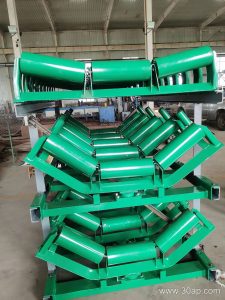
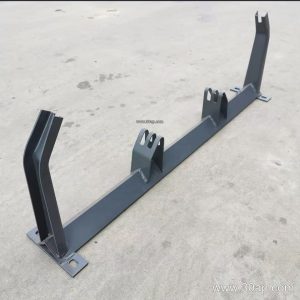
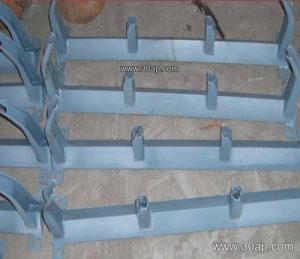
Applications include cement plant clinker lines, power plant coal conveying, iron ore and copper ore handling, sand and aggregate plants, and port bulk terminals. In a coal mining conveyor, flame retardant and anti-static properties of the belt are separate from the pulley lagging, but the two must be compatible in terms of surface hardness and slip behavior. A high-friction lagged pulley also pairs with conveyor idler rollers and conveyor brackets that keep the belt aligned before it reaches the drum.
Buyer Checklist
- Confirm the pulley position: drive, tail, bend, or tension. The duty changes the lagging pattern and thickness.
- Match lagging to the belt: an Abrasion Resistant Conveyor Belt may tolerate a harder lagging, while a Heat Resistant Conveyor Belt needs a cover that will not degrade near hot clinker or sinter.
- Check face width against belt width, not the other way around. A B1400 belt commonly needs a face near 1600 mm, but the diameter remains a load-based decision.
- Ask for the shaft diameter calculation basis; it should follow torque and bearing load, not a rule of thumb from belt width.
- Plan for lagging wear. Replaceable lagging and a spare pulley shell reduce downtime in a crusher conveyor or ship loading line.
For a quarry conveyor or a cement plant, a high-friction lagged pulley is a wear-conscious way to keep traction without over-tensioning the belt. The right specification comes from the conveyor layout, the belt type, and the material handled, not from a single size chart.