What an EP Fabric Core Conveyor Belt Is
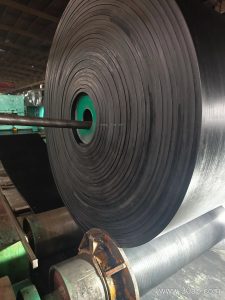
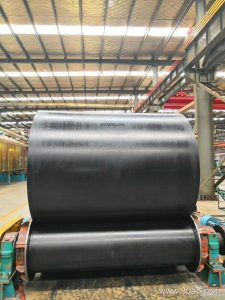
An EP Fabric Core Conveyor Belt is a rubber conveyor belt whose load-bearing skeleton is made from polyester warp and polyamide weft fabric, usually called EP fabric. The carcass gives the belt its tensile strength and resistance to fatigue, while the rubber covers protect the fabric from abrasion, moisture, heat, or oils. In everyday plant language this product is also called an EP conveyor belt, an EP rubber conveyor belt, or a polyester-nylon fabric core belt.
The EP textile core is a practical middle ground in bulk material handling. It is lighter and more flexible than a steel cord conveyor belt in many layouts, yet it carries more tension than a light-duty cotton or standard NN conveyor belt of similar construction. That balance is why EP belts appear in mines, cement works, power plants, quarries, ports, and aggregate yards.
How the Belt Is Built
The carcass is normally built up from two to six plies of EP fabric, bonded with rubber friction layers and then covered on both faces. A buyer will often see the cover described as a top and bottom thickness pair, for example 4+2 mm or 6+2 mm, where the first figure is the carrying cover and the second is the pulley-side cover.
Common strength grades are written as EP200, EP400, EP630, EP1000, EP1600, and EP2000, among others. Higher numbers indicate higher rated tensile strength per unit width, so a heavier grade is not automatically better for every conveyor. The duty, the incline, the lump size, and the pulley layout all influence the final choice.
Typical Construction Reference
The figures below are common reference values, not a fixed supply promise. Actual construction is determined by the conveyor design and by the manufacturer.
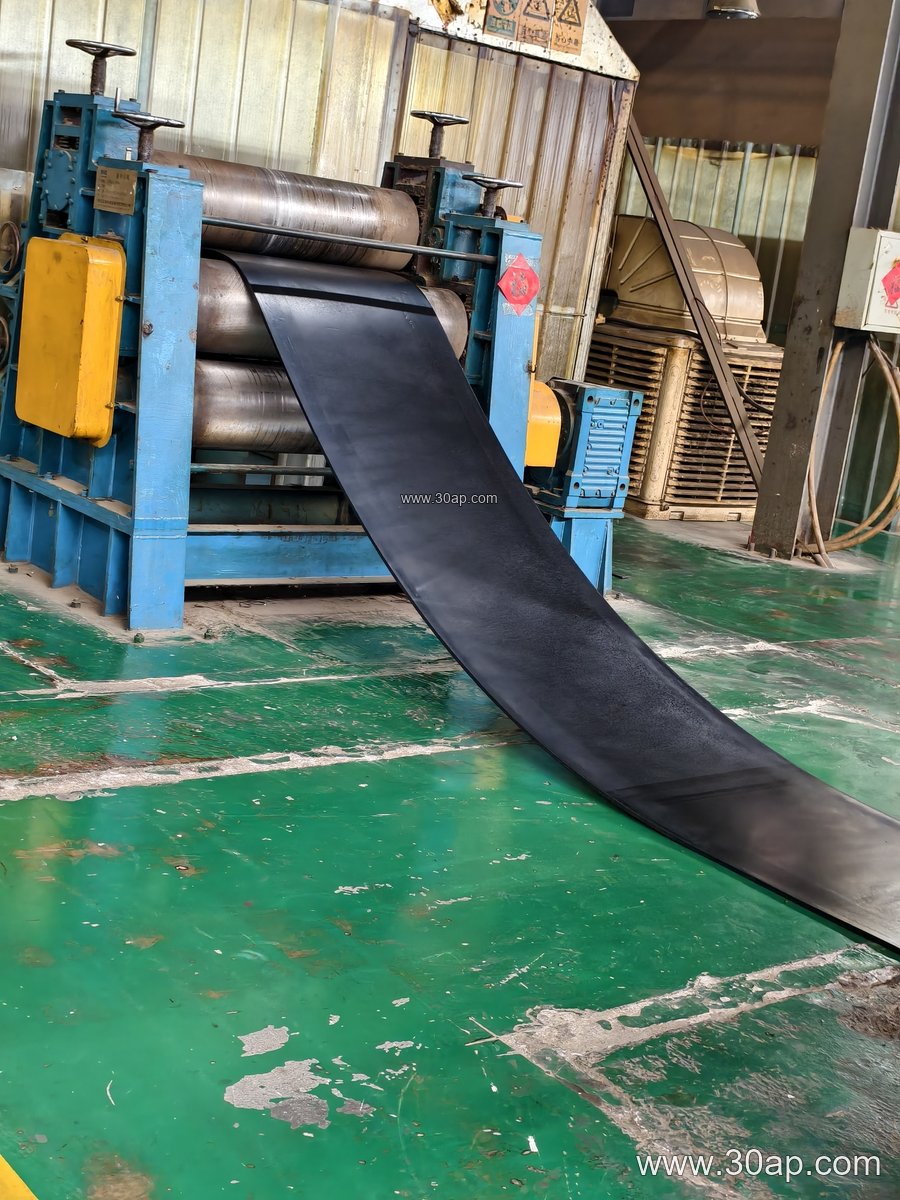
Strength and Cover Reference
| Item | Common reference range |
|---|---|
| Strength grade | EP200, EP315, EP400, EP500, EP630, EP800, EP1000, EP1250, EP1600, EP2000 |
| Carcass plies | Usually 2 to 6 plies |
| Cover thickness | 3+1.5 mm, 4+2 mm, 5+2 mm, 6+2 mm, 8+3 mm |
| Belt width | B500, B650, B800, B1000, B1200, B1400, B1600, B1800, B2000 |
These values are read together with the working conditions. A wide belt such as a 1200mm or 1800mm unit may run on the same conveyor frame as a narrower belt, but the pulley diameter, shaft size, and take-up arrangement are set by the conveyor designer, not by belt width alone.
Where EP Belts Are Used
Because the EP carcass resists repeated flexing, the belt suits long runs with several bends. Typical installations include:
- Coal mining and underground coal mining conveyors, often with flame retardant or anti-static covers.
- Cement plants moving clinker, limestone, and raw meal.
- Power plant coal handling and ash transport lines.
- Quarries and sand making plants feeding crushers and screens.
- Ports and ship loading systems handling ore, grain, and aggregate.
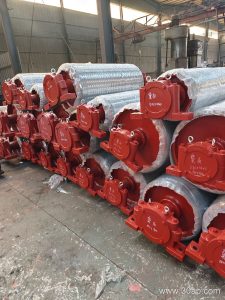
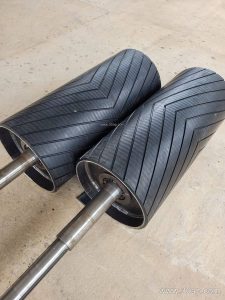
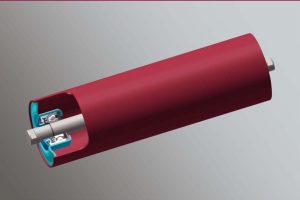
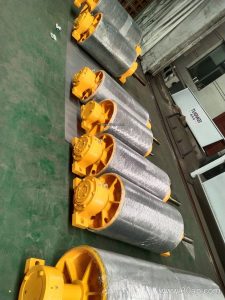
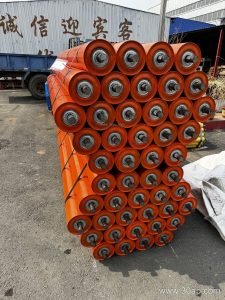
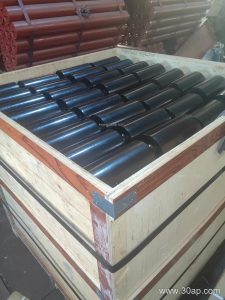
In these systems the belt works with conveyor pulleys at the drive, tail, and bend positions, supported by idler rollers and mounted on conveyor brackets. The drive pulley transmits power, the tail pulley returns the belt, and bend pulleys guide it around curves. These parts are not interchangeable, and each has its own diameter and lagging requirements.
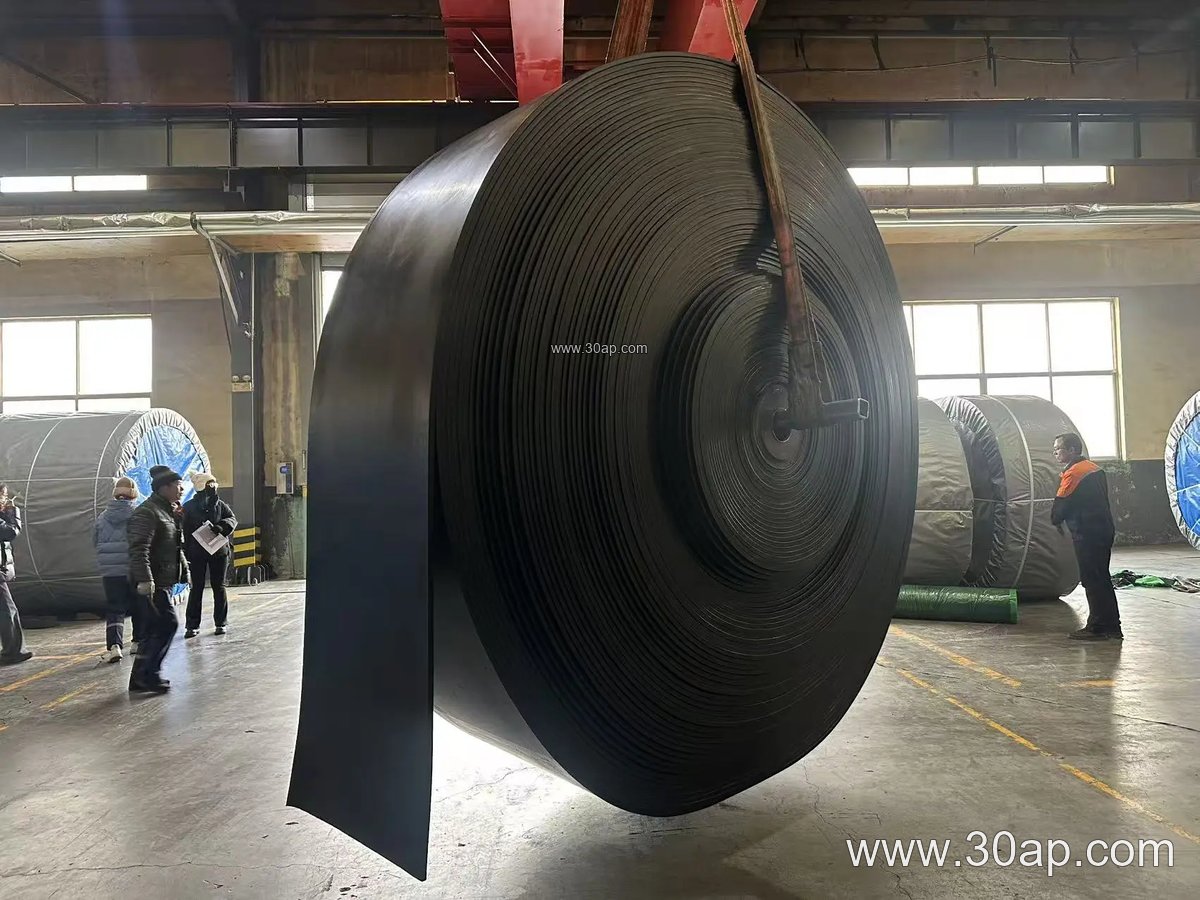
Special Cover Options
The EP carcass can carry different cover compounds for different duties. A heat resistant conveyor belt suits clinker or sinter, an oil resistant conveyor belt handles oily scrap or certain mineral feeds, and an abrasion resistant conveyor belt is common in quarry and iron ore service. For underground coal work, flame retardant and anti-static properties are usually specified together.
Where material must be contained on an incline, a chevron conveyor belt or a corrugated sidewall belt may be chosen instead of a flat EP belt. Those are separate designs with their own construction, so they should be evaluated as alternatives rather than as direct substitutes for a standard flat EP fabric core belt.
What a Buyer Should Check
Before ordering, confirm the strength grade, ply count, cover thickness, and belt width against the conveyor calculation. Ask how the belt will be joined, since endless or vulcanized splicing affects lead time and field work. Check the pulley diameters and the smallest bend radius, because a carcass that is too stiff for a tight layout will fatigue early.
Also match the cover to the environment. A standard EP conveyor belt may be fine for dry aggregate, while a mine or cement line exposed to heat, oil, or flame needs the relevant compound. Buyers often compare an EP belt with an NN conveyor belt or a steel cord conveyor belt, and the right answer depends on tension, distance, and impact load rather than on one universal rule.
Finally, store belts on a clean, dry surface away from direct sunlight, and inspect covers and edges during routine shutdowns. Small edge damage on an EP fabric core belt can grow quickly if it is not repaired.