What a Mining Conveyor Belt Does
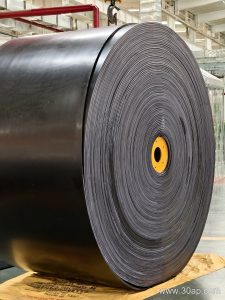
A mining conveyor belt is the load-carrying element of a continuous haulage system. It moves crushed ore, coal, sand, aggregate, cement clinker, and other bulk materials between the crusher, screening station, stockpile, and load-out point. In a mine or quarry, the belt is not simply a flat strip of rubber; it is an engineered composite that must absorb impact at the loading point, resist cutting and abrasion, track steadily on the conveyor pulley, and survive the local climate and dust conditions. Engineers often describe the same product as a heavy-duty mining conveyor belt or a bulk material conveyor belt, and those equivalent names point to the same family of belting.
Construction of the Belt
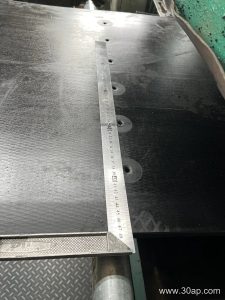
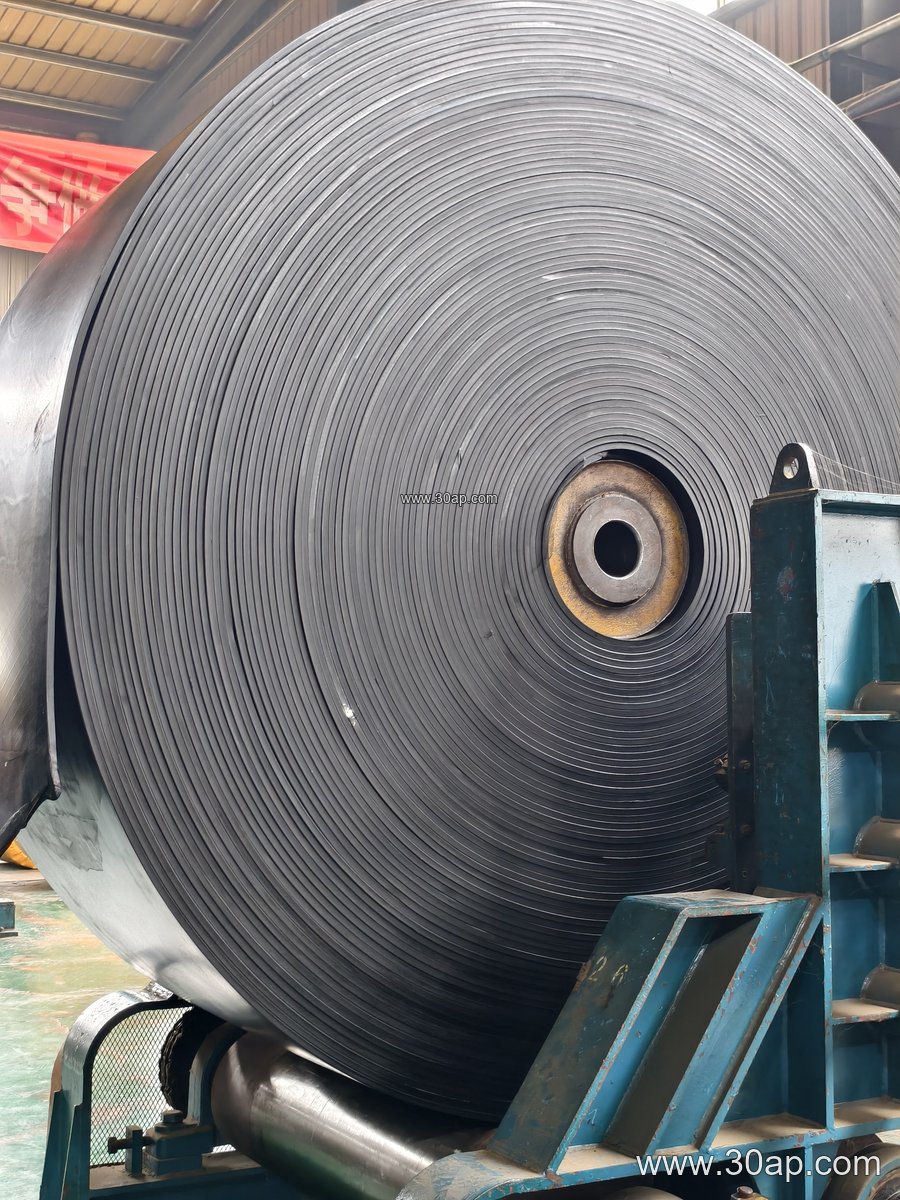
Most mining belts combine a carcass and rubber covers. The carcass carries the tension and may be a fabric core or a steel cord design. Common fabric cores include EP conveyor belt (polyester warp, polyamide weft) and NN conveyor belt (nylon warp, nylon weft). For long lifts, high tonnage, or large lump sizes, a steel cord conveyor belt is often chosen. Covers protect the carcass from abrasion, heat, oil, and flame; the top cover usually runs thicker than the bottom cover.
The table below shows typical reference values, not fixed supply promises. Actual construction is confirmed by design.
- Fabric core carcass: 2 to 6 plies, depending on strength class
- EP strength grades seen in practice: EP200, EP400, EP630, EP1000, EP1250
- Steel cord grades: ST1000, ST1600, ST2000, ST2500
- Common belt widths: B650, B800, B1000, B1200, B1400, B1600
- Cover thickness examples: 4+2 mm, 5+2 mm, 6+2 mm, 8+3 mm
Underground coal work usually calls for a flame retardant conveyor belt with anti-static properties, often a PVG conveyor belt such as PVG800S, where the cover compound is formulated for fire resistance. Surface mines, cement plants, and power plants more often use abrasion resistant conveyor belt grades. A heat resistant conveyor belt suits sinter, clinker, and hot ash; an oil resistant conveyor belt suits oily ore or recycled material. In cold regions, a cold resistant conveyor belt avoids stiffening and cracking.
Where These Belts Are Used
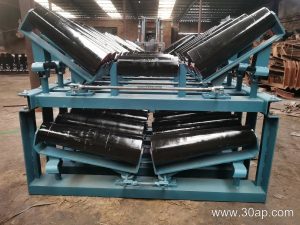
The same belt family appears across many industries. A coal mining conveyor belt feeds a coal preparation plant; a quarry conveyor belt links a primary crusher to a screening tower; a cement conveyor belt handles limestone and clinker; a power plant conveyor belt moves fuel to the boiler house; and a port conveyor belt or ship loading conveyor belt transfers bulk cargo at the quay. In sand and gravel operations, an aggregate conveyor belt and crusher conveyor belt work with impact idler roller stations at the transfer chute.
Special profiles solve steep or confined routes. A chevron conveyor belt or corrugated sidewall conveyor belt handles inclines where material would otherwise slide back. A pipe conveyor belt encloses the load for dust control and tight curves. A skirted conveyor belt keeps material centered at the loading point. An endless conveyor belt reduces splice count on critical runs.
Selection Points for Buyers
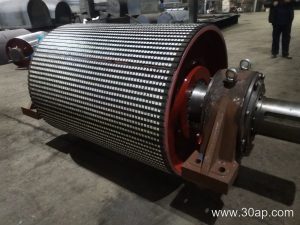
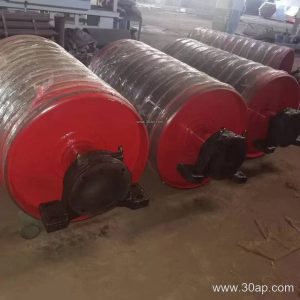
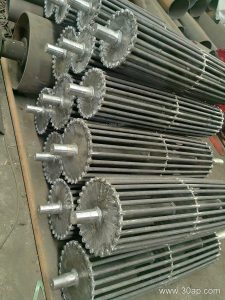
Begin with the duty: material type, lump size, moisture, temperature, and whether the route is underground, overland, or in a plant. Then confirm the required tensile strength and the belt width together with the conveyor pulley diameters and idler roller spacing. Belt width and pulley diameter are matched through tension and wrap calculations, not by a single fixed rule; a wider belt does not automatically dictate one shaft size. Ask the belt maker and the conveyor designer to confirm the drive pulley, tail pulley, and bend pulley arrangement, along with conveyor bracket loads.
Check the cover grade against the real environment. A high abrasion resistant conveyor belt may be wasted on a clean, low-impact run, while a standard belt will fail early under sharp rock. For underground coal, insist on documented flame retardant and anti-static performance. For food or clean handling, a food grade conveyor belt is the appropriate choice, though it is a different product line from mine belting.
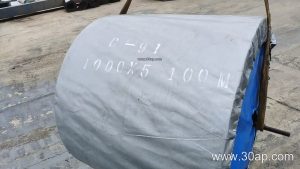
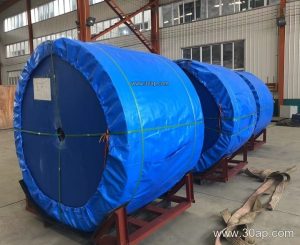
Finally, plan maintenance: inspect splices, edge wear, and cover gouges; keep idler roller rotation free; and align the conveyor pulley to prevent mistracking. A spare belt roll and a trained splicing crew reduce downtime. Buyers can compare offers at gyconveyorbelt.com and confirm belt data before ordering.