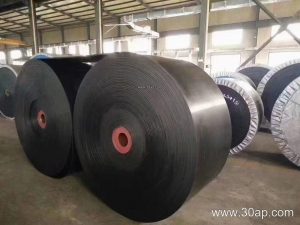
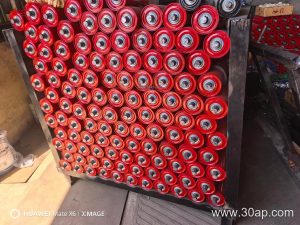
What a Three-Roll Idler Bracket Does
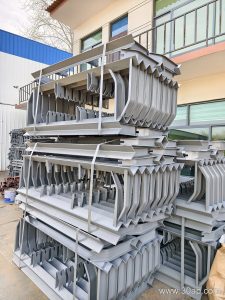
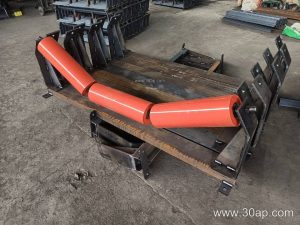
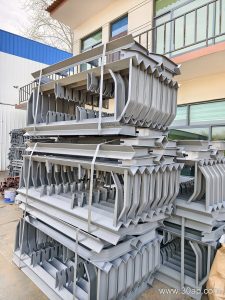
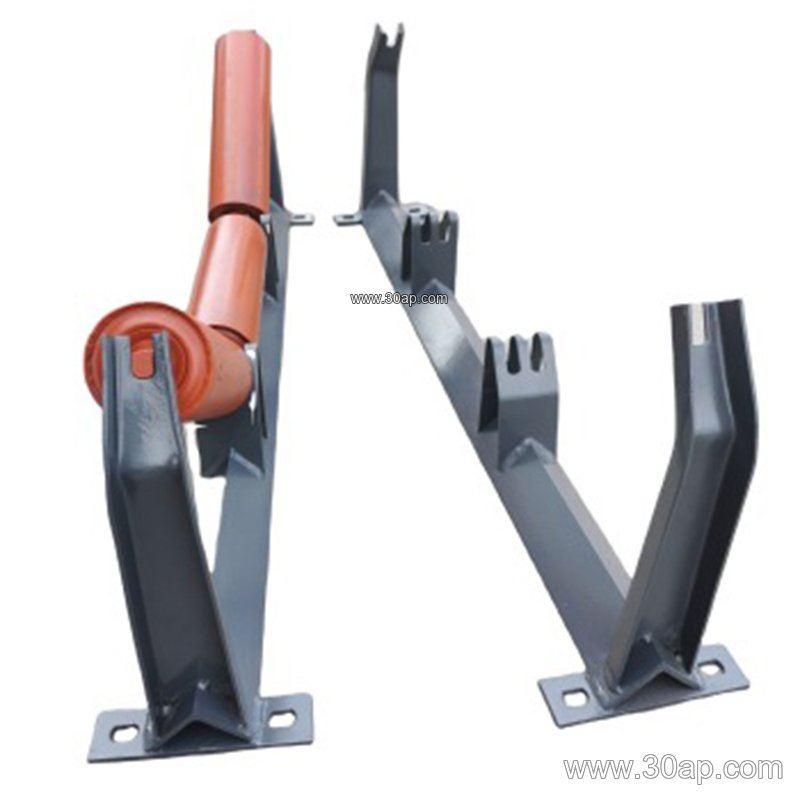
A three-roll idler bracket is the steel support that holds three idler rollers in a trough shape beneath a loaded conveyor belt. It is the structural link between the carrying idlers and the conveyor frame, and it sets the trough angle that keeps bulk material centered during transport. In a quarry or a cement plant, this bracket is often the difference between a belt that tracks cleanly and one that spills material at every transfer point. The same component is also called a three-roll troughing idler bracket or a troughing bracket assembly, and those names refer to the same product.
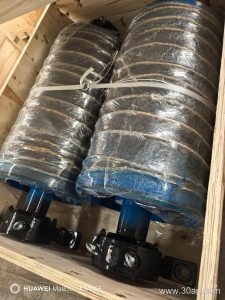
The bracket carries the weight of the belt and its load through the idler shafts and transfers it into the stringer or frame. Because it sits on the carrying side, it works alongside the conveyor belt, the idler roller set, and the conveyor pulley that drives the system. Buyers browsing a conveyor bracket range at www.beltconveyorparts.com often start here when replacing worn carrying stations.
How the Bracket Is Built
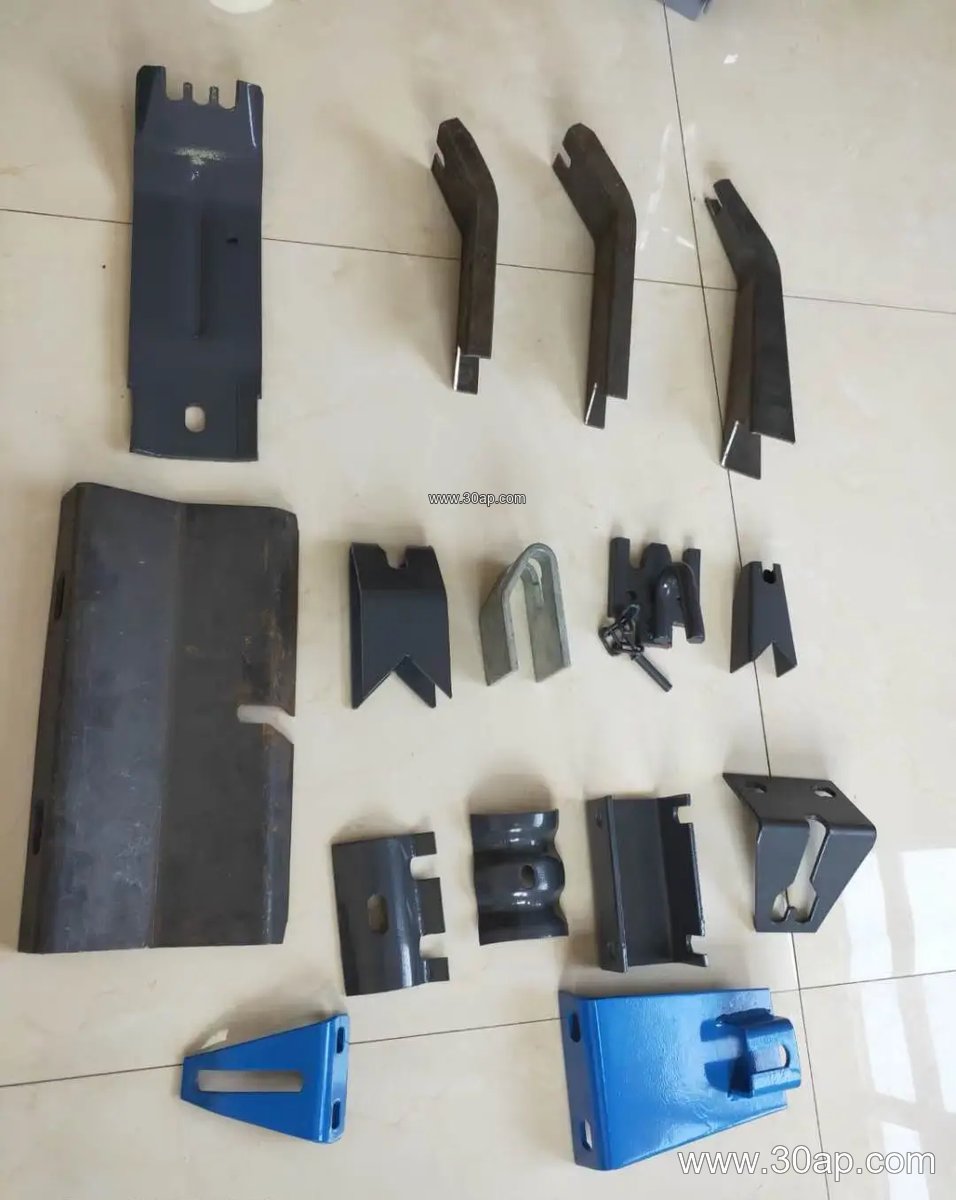
Most three-roll idler brackets are fabricated from angle steel, channel steel, or folded steel plate. The two outer wings are angled to create the trough, while the center section holds the middle roller. Welded gussets and punched mounting holes complete the part.
- Material: angle steel, channel steel, or bent plate, usually painted or galvanized
- Wing angle: commonly 20, 30, 35, or 45 degrees
- Roller seats: sized to match the idler shaft and bearing housing
- Mounting: bolt holes that align with the conveyor frame stringers
The trough angle is the defining feature. A 30-degree bracket suits many medium-duty lines, while a 45-degree version gives deeper troughing for high-capacity ore or aggregate loading. Adjustable brackets allow the wings to be set between these angles during commissioning, which helps when a belt is being tuned for the first time.
Matching Bracket, Belt, and Roller
The bracket must fit the belt width and the roller diameter. Common belt widths include B500, B650, B800, B1000, B1200, B1400, B1600, B1800, B2000, B2200, and roller diameters are typically Ø89, Ø108, Ø133, Ø159, and Ø194. These values are reference points, not fixed pairings; a B800 belt may be designed with different trough angles and roller sizes depending on load and speed.
| Belt Width | Typical Trough Angle | Common Roller Diameter |
|---|---|---|
| B650 | 30 degrees | Ø89 |
| B800 | 35 degrees | Ø108 |
| B1200 | 45 degrees | Ø133 |
| B1400 | 35 to 45 degrees | Ø159 |
Installation hole spacing and crossbeam length change with belt width and trough angle, so the bracket should be ordered against the actual frame drawing rather than a nominal size alone. A bracket that is close but not exact will cause roller misalignment and uneven belt wear.
Where Three-Roll Brackets Are Used
These brackets appear wherever a troughed belt carries bulk material. In a limestone mine or stone crushing line, they support the belt after the crusher and before the screen. In a coal washing plant or power plant coal yard, they keep the belt loaded evenly on its way to the bunker. Sand and gravel operations, fertilizer plants, and port ship-loading conveyors also rely on them. The surrounding equipment usually includes a heavy-duty mining conveyor belt or an abrasion resistant conveyor belt on the load side, with a conveyor pulley at each end of the run.
In dusty or wet conditions, a self-aligning or forward-tilted bracket variant can help the belt stay centered, but the standard three-roll bracket remains the workhorse of the carrying side. Spare brackets at www.beltconveyorparts.com are often stocked alongside idler rollers and pulley assemblies for planned maintenance.
What Buyers Should Check
Before ordering, confirm the belt width, the required trough angle, the roller diameter, and the frame hole pattern. Ask whether the bracket is fixed or adjustable, and check the steel thickness and finish for the site environment. For a coal mine or underground application, flame retardant conveyor belt and anti-static conveyor belt specifications may matter more than bracket finish, but the bracket still needs to be robust enough for the duty. Buyers can review related conveyor bracket options at www.beltconveyorparts.com and confirm dimensions against their own drawings.
Finally, keep a few spare three-roll idler brackets on hand. They are simple parts, but a bent or corroded bracket can misalign an entire carrying station and shorten roller life. Matching the bracket to the belt, roller, and frame is the practical way to keep a conveyor running straight.