What Is an Anti-Material-Buildup Idler?
An anti-material-buildup idler is a specialized conveyor idler roller designed to prevent sticky, wet, or fine materials from adhering to its surface. In industries such as coal mining, cement plants, power plant coal handling, and quarry operations, conventional idlers often accumulate material on the shell, leading to belt misalignment, increased friction, and premature wear. This idler type incorporates features that shed material effectively, keeping the conveyor belt running smoothly and reducing maintenance downtime.
Construction and Design Features
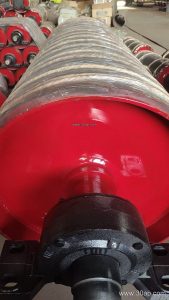
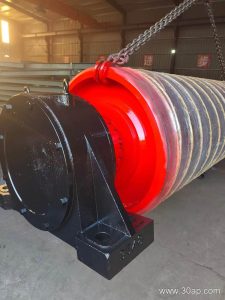
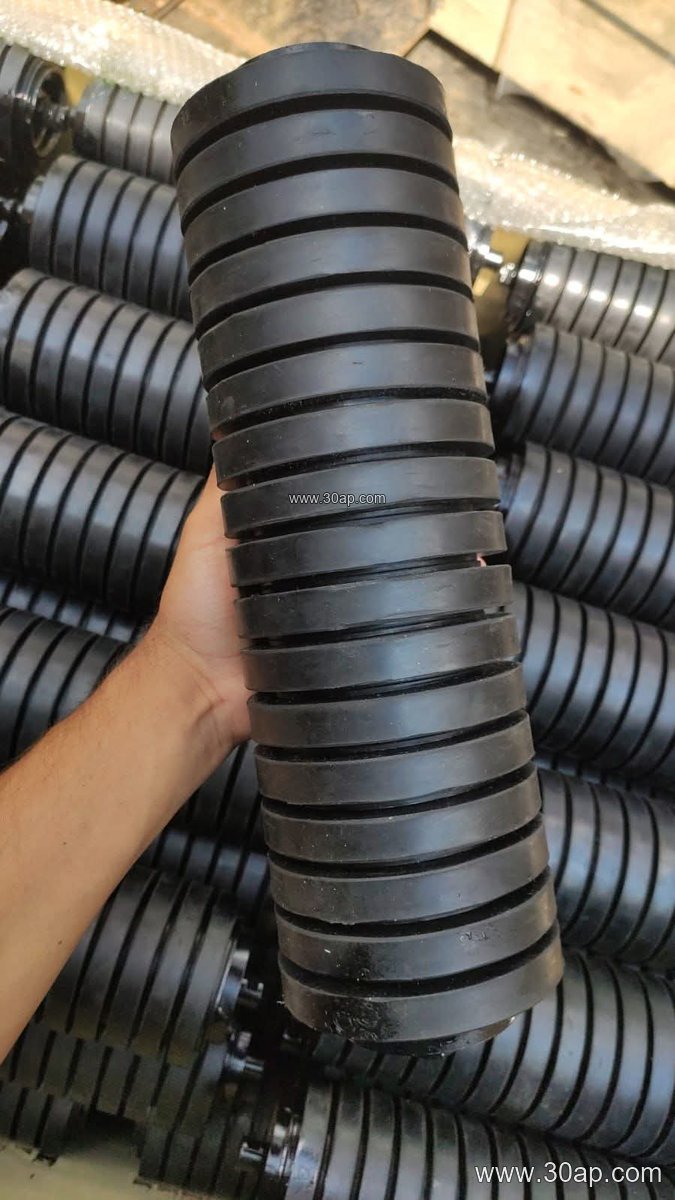
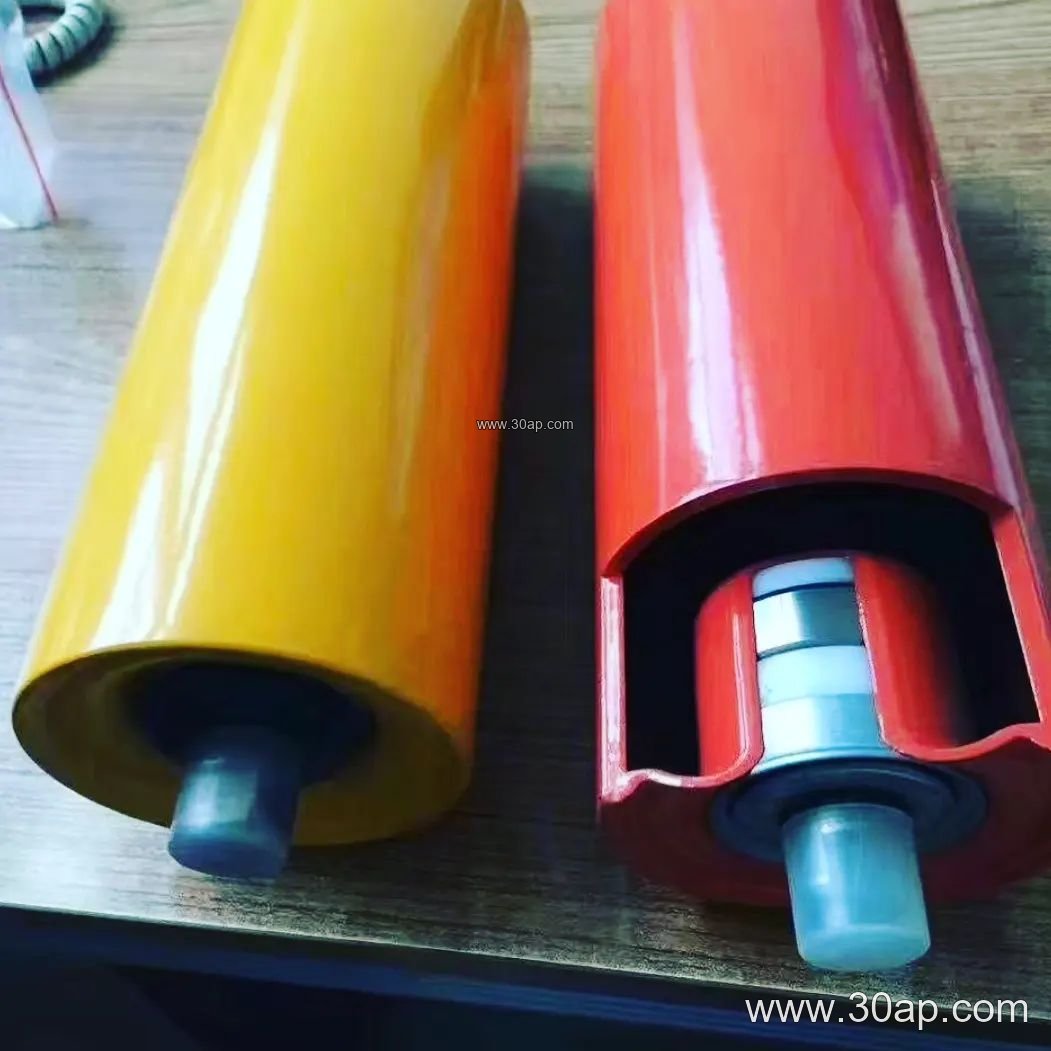
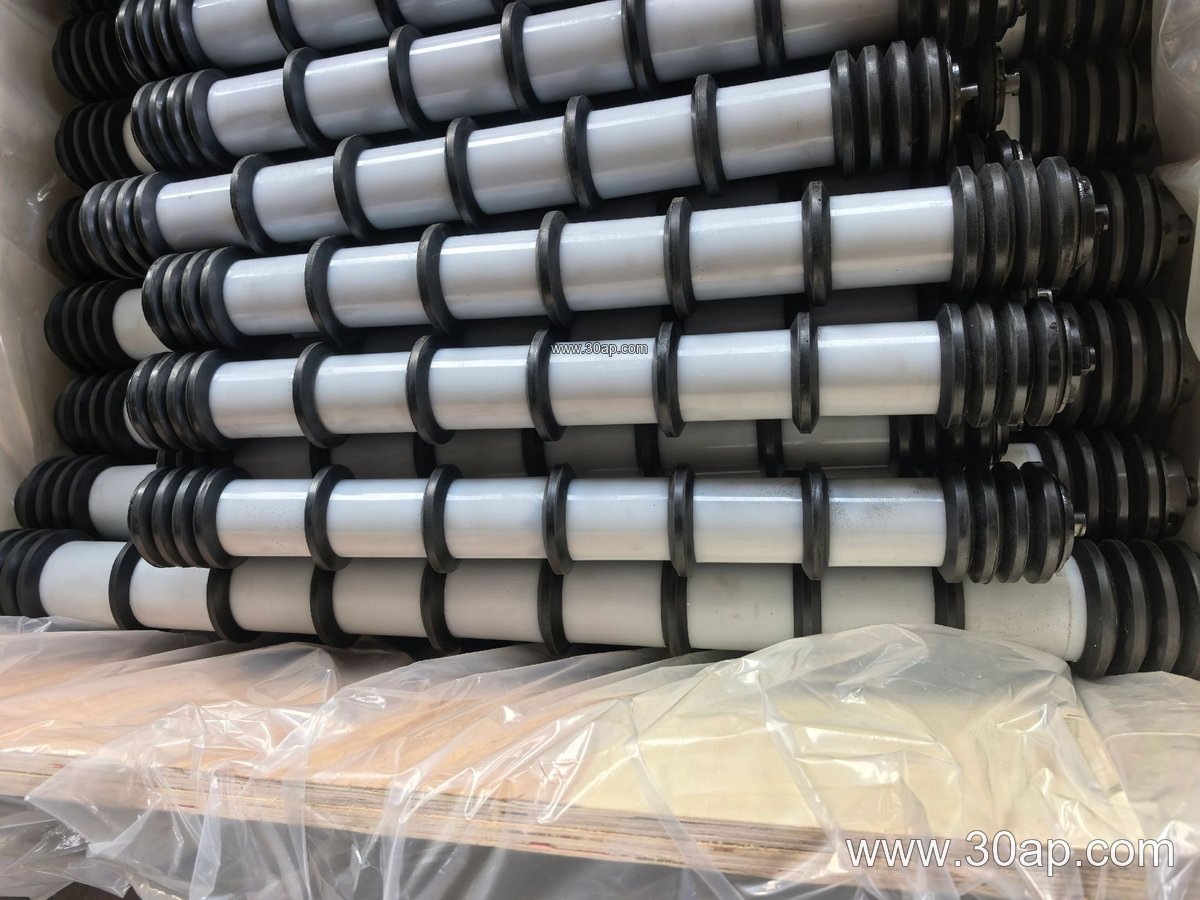
The anti-material-buildup idler typically uses a helical or spiral arrangement of rubber or polyurethane discs on the roller shell. This design creates a self-cleaning effect: as the idler rotates, the flexible discs flex and shed any sticking material. The core is usually a steel tube with sealed bearings to withstand dusty and moist environments. Common roller diameters include Ø89, Ø108, Ø127, and Ø133 mm, while bearing sizes such as 6205 or 6305 are often used depending on load requirements. The idler is available in various belt width compatibilities, from B500 to B2000, and can be supplied with frames for troughing or return applications.
Where It Fits in a Conveyor System
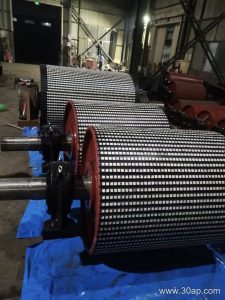
This idler is most effective in the return strand, where the belt is often exposed to carryback material. It can also be used in the load-carrying section for sticky bulk materials. For example, in a coal mining conveyor belt system, installing anti-material-buildup idlers on the return side minimizes buildup and extends the life of the conveyor belt. Similarly, in cement plants handling fine, moist clinker, these idlers reduce the need for frequent cleaning. They are compatible with a range of conveyor belts, including EP conveyor belt, NN conveyor belt, and steel cord conveyor belt constructions. The idler works alongside conveyor pulleys and conveyor brackets to maintain proper belt tracking.
Key Selection Parameters
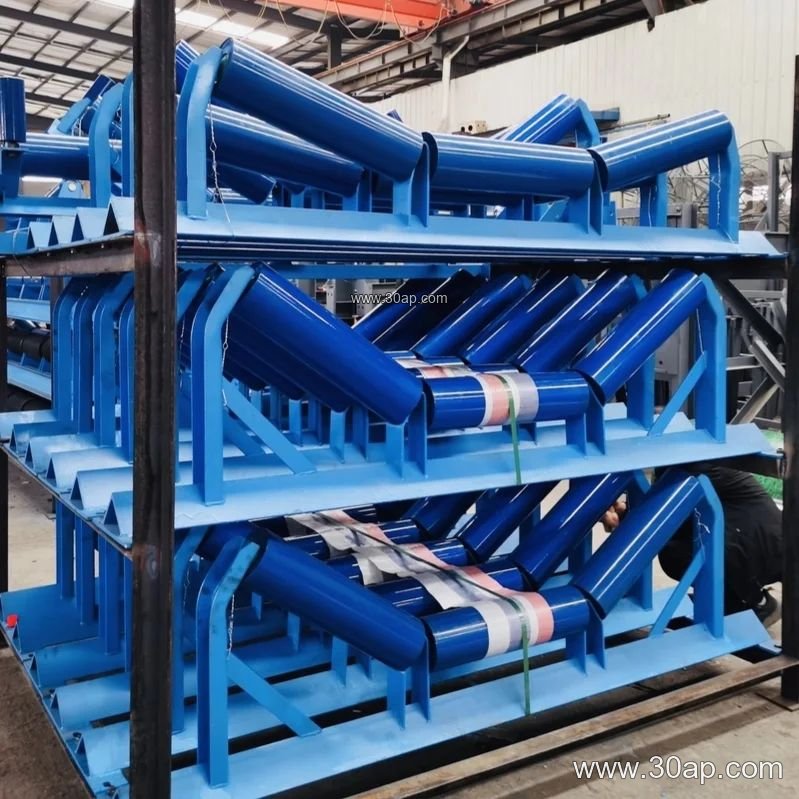
When selecting an anti-material-buildup idler, consider the belt width, material characteristics, and operating environment. The table below lists common reference sizes; actual dimensions should be confirmed with the supplier based on the conveyor design.
| Parameter | Common Options |
|---|---|
| Roller Diameter | Ø89, Ø108, Ø127, Ø133 mm |
| Belt Width | B500, B650, B800, B1000, B1200 mm |
| Bearing Type | 6204, 6205, 6305, 6306 |
| Roller Surface | Rubber disc, polyurethane disc |
For wider belts, such as B1400 or B1600, larger diameters like Ø159 or Ø178 mm may be appropriate. The idler length varies with belt width and trough angle; for instance, a three-roll troughing set for B1000 often uses a roll length around 380 mm, but side rolls can differ. These are typical examples, not fixed pairings.
Benefits in Harsh Environments
In quarry conveyor belt and aggregate conveyor belt operations, dust and fines can quickly coat standard idlers. The anti-material-buildup design reduces this problem, lowering the risk of belt misalignment and extending the service life of the conveyor belt and idler roller. It is also beneficial in fertilizer plants and recycling facilities where materials tend to cling. By keeping the idler surface clean, the overall efficiency of the conveyor improves, and energy consumption may be reduced.
Maintenance and Compatibility
Regular inspection of the idler discs for wear or damage is recommended. Since the anti-material-buildup idler is often used with abrasion resistant conveyor belt or heat resistant conveyor belt, ensure the idler material is compatible with the belt and the conveyed material. The idler should be installed with proper alignment to avoid edge loading. When replacing idlers, check the conveyor bracket and pulley alignment to maintain optimal belt tracking. For extreme conditions, such as underground coal mining conveyor belt systems, flame retardant and anti-static properties may be required for the idler components.
Buyer’s Checklist
- Confirm the belt width and trough angle to determine idler length and roll configuration.
- Select roller diameter based on load and belt speed, considering common sizes like Ø108 or Ø133 mm.
- Verify bearing size and sealing class for the environment (dust, moisture, temperature).
- Choose disc material (rubber or polyurethane) suitable for the material’s stickiness and abrasiveness.
- Ensure compatibility with existing conveyor brackets and pulleys.
By understanding these factors, buyers can specify an anti-material-buildup idler that enhances conveyor reliability and reduces maintenance costs in demanding bulk material handling applications.