Idler Roller: Engineering the Smooth Flow of Bulk Materials
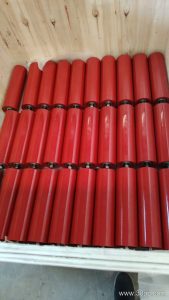
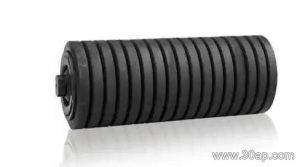
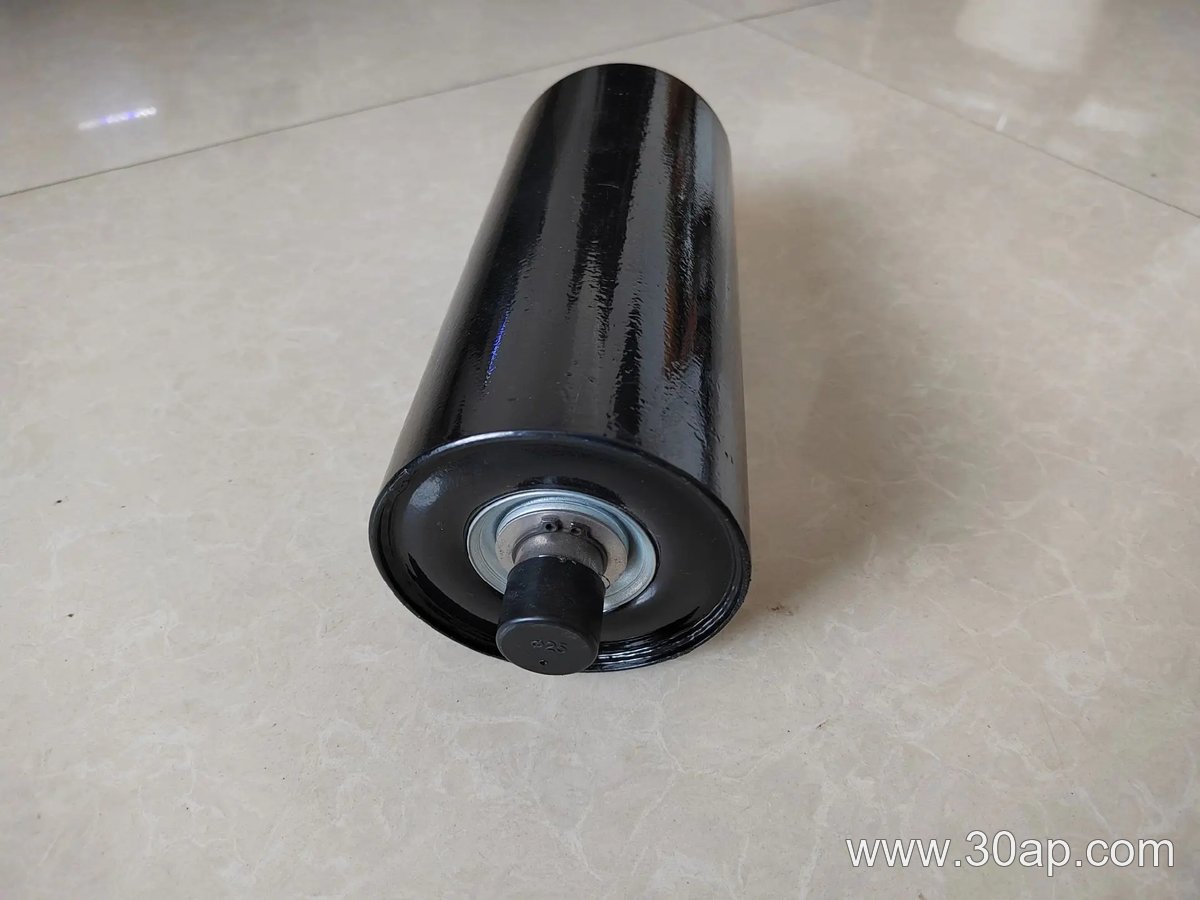
The idler roller is the unsung hero of any conveyor system, supporting the belt and cargo while minimizing friction and wear. Choosing the right idler roller directly impacts uptime, energy consumption, and total cost of ownership.
Why Idler Roller Quality Matters
A precision-engineered idler roller ensures true rotation, reduces belt misalignment, and prevents premature belt damage. Low-quality rollers increase drag, causing higher power draw and frequent replacements.
Key Selection Criteria for Idler Rollers
- Load rating: Match the roller’s dynamic capacity to your actual belt load and speed.
- Sealing system: For dusty or wet environments, choose labyrinth or contact seals to protect bearings.
- Shell material: Steel offers durability; HDPE or rubber-coated shells reduce material buildup and noise.
- Bearing type: Deep-groove ball bearings suit moderate speeds, while tapered roller bearings handle heavier radial loads.
- Roller diameter: Larger diameters improve belt support but increase weight and cost—balance for your trough angle.
Purchasing Advice for Long Service Life
Always request the CEMA classification and verify run-out tolerance (below 0.03 mm) to avoid belt vibration. Consider impact idler rollers at loading zones. For retrofit projects, measure frame spacing and shaft end dimensions precisely. Finally, compare total maintenance cost over 5 years, not just initial price—sealed-for-life options often pay off.
Understanding the Conveyor Pulley’s Role
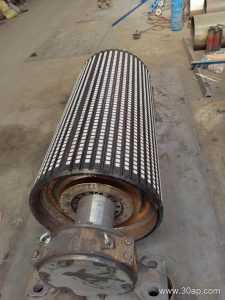
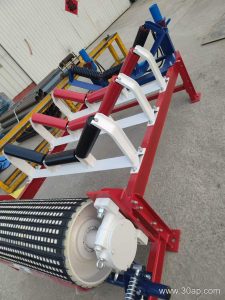
The conveyor pulley is the mechanical heart of any belt conveyor system. It drives, redirects, and tensions the belt, directly influencing throughput and component lifespan. Without a correctly specified pulley, even the best belt or motor will fail prematurely.
Key Types for Industrial Applications
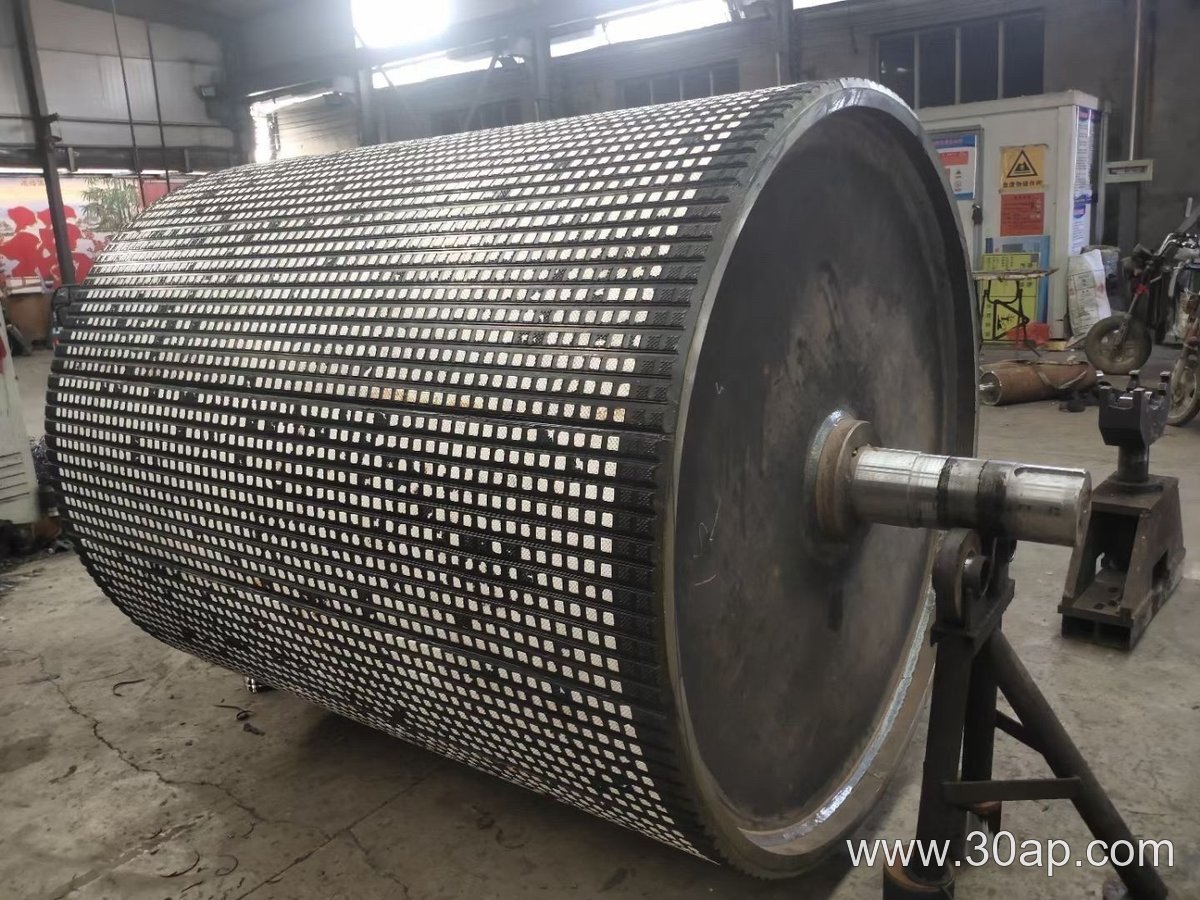
- Drive (head) pulleys – transmit torque from the motor to the belt; require high friction lagging.
- Tail (return) pulleys – redirect the belt; often fitted with self-cleaning wings for sticky materials.
- Snub and bend pulleys – increase wrap angle or change belt direction for optimal tracking.
Purchasing and Selection Advice
Load and Shaft Calculations
Always verify the required shaft diameter, bearing load rating, and pulley face width against your belt width, tension (PIW), and material density. Under-specifying causes shaft deflection and bearing failure.
Lagging and Shell Thickness
Choose ceramic or rubber lagging for drive pulleys to improve grip and reduce slippage. For abrasive materials, select a thicker shell (e.g., 12 mm or more) with a crowned profile to aid centering.
- Check crown height (typically 0.5–1.5 mm) for belt tracking.
- Request finite element analysis (FEA) from the supplier for heavy-duty or high-speed conveyors.
- Specify end discs (welded or bolted) and hubs that match your existing shaft keyways.
Inspection and Replacement Intervals
Schedule ultrasonic thickness testing every 6–12 months. Replace pulleys when lagging wear exceeds 30% or when shell thinning reaches 10% of original thickness. Keep spare pulleys for critical conveyors to minimize downtime.
Understanding the Role of a Conveyor Bracket
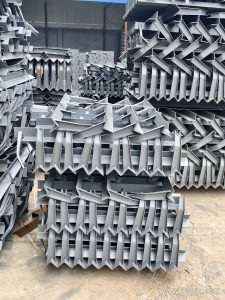
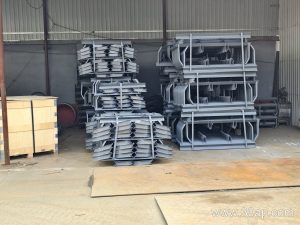
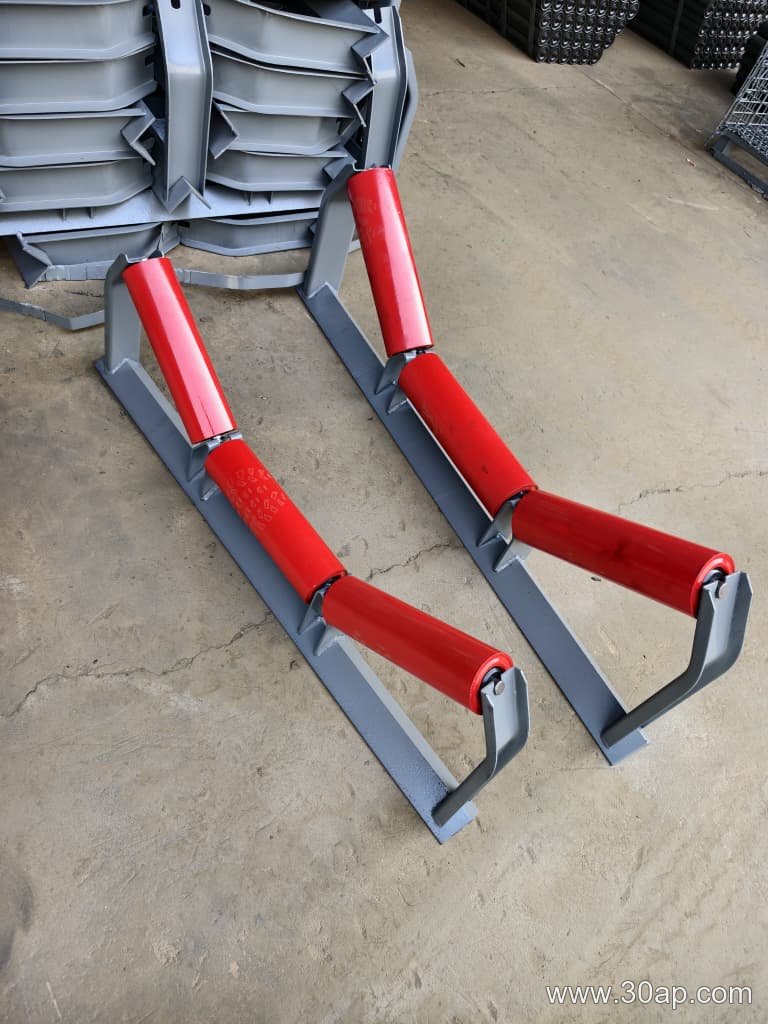
A conveyor bracket is the structural connector that secures rollers, idlers, or pulleys to the frame of a conveyor system. It ensures alignment, reduces vibration, and extends equipment life.
Key Selection Criteria
- Load capacity: match the bracket’s rating to your heaviest conveyed material.
- Material type: choose galvanized steel for corrosive environments or stainless for food-grade lines.
- Adjustability: slotted brackets simplify belt tracking and tensioning.
Purchasing Advice
Always verify the bracket’s bolt-hole pattern against your existing frame. Request samples for high-vibration applications, and prioritize brackets with reinforced gussets or welded seams over stamped versions for heavy-duty use.
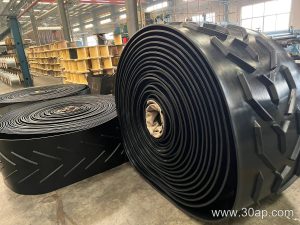
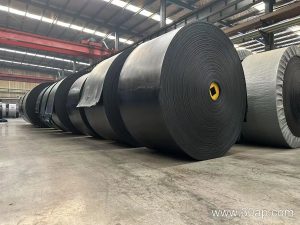
Why the Conveyor Belt Remains the Backbone of Material Handling
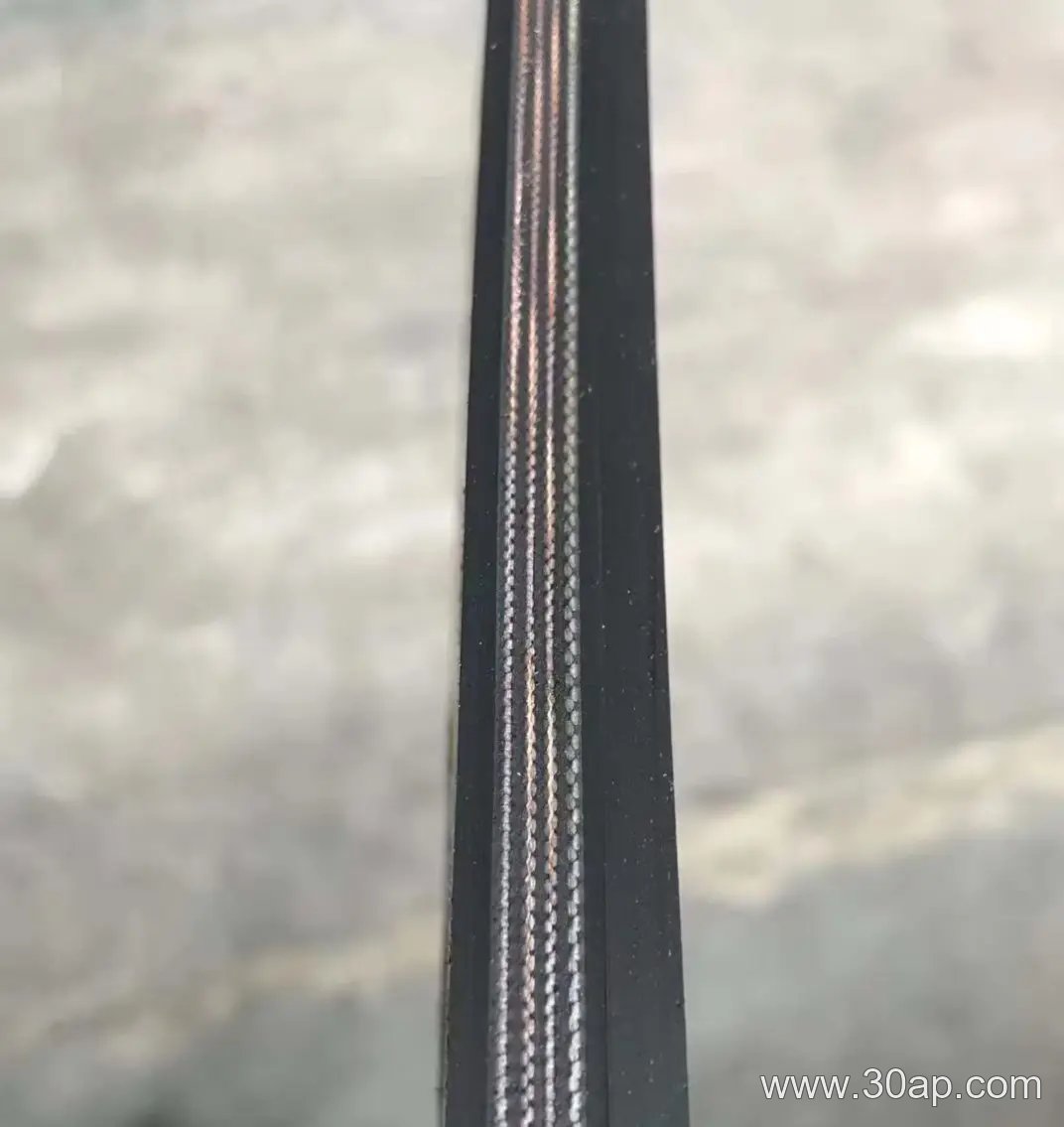
The conveyor belt is the single most critical component in any bulk or unit-load transport system. Its performance directly impacts throughput, downtime, and operating costs. Choosing the wrong belt can lead to frequent splicing failures, excessive energy consumption, and product damage.
Key Factors in Conveyor Belt Selection
-
Material compatibility: Match the belt cover compound to the conveyed product—rubber for abrasive ores, PVC for food, and heat-resistant grades for hot materials.
-
Tension and load rating: Verify the belt’s breaking strength against your system’s peak tension, including start-up and braking forces.
-
Belt width and speed: Ensure the width accommodates the largest lump size and that speed aligns with your transfer rate without spillage.
-
Environmental conditions: Consider temperature extremes, oil exposure, UV degradation, and moisture—each requires a specific carcass and cover design.
Purchasing Advice for Long-Term Value
Always request a technical datasheet with elongation at break, splice efficiency, and wear resistance. Partner with a supplier who offers on-site vulcanizing services. Invest in a belt with a higher safety factor (8:1 or 10:1) to reduce unplanned stops, and specify anti-static or fire-resistant options for hazardous zones.